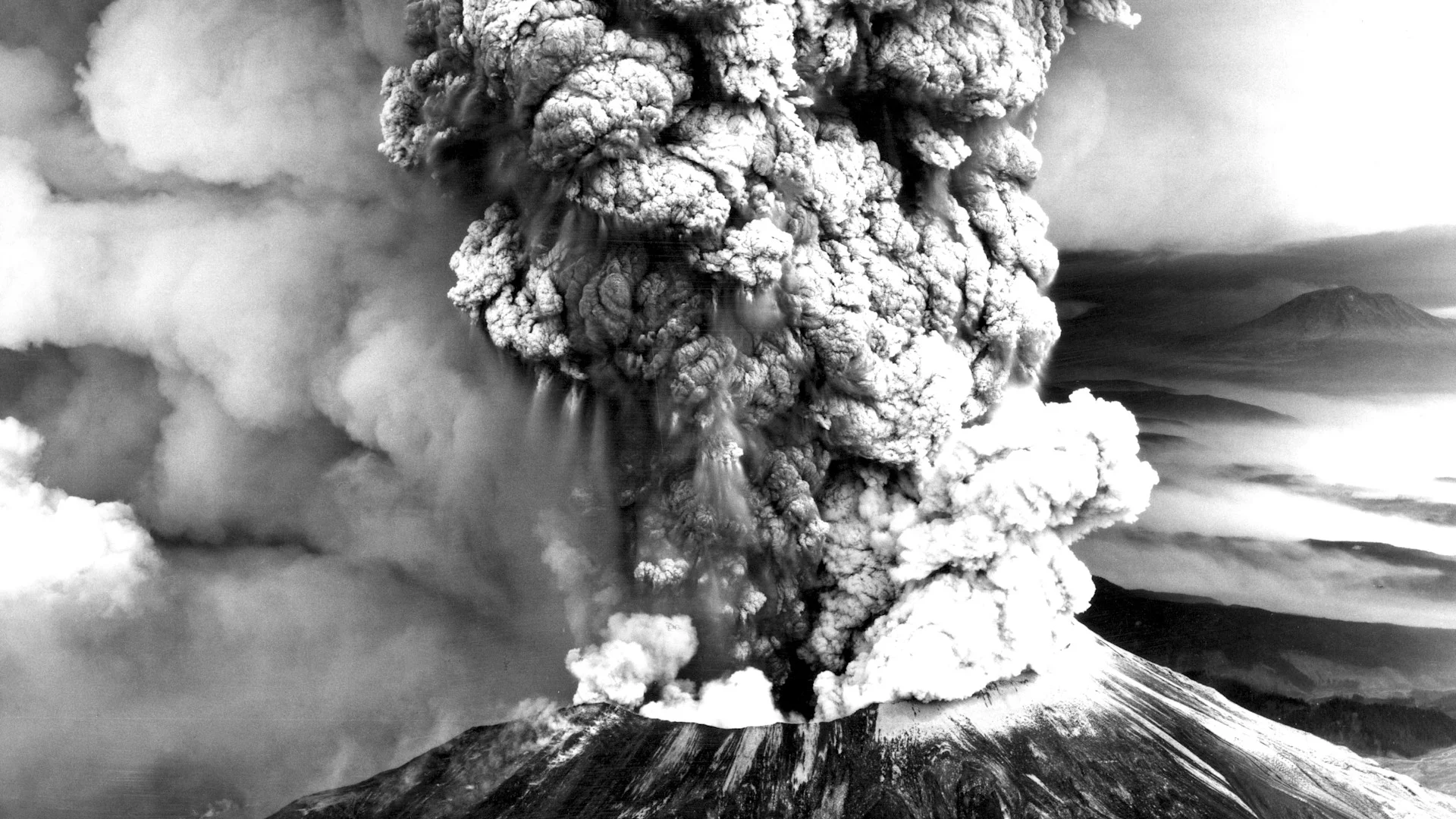
The world’s largest landslide caused Mount St. Helens to erupt

The entire northern face of Mount St. Helens gave way on the morning of May 18, 1980
The largest landslide in recorded history led to one of the most devastating volcanic eruptions in modern times.
Mount St. Helens forever changed the landscape in its corner of western Washington when the volcano erupted on May 18, 1980.
DON'T MISS: Huge Hunga-Tonga volcanic eruption altered atmosphere, report finds
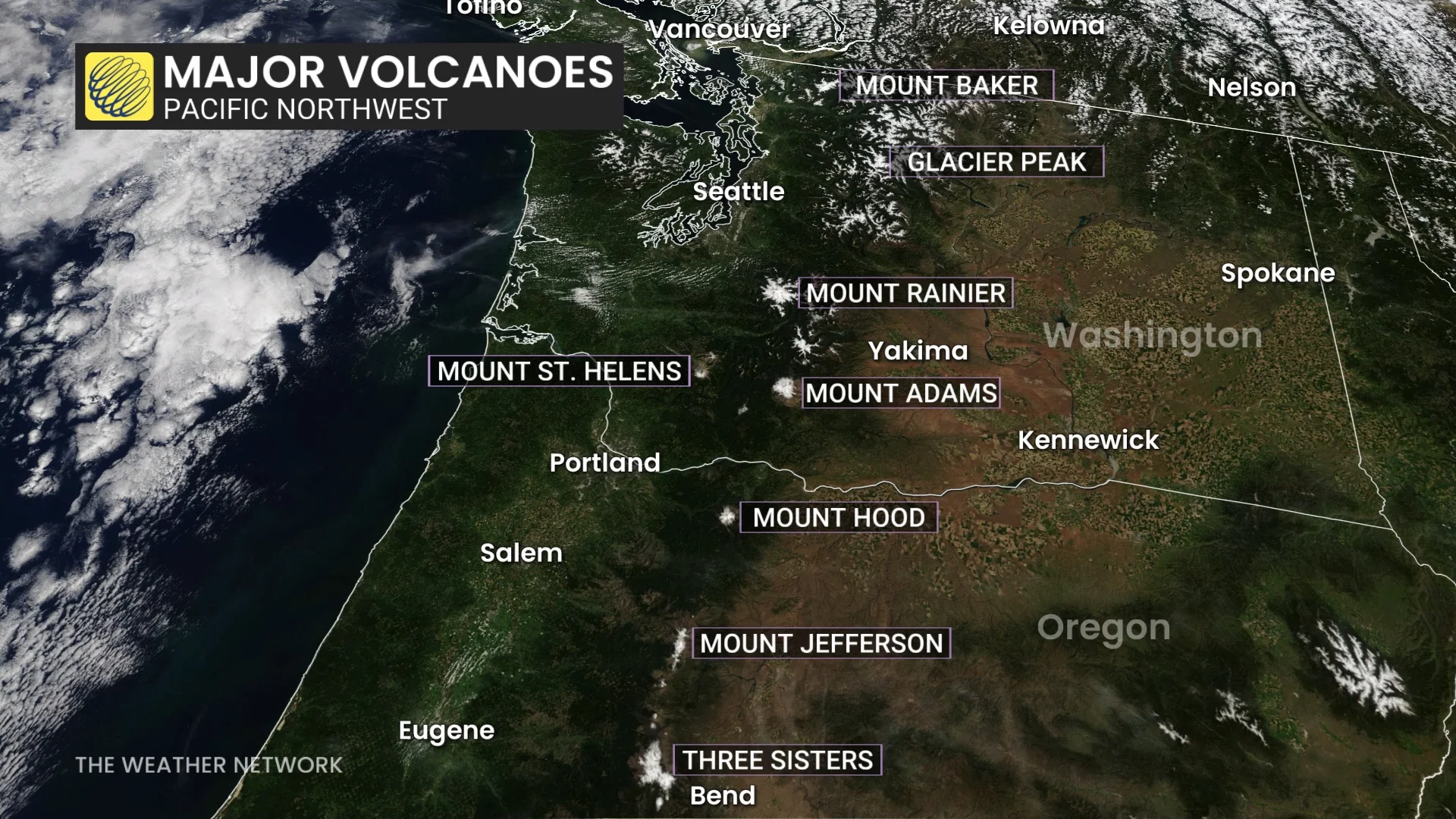
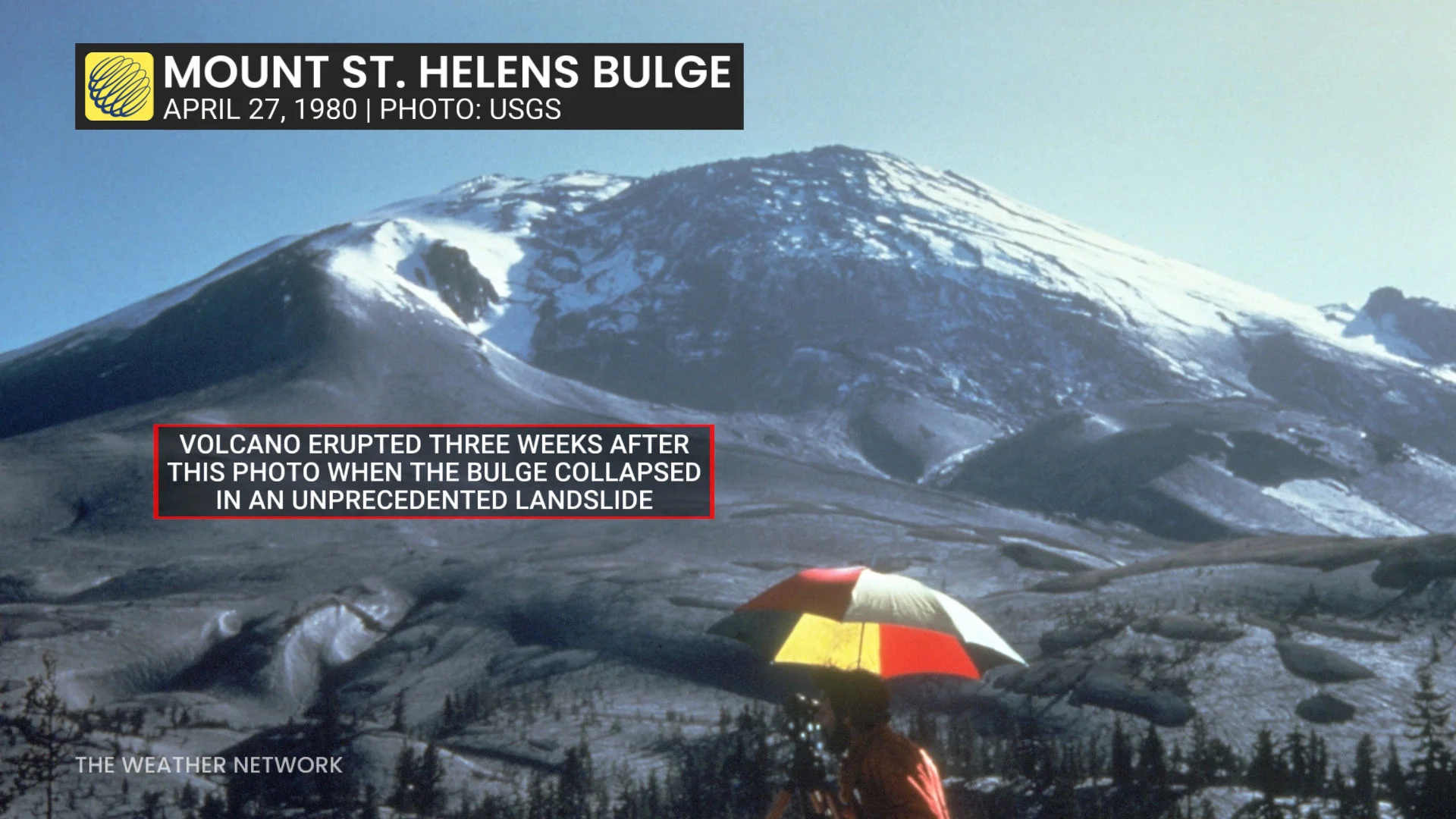
Scientists knew something bad was brewing for at least two months before the volcano let loose. Thousands of small earthquakes rattled the area as magma and gas moved beneath the surface, which forced the north face of Mount St. Helens to visibly bulge outward.
Faced with increasing confidence of an eruption, officials ordered an evacuation of communities around the volcano. Most folks left, but a few stubbornly stayed behind.
A magnitude 5.1 earthquake struck at 8:32 a.m. on the morning of Sunday, May 18, causing the entire bulging north face of the volcano to collapse in the largest landslide ever recorded.
DON'T MISS: Tokyo officials release AI-generated video simulating Mt. Fuji eruption
Much like popping the top on a shaken bottle of soda, this landslide suddenly and violently uncorked all the pressure built up within Mount St. Helens.
The subsequent eruption blew a tremendous amount of rock, gas, and ash out of the side of the volcano, a mixture that travelled faster than 1,000 km/h and reportedly reached temperatures as high as 300°C.
Debris filled nearly two-dozen kilometres of a nearby river with material measuring as much as 180 metres deep in some spots. The United States Geological Survey (USGS) says that the landslide and eruption destroyed enough timber to build 300,000 homes.
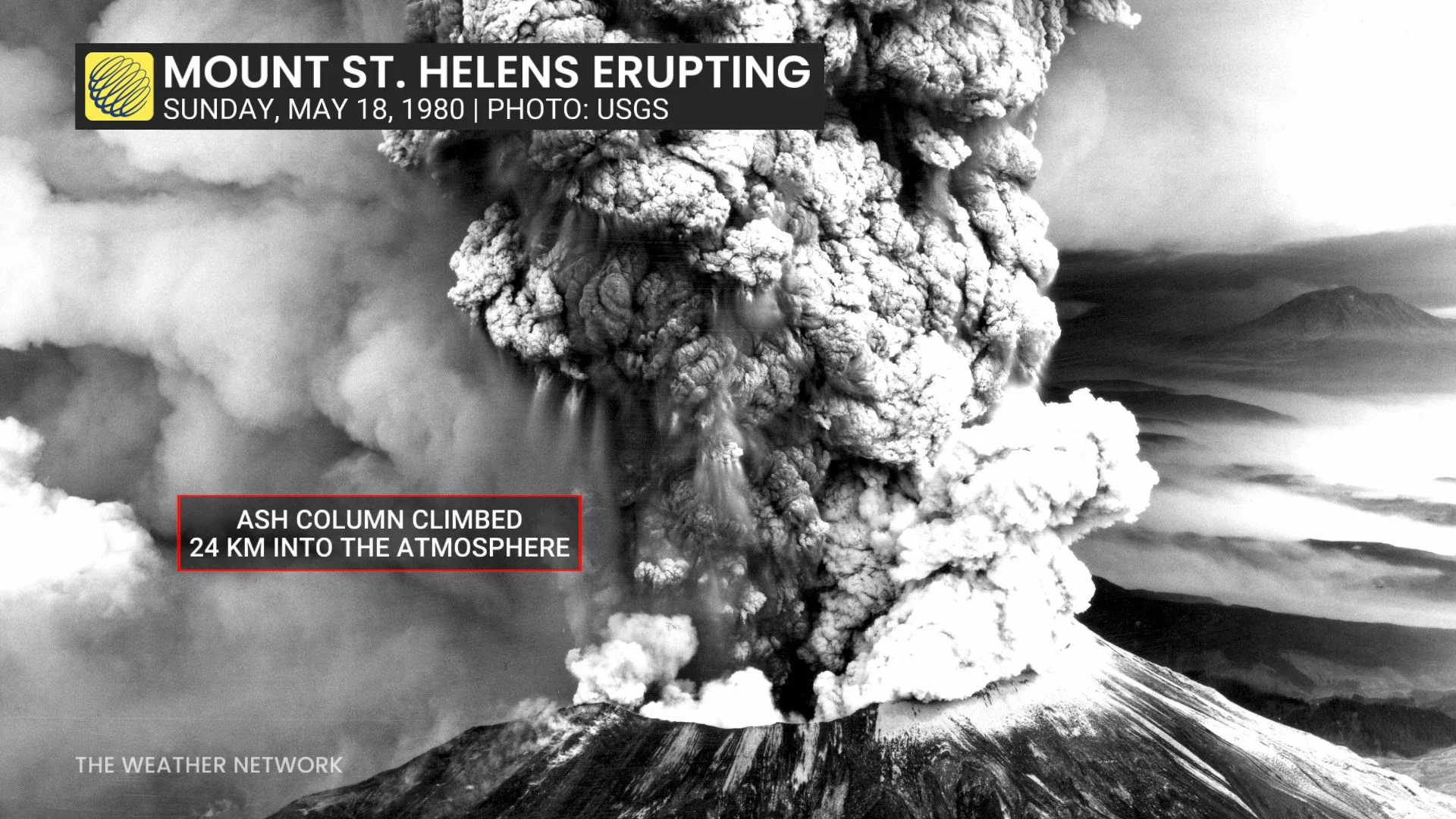
A column of searing-hot ash climbed more than 24 kilometres into the upper atmosphere, thick enough to blot out the sun hundreds of kilometres downwind from the volcano. The eruption continued through much of the day.
The disaster killed 57 people, including scientists, journalists, and residents who couldn’t escape the lethal onslaught of hot gas and debris. More than 500 square kilometres of land around the volcano were reduced to a moonscape for years after the eruption.
Mount St. Helens now stands about 400 metres shorter than it did before the morning of May 18, 1980. Life around the volcano has gradually returned to the region, with animals and plants repopulating areas once reduced to rubble.
Header image courtesy of the USGS.