Earth’s nighttime lights are rapidly changing, study shows

Our planet’s nighttime lights aren’t set in stone. Society’s glow brightens and dims over the years as communities grow and disasters strike
Scientists can see what you do in the dark.
Patterns of artificial light at night (ALAN) track the elaborate stories of human growth and development across our planet over time.
An in-depth study reveals that our nighttime lights are surprisingly dynamic, constantly brightening in some areas while dimming in others.
DON'T MISS: Stars are vanishing from human sight at an astonishing rate, says report
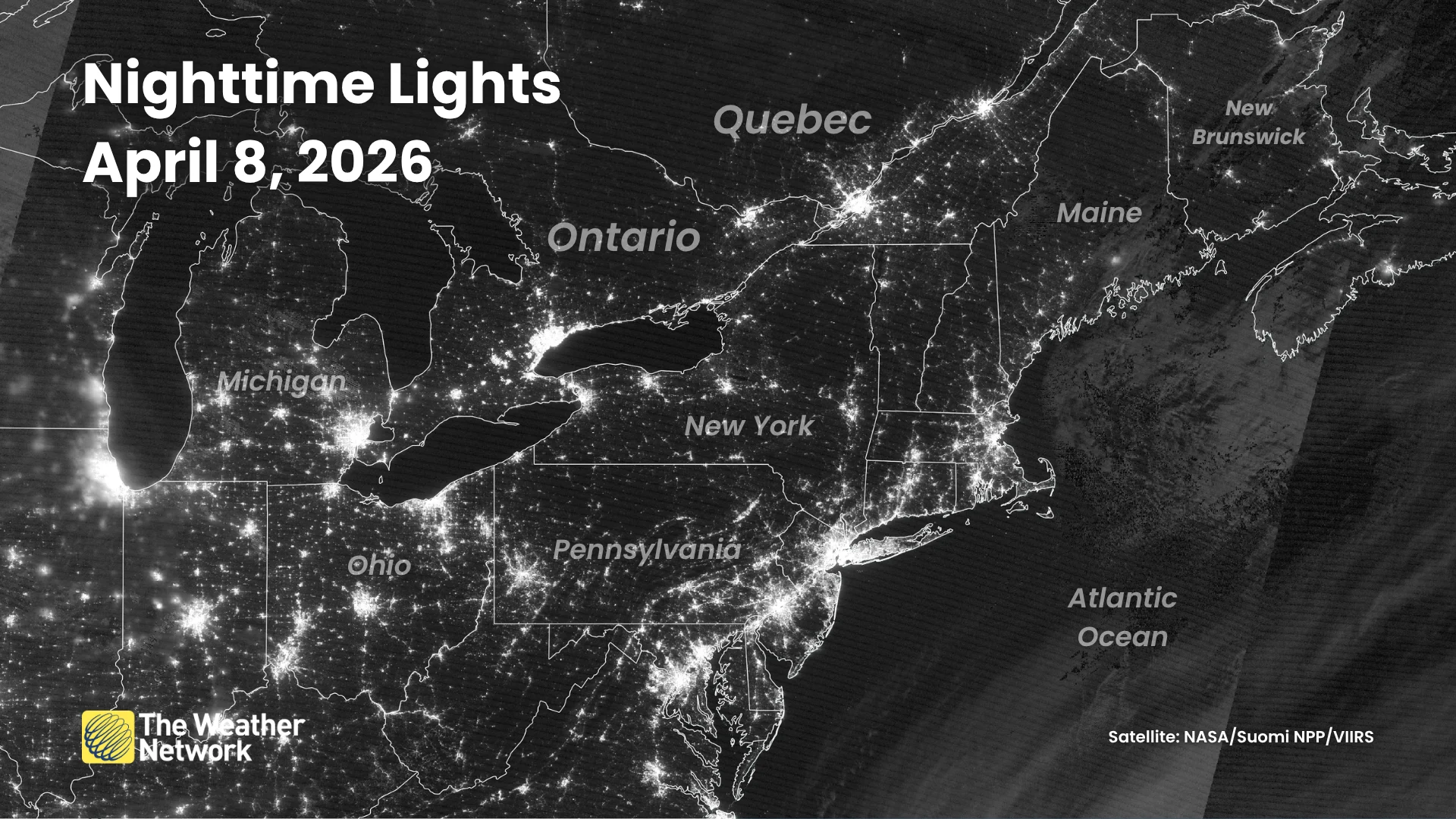
Outdoor illumination helps make modern life possible. Earth’s surface positively glows at night thanks to countless lightbulbs shining on buildings, vehicles, streets, parking lots, airports, and more.
A sensor known as VIIRS (Visible Infrared Imaging Radiometer Suite) makes it possible for a handful of satellites to beam back routine, detailed views of nighttime lights around the world.
Monitoring is key because these lights don’t remain static. The slow but steady evolution of society keeps ALAN in a state of everlasting flux, a series of dramatic changes that scientists recently analyzed using more than one million satellite images.
SEE ALSO: Escaping the city, sitting beneath a starry sky can have big health benefits
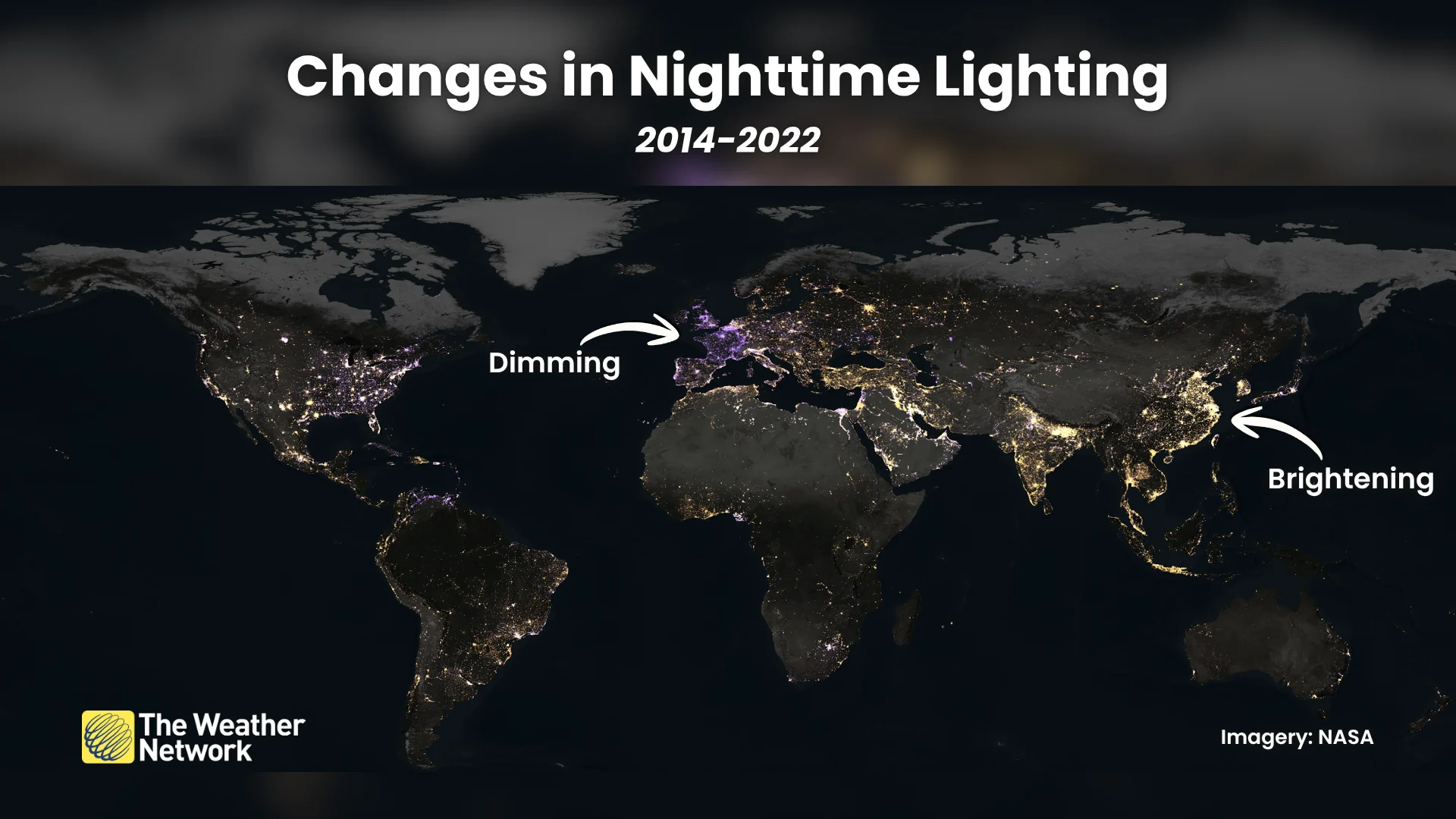
According to the recently published findings, more than 2 million square kilometres of land saw abrupt changes in nighttime light coverage between 2014 and 2022. This covers a global expanse of land nearly twice as large as Ontario.
Gradual changes in light intensity and patterns covered an additional 19 million square kilometres. Results of the study indicate that many of these changes occurred in China and India.
The scientists found that a whole spectrum of human activity causes changes in ALAN, including expansion into previously undeveloped areas, war, natural disasters, and other factors such as the steady transition to LED lighting in many parts of the world.
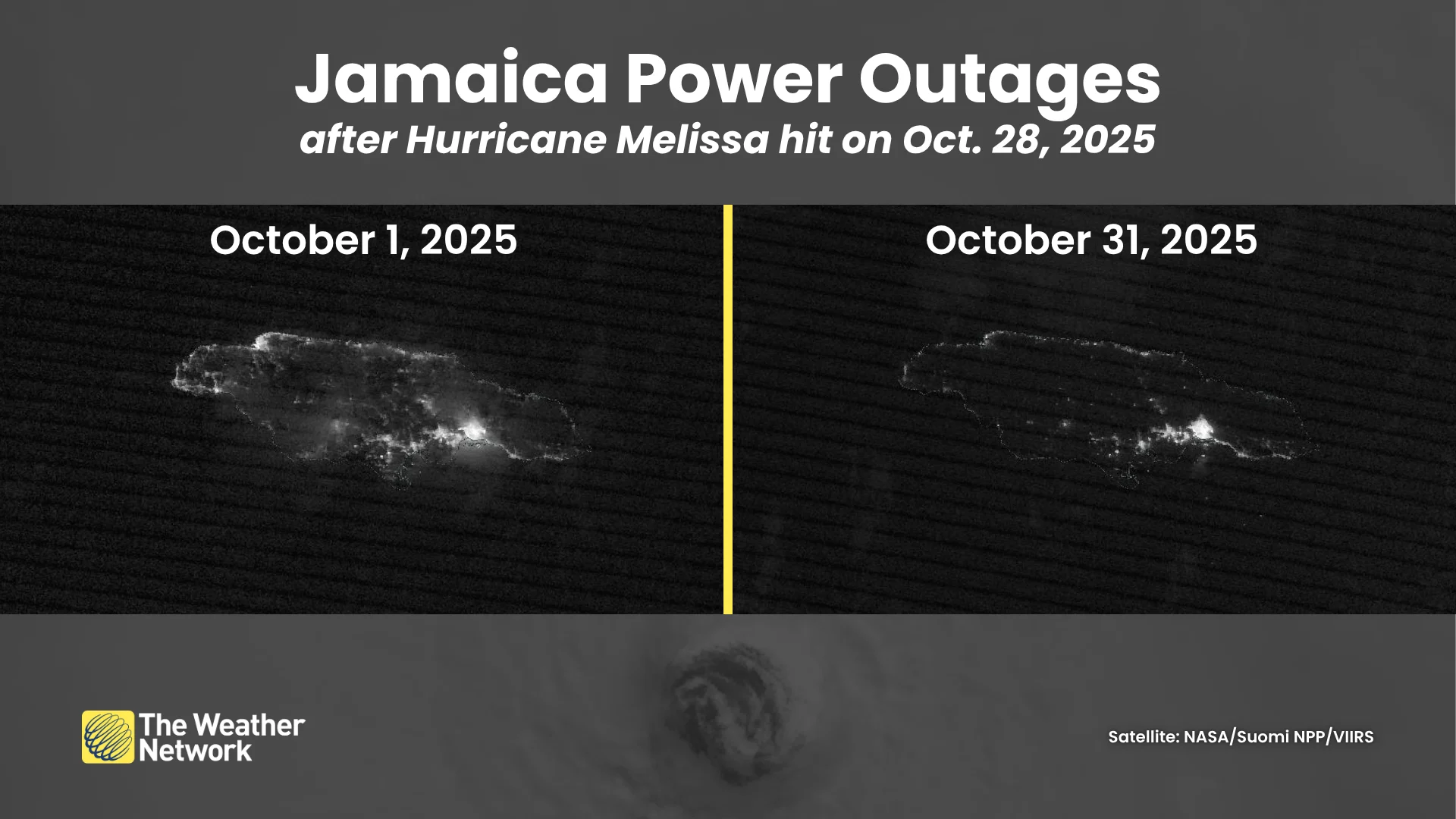
One stark example occurred after Hurricane Melissa struck Jamaica as a scale-topping Category 5 storm near the end of October 2025. The island’s lights were noticeably dimmer between the start and end of the month as many communities remained without power in the days following landfall.
Abrupt changes can also occur as a result of energy instability, as we’ve seen recently in places like Venezuela and Cuba.
Flames and bright lighting used in the course of fossil fuel operations also result in bright, widespread, and frequently changing clusters of nighttime illumination, the study points out.
Header image courtesy of NASA.