Trees might be warning us they’re stressed

How to assess your trees' health after a long winter
If the trees in your yard have been catching your eye lately, that instinct may be worth trusting.
Tree problems do not always start where you can see them. In many cases, the stress begins below ground, in the roots, but the signs tend to show up above. That is why arborists say the canopy can be one of the best places to look when something is off.
“You can’t see the roots, but the canopy will rat them out” is the basic idea, and according to Eric Benneter, Certified Master Arborist with Davey Tree Care Services, there are a few clear warning signs homeowners should know.
Dead branches are one of the biggest red flags. Once leaves are out, discolouration and thin or patchy growth can also point to a tree under stress. In some cases, that can mean the tree needs deeper watering and better support around the root zone.
Here’s where the weather plays in.
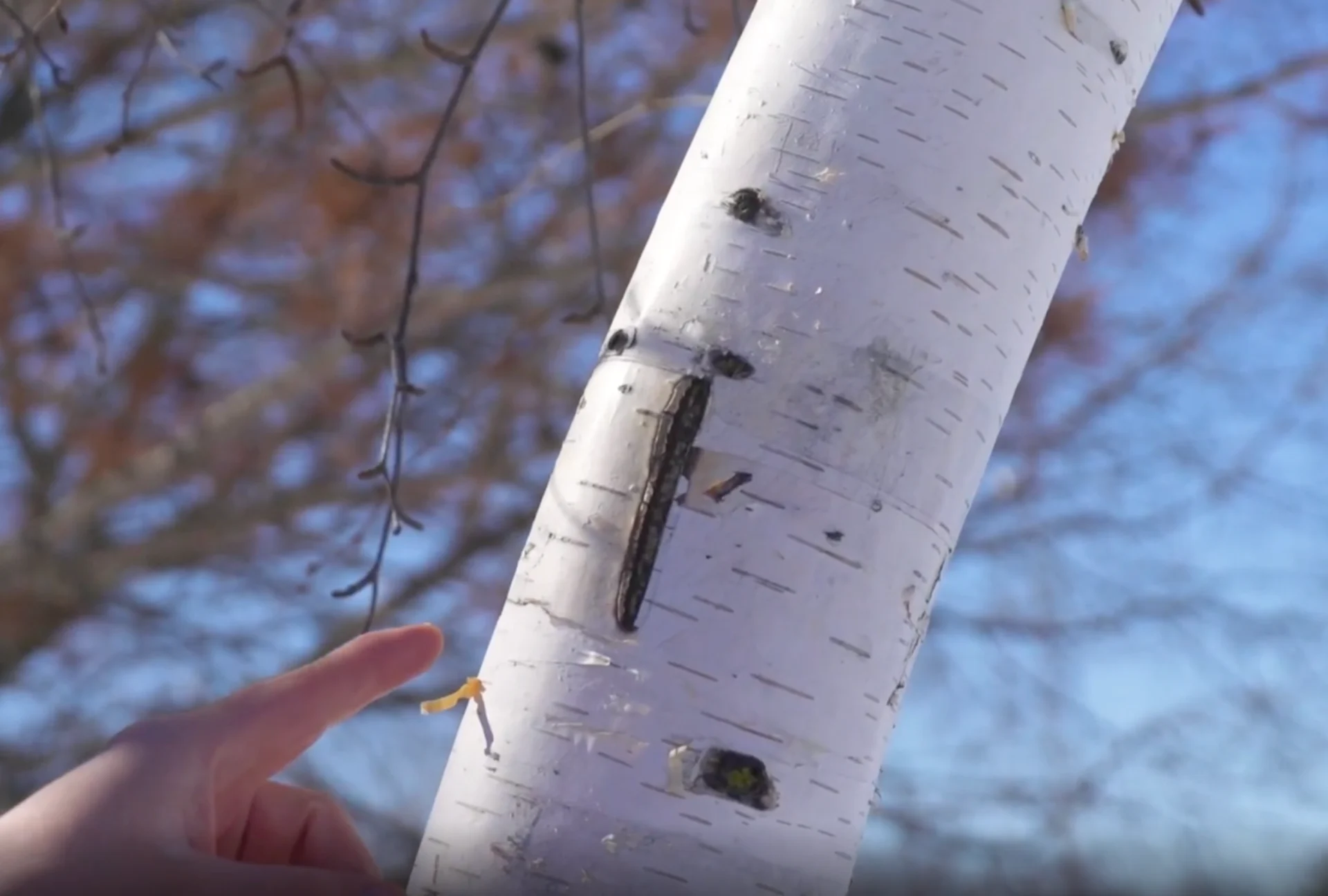
Warm temperatures can get sap moving through the tree, but if conditions shift quickly and temperatures drop, likely overnight, that moisture can freeze, expand, and damage the bark.
“That water and SAP that's inside the tree, and the wood, and the vascular system of the tree can expand and crack," Benneter explained. “Usually that damage presents as frost crack damage on the bark.”
And sunshine can actually make it worse, especially for thin-barked trees like birch and some maples, because that extra warming can speed up bark cracking.
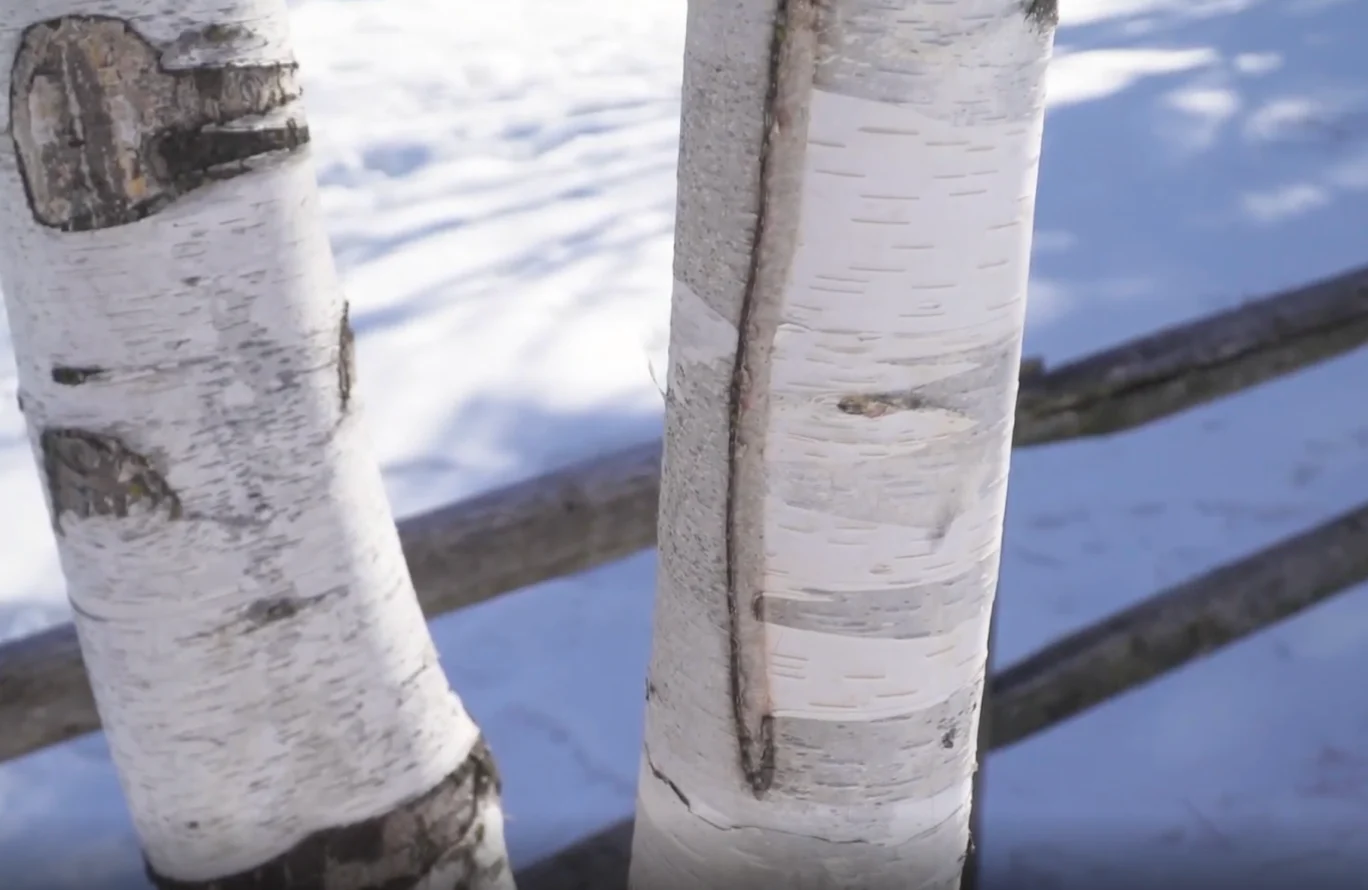
Example of a frost crack. (The Weather Network)
SEE ALSO: How downed trees are being used revitalize soil health
Structure matters too, especially when it comes to branches that are poorly attached.
A tight branch union may not look dramatic at first glance, but it can be a weak point when a tree is put under stress from heavy snow, ice, or strong wind.
“Something to look out for would be poorly formed branch attachment,” said Benneter. “So how a branch is very tightly joined together with a larger branch, the (smaller) branch would be at more risk of failure in a heavy snow load or ice load.”
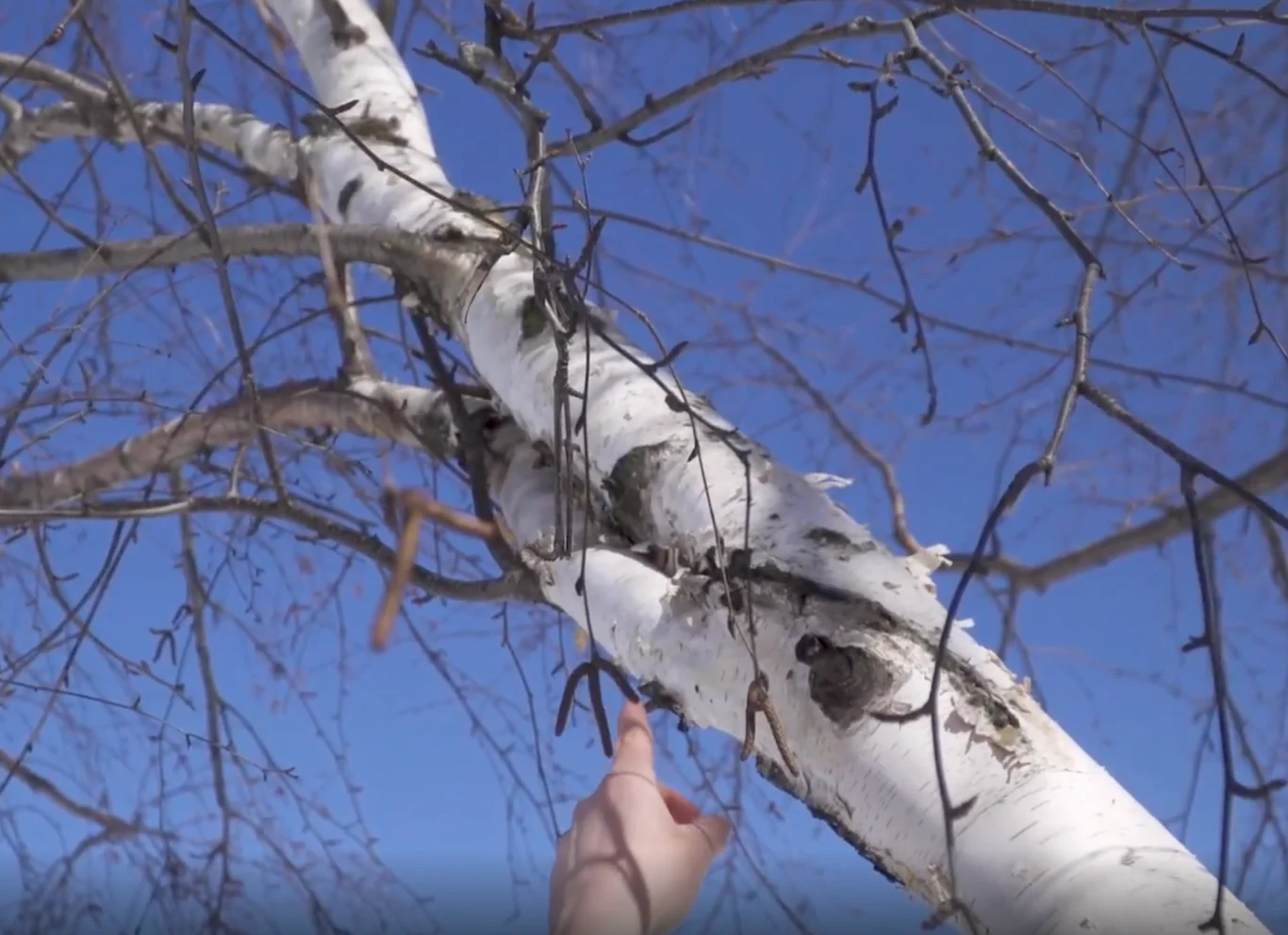
Example of a branch union. (The Weather Network)
The good news is there are a few simple ways to help trees cope with stress.
During dry stretches, a deep soak a couple of times a week can help. Mulch over the root zone can also make a difference by holding in moisture and keeping soil conditions more stable. And as the growing season ramps up, it is worth watching for signs of pest activity, including spongy moth damage or anything that looks chewed, thinned out, or unusual.
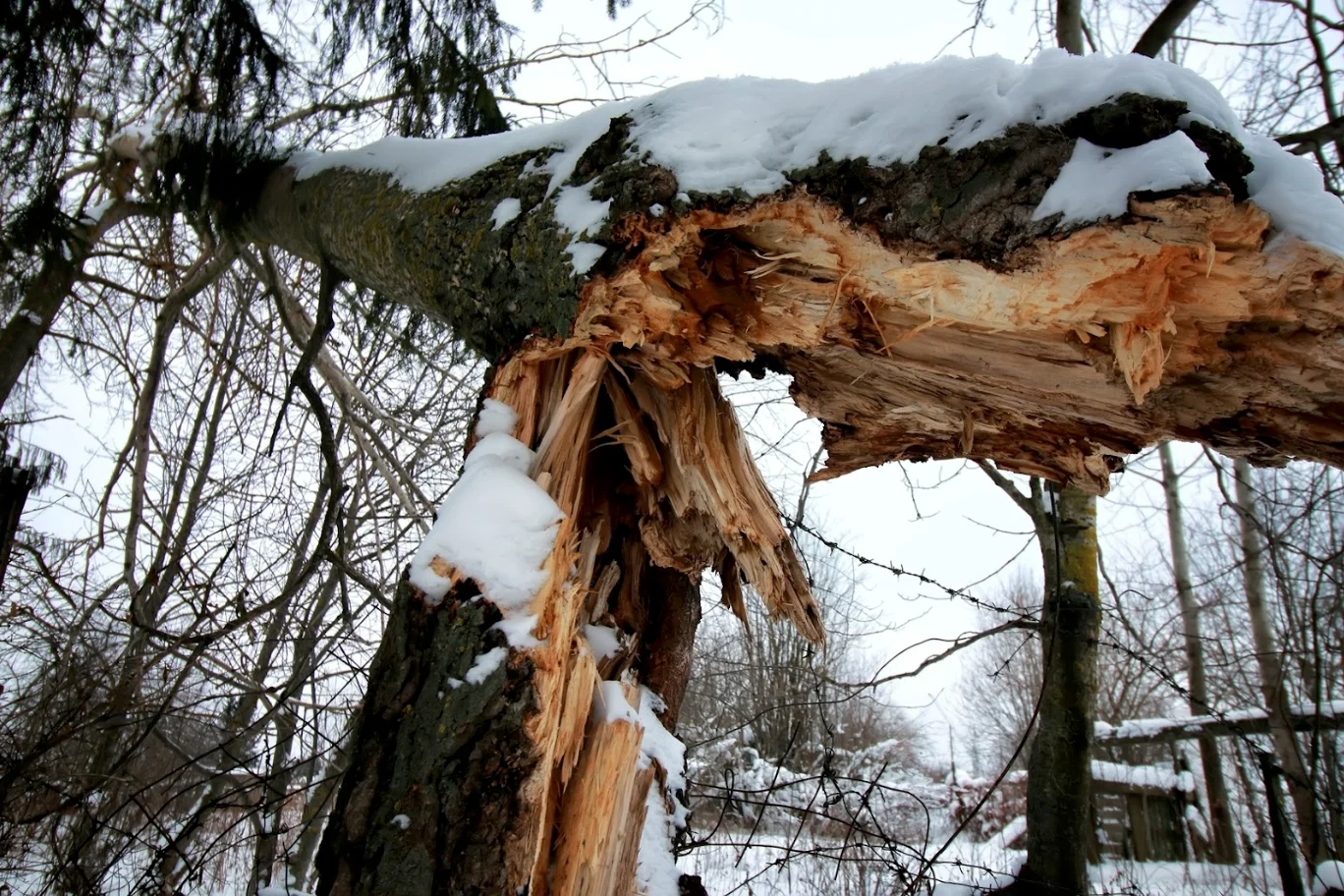
If your tree is showing signs of distress, it's time to bring in an expert. (Eric Benneter/provided)
If a tree is showing major cracks, a dead canopy, or branch unions that look like they could fail, Benneter says it is a good time to bring in an expert.
“Any time of year would be good to have a certified arborist inspect your trees.”
The bottom line: trees usually give you warning signs before they fail, so do not brush them off. Knowing what to look for and acting early can make the difference between a simple fix and a much bigger problem.