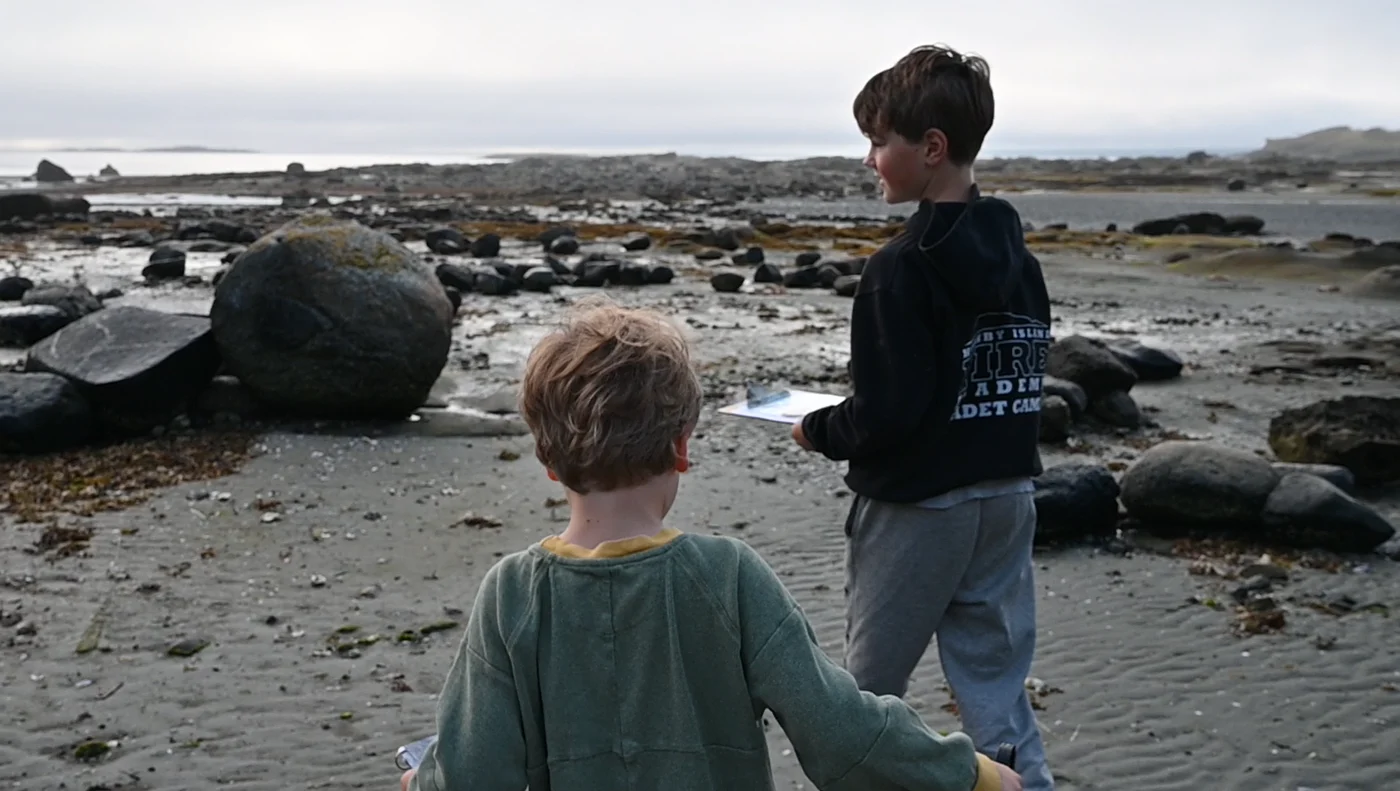
Exploring Hornby Island: Inside the "Seaweed School" adventure

Welcome to another episode of the Wildest Classroom. The Weather Network’s new series dedicated to sharing tips, tricks, and experiences for teaching your kids in the best classroom of all: the great outdoors.
In this week’s episode, The Weather Network reporter Mia Gordon and her adventurous sidekick Max embark on a journey involving three ferries to reach Hornby Island and attend the unique Seaweed School.
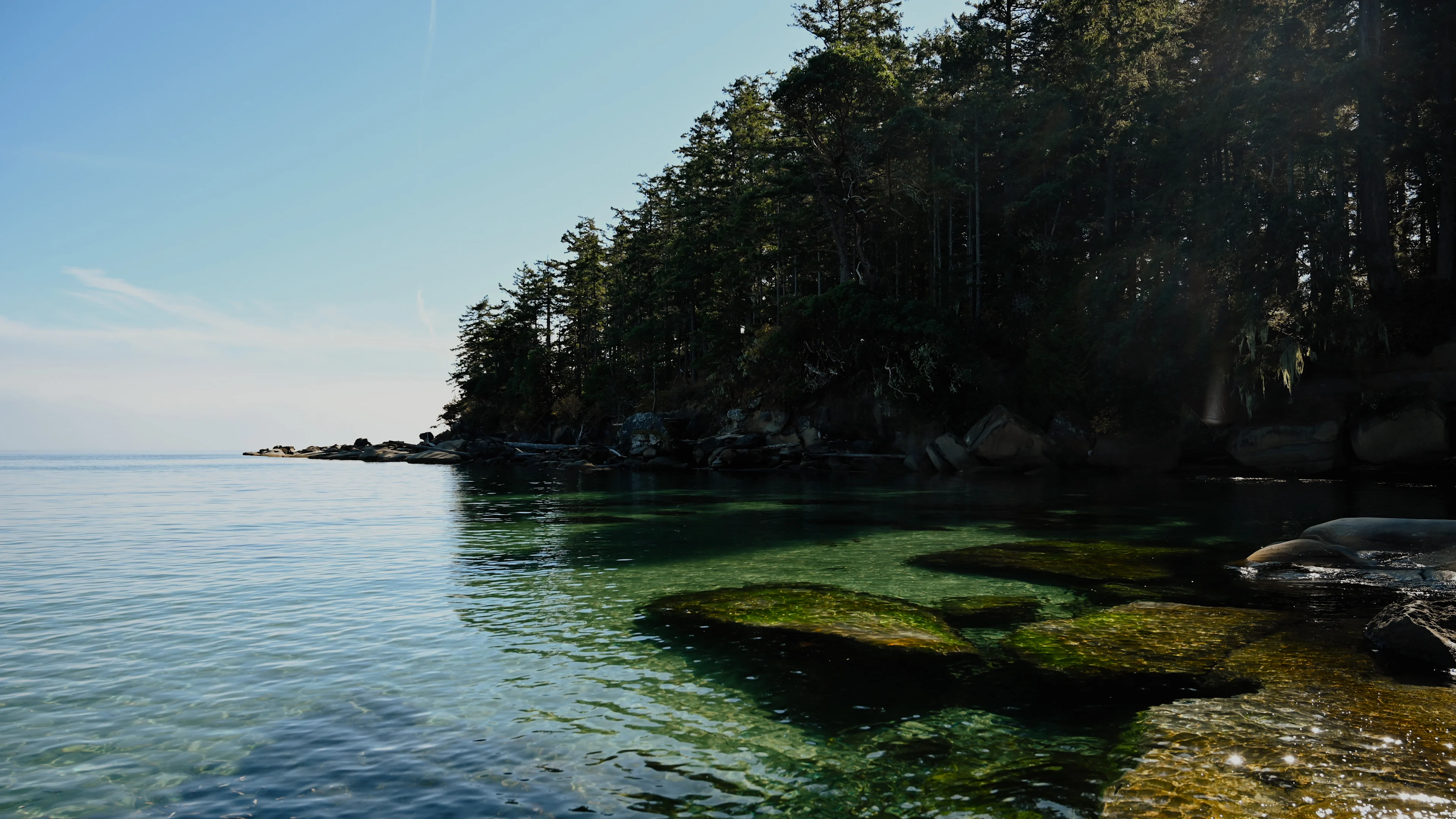
Hornby Island, located off the eastern coast of Vancouver Island, is known for its natural beauty and has earned the nickname “Hawaii of the North.” Over a third of the island is protected parkland, featuring the white-sand shores of Tribune Bay and the dramatic cliffs of Helliwell Provincial Park.
(The Weather Network)
Beyond its scenic landscapes, the island is rich in ecological diversity, hosting ancient fossil beds, rare Garry Oak ecosystems, and a community committed to stewardship and preservation.
SEE ALSO: Hunting for dinosaur bones in Canada: Go fossil digging in Drumheller, Alberta
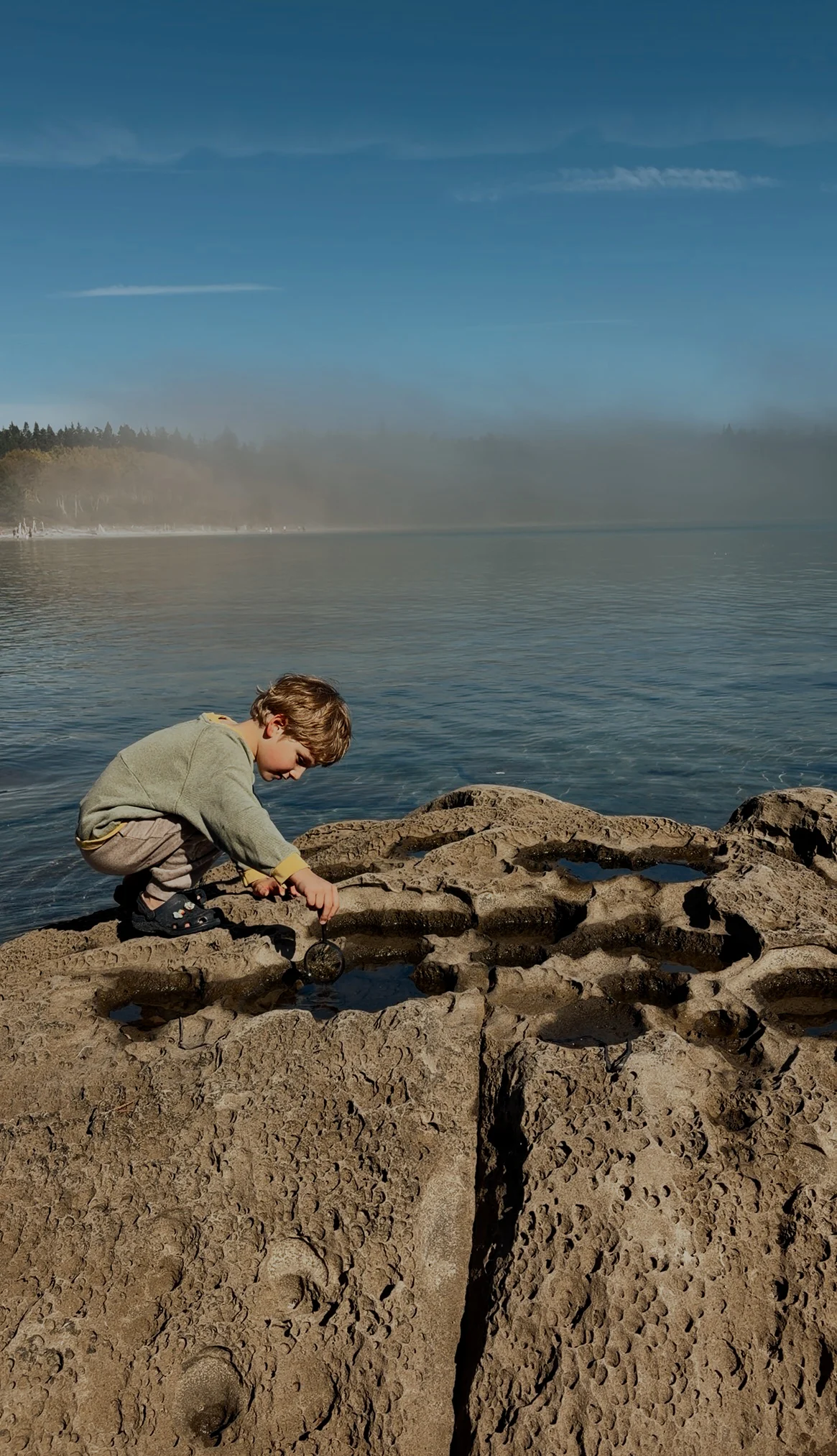
The island’s ecosystem also includes one of North America’s most remarkable intertidal zones. Sandstone shelves stretch into the Salish Sea, creating shallow, rock-formed pools that house marine life when the tide recedes. From tiny crabs to Pacific octopuses, the abundance of marine organisms makes this the ideal setting for Seaweed School.
Heather Royal Brant, an Indigenous educator and co-founder of the program, explained its origins: "For me, it started as wanting to share Indigenous ways of knowing."
Introduced in 2024, Seaweed School began as a collaboration between the Hornby Island Natural History Centre, Hornby Island Community School, and the University of British Columbia (UBC). Together, they crafted a program incorporating ocean stewardship and Indigenous ecological teachings, focusing on the delicate balance of seaweed ecosystems.
(The Weather Network)
This unique curriculum transforms Hornby’s shoreline into an outdoor classroom. Guided by local educators and Indigenous Knowledge Keepers, students learn hands-on lessons in marine ecology, from identifying kelp species to understanding tidal rhythms.
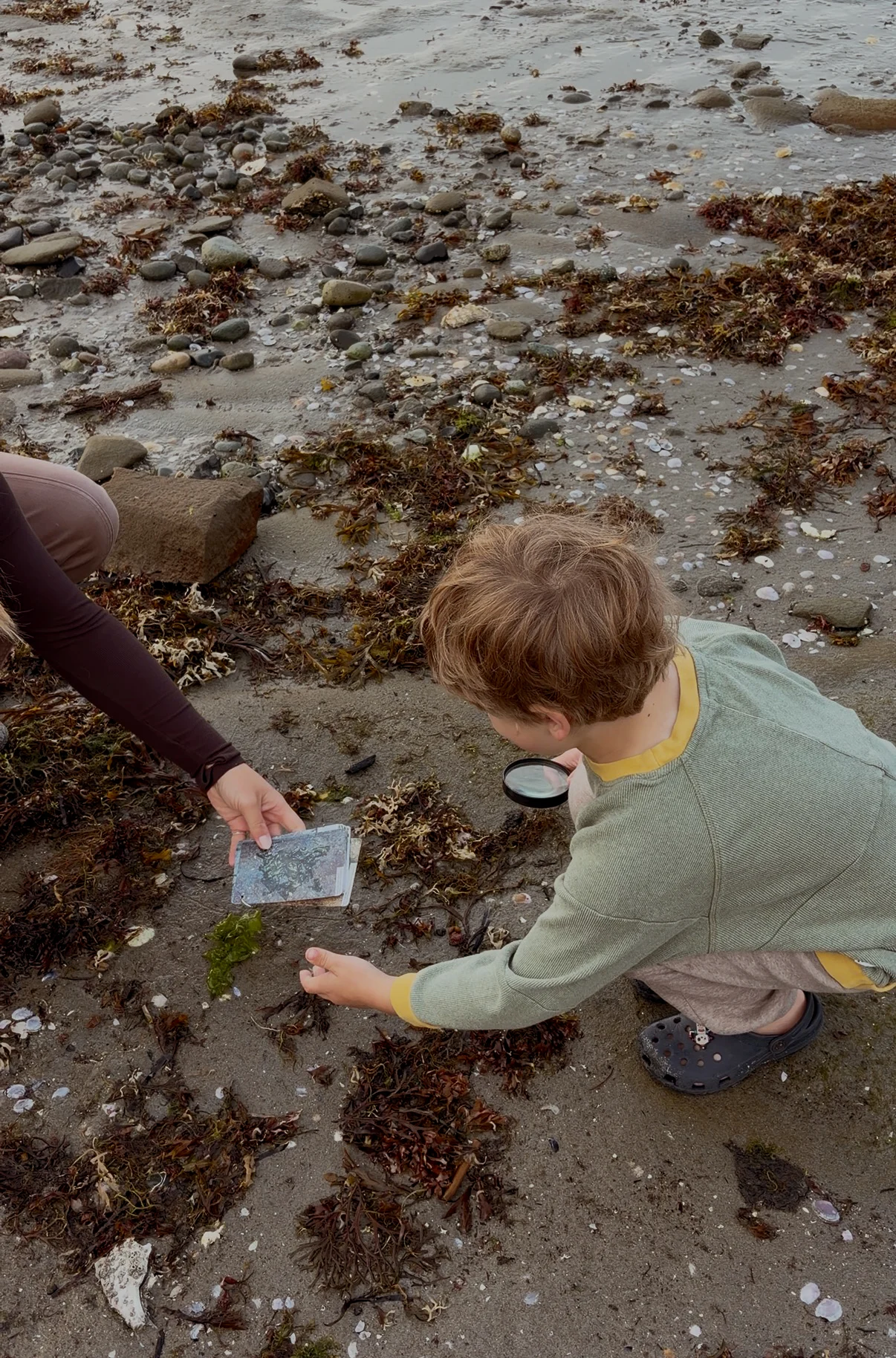
"Everything in nature is a teacher if we stop to observe," Brant shared before students ventured into the intertidal zone to participate in activities like identifying seaweed by touch and searching for marine organisms such as crabs. Grade 6 students described their excitement in learning about kelp species by name while discovering more about their local ecosystem.
Now in its second year, Seaweed School is expanding initiatives to include Grade 7 and 8 students as researchers, launching projects such as an island-wide seaweed monitoring program. This effort also includes community-focused events like the A Biodiversity of Seaweeds through Art series, which blends science, art, and education to foster marine stewardship.
Citizen Science Monitoring Coordinator Chaya Mills, who grew up on Hornby Island, explained how curiosity is at the program’s core.
"Exploration starts with basic observations. What does it look like? Feel like? Smell like?" she said, highlighting the simplicity of becoming a "tide pool detective."
DON'T MISS: Becoming Rockies Rangers: Where learning and exploration go hand-in-hand
Hornby’s intertidal zones offer critical habitats for diverse marine life, acting as ecological buffer zones that defend coastlines and serve as early indicators of ocean health. As we explored tide pools filled with barnacles, anemones, and sheltered crabs, it became clear how vital and interconnected these environments are.
(The Weather Network)
Seaweed School teaches more than just species identification—it’s about instilling respect for nature and encouraging a sense of responsibility. Through patience and observation, students are learning to tread gently and view the environment as a network of living relatives.
Hornby Island offers the reminder that by caring for a single strand of kelp, the broader health of the Salish Sea is nurtured.
Until next time, stay curious, let the tides lead your journey, and join us again on the Wildest Classroom.