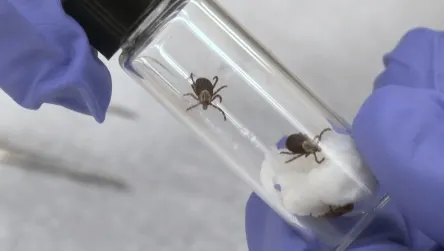
Why the U.S. tick season could be the worst in a decade
USA TODAY Network via Reuters Connect
This year's tick season could be one of the worst on record, according to federal data and experts.
The Centers for Disease Control and Prevention's (CDC) Tick Bite Data Tracker, which uses real‑time emergency room surveillance, shows weekly tick‑bite ER visits are higher than historic averages in every U.S. region except the South Central states, with the Northeast recording the highest levels so far in 2026.
During the fourth week of April, about 114 out of every 100,000 emergency department visits nationwide were for tick bites, the highest rate for this point in the year since at least 2017, the CDC said. Nationally, the agency estimates about 31 million people are bitten by ticks each year, and roughly 476,000 Americans are treated annually for Lyme disease, the most common tick‑borne illness.
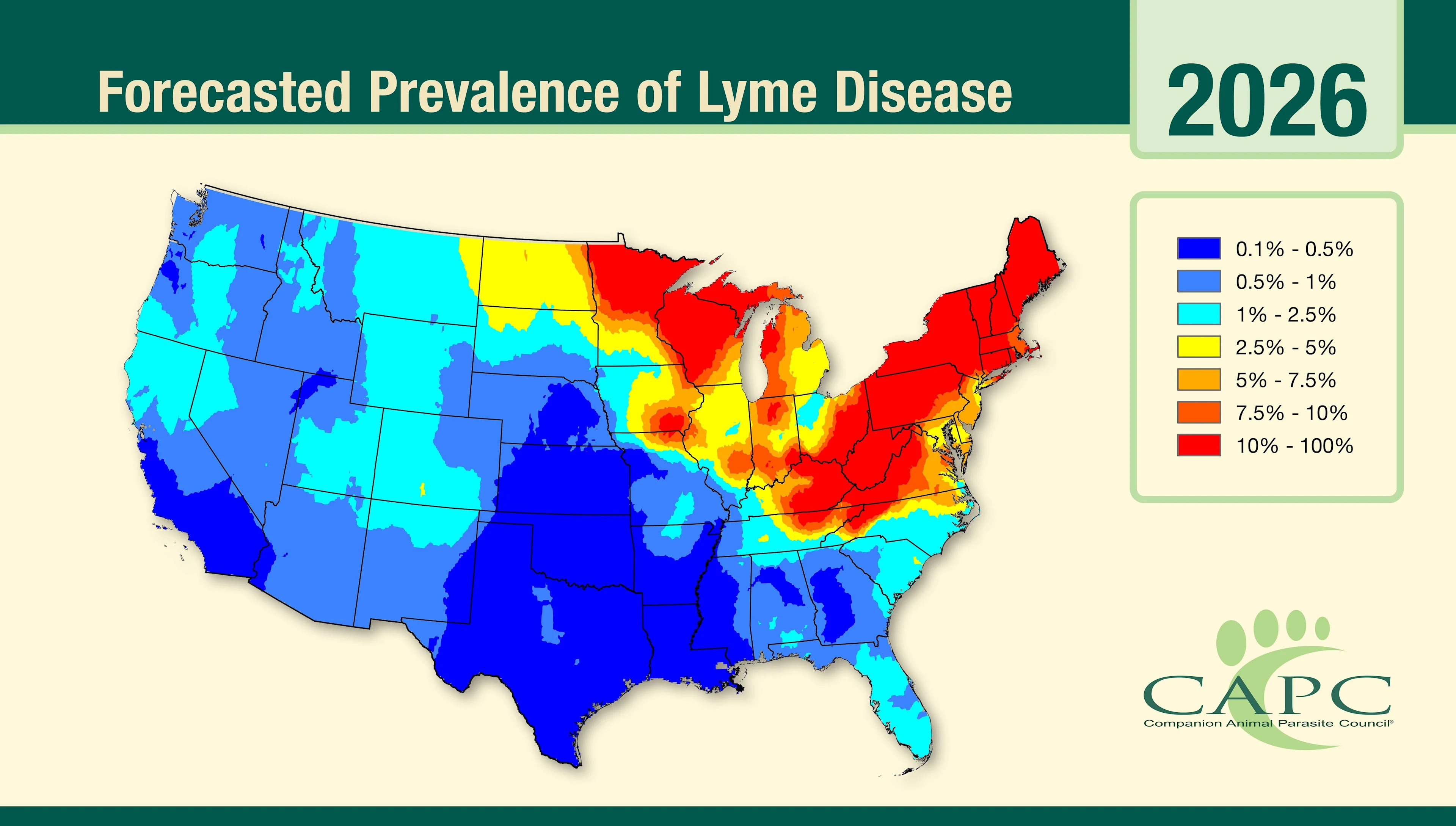
The Companion Animal Parasite Council predicts a further spread of Lyme disease among canines in 2026. (USA TODAY Network via REUTERS)
"Tick season is here and these tiny biters can make you seriously sick," Dr. Alison Hinckley, epidemiologist and Lyme disease expert with CDC’s Division of Vector-Borne Diseases, told USA TODAY. "That means ticks are out and people are getting bitten, so now is the time for people to take steps to protect themselves and their loved ones."
While the CDC only tracks ER visits related to tick bites (not tick bites or the presence of ticks overall), the increase in these visits indicates that multiple factors, including weather, normal year-to-year variation in tick survival and expansion of tick populations into new geographic areas, could result in one of the most prolific tick-bite seasons in recent memory. However, we won’t know how this year overall will compare to other years until the season is over, said Hinckley.
Here's everything to know about why the 2026 tick season is looking especially bad.
Is tick season coming earlier?
Tick season was once relegated to warmer summer months. That's no longer the case, according to Dr. Jim Fredericks, chief entomologist with the National Pest Management Association.
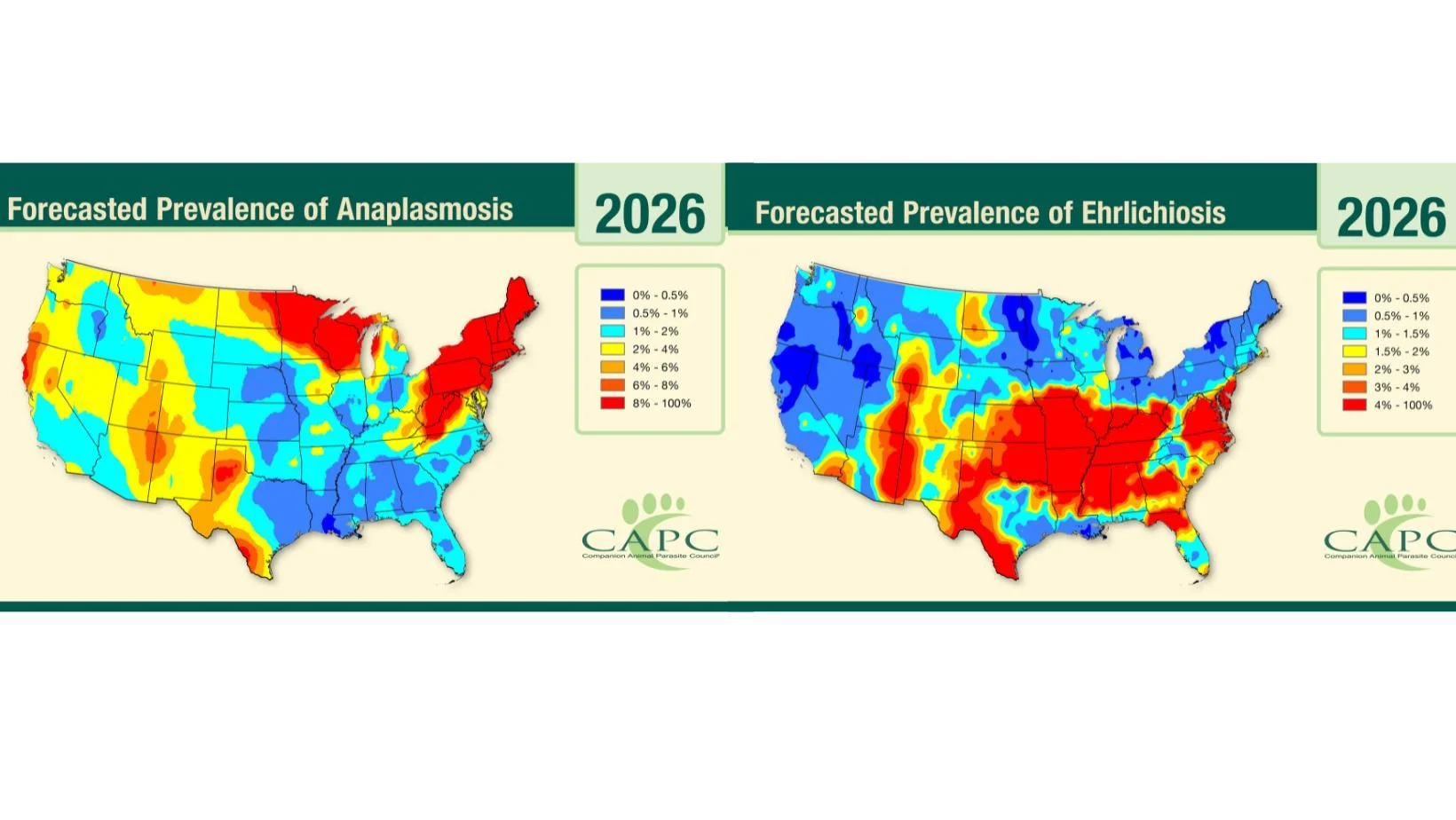
The Companion Animal Parasite Council forecast map predicts the spread of tick-borne disease in canines with up to 94% accuracy, according to previous models. (USA TODAY Network via REUTERS)
"As we see this trend over time of these milder winters and kind of shorter shoulder seasons - this spring, it feels like it just goes from winter to summer," he said. "This allows for a greater proportion of tick populations to survive the winter, even in places where there has been snow cover."
Warmer weather arriving earlier and lasting longer, paired with relatively balmy winter temperatures, has enabled pests to proliferate almost year-round in some areas. And that layer of snow you might expect to kill them off? It serves as more of a cozy blanket.
"Ticks actually do better when there's more snow rather than less snow because a snowpack is insulating for them," added Dr. Kathryn Reif, Bailey-Goodwin endowed associate professor of parasitology at the College of Veterinary Medicine at Auburn University. "They're kind of down in that dead layer of plant material where they're all snuggly warm."
Why is tick season so bad this year?
Beyond a relatively mild winter nationwide and the snow blanket effect, there is also what experts call the "acorn effect."

(Connor O'Donovan/The Weather Network)
Wildlife that often carry ticks, such as deer, mice and squirrels, feed on acorns as they fall from oak trees primarily during the autumn months. Oak trees do not produce the same crop of nuts every year; however, the number of dropped acorns is based on an irregular cycle. A year of heavy acorn production is called a "mast year" or "mast season," and the United States has seen a few notably large ones in recent years, said Fredericks.
When more small mammals can eat from a plentiful food source and reproduce, more ticks can use them as hosts.
"If our wildlife are healthy and have a lot of food, that can certainly make more of them, which is now more hosts for these ticks to feed on," Reif said.
And because ticks are not born with the diseases they often carry, instead obtaining them from mammals like chipmunks, mice and squirrels, more of those critters running around means not only more hosts, but more potential for disease.
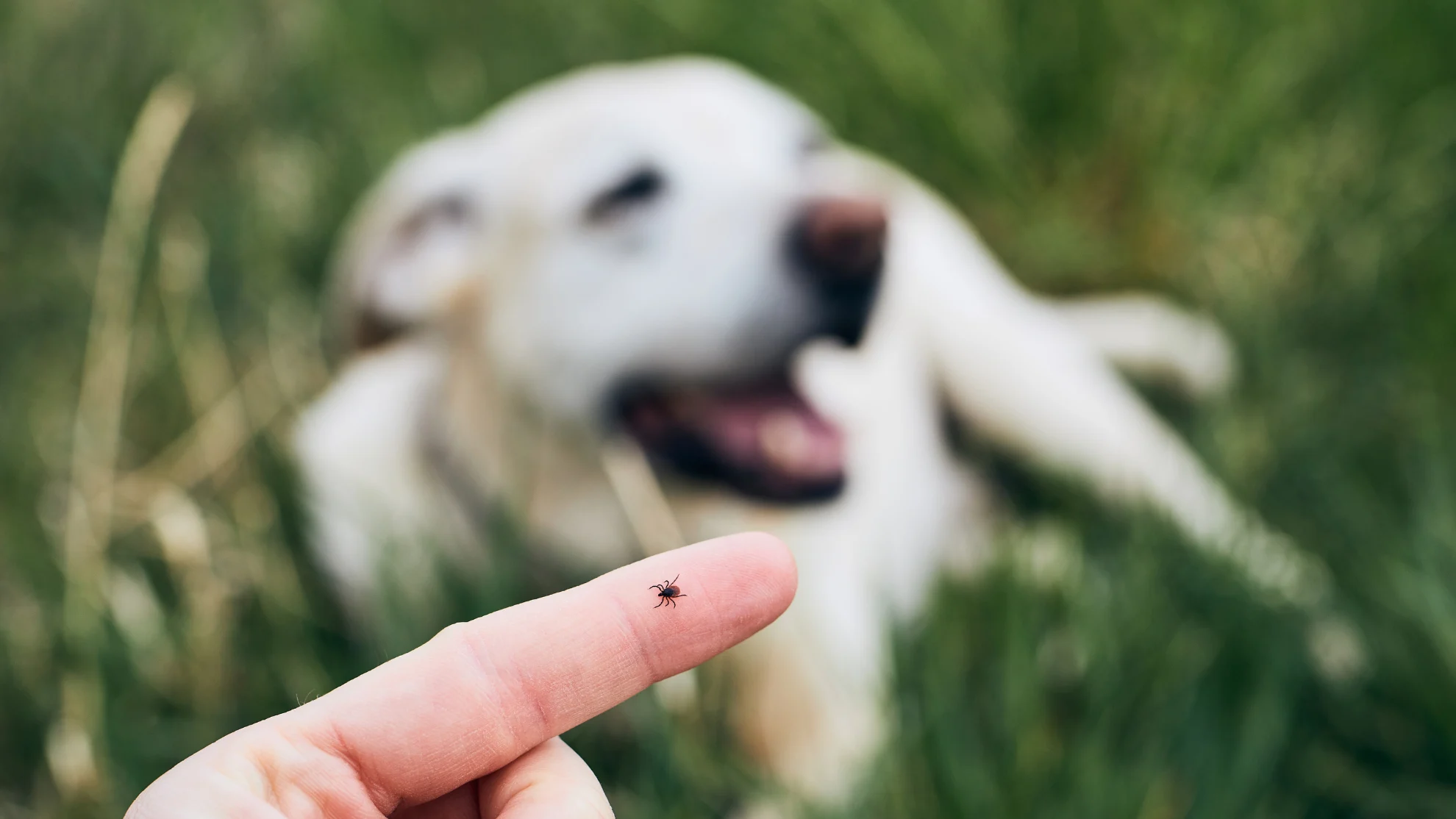
(CANVA)
Tick-borne disease on the move
Lyme disease (AKA Lyme borreliosis) is often at the forefront of the mind when it comes to tick-borne illness; however, experts have noted that the pests are carrying more disease-causing organisms further than previously recorded.
Ehrlichiosis, anaplasmosis, Rocky Mountain spotted fever, babesiosis, tularemia and tick paralysis are among other diseases of note that can spread to humans and pets.
Lyme, ehrlichiosis (disease caused by the Ehrlichia family of bacteria) and anaplasmosis (caused by Anaplasma phagocytophilum bacteria) are especially prevalent in dogs and their owners, said Reif. Their prevalence is also expected to expand in 2026, according to the Companion Animal Parasite Council, which forecasts the prevalence of certain diseases affecting dogs across the United States with more than 94% accuracy.
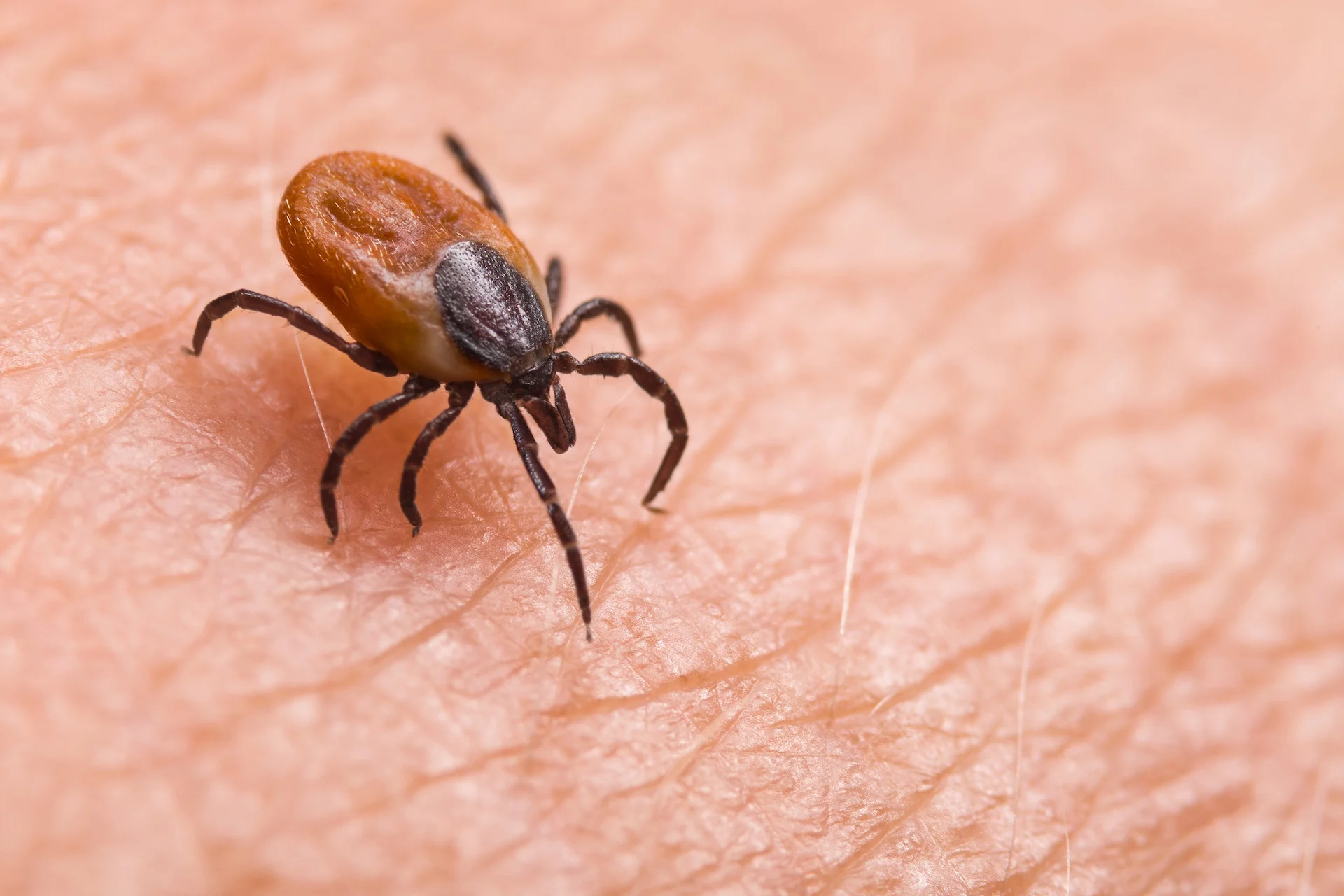
(Getty Images-1162834740)
The latter two illnesses generally cause flu-like symptoms in the early stages; however, if untreated, they can lead to respiratory and organ failure, excessive bleeding, damage to the central nervous system and death, according to the CDC. Lyme is more complex and varied and can cause symptoms ranging from fever and rash to facial paralysis, an irregular heartbeat and even arthritis.
"We have the traditional hot spots where these tick-borne diseases are most common. And as years go on, these zones never really contract. They only continue to expand," Reif said. "These are definitely diseases on the move."
How to keep safe from tick bites
As a general rule, prevention is key when it comes to ticks.
If you own property, you should consult an expert on tick-proofing the space, which may entail putting up barriers between the lawn and more wildlife-accessible areas, keeping grass short and applying repellents, said Fredericks.
If you have pets, said Reif, speak to your veterinarian about flea and tick prevention, screening and Lyme disease vaccination.
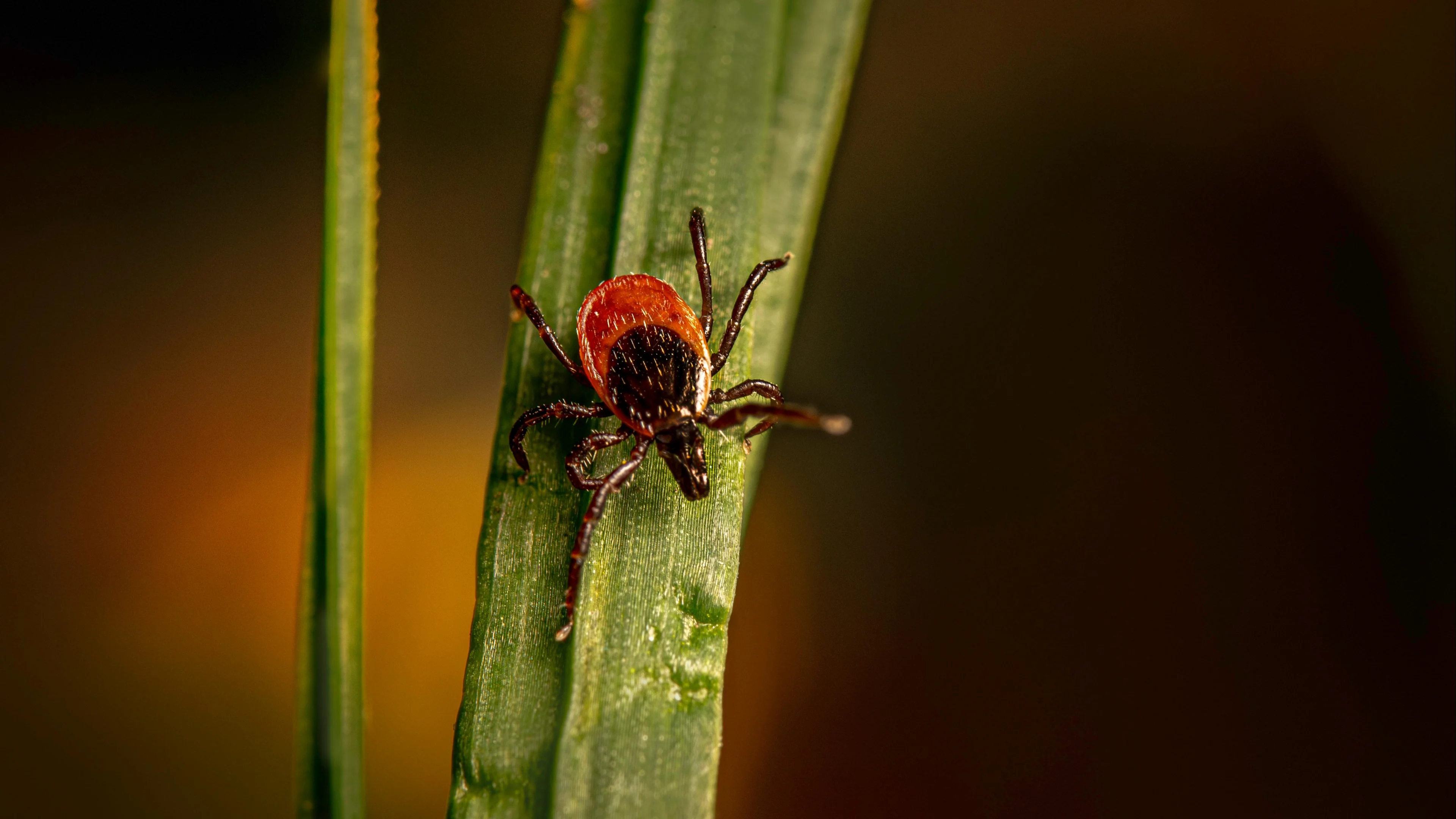
(Erik Karits/Pexels)
If you spend time outside, you should:
Wear repellent.
Cover exposed skin with clothing and proper footwear.
Remove clothing and do a tick check as soon as you return home.
You should also check your body for ticks after coming inside.
While ticks can attach to any exposed skin, they are often found nestled in warmer, more hidden areas of the body. The CDC suggests paying extra attention to the following areas when checking for ticks:
In and around the hair
Around and in the ears
The back
Underams
Waistline
Belly button
Between the legs and in the groin area
Belly button
Legs and behind the knees
Behind or between the toes
For more complete advice, check out USA TODAY's guide to protecting yourself, your pets and your home.
This article originally appeared on USA TODAY: Why this tick season could be the worst in a decade.
Reporting by Mary Walrath-Holdridge, USA TODAY / USA TODAY
USA TODAY Network via Reuters Connect