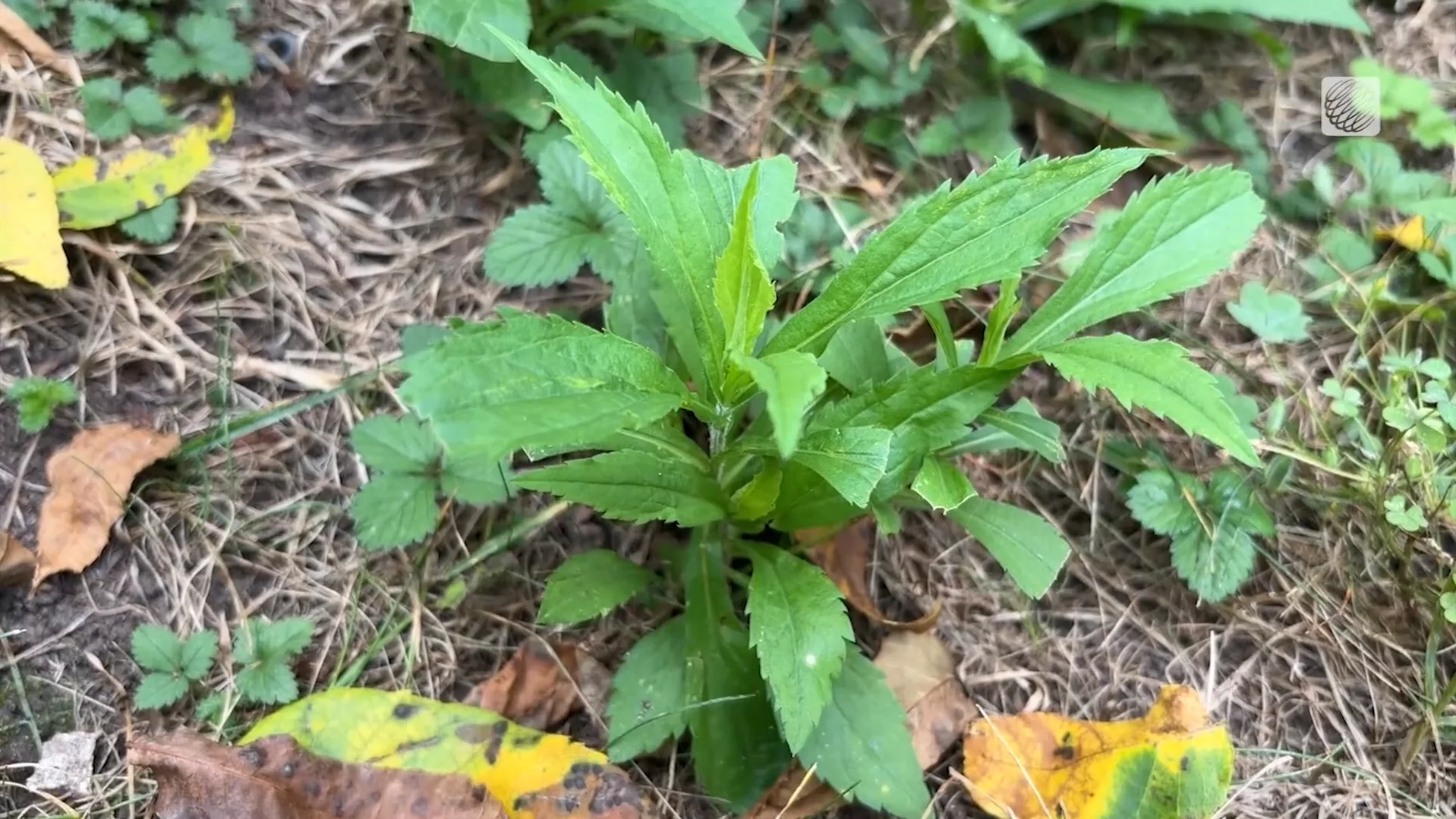
‘Weed, seed and soak’ how these three things help prepare your lawn for winter

By taking the time to prepare your lawn for fall and winter, spring may bring a field of green
As summer comes to a close, you may feel like it's time to hang up your hose for the year.
But that would be wrong; preparing for the colder seasons could give your lawn a better start when spring rolls around.
Even when it gets cold, your lawn is still actively growing, says Nathan Tobias, Operations Manager at Yard Dawgs. “It's actually probably one of the bigger growing seasons,” he told The Weather Network.
READ MORE: Wasps hovering over you and your food? Burn this to keep them at bay
So as you get ready for a season of leaf raking and pumpkins, how should you care for your lawn?
Weed, seed and soak are all you need to remember to help your lawn settle into a temperature drop.
Having trouble with a particular group of weeds that have made a home in your lawn? Fall is the perfect time to take them out since “weeds and everything within your lawn are taking the sugars to prepare for winter, so they are pulling it down into the root system”.
That also means weeds will take in more herbicide “and take it directly into the root system, providing a much more effective kill,” Tobis says.
Next is seeding, since seeding your lawn during October and November will give it the benefits of the freeze-thaw cycle.
ANIMALS: The invasive spotted lanternfly has been officially detected in Canada
The seed will stay dormant throughout the colder season, giving it an advantage going into spring, “where it can work its way into the soil through freeze-thaw” since, as Tobias says, it gives “direct seed-to-soil contact”
Now let’s talk about soak. Ever wonder why, going into spring, lawns come back gray and strawy? It’s because the lawn is thirsty and did not get enough water.
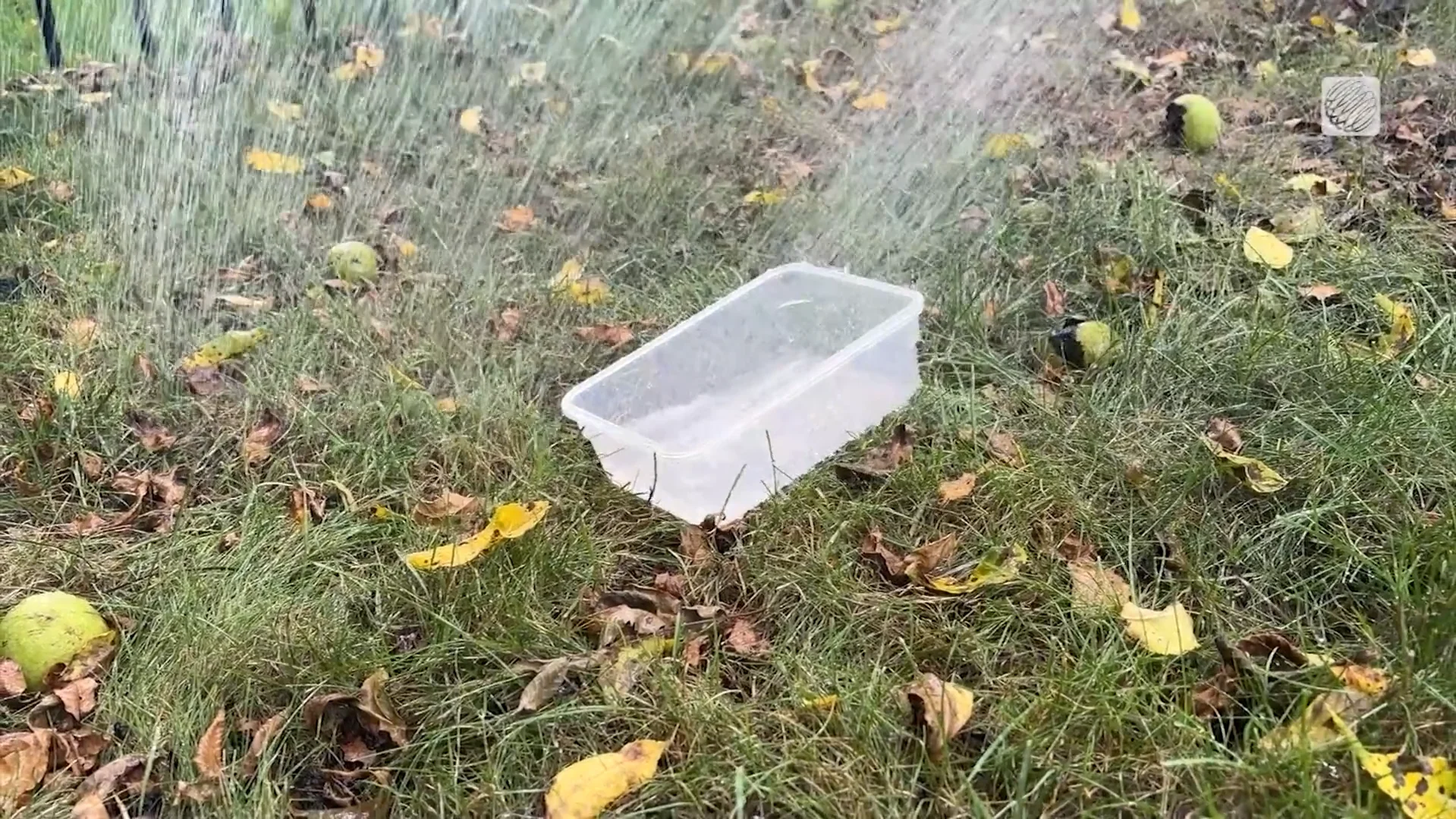
The fix is simple, Tobias notes: “-put a little plastic tupperware or a frisbee on your lawn, put out your sprinkler or garden hose while you are watering, you will want to get at least an inch of water into that.”
Yard Dawg recommends cutting your lawn down to 2 to 3 inches before it freezes. This tip helps to prevent mildew and snow mould.
Article copy written by Terrell W. Lamb