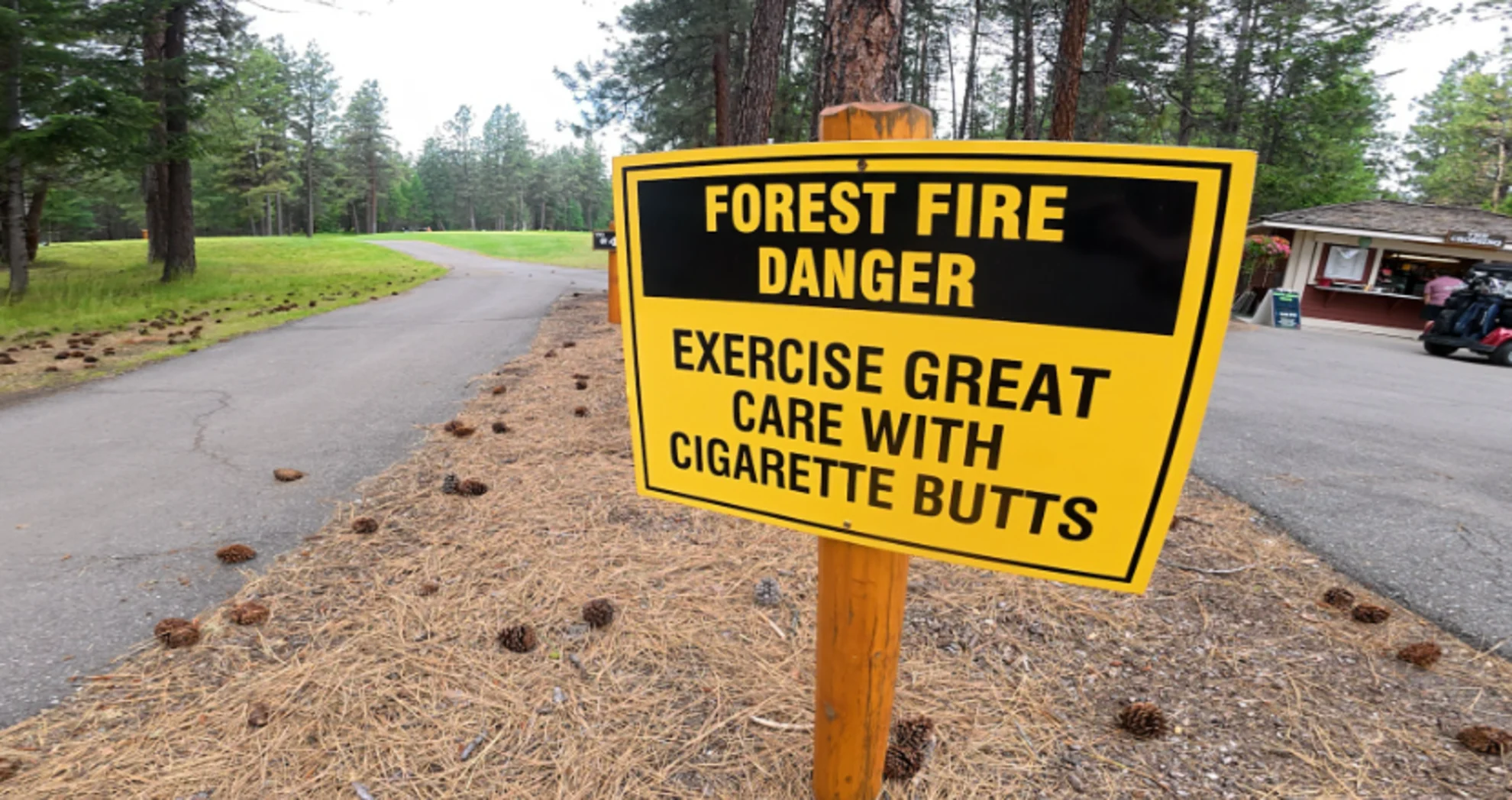
Traditional Indigenous knowledge is helping protect this important B.C. resort

The Aq’am band of the Ktunaxa First Nation recently led a controlled burn in southeast BC, revitalizing a practice used for millenia. Embodying the principles of truth and reconciliation, the burn helped save a Cranbrook-area airport and the surrounding community when a wildfire erupted later that year.
It was Ktunaxa elder Mary Paul who said, “since it was within the St. Eugene Mission School that the culture of the Kootenay Indian was taken away, it should be within the building it is returned.”
The words of the revered Ktunaxa First Nation member, who passed away in 1991, have been honoured in many ways since she spoke them back in 1984.
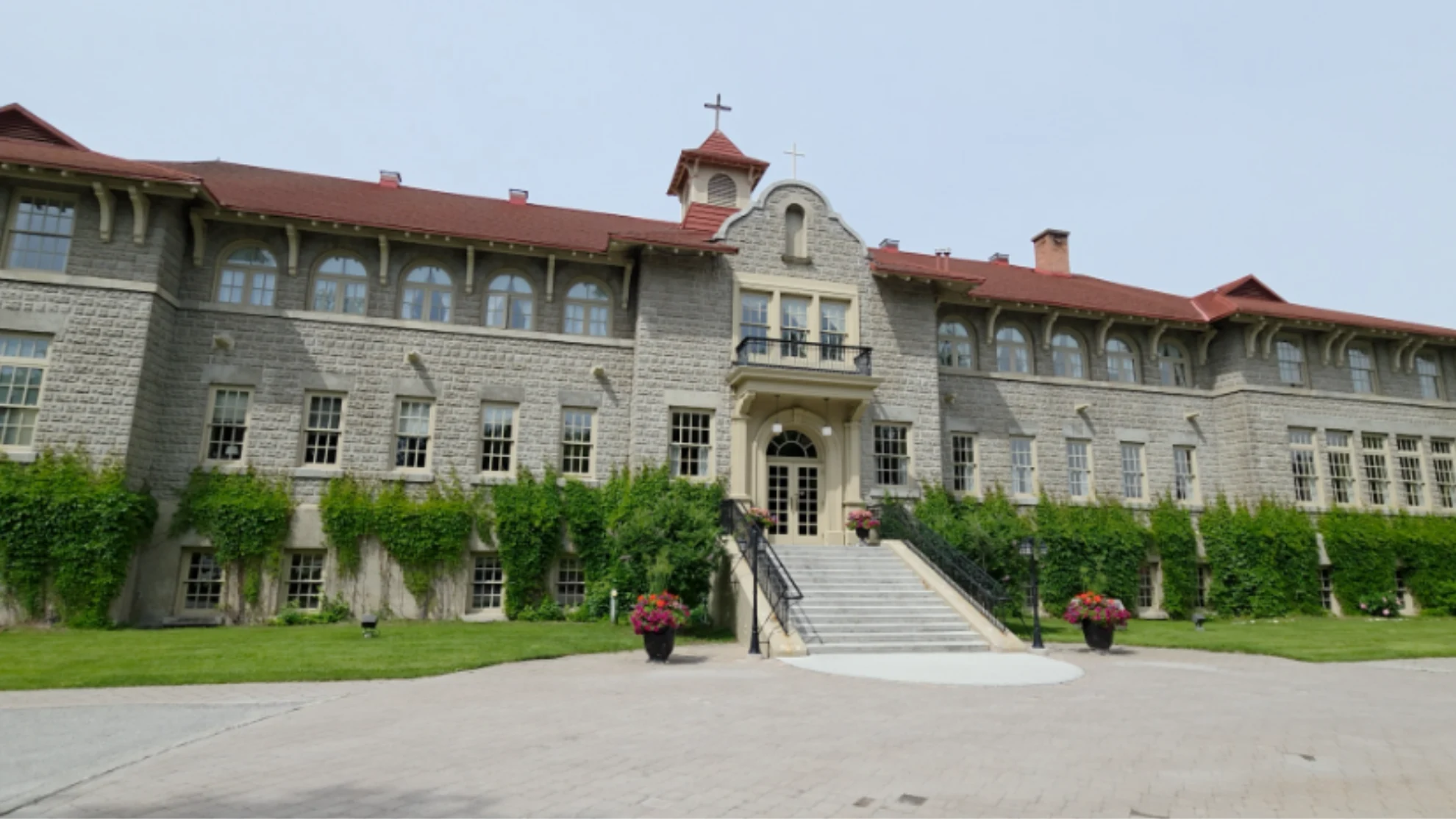
After operating as a residential school between 1912 and 1970, the St. Eugene mission building was transformed into a luxurious hotel by the Ktunaxa First Nation. Visitors to the southeast BC resort can golf, play at the casino, and learn about the history of the Ktunaxa First Nation at its interpretive centre. (Connor O'Donovan)
A place to learn about history
The iconic St. Eugene mission building, which housed a residential school for nearly 70 years between 1912 and 1970, has been transformed into a beautiful hotel and museum.
Inside, visitors can learn Ktunaxa history at its interpretive centre, or read about the nation’s influential figures, events, and unique cultural isolate language through the curated exhibits in its halls.
They can also play golf at the resort’s Les Furber-designed course, or roll the dice at the Casino of the Rockies, both of which were developed to bring prosperity to a nation that had lost the benefits of its land despite never surrendering its roughly 70,000 km2 of traditional territory through treaties.
In more recent years, though, Paul’s philosophy has helped rekindle ancient land stewardship practices.
In doing so, it’s already effectively protected the local community from wildfire.
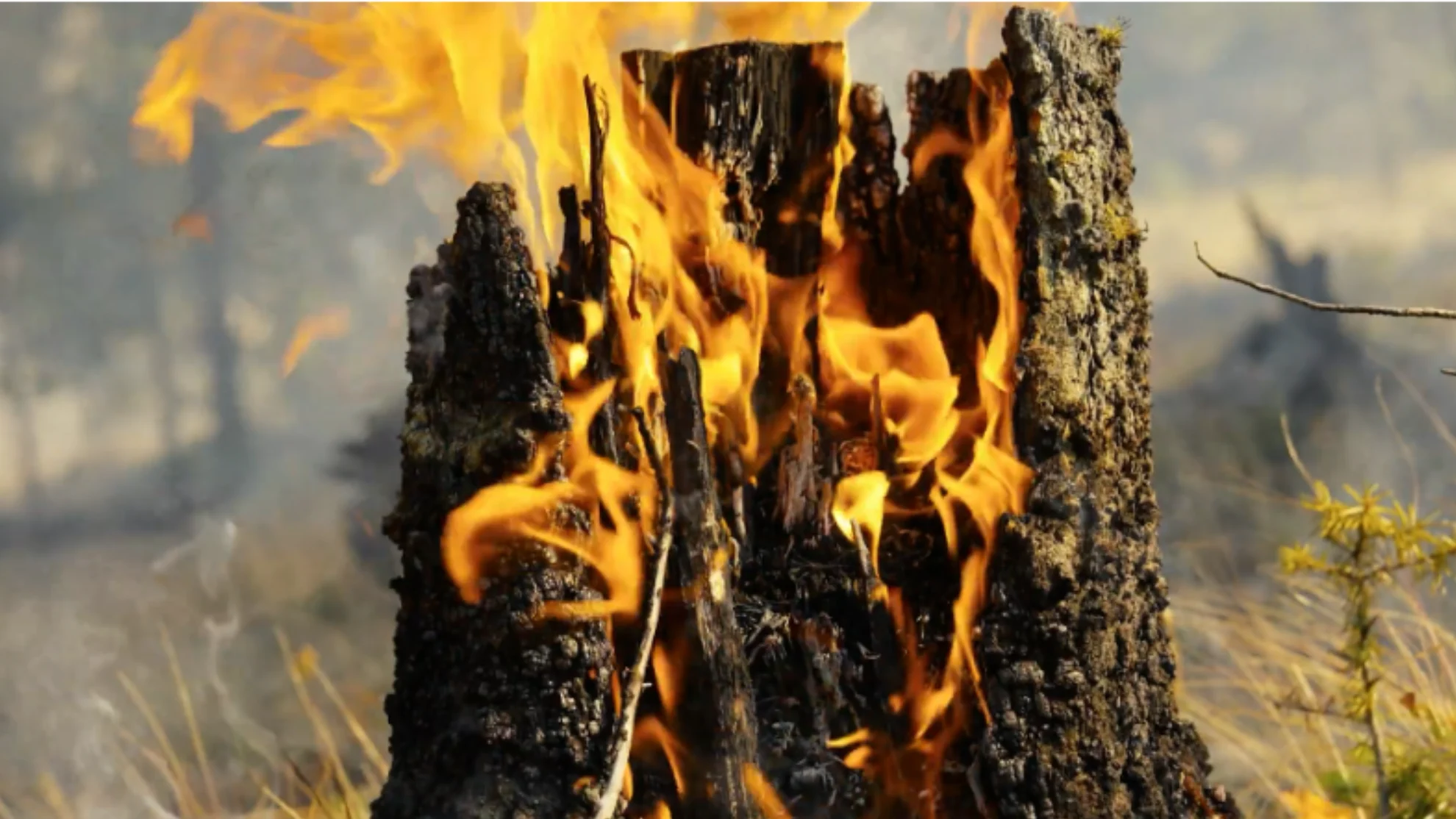
After years of planning, a large controlled burn was conducted north of Canbrook by the Aq’am band of the Ktunaxa First Nation and the BC Wildfire Service in 2013. The burn is credited for saving the Rocky Mountain International Airport and protecting the St. Eugene Resort. (BC Wildfire Service)
Controlled burns a centuries-old practice
Ktunaxa oral history tells stories of how nation members conducted controlled burns for thousands of years, to reduce wildfire risk, clear pathways for travel, encourage regrowth of important plants and to benefit hunting.
Early settlers noticed Indigenous-led burning practices too.
While working near Kamloops in 1894, for example, Geological Survey of Canada member James McEvoy commented that “they do not set out the fires carelessly, but purposely, with the object of making hunting easier and better.
“After strips of forest are burned down, the burned country in a year or two becomes covered with a growth of grass, and the large game leave the thick forests and congregate about the grass meadows, where a greater quantity of food can be obtained. The Indians thus find it easier to get the game,” he continued, though it’s important to note he wrote these words in the context of blaming First Nations for depleting lumber resources.
But when the influence of settlers grew, the practice was discouraged, and eventually prohibited by law when the Bush Fire Act of 1874 was passed in B.C.
In recent years, though, this culture of burning has made a comeback.
In 2023, The Aq’am band of the Ktunaxa partnered with local consultants and the BC Wildfire Service to complete a large, 1200-hectare prescribed burn on land just north of the St. Eugene Resort.
After several years of careful planning, the burn effectively removed dead and decaying vegetation from the forest floor, clearing the ground of years worth of wildfire fuel and clearing the way for diverse vegetation growth.
The exercise proved immediately beneficial when the St. Mary’s River Fire erupted just east of the prescribed burn area that same year.
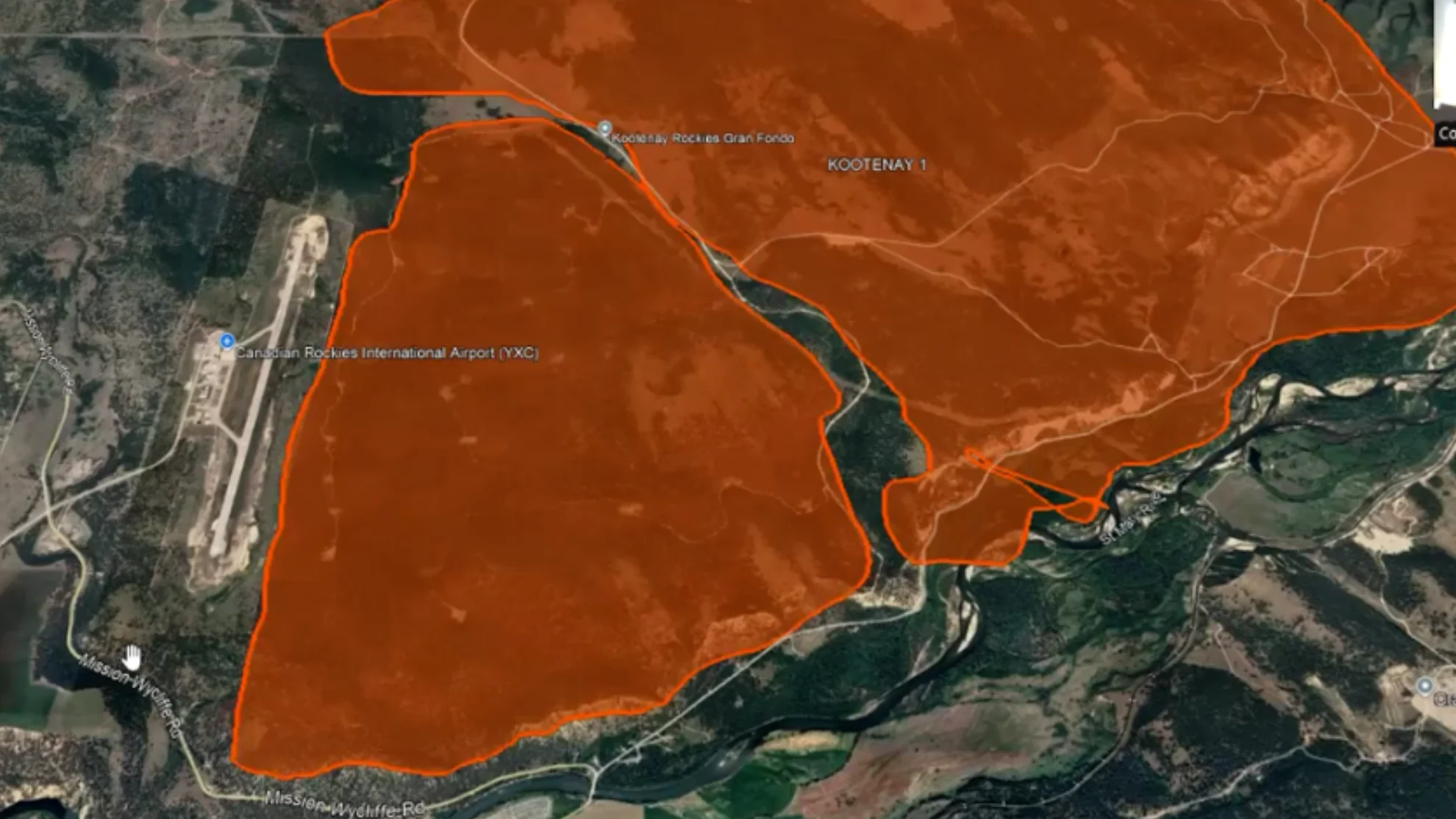
The area of the prescribed fire can be seen on the left of this map, with the wildfire-burned area outlined on the right. (BC Wildfire Service)
The wildfire did end up destroying several homes and community infrastructure, and left dozens on an evacuation order for weeks. But BC Wildfire Service officials are confident the prescribed burn offered significant protection to the community, particularly to the Canadian Rockies International Airport.
“Yeah, 100 per cent, that prescribed burn helped with suppression efficacy and helped protect the airport from the wildfire,” says BC Wildfire Service prevention officer Daniel Klein, who was involved with the prescribed fire. “And not just the airport, but, you know, there's communities and private properties adjacent to the airport. If the fire had gotten past the airport, then you're into more communities there.”
Klein says the wildfire that burnt into the prescribed burn area became a smoldering ground fire instead of ripping through the tree canopy. He adds that the BC Wildfire Service was able to concentrate resources to higher intensity fire areas as the prescribed burn region acted as a firefighting flank of its own.
The wildfire, which is believed to have been started by high winds and downed power lines, started July 17, 2023. It was declared under control in mid-August, and “out” October 1.
“If we weren't able to allocate all those resources to the north end of the fire, who knows whether we would have stopped it where we did,” says Klein.
While the wildfire was being pushed east and north by prevailing winds, Klein adds the resort was protected as well.
“There could have been another circumstance where this fire started a little bit more to the north, under prevailing north winds with a bunch of fuel for it to consume, in which case fire would be coming to the south,” he says.
“We might have had more potential for spotting over the St. Mary’s River and damage to the infrastructure of St. Eugene's and the properties there.”
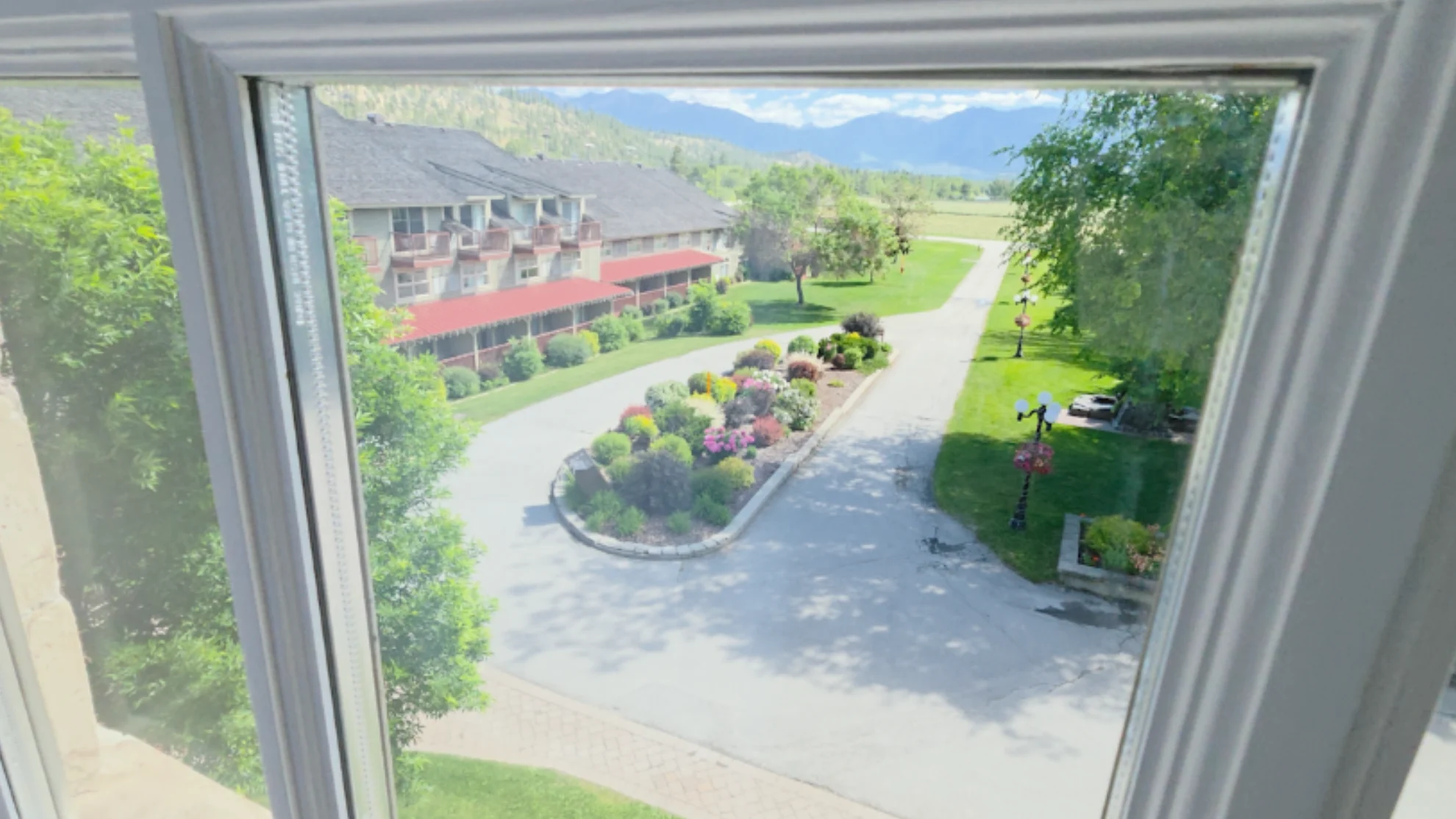
The view from one of the hotel rooms in the St. Eugene mission building. Some of the rooms were built in the original living quarters area where residential school students stayed. (Connor O'Donovan)
Long term benefits
The benefits come as no surprise to the Ktunaxa living on the land today.
“It's something that's been been part of part of what is allowed us to survive on the land for the millennia that we've been here,” explains Ktunaxa Nation Council Chair Kathryn Teneese.
“I think that is what our discussions with our neighbours and the related ministries are coming around to - that had we been doing this for a lot longer than we have, perhaps we wouldn't be in the situation that we're in in terms of the propensity for wildfire.”
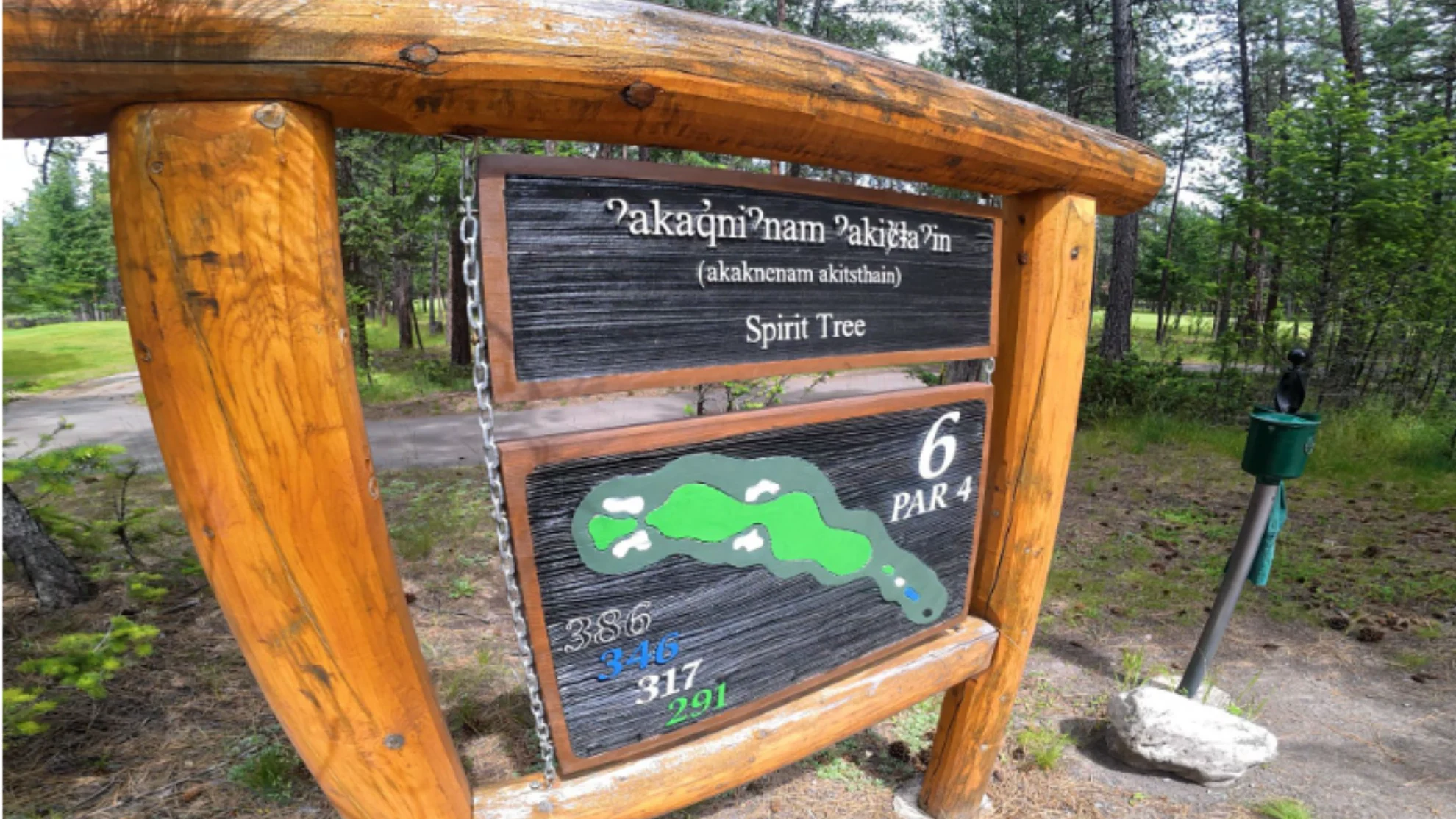
Each hole at the St. Eugene golf course bears a Ktunaxa name, telling stories about the nation while promoting its language isolate, which doesn’t belong to any language family. (Connor O'Donovan)
Researchers have long noted that the cessation of Indigenous burning, combined with years of fire suppression efforts have left a “fire deficit” in parts of Canada’s forested areas.
Studies led by the University of British Columbia’s Tree-RIng Lab, for example, found a distinct shift in fire behaviour between the pre-colonial and modern eras.
Cross-sections of trees, or “tree cookies”, in Ktunaxa territory (east Kootenays), have been analyzed to give a centuries-long history of fire frequency in the region between 1540 and 1940. This study found that prior to 1940, tree cookies showed fire scars somewhere in the region every three years on average. After 1940, the 2005 study found evidence of just six fire years.
Furthermore, the analysis found that within individual tree stands, “low-intensity” fires cleaned out the understory every 40 years on average, with evidence suggesting these fires often occurred during early spring or late fall — when lightning would be a very unlikely cause.
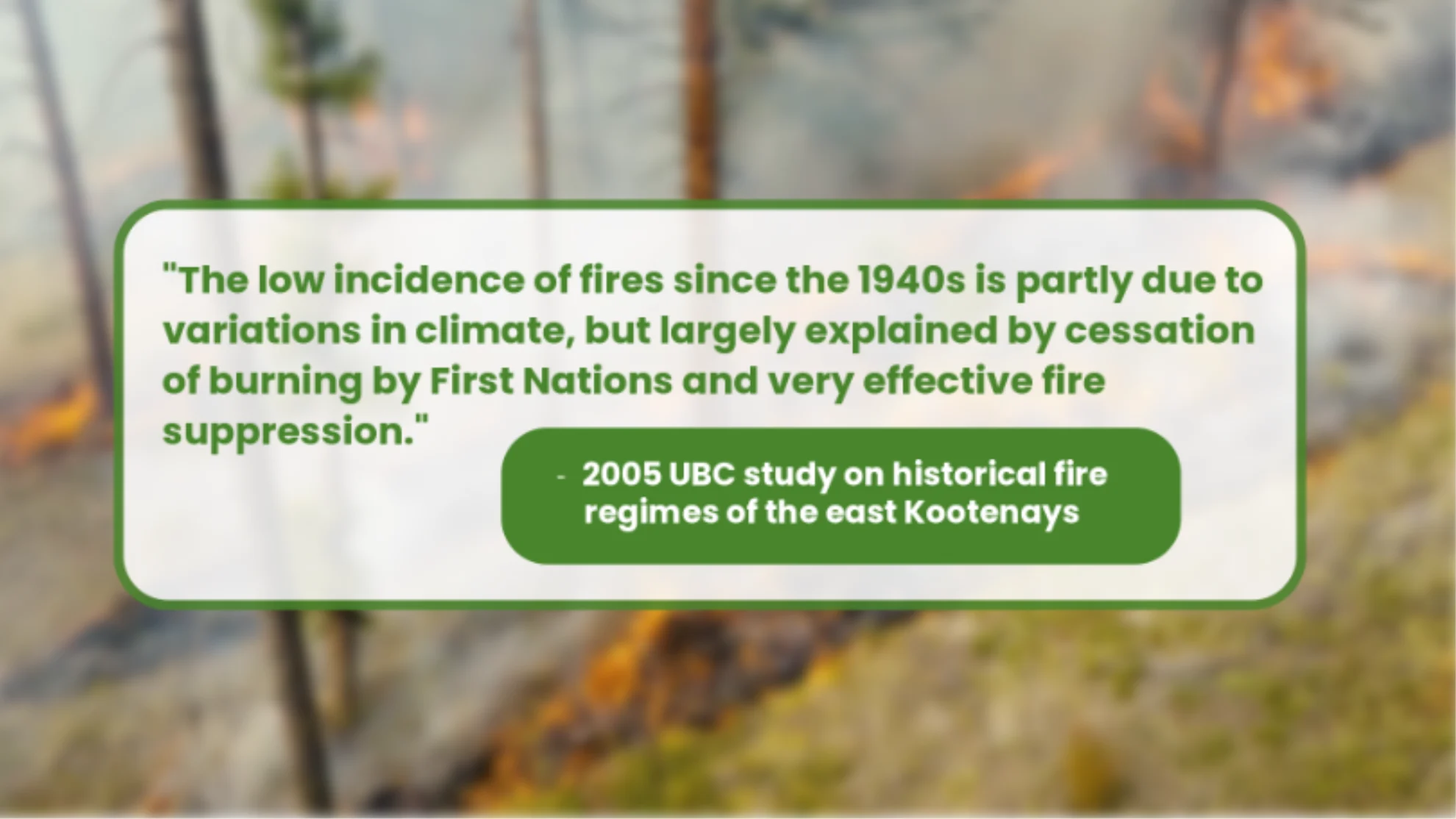
(UBC)
The Ktunaxa have planned and conducted other prescribed burns since the one conducted in 2023, and in 2024 th Aq’m band co-hosted a prescribed fire training event with the BC Wildfire Service with a goal of enabling more communities in BC to use fire as a land stewardship tool.
“We’re more than happy to encourage and support whoever wants to move forward with making sure we’re leaving a legacy for future generations,” says Teneese.
“You have to look at the totality of the picture, at all living things, and figure out how we can allow all of them to survive in a way that's healthy and sustainable.”
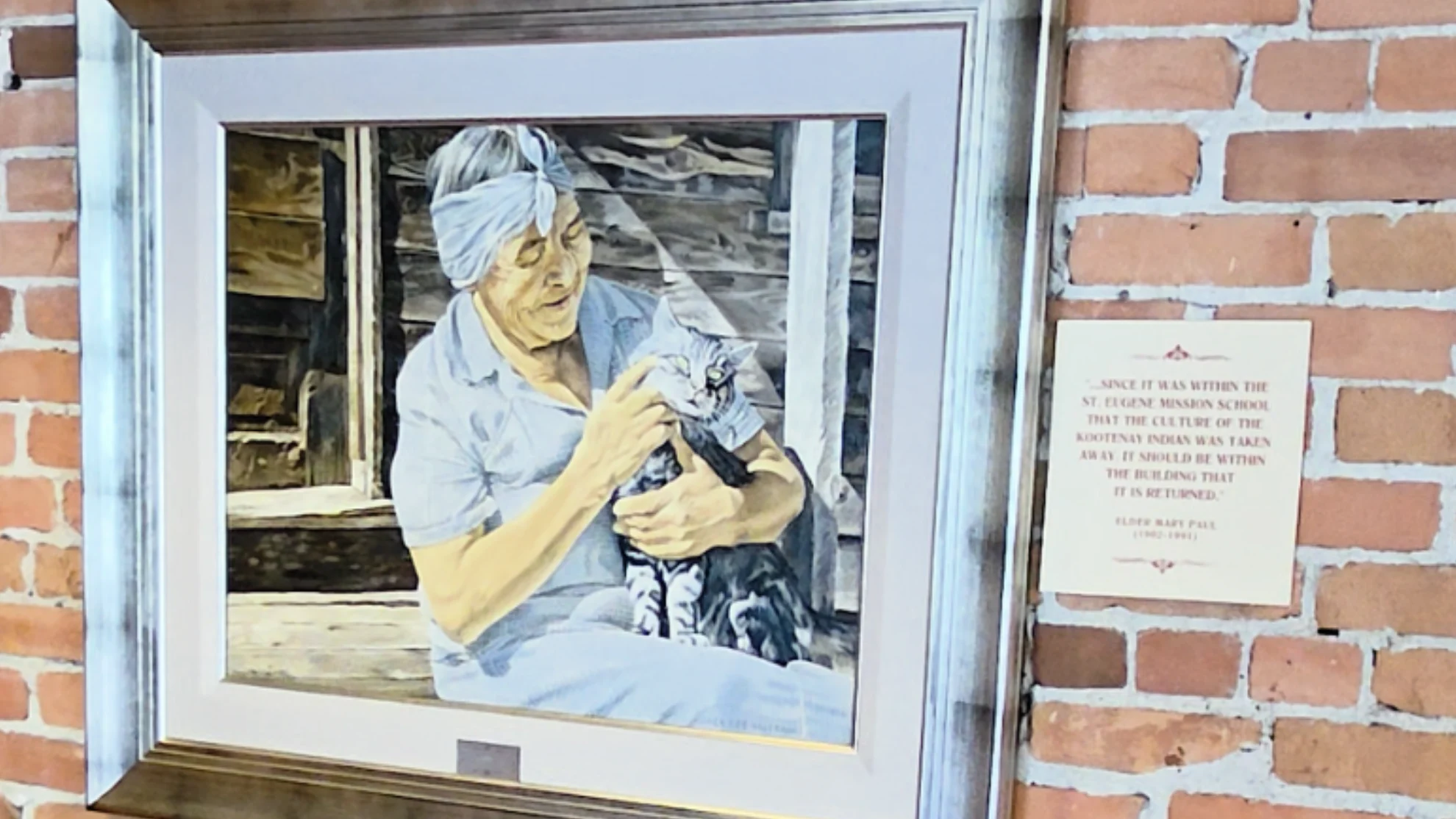
A portrait of Ktunaxa Elder Mary Paul hangs near the front entrance of the mission building at the St. Eugene Resort and Casino. (Connor O'Donovan)
Header image: Wildfire risk is perpetually high on the grounds of the St. Eugene Resort and Casino, which is home to frequent high wind events and a dry climate thanks to the rain shadow effect of several mountain ranges to the west. (Connor O'Donovan)