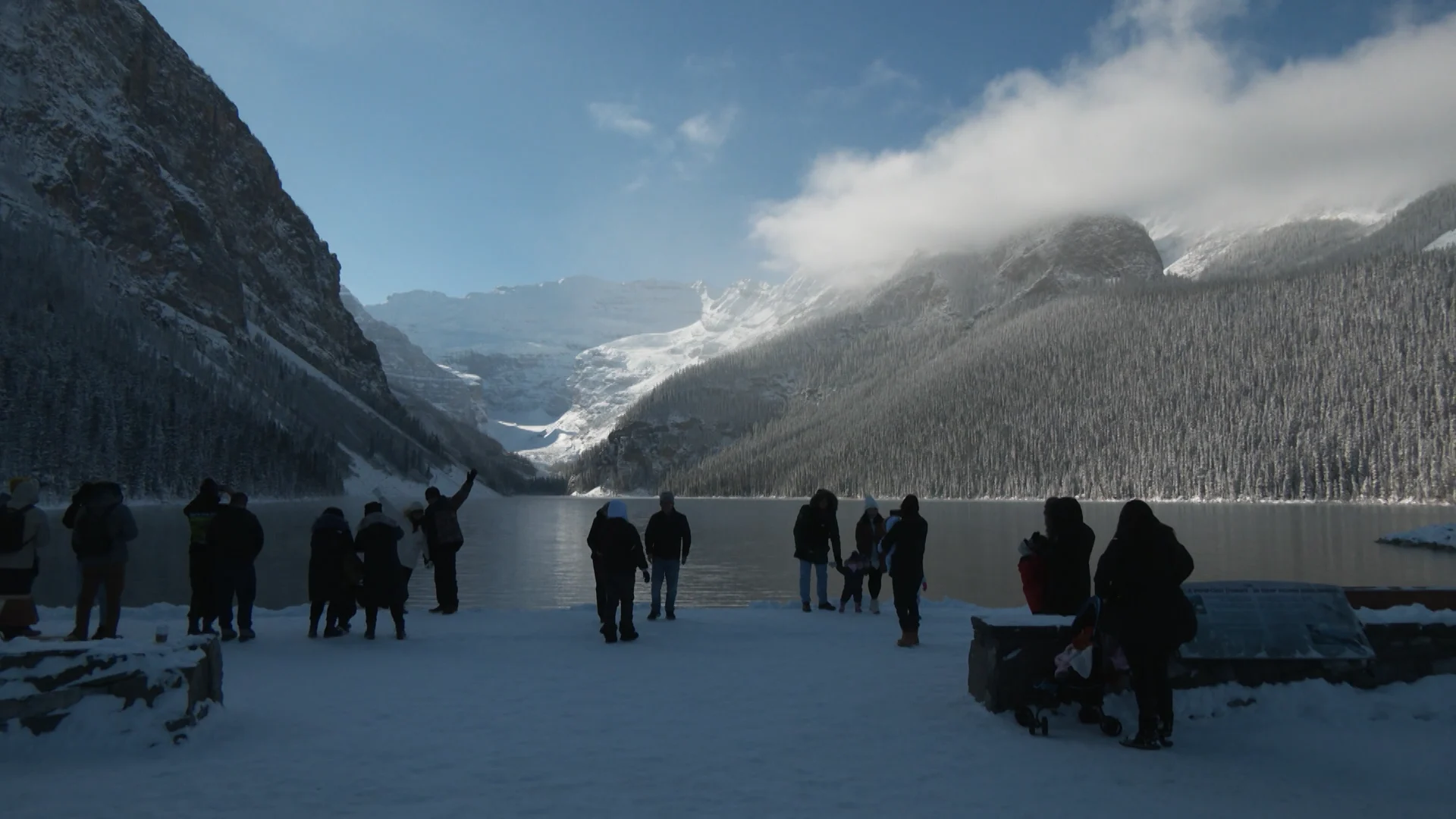
Man drowns after falling through Lake Louise ice: RCMP

A 70-year-old Banff man died after falling through the ice while skating alone on Lake Louise, despite rescue and resuscitation efforts by emergency responders.
A 70-year-old Banff man has died after falling through the ice while skating on Lake Louise Tuesday, RCMP confirmed.
They say that at around 6:15 p.m. Tuesday, emergency services received a 911 call reporting an emergency near the back of Lake Louise.
An investigation determined the man had been skating alone when he fell through. He was located under the ice at around 8:10 p.m. He was rescued from the water, and resuscitation efforts began as the Banff resident was brought to Banff Mineral Springs Hospital. Sadly, he was pronounced dead at the hospital.
The Lake Louise Fire Department, Lake Louise RCMP, Parks Canada’s Visitor Safety Team and EMS responded.
The tragedy came just a day after two other skaters fell through the ice while skating on the iconic lake.
DON'T MISS: Alberta faces a mild winter marked by sharp Arctic interruptions
While those skaters were able to self-rescue, the incident prompted a warning from Parks Canada on the dangers of wild ice skating.
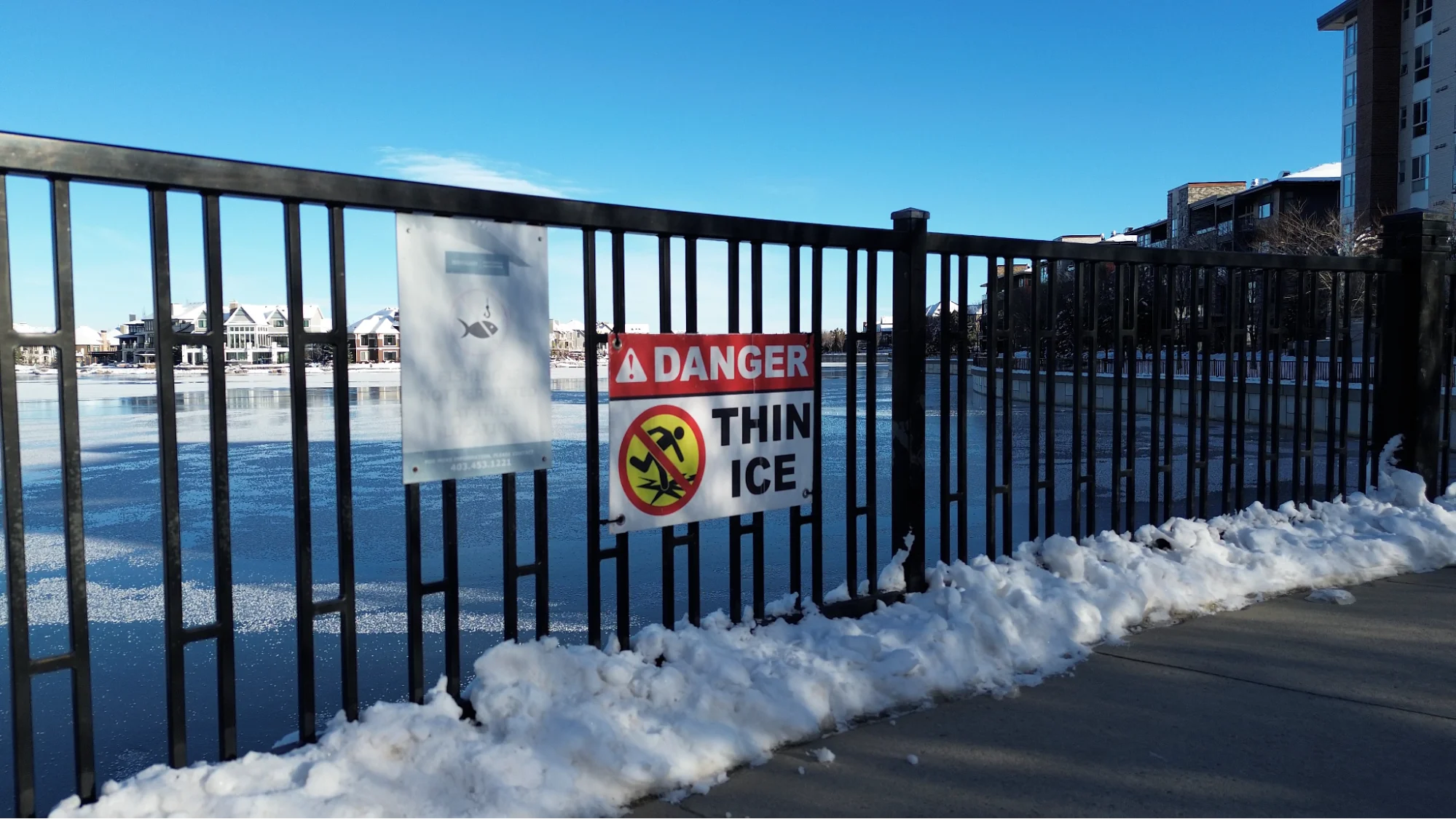
Connor O’Donovan | Experts are warning that extra caution will be needed on ice this season with an El Niño-influenced winter expected to bring warmer than normal temperatures to much of Canada
"Think twice," Banff National Park said in a social media post Tuesday, cautioning that Parks Canada doesn’t monitor ice conditions at Lake Louise or on any other Rocky Mountain lake.
"Visitors must be able to self-rescue should they fall in the water. If you choose to skate on natural ice, you do so at your own risk," the post reads.
RELATED: Is it safe? How thick does ice need to be to walk or skate on?
They note that ice conditions are unpredictable, especially early in the season, and that ice should be 15-20 cm thick for safe walking or skating — though they note ice thickness can vary considerably across a single lake.
They urged that the following tips should be considered when heading out onto any ice surface:
Check local weather conditions and assess the ice carefully
Avoid areas near moving water, inlets, and outlets
Wear a personal floatation device
Bring ice picks and a rope
Bring a friend and let someone know your plans
Never assume ice is safe because someone else was on it