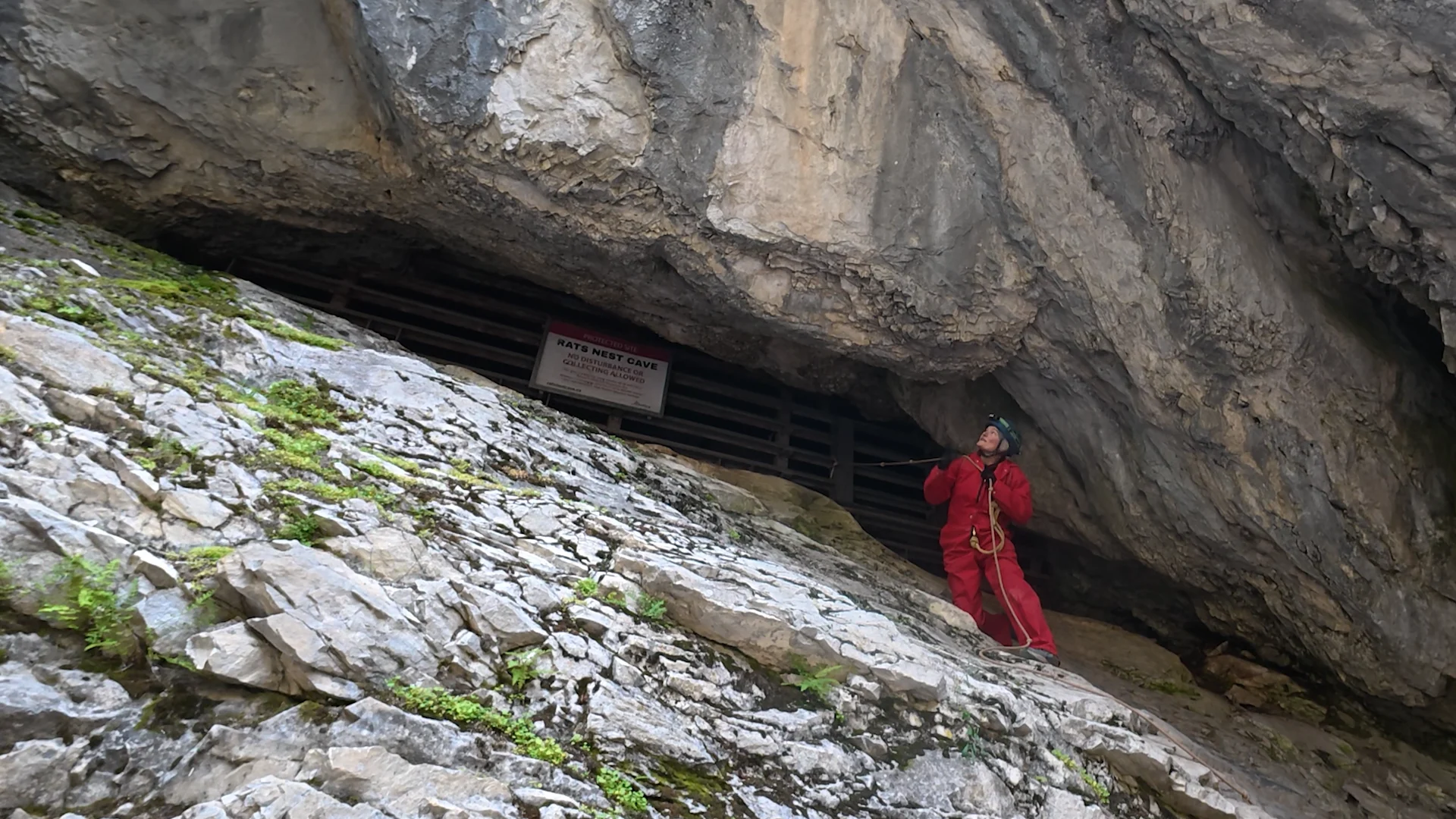
Hot, cold or smoky? Escape the elements in this 5°C underground hideaway

Thanks to the climate controlling properties of rock, the cave is a fantastic place to beat the heat, the cold, or any other element you’re looking to escape
Does the sweaty embrace of summer have you feeling a little too sticky for comfort?
Or, perhaps it’s the never-ending veil of wildfire smoke that has you looking for release from the many moods of nature.
Whatever element you need a break from, we’ve got a subterranean solution for you.
DON'T MISS: There's a hole in the ocean, and scientists have yet to find its bottom
It’s a place where the temperature never really changes, the rain (and snow) stay far away, and the smoke dissipates to distant memory.
Look up, friends - but only to warm up your neck muscles, because this climate controlled sanctuary lies deep down under the rock of Grotto Mountain near Canmore, Alberta.
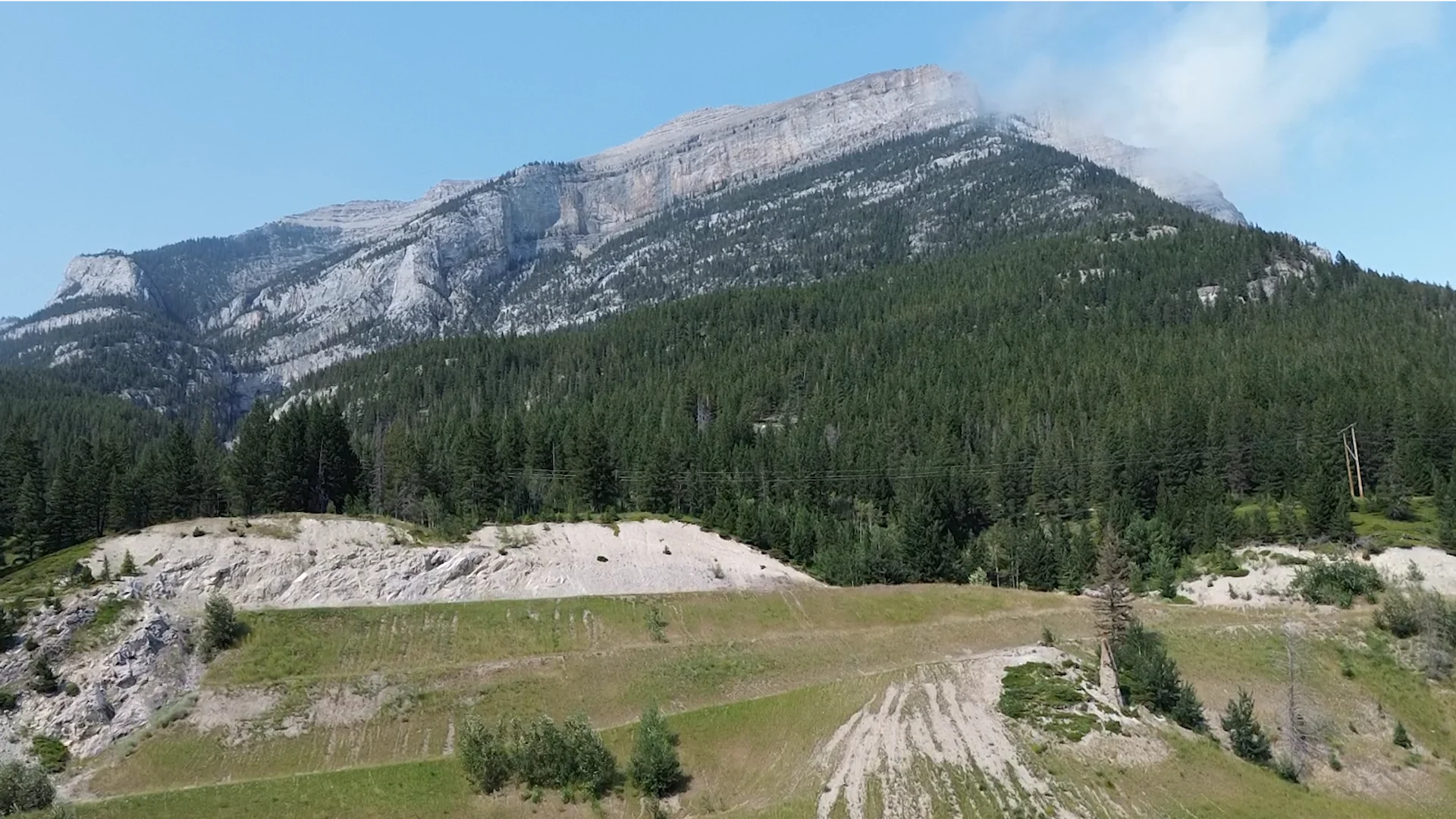
Just outside of Canmore sits Grotto Mountain. It’s a beautiful sight from the surface, but when you look a little deeper there’s much more to this mountain than meets the eye. (Connor O’Donovan)
Enter the Rat’s Nest Cave - so named for the rodentian residences found near its mouth.
Inside the roughly 4 km of underground passes that make up this cave, the temperature hovers around 5°C, regardless of the weather outside.
“Outside in the summer, it can be in the mid-20s, and we’ll be all sweaty from our hike up, but once you get inside the cave it’s nice and cool,” says Annie Hewitt, guide manager at Canmore Cave Tours.
“It’s like natural air conditioning. And then in the winter, it stays that five degrees, so you can come in and it feels warm. You’re above zero the whole time, and your hands don’t freeze.”
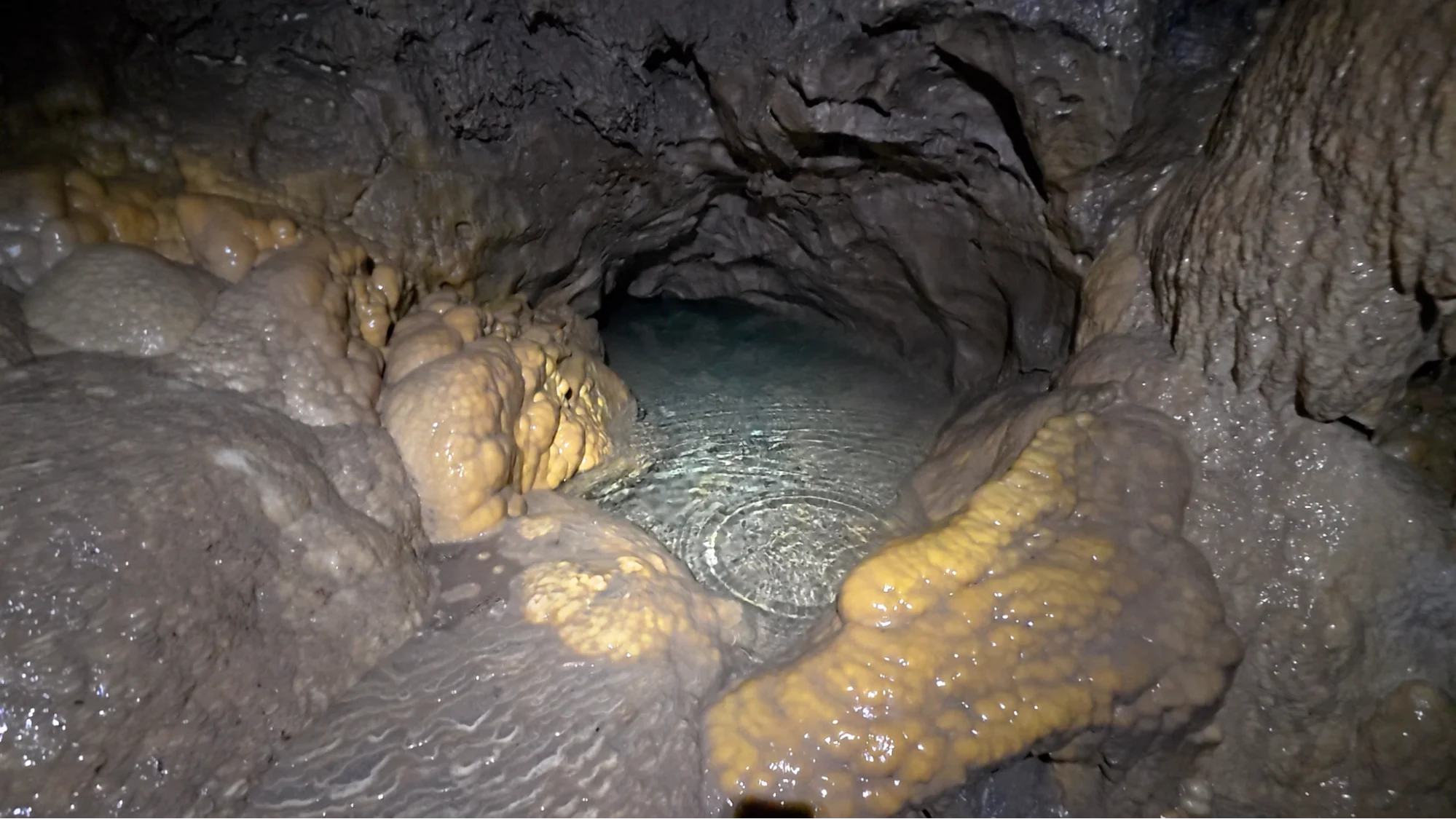
The cave’s passageways were formed by moving water over millennia, including from acidic rain and the meltwaters of the last ice age. (Connor O’Donovan)
In fact, most caves around the world maintain warmth roughly equal to the average temperatures of the regions around them thanks to those insulating properties of rock - in this case, limestone - as long as the caves extend deep enough away from the surface air.
It’s not exactly that temperature inside a cave will never change, it’s just that it takes a really long time to do so.
Rock has a very high thermal mass, meaning it can store and absorb high amounts of heat energy. Like a blanket, rock protects cave passages from rapid temperature changes.
Instead, it can take thousands of years for a significant temperature change to occur inside a cave, though air pressure changes can lead to slight differences and even a light breeze at times.
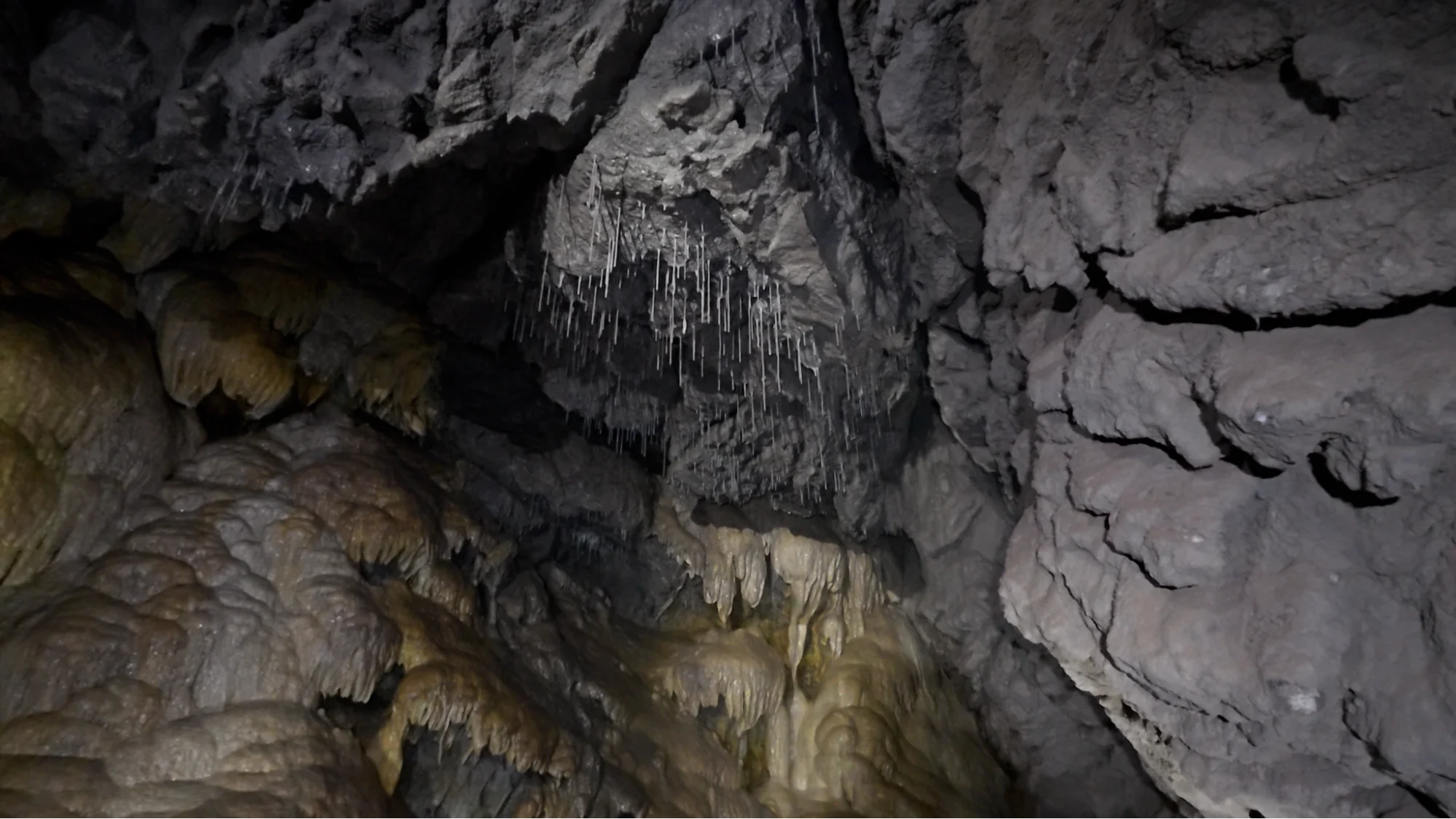
Remember learning about stalactites way back in elementary school? Well, you can finally see them for yourself in the Rat’s Nest Cave, while learning about the valuable minerals that form them over centuries. (Connor O’Donovan)
Temperature regulation, though, is just one of many incredible cave features waiting to be discovered at the Rat’s Nest Cave, which is a provincial historic resource.
Throughout your adventure (which must be guided by the professionals at Canmore Cave tours) you’ll learn much about the natural and cultural history of the cave, including how it was formed, when it was discovered and how mineral deposits like calcite act like time capsules full of valuable information.
RELATED: Massive, ancient cave in Canada went undetected for hundreds of years
“Calcite is made of microscopic crystal structures, and grows very slowly. An inch square is about a thousand years of growth. Some can be hundreds of millions of years old and very well preserved,” Hewitt says, explaining calcite forms when water travels through rock picking up minerals along the way.
“They can hold a lot of information. You can get little pockets of air or acids trapped inside. Climatologists can use them to tell how the climate has changed over the past.”
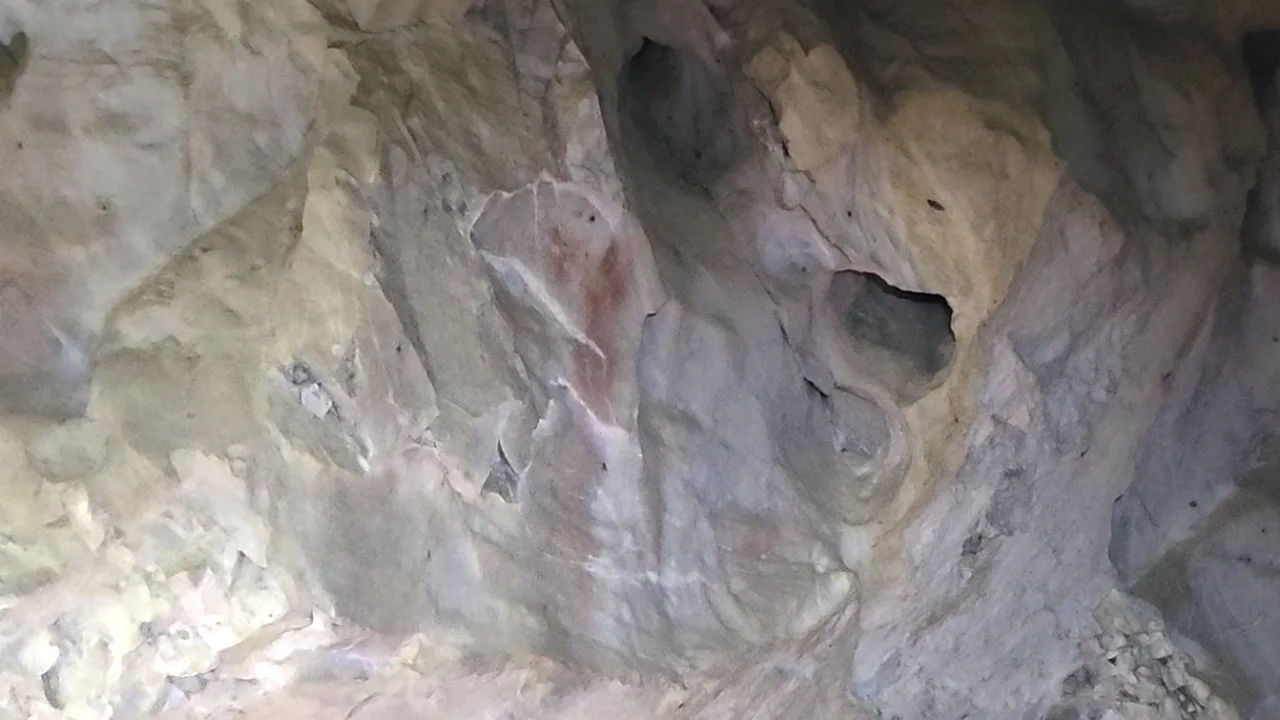
Pictographs, made by First Nations peoples from red ochre and animal fat, have been found both inside and outside of the entrance to Rat’s Nest Cave. (Connor O’Donovan)
In total more than four kilometres of passages have been mapped so far in Rat’s Nest Cave. The highest point is 80 metres above the entrance, the lowest a deep 165 metres below the entrance. Standard cave tours don’t travel quite that far, but you will still spend several hours underground.
“This is a hard, wild cave. There’s no lights or walkways, and definitely no elevator on the way out,” Hewitt says.
“Expect to get a little bit muddy, and do some exercise. There’s heights, tights and darkness in caves, but it’s amazing these spaces are inside mountains. You can have a space large enough to hold a jumbo jet even though you had to crawl through a space the size of your shoe to get there.”