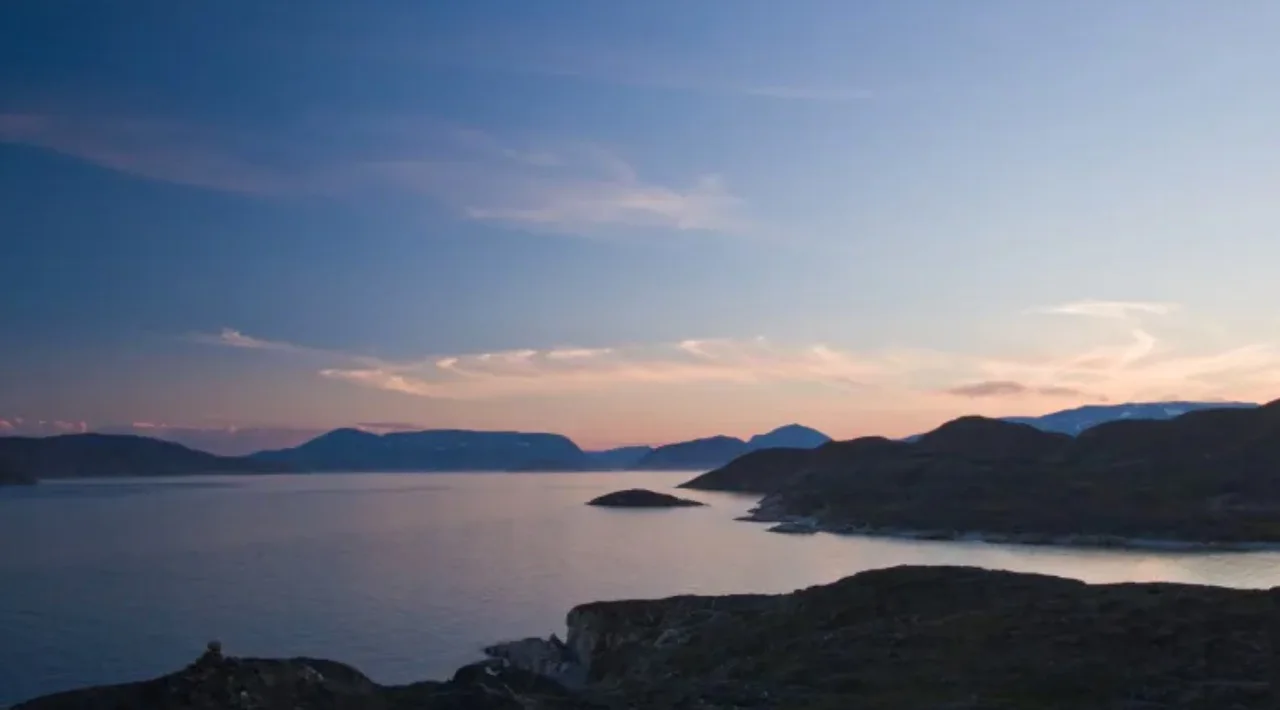
Governments agree to study potential marine conservation area in Labrador

Newfoundland and Labrador may get its first national marine conservation area, following the signing of an agreement between the federal and Nunatsiavut governments this week.
On Wednesday during a virtual meeting, federal Environment Minister Steven Guilbeault and Nunatsiavut President Johannes Lampe signed a memorandum of understanding that outlines terms for a feasibility assessment to establish an Indigenous protected area beside Torngat Mountains National Park.
Lampe called the agreement a step toward meeting the goals of the Imappivut Marine Planning Initiative, which recognizes and protects Labrador Inuit interests in the coast and ocean.
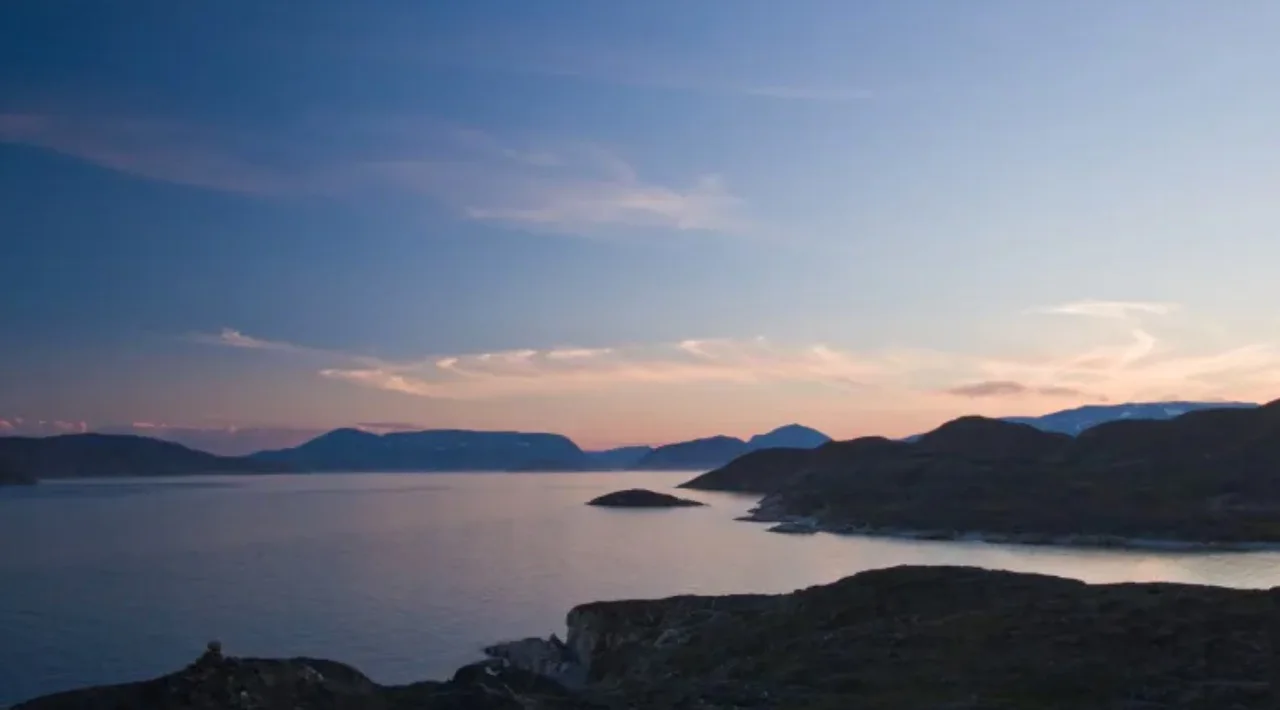
Saglek Bay is pictured at sunset in Torngat Mountains National Park. (Parks Canada)
"I certainly see this event as a move toward reconciliation," Lampe said. "This is an opportunity for Inuit to determine what they want protected and how while maintaining our traditional practices and our way of life."
The study, which is expected to take two to three years to complete, will look at 14,906 square kilometres — nearly three times the size of Prince Edward Island. The study's steering committee will then make recommendations on what should be permitted in the area.
If Nunatsiavut and the federal government agree to create the Indigenous protected area, it would be the first national marine conservation area in the province, under the Canada National Marine Conservation Areas Act, governed by Parks Canada.
It would join the province's three marine protected areas, which similarly seek to preserve and protect coastal areas and marine ecosystems, but are governed by the federal Department of Fisheries and Oceans under separate legislation.
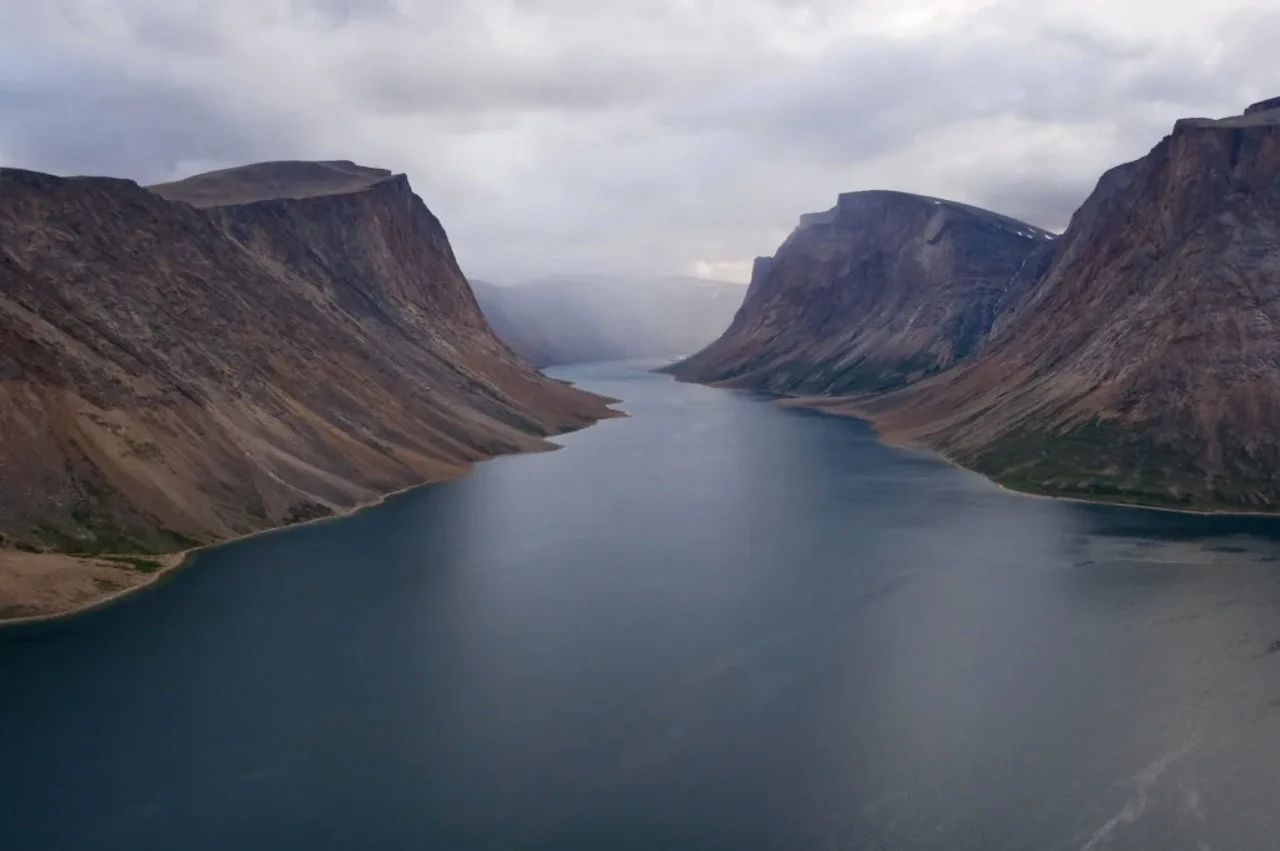
Saglek Fjord is pictured, looking west toward Southwest Arm and North Arm in Torngat Mountains National Park. (Parks Canada)
Guilbeault said working with Indigenous groups is key to conserve marine areas and move toward reconciliation.
"The creation of this Indigenous protected area will help fight changing climate by protecting ocean plants and plankton that remove and store carbon from the atmosphere," Guilbeault said.
Guilbeault said the area would also bring the federal government slightly closer to its goal of protecting 25 per cent of Canada's land, water and coast by 2025. He said 13.8 per cent of Canada is protected.
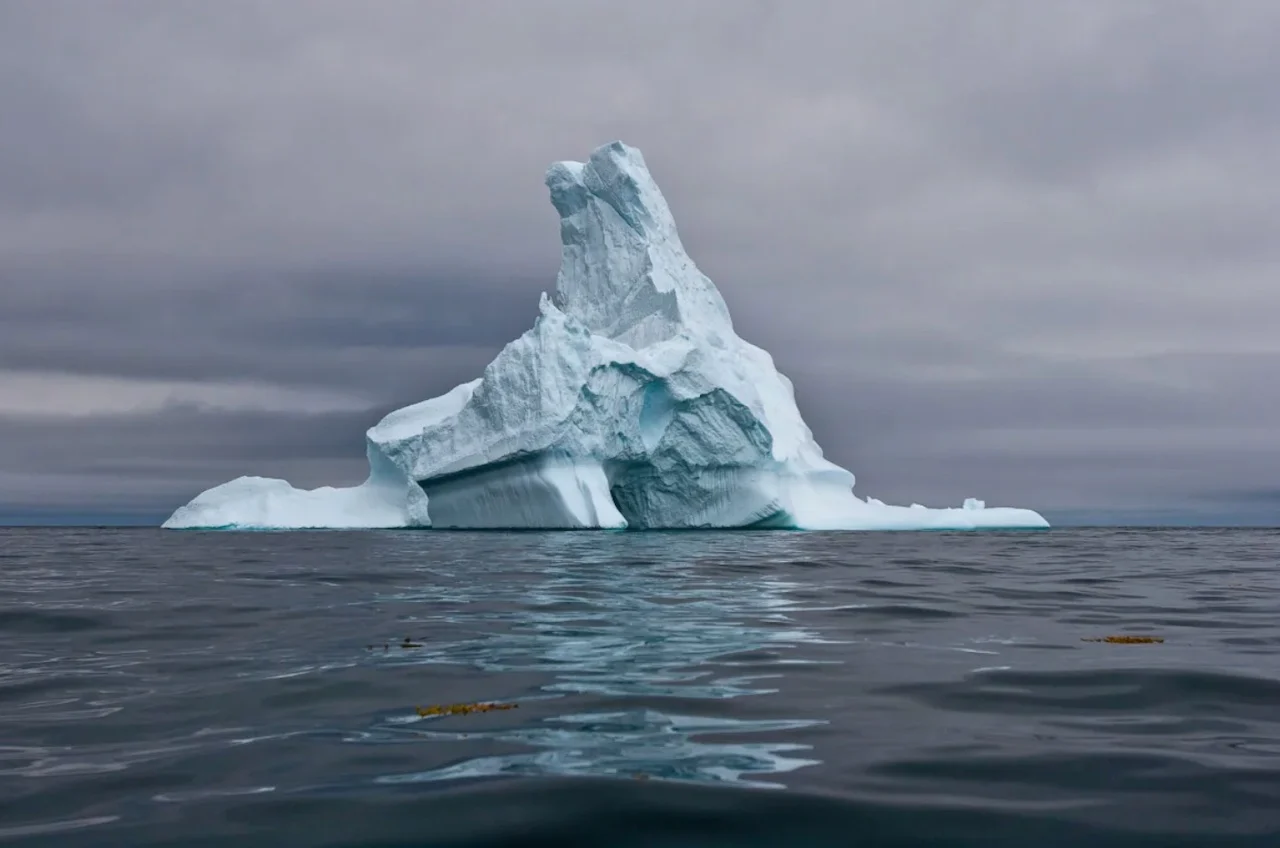
An iceberg sits in Saglek Bay. (Parks Canada)
"We have a lot of work to do to get to 25 per cent in 2025. But we've come a long way and we have been pursuing the creation of these protected areas very aggressively over the past few years," he said.
Sabaa Kahn, director general for Quebec and the Atlantic region for the David Suzuki Foundation, said the announcement is an step toward maintaining the ecological integrity of the ecosystem but she wants the federal government to speed up its conservation work.
"This is great news that we're hearing today about this MOU. But at the same time, let's hope that it gives [the] Canadian government the impetus to really expand its efforts."
The story was written by Heidi Atter, originally published for CBC News on Feb. 26, 2022.