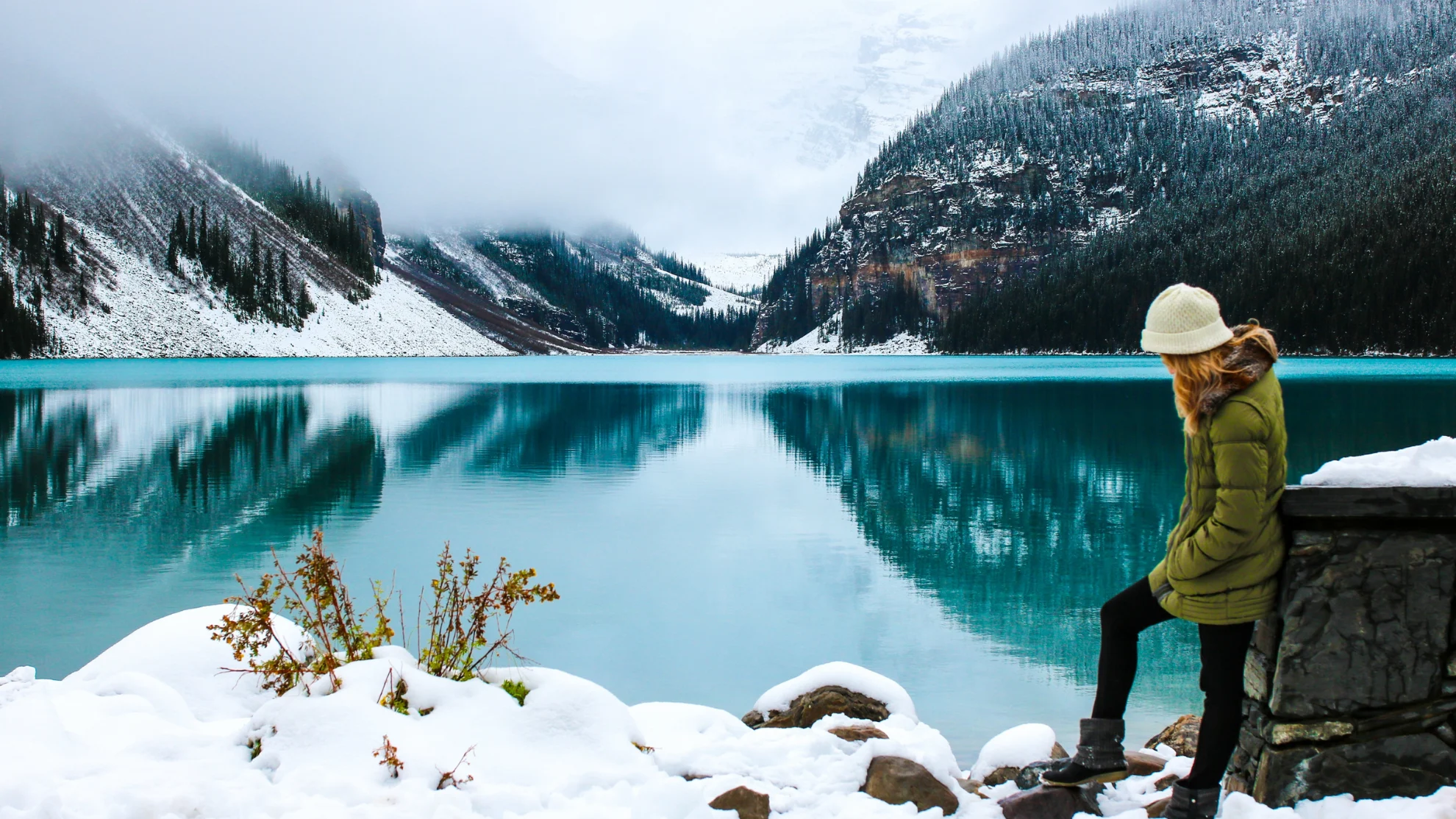
From sea to sea: Study finds Canada’s nature worth billions

Titled “Widely enjoyed but inadequately valued,” the CPAWS paper attempts to quantify the economic benefit of investing in nature.
Canada is home to some of the most breathtaking places in the world — From the picturesque backdrops of the Maritimes, to Niagara Falls, to Alberta’s stunning blue lakes. Then, it’s off to the territories, where you can see spectacular auroras light up the night sky.
Our natural spaces are one-of-a-kind: Just ask the more than 20 million people who visit them each year.
And what is all this beauty worth? Some would say it's priceless, but a new, peer-reviewed study has attempted to place an economic value on Canada’s natural spaces, and the price tag is enormous.
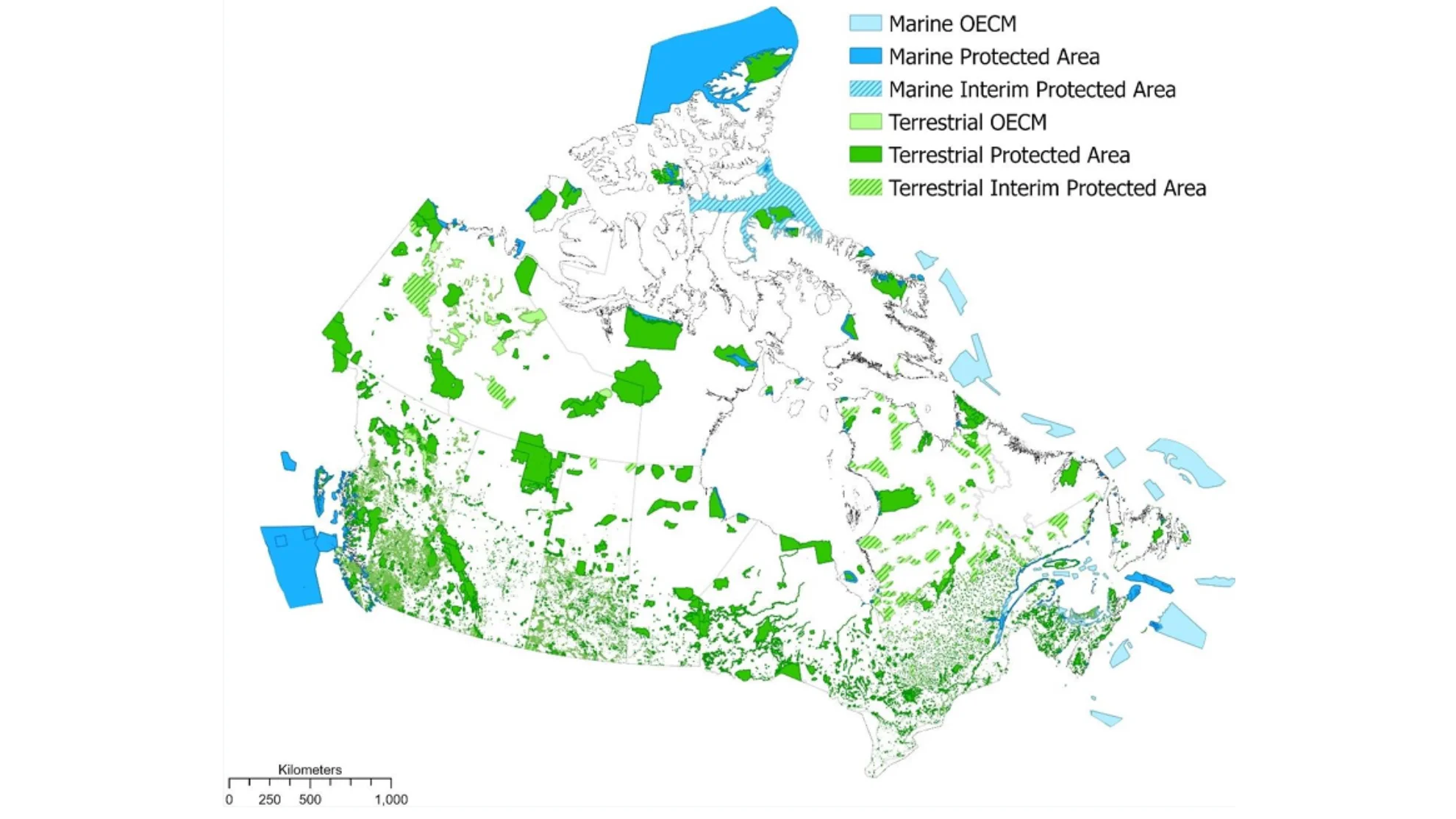
Canada's existing Protected Areas and Other Effective area-based Conservation Measures as of December 2024. (ECCC/CPAWS)
What is the value of Canada’s nature?
The paper, published last week by the Canadian Parks and Wilderness Society (CPAWS), comes at a time when funding to conservation projects is set to expire, as per Canada’s Budget 2025, which was released on November 4.
Titled “Widely enjoyed but inadequately valued,” CPAWS attempts to quantify the economic benefit of investing in nature, arguing that conservation in Canada isn’t a trade-off, but rather, a long-term investement.
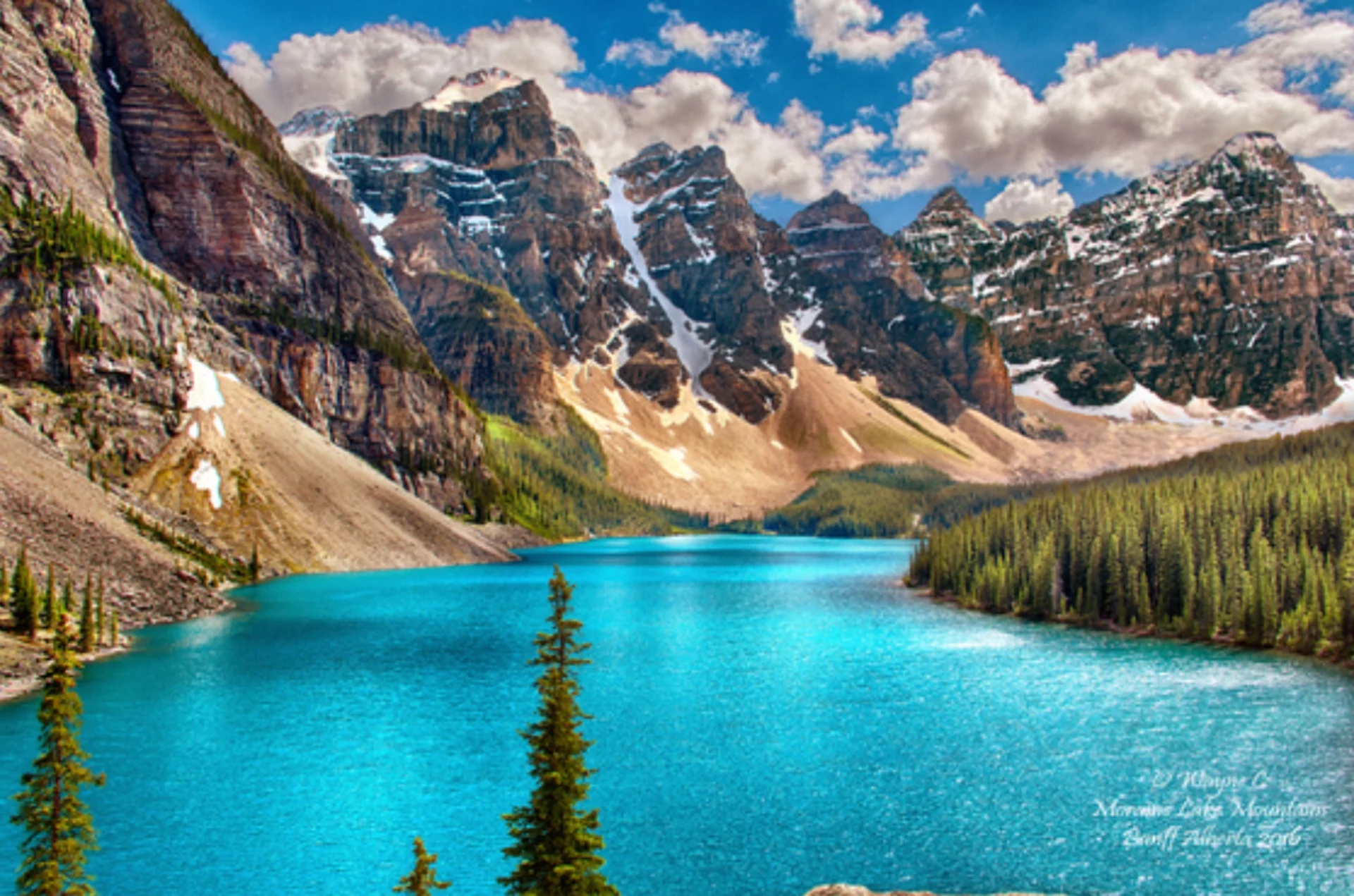
Alberta's Moraine Lake on June 21, 2015. (Wayne C./supplied)
According to CPAWS, every $1 spent on nature protection and conservation in 2023-2024 generated $3.62 in visitor spending, working out to a value of $10.9 billion, or 1.6 per cent of Canada’s GDP. Each year, the tourism sector supporting Canada’s natural spaces creates around 150,000 jobs, generates $6.6 billion in labour income, and produces $1.4 billion in tax revenue, CPAWS says, adding that over the past 15 years, public spending in protected parks grew by 50 per cent, resulting in tax revenue growth of up to 250 per cent.
Jason Wong, lead author of the report and a CPAWS analyst, says the study helps put a value on nature, something that has long been taken for granted.
"Nature is already delivering real, sustained value to Canada’s economy, whether we account for it or not," he says in a statement.
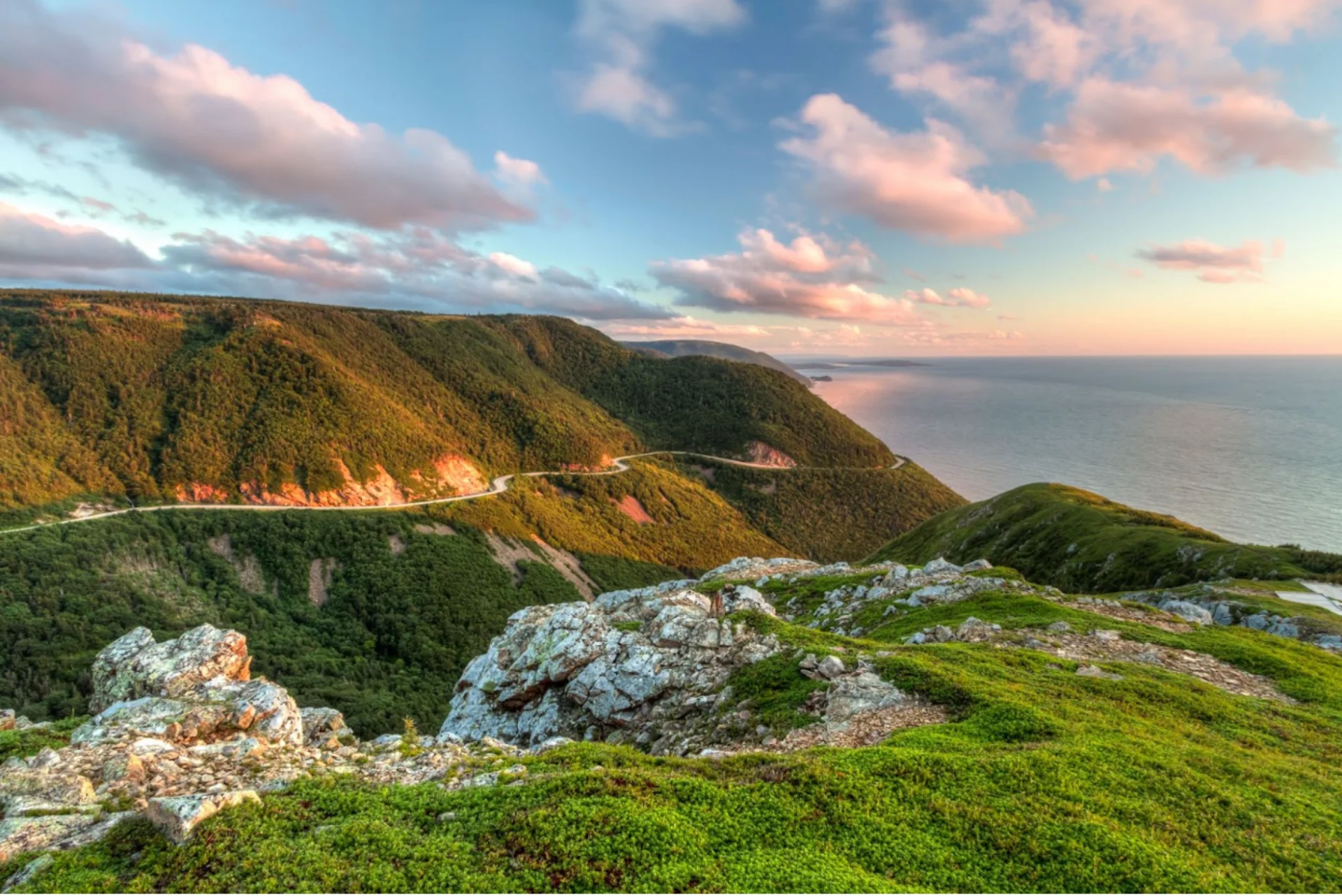
Cape Breton Highlands National Park, Nova Scotia. (Getty Images)
Environmental impact worth trillions
Canada is home to the second-largest remaining wilderness area in the world, with Russia in the top spot.
Our 552 million hectares of boreal forest store carbon, purify the air and water, and regulate the world’s climate. And because 28 per cent of the global boreal zone resides in Canada, CPAWS says that it has a big economic impact.
According to the paper, the value of Canada’s protected and conserved areas (PCAs) store “immense” amounts of carbon, equivalent to the emissions from 57.8 billion cars annually.
“In keeping this carbon out of the atmosphere, these areas hold $51.1 trillion worth of potential economic damages globally, reinforcing that PCAs function not only as environmental protection, but as both economic and climate infrastructure,” CPAWS says in a statement.
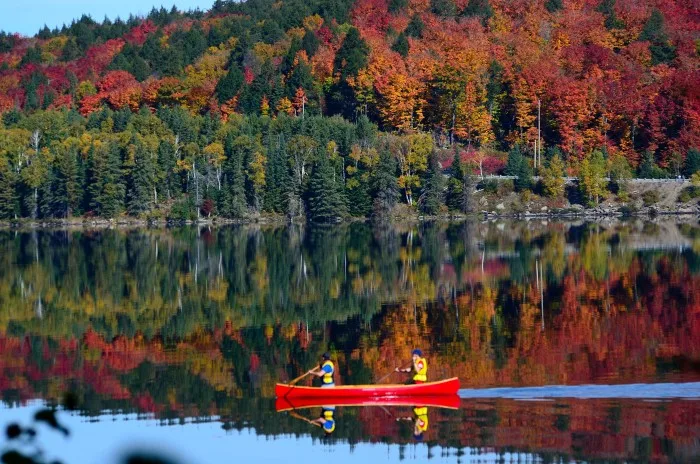
Ontario's Algonquin Provincial Park. (Francisco Lanfranco/supplied)
New Canada budget to decrease spending on nature
The report comes weeks before the March 31 deadline that will mark the end of funding for some conservation projects, CPAWS says.
Some environmental initiatives included in Budget 2025, like a regulation aimed at reducing harmful emissions from landfills, have received positive feedback from environmental groups. But others, like budget cuts to Environment and Climate Change Canada (ECCC), Parks Canada, and Fisheries and Oceans Canada, in addition to revoking funding for conservation projects like 2 billion trees, has left some groups like CPAWS worried that Canada’s environment is becoming an economic afterthought.

Northern lights over Yellowknife, NWT. (Matt Jacques/supplied)
“Nature can’t be protected without long-term investment. Years of collaboration, research, and building trust are needed to plan protected areas,” CPAWS says in a statement.
“Without consistent federal funding, projects are faced with disruptive interruptions and can come to an abrupt stop altogether.”
Header image: File photo of Alberta's Lake Louise, via Canva Pro.