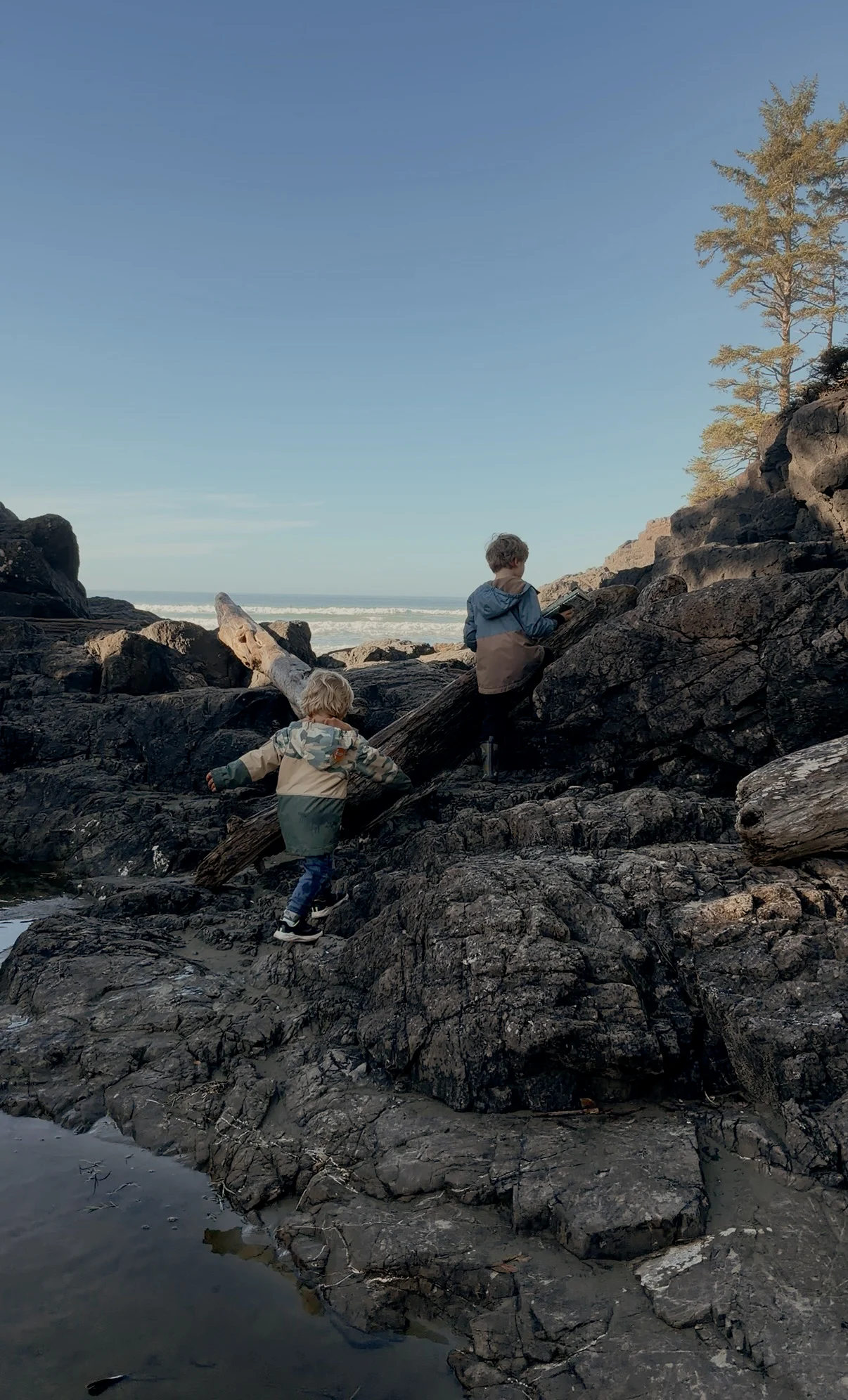
Exploring Tofino, B.C.: Canada’s thrilling storm-watching capital

Welcome to another episode of the Wildest Classroom. The Weather Network’s new series dedicated to sharing tips, tricks, and experiences for teaching your kids in the best classroom of all: the great outdoors.
Perched on the edge of Vancouver Island, Tofino, B.C., feels like the end of the earth, where the ancient temperate rainforest meets the vast expanse of the Pacific Ocean. But don’t let its serene beauty fool you—things change dramatically when the winds awaken. This remote coastline transforms into a theatre for nature’s most exhilarating storms and is the ultimate base camp for aspiring storm chasers.
On this episode of the Wildest Classroom, we are exploring Tofino, B.C.
SEE ALSO: Hunting for dinosaur bones in Canada: Go fossil digging in Drumheller, Alberta
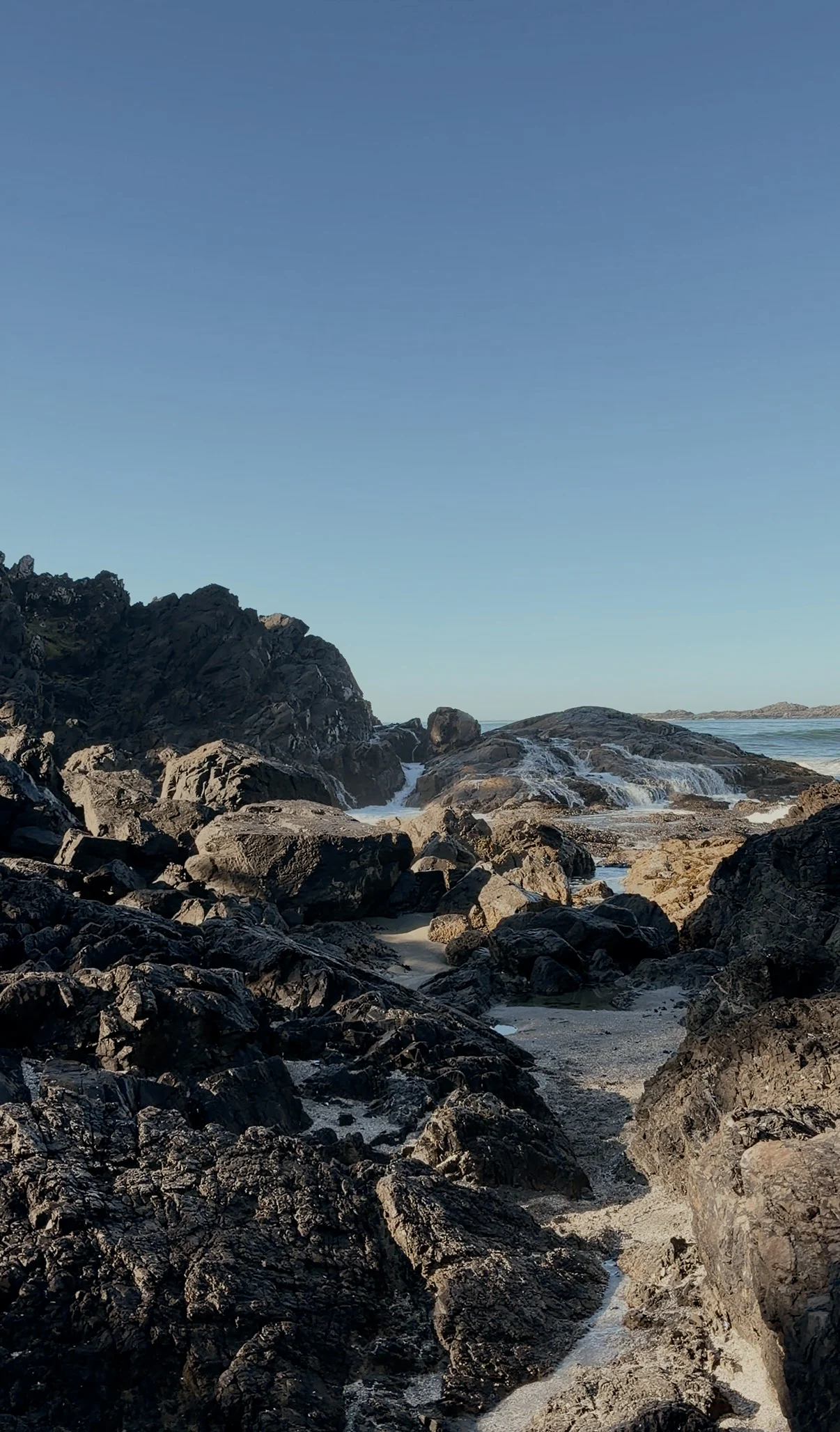
Nicknamed the "Storm-Watching Capital of Canada," Tofino is the perfect destination for witnessing ocean physics in action.
(The Weather Network)
Here, the North Pacific Ocean acts as a massive 7,000-kilometre runway. With no land to interrupt its path between the coast of Japan and Tofino, winter storms gather tremendous energy. Arctic air clashes with warm ocean waters near Asia, spinning up low-pressure systems. These storms gain momentum and slam directly into Tofino’s craggy headlands, whipping up waves that tower as high as 20 feet.
For curious minds, this rugged location becomes a thrilling science lab. Storm detectives can hunt for clues that signal a brewing tempest.
Clue #1: The Smell During storms. Low-pressure systems lift the tangy scent of salt spray, crushed kelp, and damp cedar off the ocean. The air feels almost electric.
Clue #2: Sea Foam. Foamy spume is often a telltale sign of turbulent waters. As fierce winds churn the ocean into a frothy mix, bubbles float ashore like snowy puffs—a clear indicator of brewing action.
Clue #3: Dancing Trees. Look to the treetops for even more signs. Ahead of a storm, trees seem to sway dramatically, with their leaves flipping over as shifting winds gather strength. Some coastal tree lines appear permanently wind-sculpted, their needles streamlined after years of weathering nature’s power.
(The Weather Network)
But storm watching isn’t just about observing the signs—it’s about doing so safely.
Safety First: While big storms can be fascinating, the Pacific Ocean’s raw power means caution is essential. Sneaky, rogue waves can surge higher than expected, and rushing water can transform driftwood logs into dangerous projectiles. Experts recommend checking tide charts and sticking to elevated lookouts or areas protected by sturdy coastal trees.
"If you go up into the trees, where these giants have stood for centuries, you know it’s a safe place to be," says Mark Maftei, Executive Director of the Raincoast Education Society.
DON'T MISS: Becoming Rockies Rangers: Where learning and exploration go hand-in-hand
By giving the ocean plenty of room, one can fully appreciate its majesty while staying safe and dry. With boots ready and eyes fixed on the horizon, Tofino offers storm chasers an unforgettable front-row seat to nature’s wild power.
Join us next time for more adventures in the Wildest Classroom!