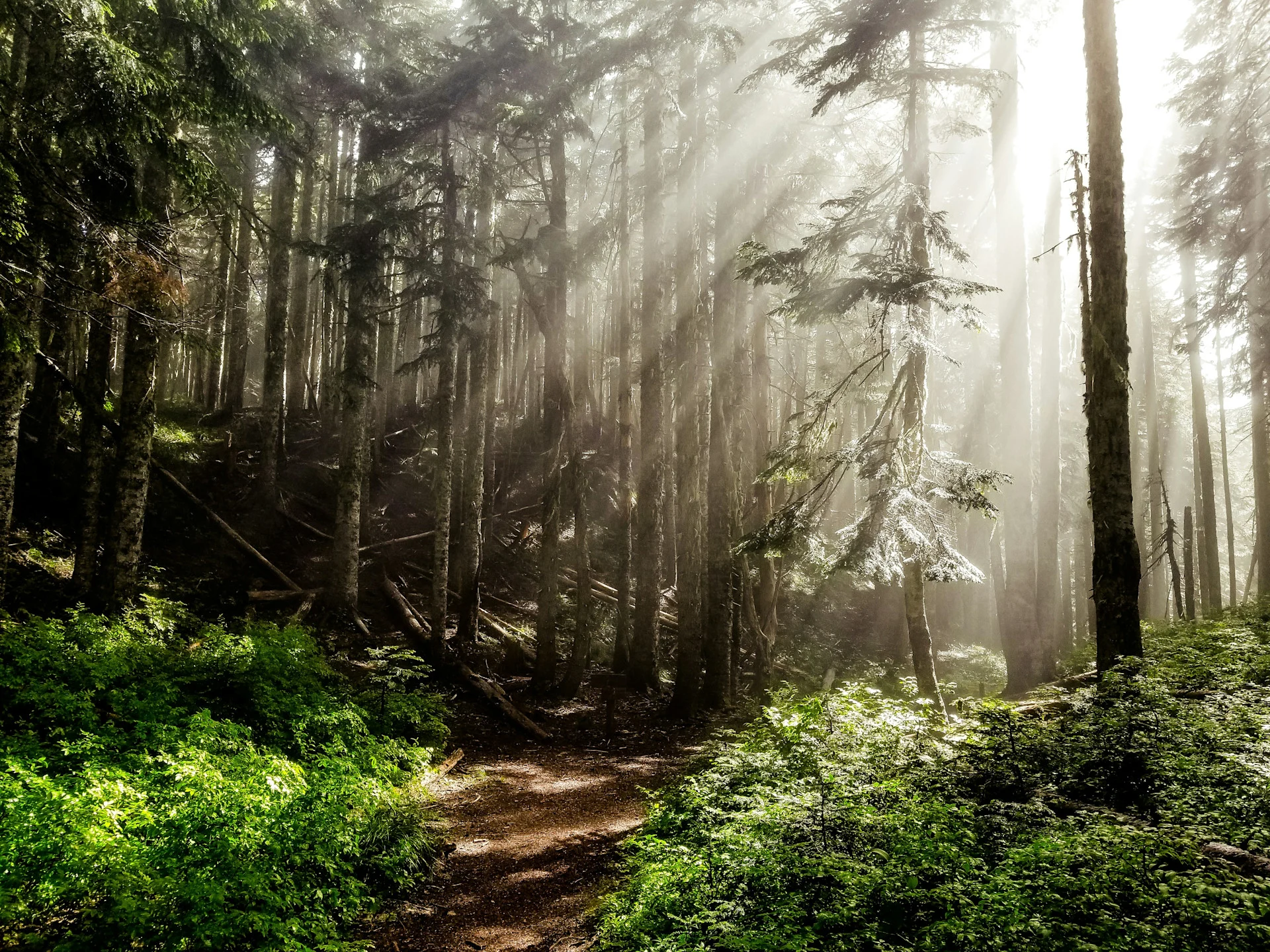
Experts say these three mistakes lead to hiking emergencies

Don’t make these critical errors while out hiking this season
Amid Canada’s annual emergency preparedness week, and as temperatures rise, search and rescue officials are cautioning Albertans against heading out into the wild unprepared.
The warning comes after several recent emergencies in the Rockies.
Banff National Park Authorities recently detailed several April search and rescues that involved hikers lost on snowy trails, while a search effort was recently called off after a man jumped into the waters of Johnston Canyon and disappeared.
DON'T MISS: As ticks wake up in Alberta, here’s where you (and your dog) will find them
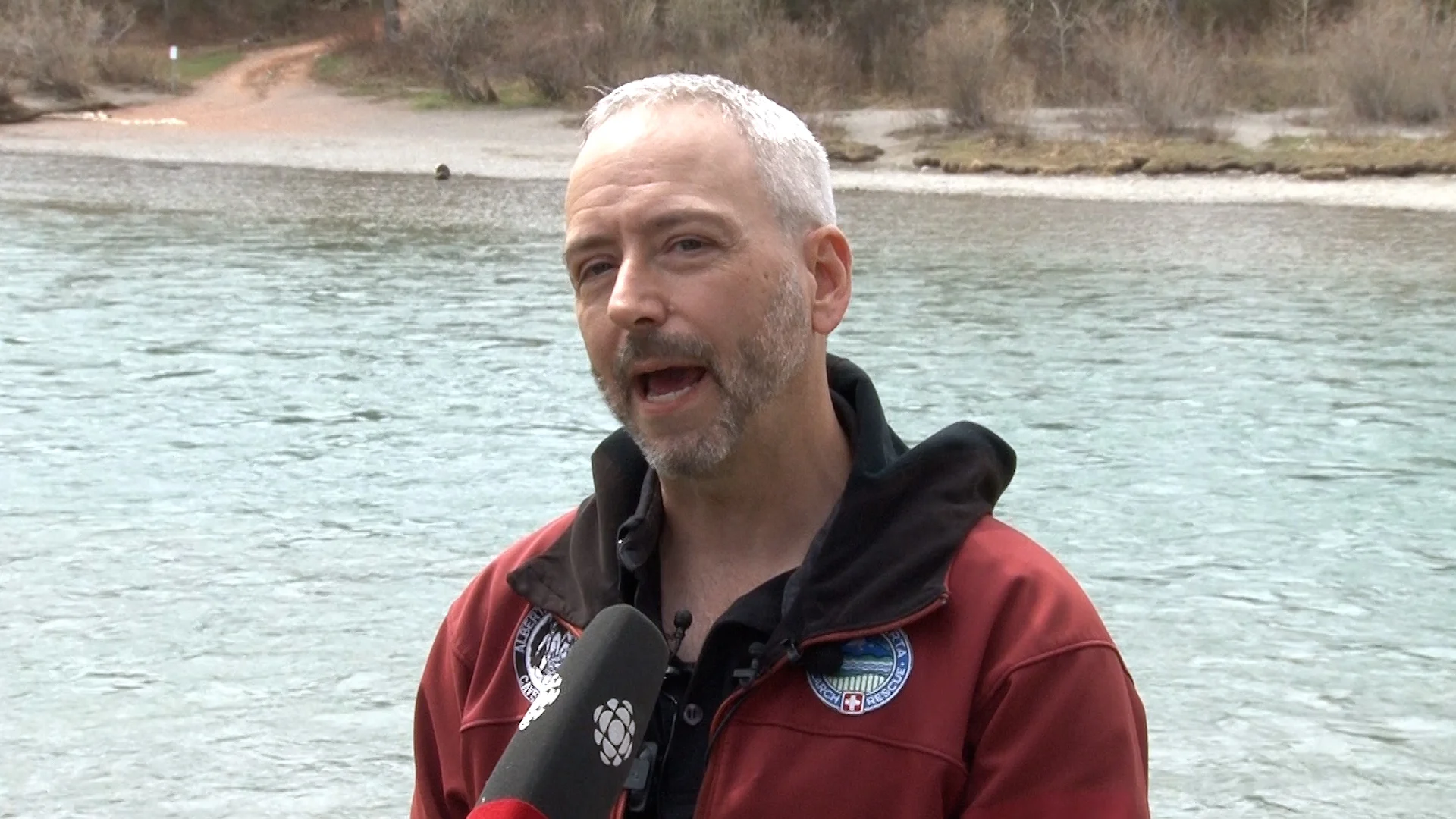
Crews across Alberta are now responding to hundreds of calls every year. (Connor O'Donovan)
Search and Rescue Alberta South Central Director Christian Stenner says the following mistakes are some of the most common factors leading to emergencies and rescue operations.
The unplanned detour
Stenner says one of the top reasons hikers end up vulnerable and in need of assistance relates to inadequate route research and spur-of-the-moment route-finding.
In fact, Banff National Park recently advised the public on three search and rescue operations conducted in April.
In two separate cases, hikers traveled up established trails before attempting to descend via a different route. In both cases the hikers followed tracks in the snow, became disoriented and vulnerable in steep terrain, and resorted to calling 911 for emergency assistance.
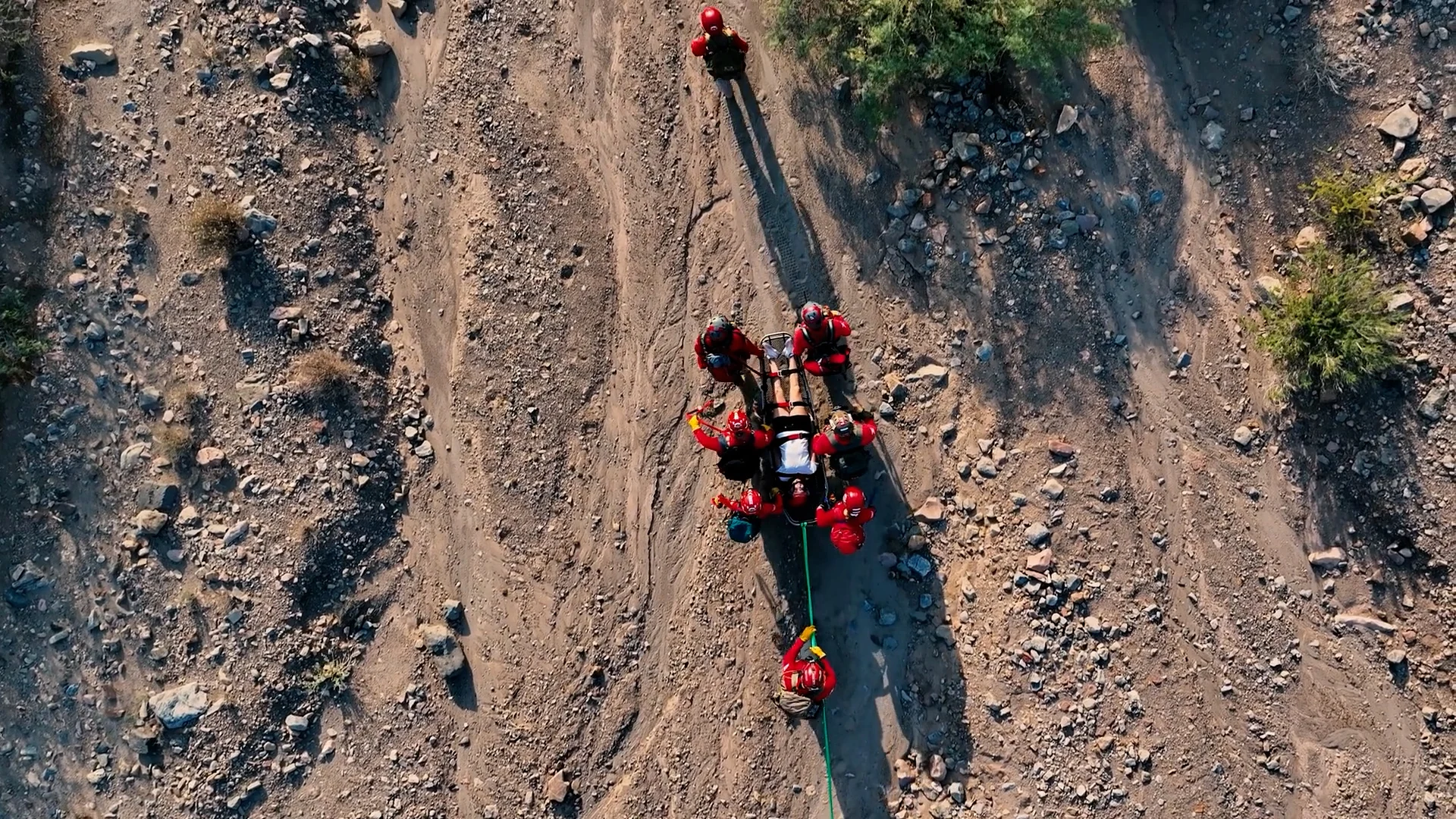
Calls for service climbed 19 per cent in 2025.
“It’s definitely something we’ve seen in many calls in the past, where people extend themselves beyond the official trail or warning signs like barricades,” Stenner says.
“People get into terrain not safe or meant to be traversed with specialized equipment.”
He says adequately preparing for a hike includes in-depth research of the trail you’re planning to hike, as well as the forecast. He recommends using sources like guidebooks, satellite images, topographical maps and trail reports on AlbertaParks.ca to inform your trip.
He also cautions that 911 may not always be an option. Many parts of the Rocky Mountains and other Alberta parks offer minimal or no cell service.
He recommends traveling with a fully-charged phone and a satellite communicator if you know you’ll be in areas with no cell service.
Hiking in sandals (or other inappropriate footwear)
While it may seem like a no-brainer, Stenner says crews across Alberta still see emergency situations that can be, at least in part, attributed to somebody hiking in inappropriate footwear.
Worn down, improperly fitting, heavy shoes, and footwear unsuitable for snowy or icy conditions can lead to slips and falls that can leave hikers injured and immobile.
RELATED: Backcountry camping or hiking this summer? Stay safe with the 'Three Ts'
Stenner says he’s even seen instances where people are hiking in sandals into high-risk mountain areas.
“The other thing that happens is people will get into terrain and then aren’t able to get back out of it,” he says.
“So you might climb up some feature that’s easy to climb up, but not down, and the footwear can contribute to that as well.”
Sturdy, well-fitting, lightweight, water-resistant footwear with good grip and ankle support can help ensure safe passage through challenging terrain.
Stenner adds that carrying a headlamp, an emergency blanket, extra layers and lots of water can help when emergencies arise.
Underestimating the temperature and current of water
Stenner adds the hikers and outdoor adventurers continue to misjudge the temperature and current of bodies of water in the wild.
Mountain lakes and rivers are usually glacier-fed and can remain dangerously cold even in the middle of a hot summer.
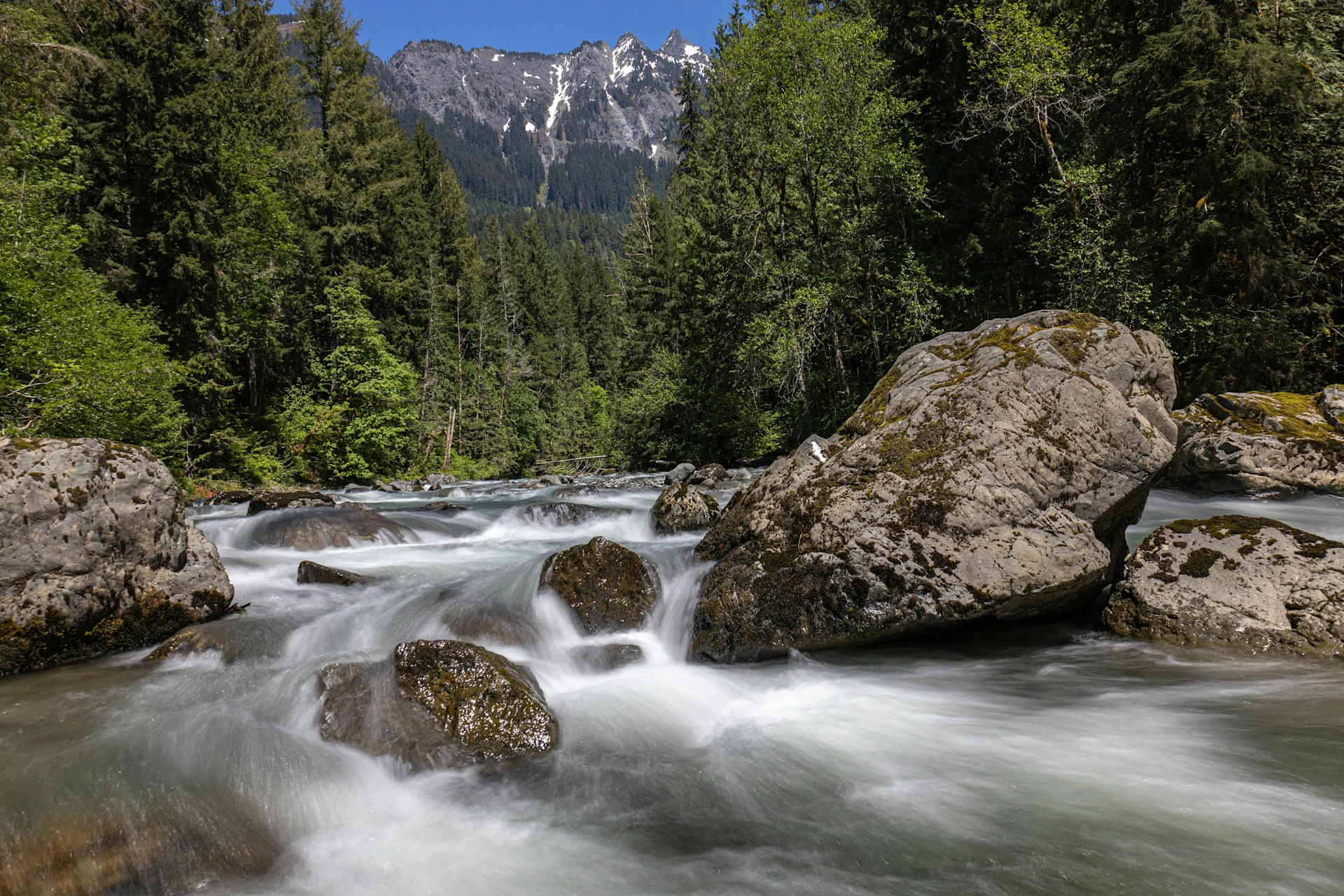
(Unsplash)
Sudden immersion in cold water can cause involuntary gasping, filling the lungs with water, hyperventilation and loss of dexterity.
“Especiallu with conditions in the spring, the water is much colder than the ambient air. That water can cause a shock,” cautions Stenner.
RELATED: Spring hikes: Unique risk factors you should be mindful of
“You may not anticipate what it’s going to feel like and overestimate your ability to deal with it.”
Remember the 1-10-1 principle if venturing near any wild water body this summer.
That is, after cold water immersion a phase of deep gasping and hyperventilation will last roughly one minute. During this time your main focus should be on controlling your breathing.
You then have about ten minutes before losing effective use of your fingers, arms and legs. This is the period in which you should attempt self-rescue. Failure of your ability to swim will typically occur sometime during this time period.
While it’s unlikely applicable to hiking scenarios, if you’re boating and fall into the water while wearing a lifejacket, it can take up to one hour before hypothermia causes loss of consciousness. It’s critical that anyone experiencing cold water immersion is rescued during this time.
Header image courtesy of Unsplash.