Delayed start to ice skating season expected across Canada

El Niño's influence may take a toll on skating season across Canada this year
Toronto’s outdoor skating rinks are beginning to open this weekend. But what does that mean for the season ahead, including the famous Rideau Canal?
The current forecast doesn’t bode well for either professional or amateur rinks across most of the country as above-seasonal temperatures are expected to dominate through at least the first week of December.
DON'T MISS: El Niño like you've never seen: Canada's weird winter forecast revealed
Rideau Canal openings vary
Unfortunately, the trend is lower than average for the Rideau Canal this year. The Canal remains open for roughly 50 days during an average winter season.
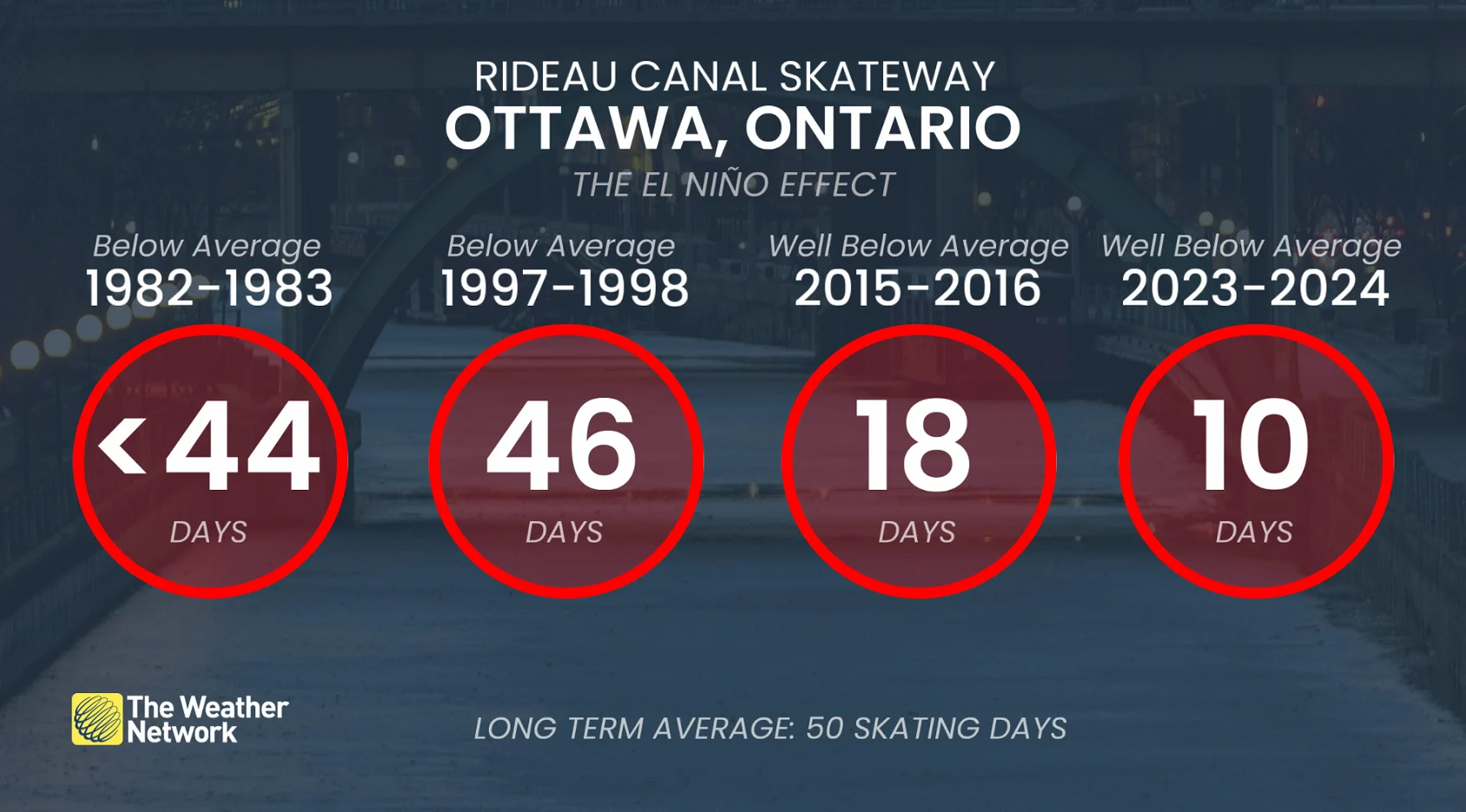
The longest it remained open was 90 days in 1971-1972. The fewest days it remained open was just 10 skating days in 2023-2024, with the Rideau Canal’s first complete closure occurring in 2022-2023.
Canada’s skating season ahead
Outdoor rinks need sustained cold, with daily average temperatures near -5°C ideal for building and maintaining outdoor ice quality.
A delayed start is expected throughout Canada, meaning a shorter skating season is in the cards this year.
Thaws and temperature swings, as well as heavy rain and freezing rain, work together to degrade ice quality.
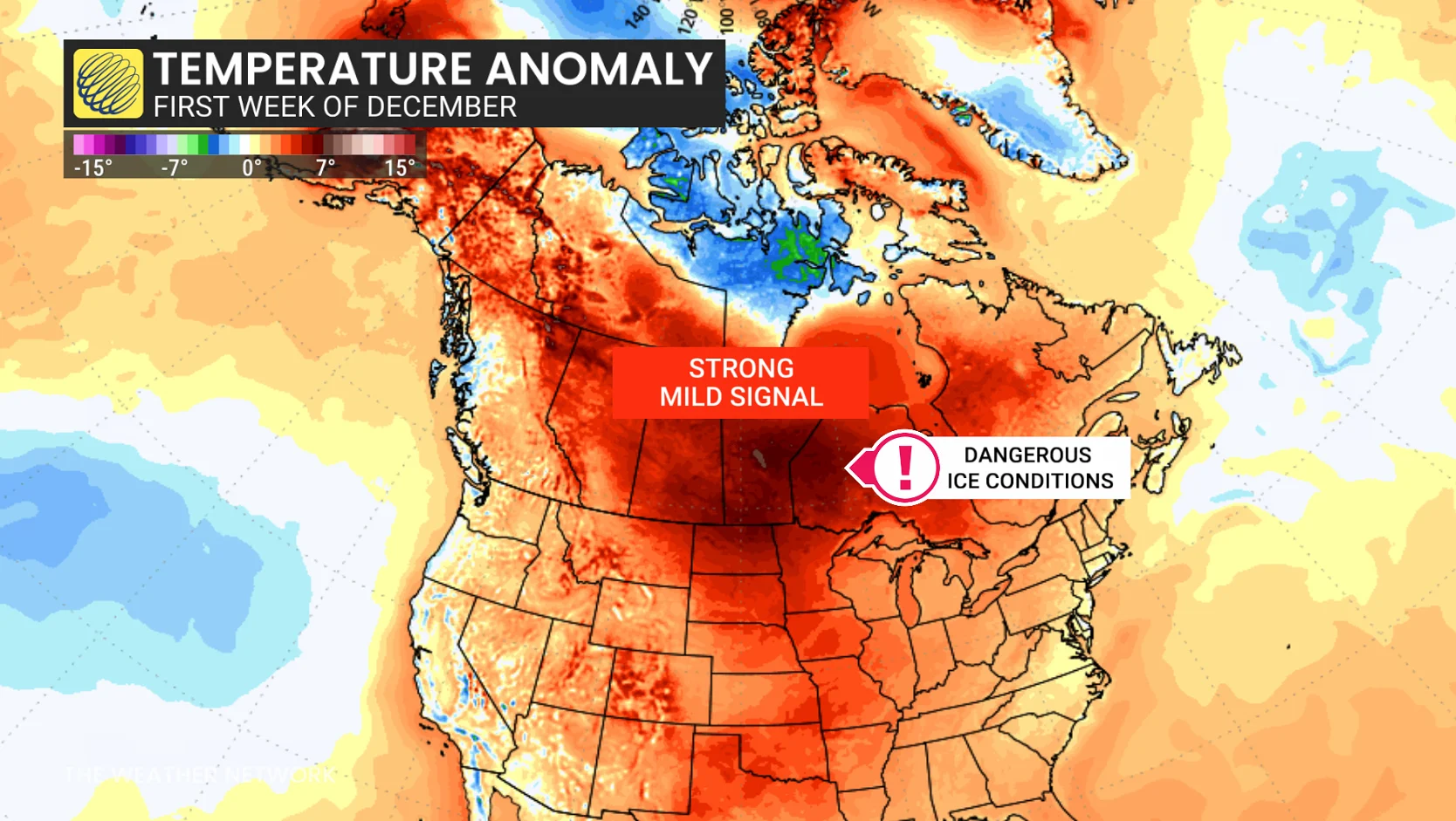
El Niño’s warmth remains a wildcard during the months ahead, with increased thaws due to above-freezing temperatures and rainfall raising the risk for interruptions to the skating season.
Southern Ontario appears most vulnerable to the thaw cycle, but northern communities and cities on the Prairies will fare much better. Folks across Atlantic Canada and the St. Lawrence will all face challenging skating conditions during the season ahead.
Beware skating on natural ice
It’s always worth a reminder that natural ice can be exceptionally dangerous to even the most experienced skater or swimmer. Ice should be at least 15 cm thick to safely support a skater’s weight.
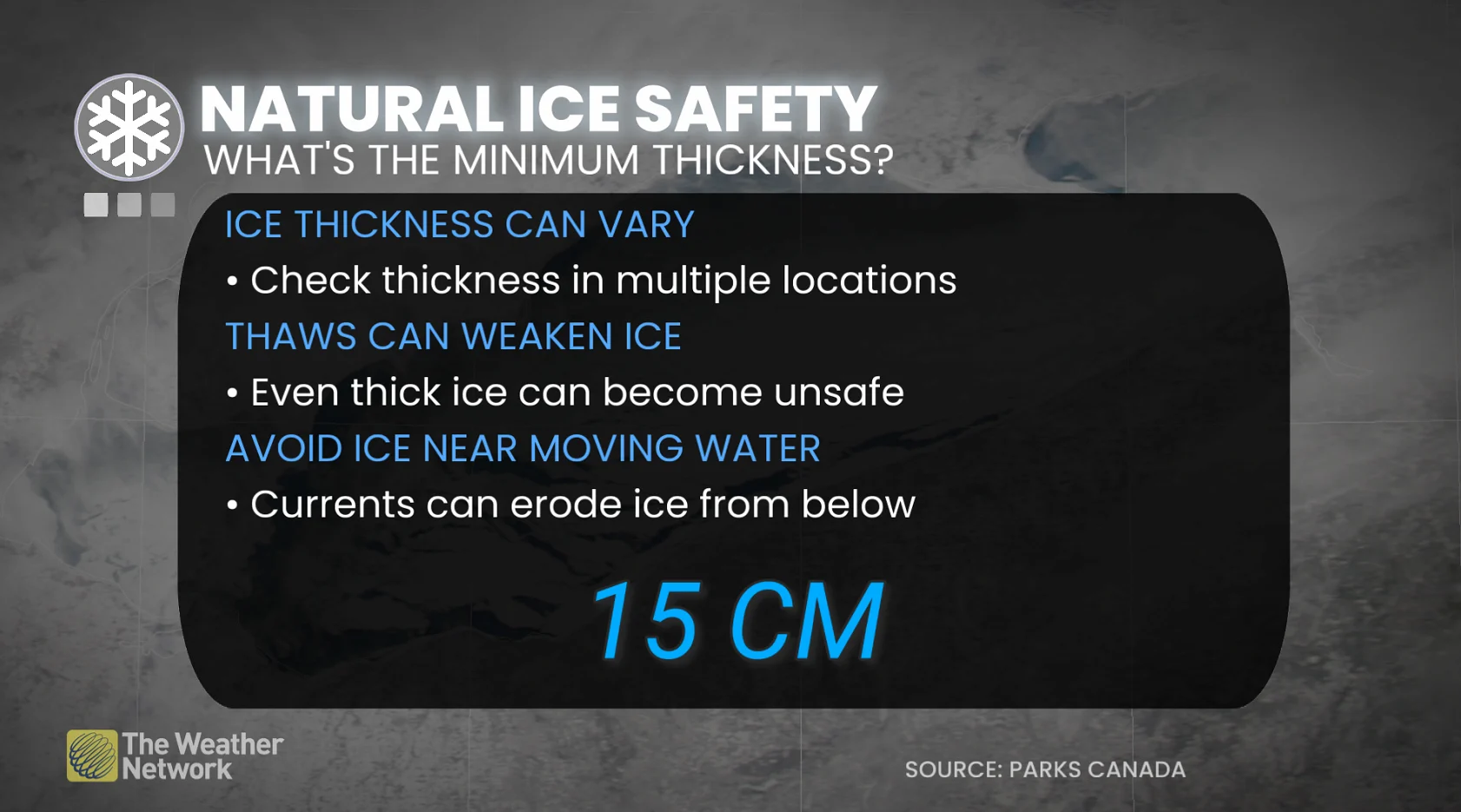
Ice thickness can vary, requiring folks to check the thickness in multiple locations. Thaws can weaken even thick slabs of ice. Avoid ice near moving water, as currents can erode the ice from below.
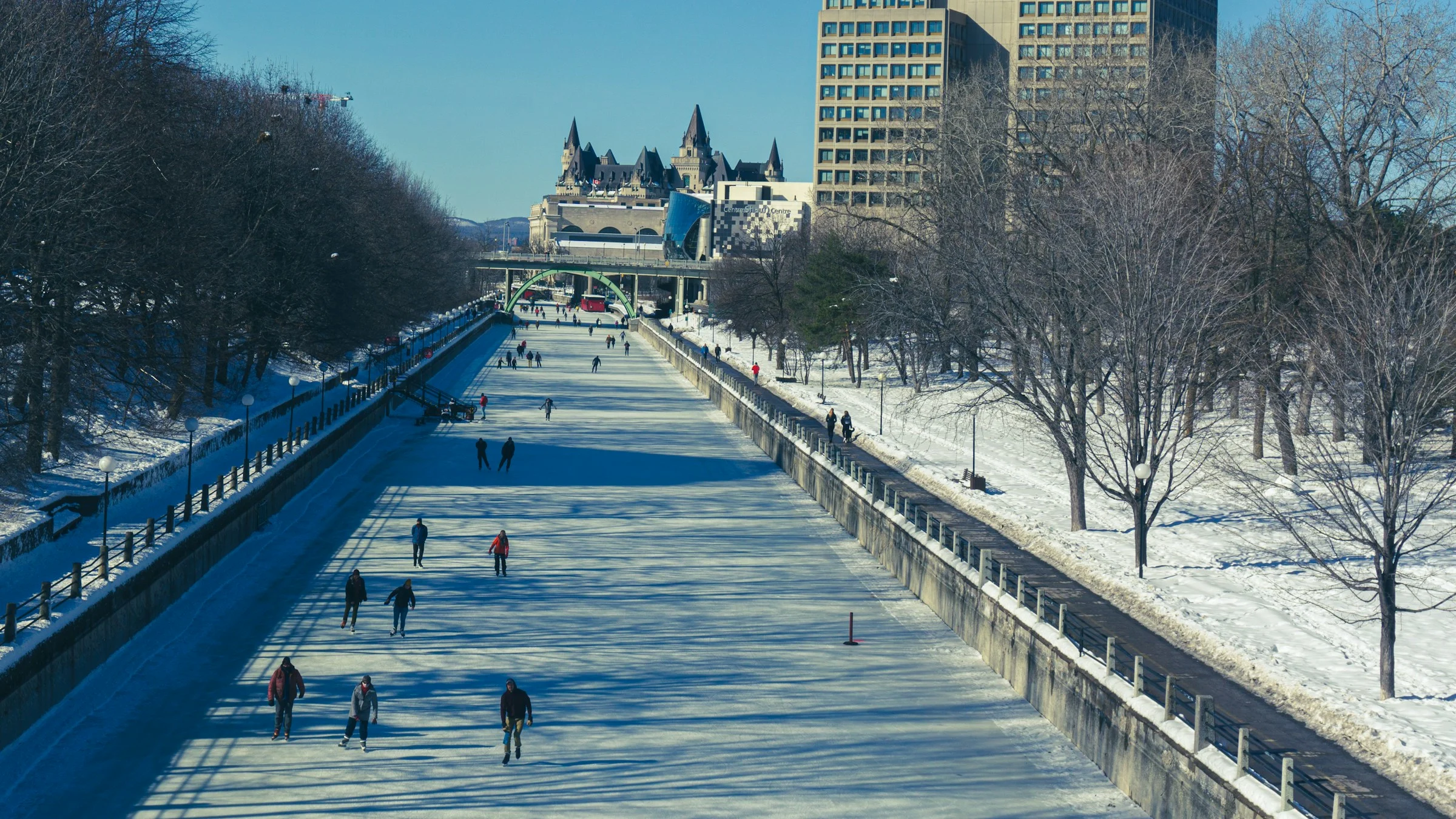
Header image of the Rideau Canal courtesy of Unsplash.