
Climate change's unpredictability is haunting the pumpkin harvest in N.L.

It’s that time of year when people scramble to find the roundest and brightest-orange pumpkin to carve a scary face into — or make a pie.
But in Newfoundland and Labrador, farmers say unpredictable summer weather is impacting how their pumpkins grow.
"The climate is changing. One year from the next can be so different," said Conception Bay South farmer Wandalee Porter.
Farmers say this past summer was particularly cold and wet, especially compared to 2025 when the province experienced record high temperatures and not a lot of rain.
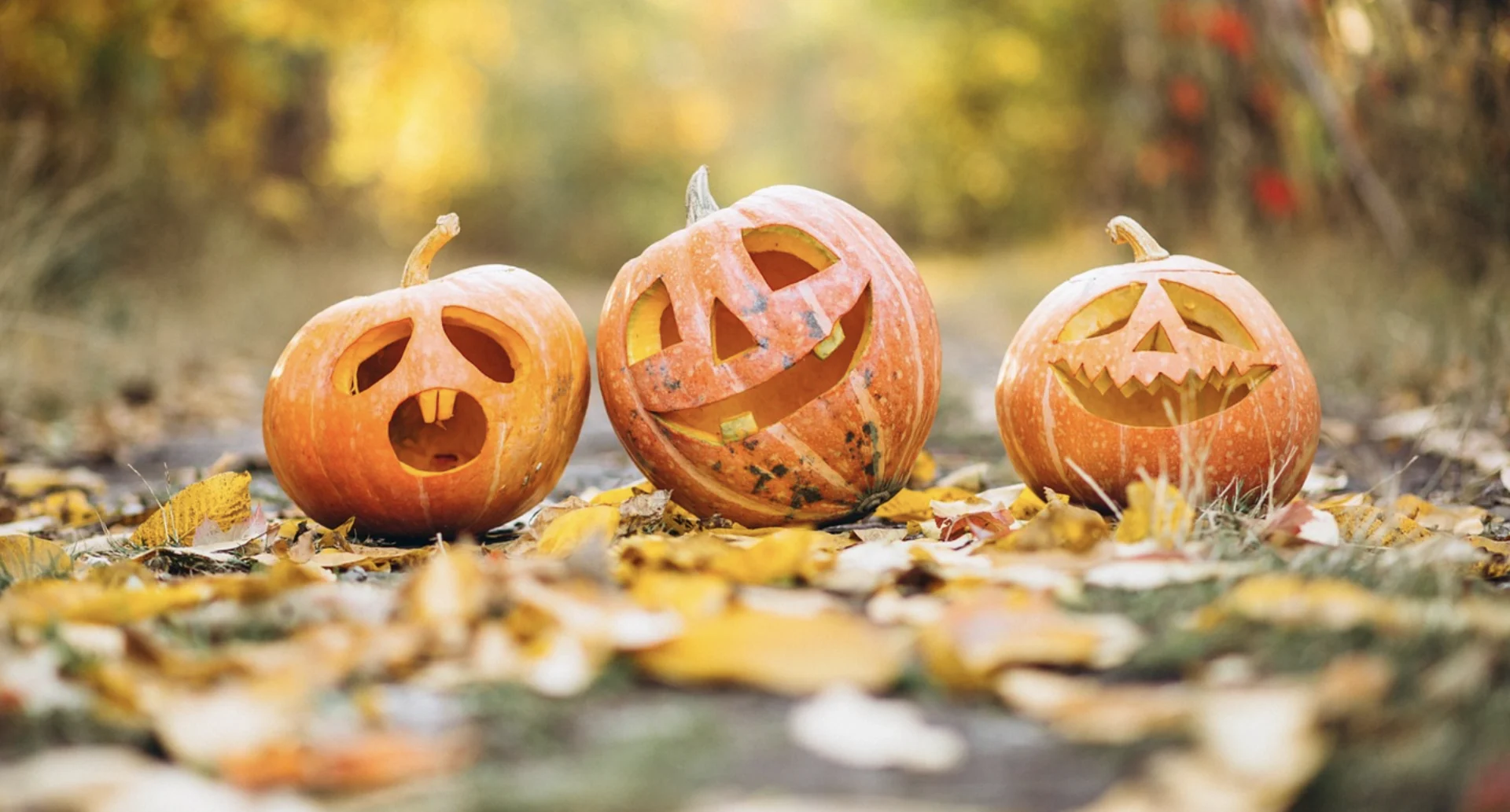
(gadgemayur/Pixabay)
As a result, Lester’s Farm in St. John’s said their pumpkin harvest was two weeks behind this year.
Last month, pointing to a field of green pumpkins, owner Chris Lester said, "here we are at the end of September. We never have pumpkins left in the field this time of year usually."
Lester said he also had challenges getting seeds planted at the start of the summer.
"It was so cold. It's like they weren't growing at all. Even when we got to July," he said.
Porter said her patch struggled, too.
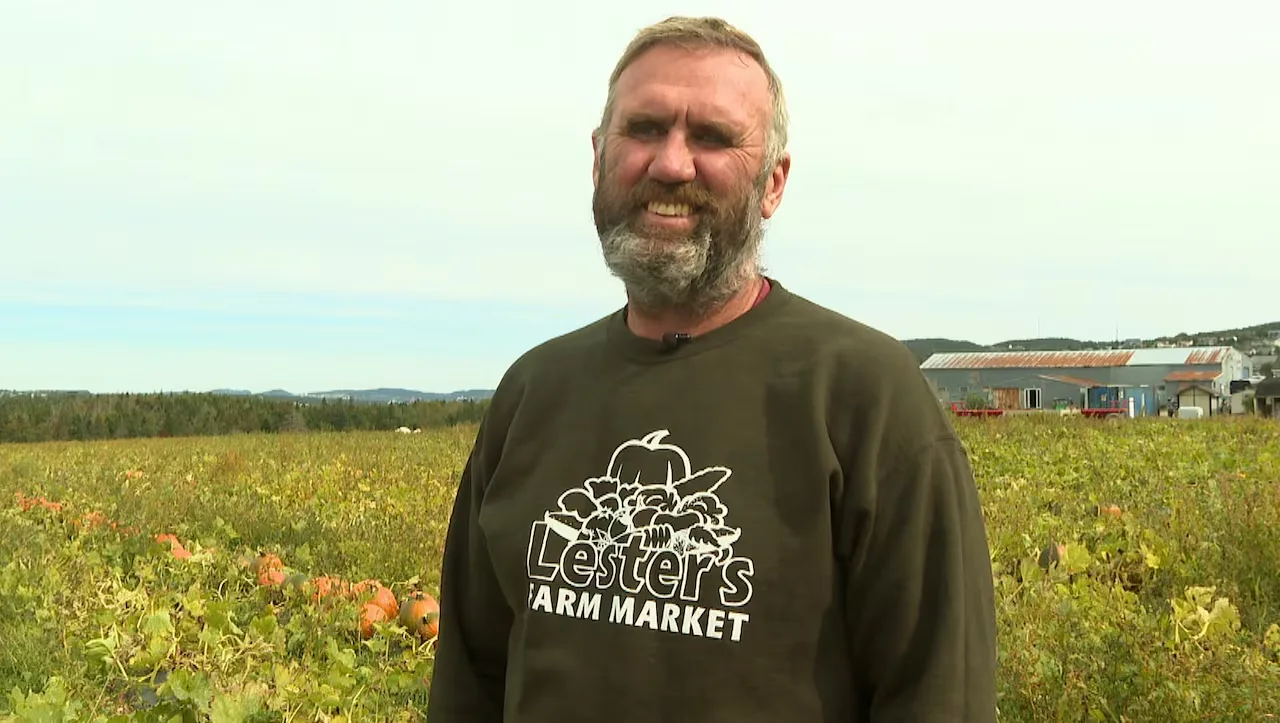
Lester's Farm owner, Chris Lester, said their pumpkin harvest was delayed about two weeks due to the summer's poor weather. (Abby Cole/CBC)
She planted around 3,000 pumpkin seeds but said only a couple hundred actually grew.
"I jumped the gun and planted a little bit too early. And that cold snap that we had during the spring took out some of my pumpkins. We did have some casualties," she said.
On the other hand, both farmers said that the pumpkins that did grow were great quality.
"They've got great size because we had pretty good moisture over the summer," said Lester.
Porter also said she saw a huge difference this year compared to last.
"We had quantity last year, but the quality was less. This year, we have great quality pumpkins, but the quantity is down," said Porter.
Climate Change creating an uncertain harvest
Memorial University climatologist Joel Finnis said these pumpkin problems come down to climate change.
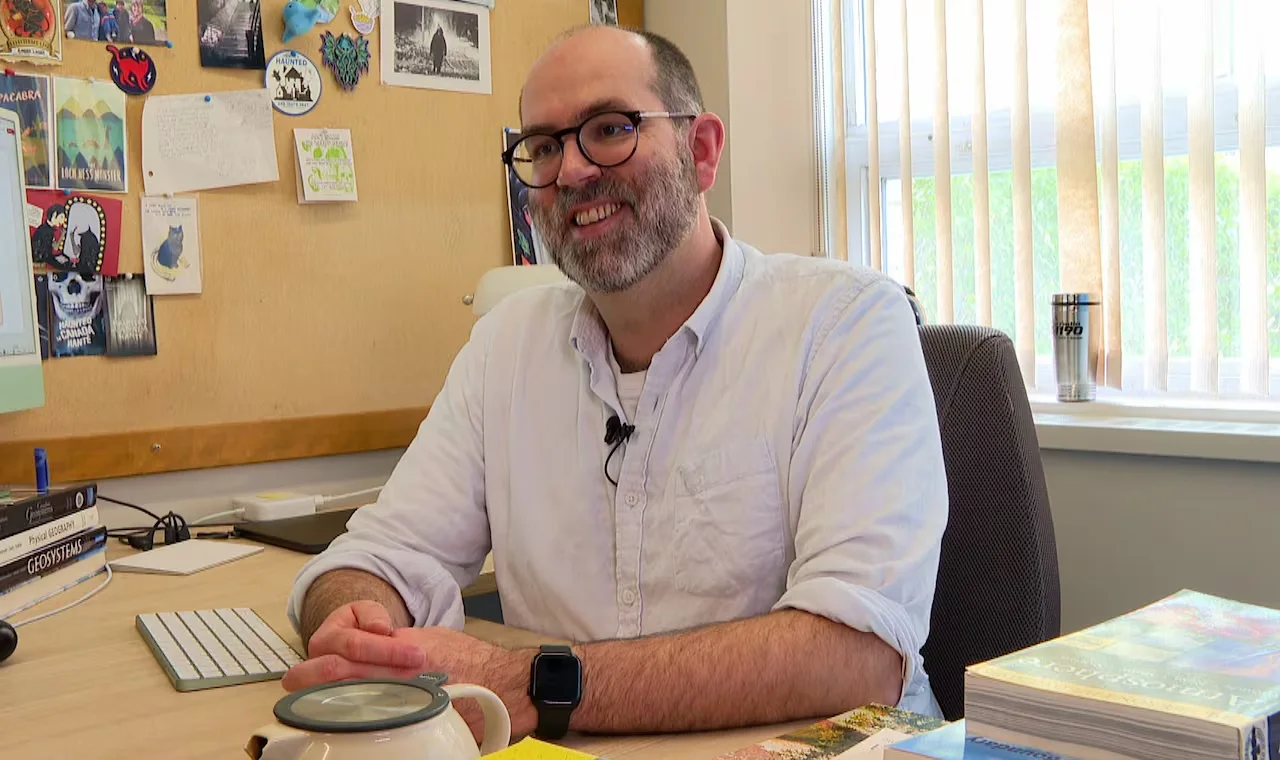
Memorial University climatologist, Joel Finnis, says climate change will create more unpredictability for Canadian farmers. (Abby Cole/CBC)
Finnis said the drastic weather difference between summer 2025 and summer 2026 is evidence of a changing climate — because the warmer the climate gets the more variation in weather conditions.
And that unpredictability will present some serious challenges for agriculture.
"It's hard to plant for a season that you've never experienced before. And we're starting to see more and more seasons that we haven't experienced before," he said.
As for the delayed harvest experienced at Lester’s Farm, Finnis said that is also evidence of climate change.
"That's one of the major things that we've expected from climate change for a long time. Is that that fall cool season…those really low temperatures will get pushed later and later and later," he said.

(Jill Wellington/Pixabay)
And although this can mean a greater crop later into the season, Finnis said it can increase the likelihood of pests.
"If we end up seeing the season extended right from earlier springs onto later falls, you also get problems with things like new pest species, insect pests that have a longer period to go through a full life cycle and maybe really prepare themselves to explode in the following spring," he said.
So, Finnis said the unpredictability will mean farmers will struggle for a while.
And for Porter, that includes pumpkins.
"We didn't really have to do a lot in the past to get them to grow. Now we need to water them so much," she said.
"It's just all these traditional things that we grow, we just have to change it up and we have to rethink how we plant and how we keep it alive."
Thumbnail courtesy of Erik White/CBC.
The story was originally written by Abby Cole and published for CBC News.