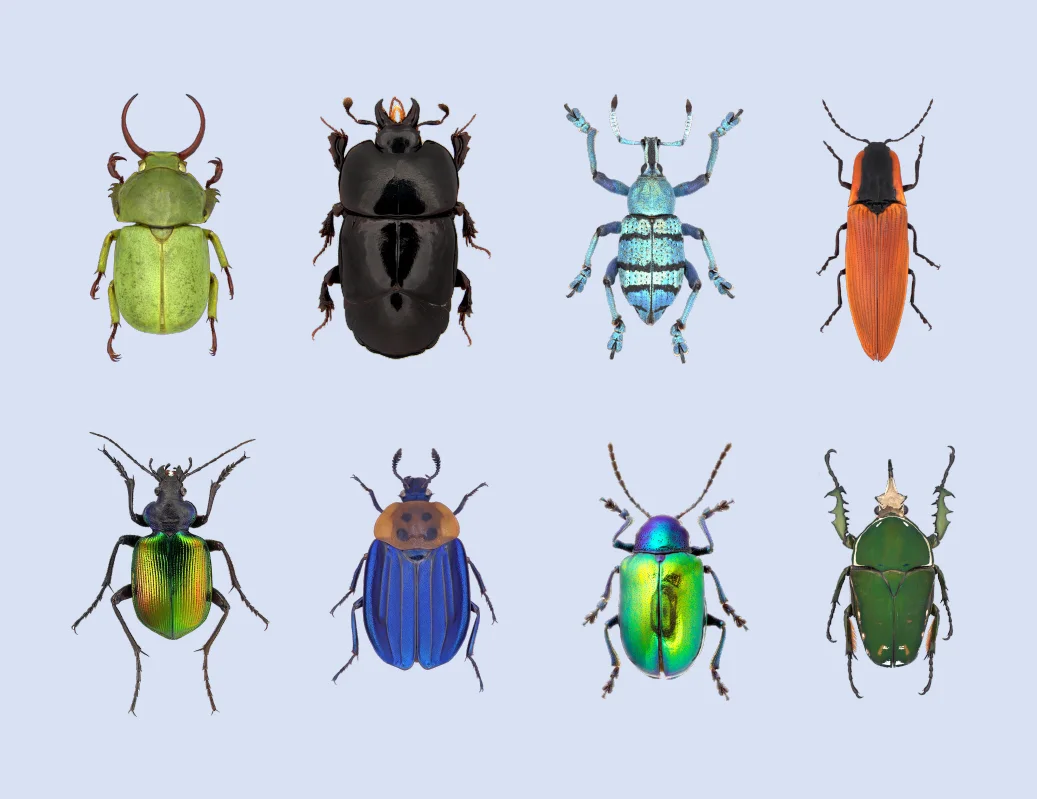
Beetles in Canada: New invasive species discovered in Halifax

A recent survey conducted in Halifax, Nova Scotia, has revealed eight European beetle species not previously documented in Canada.
Beetles are the most diverse organisms globally, with over 400,000 described species, including roughly 8,000 in Canada. Of these, about 600 are non-native species.
Just four years ago, world leaders pledged to reduce the introduction of invasive species by 50 per cent by 2030 to safeguard biodiversity.
Patrice Bouchard, an Entomology Research Scientist at Ottawa Research and Development Centre, explains that human activity has contributed to the spread of non-native beetles. Early European ships transported soil and rocks for ballast, inadvertently introducing new insect species into Canada as far back as the 1600s.
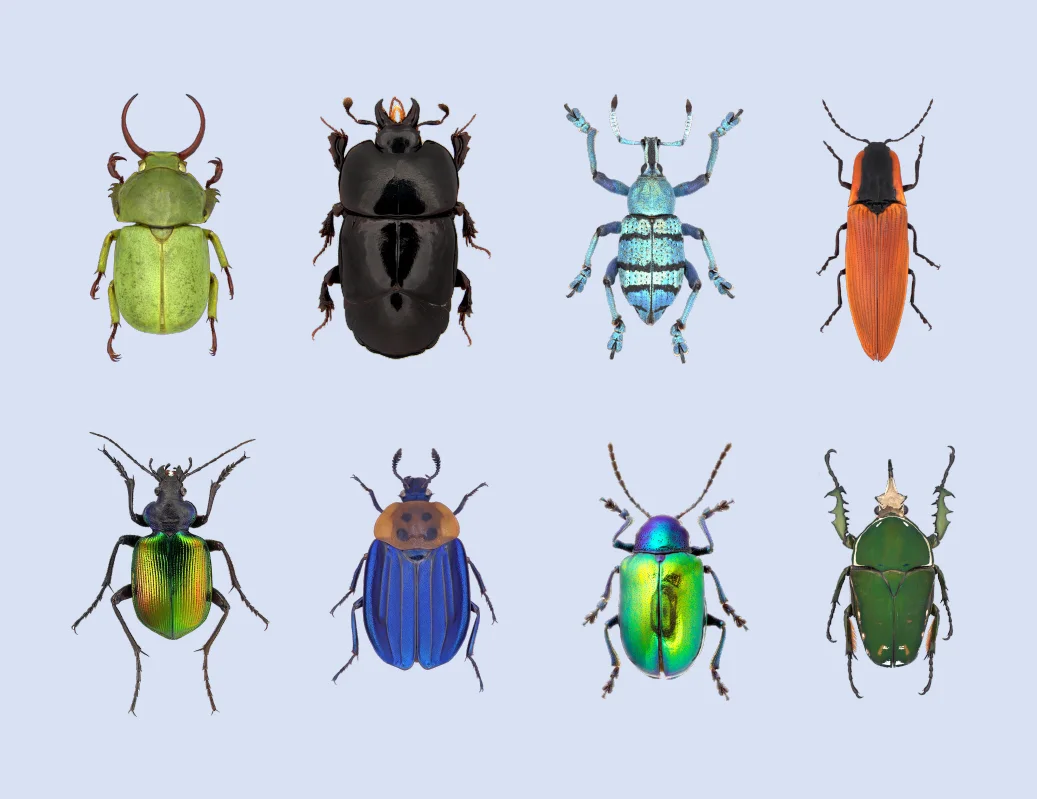
Close monitoring of new beetles in Canada will be critical | Courtesy: Agriculture and Agri-Food Canada
Today, beetles continue to arrive via global trade, particularly in imported soil, plants, and even fruits like grapes. New species are regularly discovered. A recent study conducted in Halifax identified eight previously undocumented European beetle species now present in Canada.
These include weevils—some of which feed on weeds and could provide certain benefits—but others, like European plant pests, pose risks. Close monitoring will be critical, Bouchard explains.
The study findings will appear in The Coleopterists Bulletin. This underlines the importance of vigilance in monitoring and mitigating invasive species to protect Canada’s ecosystems.