What lies beneath: Deepsea world thriving off Newfoundland

A recent Oceana Canada expedition reveals stunning, new footage of the deepsea ecosystem off Newfoundland and Labrador.
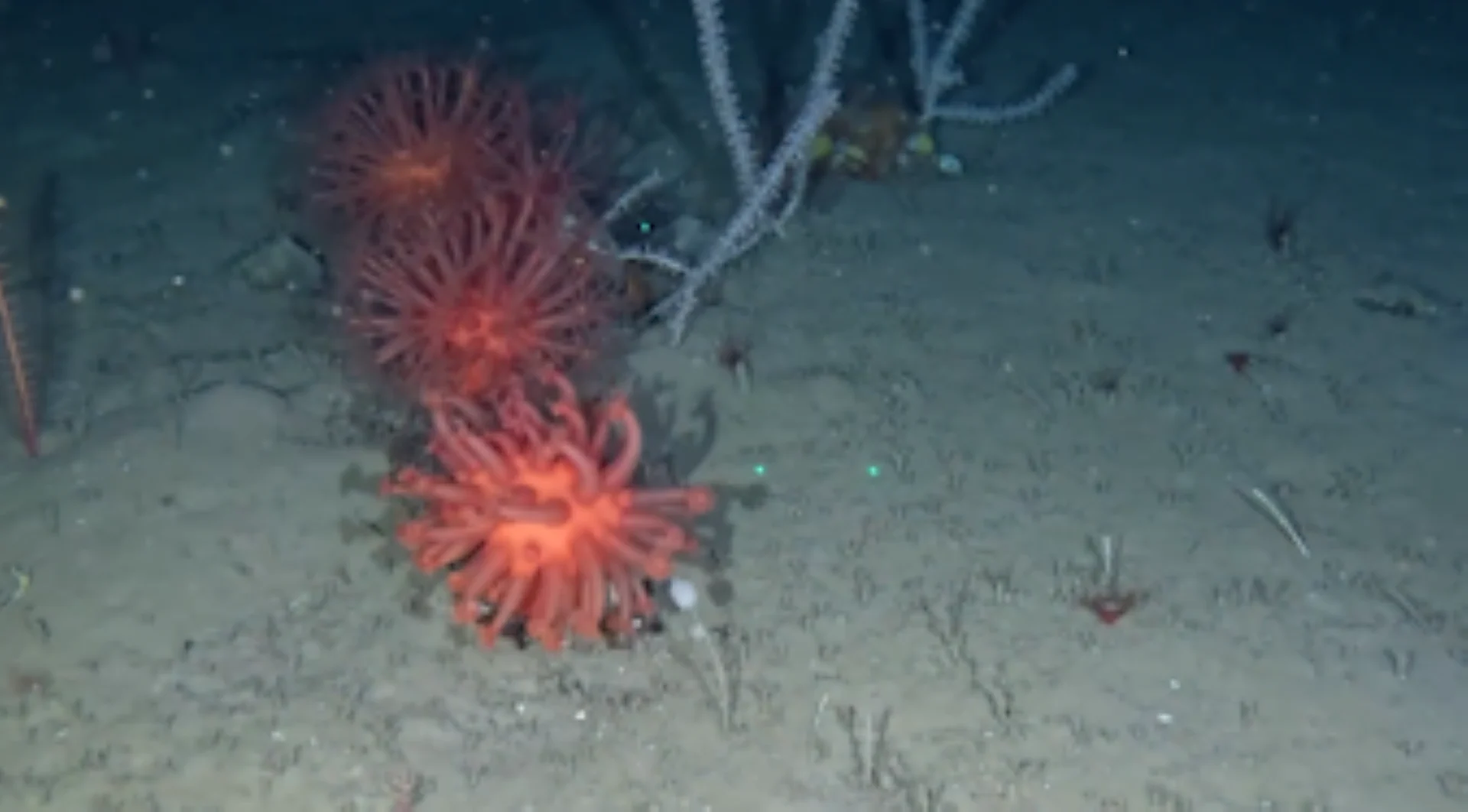
Surveys and trawl data have always hinted that the area off the Newfoundland and Labrador coast was likely very important for cold-water corals, but a recent expedition is now giving a better visual understanding of the ecosystem that lies deep beneath the surface.
“We found that the sea floor in this area is incredibly complex. There are many different materials that make up the sea floor, from soft mud all the way to solid bedrock and everything in between," said Isabelle Jubinville, marine scientist and expedition science lead at Oceana Canada.
A habitat with this type of variability, going from mud to a rocky cliff, all with a few-hundred metres, really drives biodiversity.
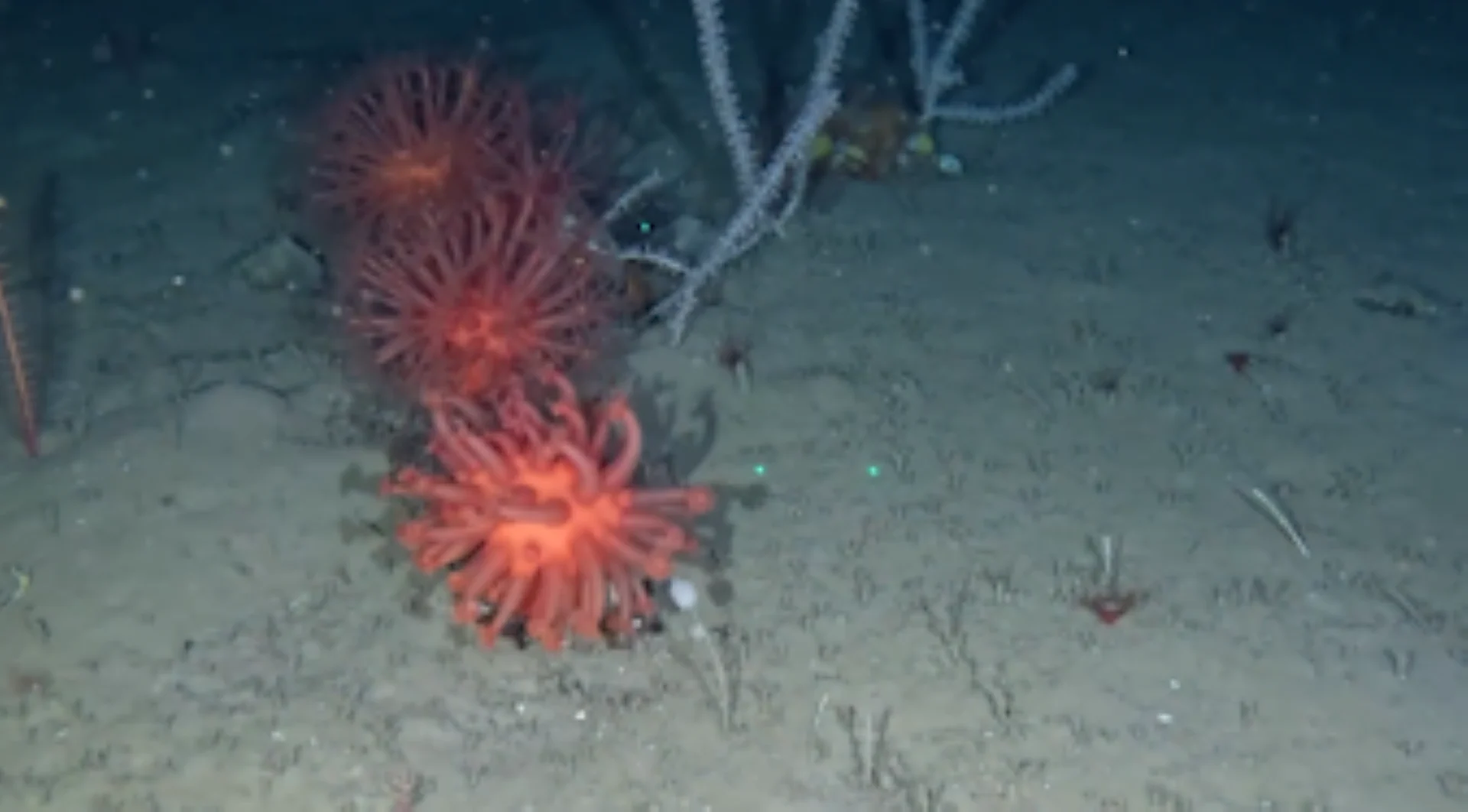
“Cold-water corals require different types of substrate to attach to or to anchor into. Some, like sea pens, require mud or soft sand in order to burrow in and anchor. Others, like the large, branching corals that we saw, require rocky substrate," said Jubinville.
(Oceana Canada/Submitted to The Weather Network)
She says corals grow very slowly, but when they form, they grow impressive and complex, three-dimensional structures. Similar to a forest at the bottom of the ocean, different types of fish, invertebrates or their larvae will use the corals as a place to either spawn or rear their young, and it aggregates prey for other species to take advantage of.
“Because they grow so slowly, on the order of a centimetre per year or less, some of the areas that we saw, corals were [more than] a metre tall. These are centuries-old and have been growing down there, creating this important habitat for so long," said Jubinville.
"These types of habitats, which are scattered around the Newfoundland and Labrador region, are a part of what drives that.”
They saw schools of redfish by the hundreds around the corals, along with a lot of black dogfish sharks, as well as 13 different chimaeras--a type of deepsea fish related to sharks. It was a rare encounter because they stay so deep.
Oceana Canada says the scientific detail gained on this expedition is meaningful as it finally sheds light on systems that support fisheries, store carbon, and generate long-term value for Canadians.
Thumbnail courtesy of Oceana Canada.