Ticks are a year-round problem: Keep your dog protected with these tips


As the weather warms up, so does the risk of ticks for our furry friends. Here's how to keep them protected.
Dogs across Canada generally welcome the arrival of spring, as it brings longer walks and the chance to shed their winter booties.
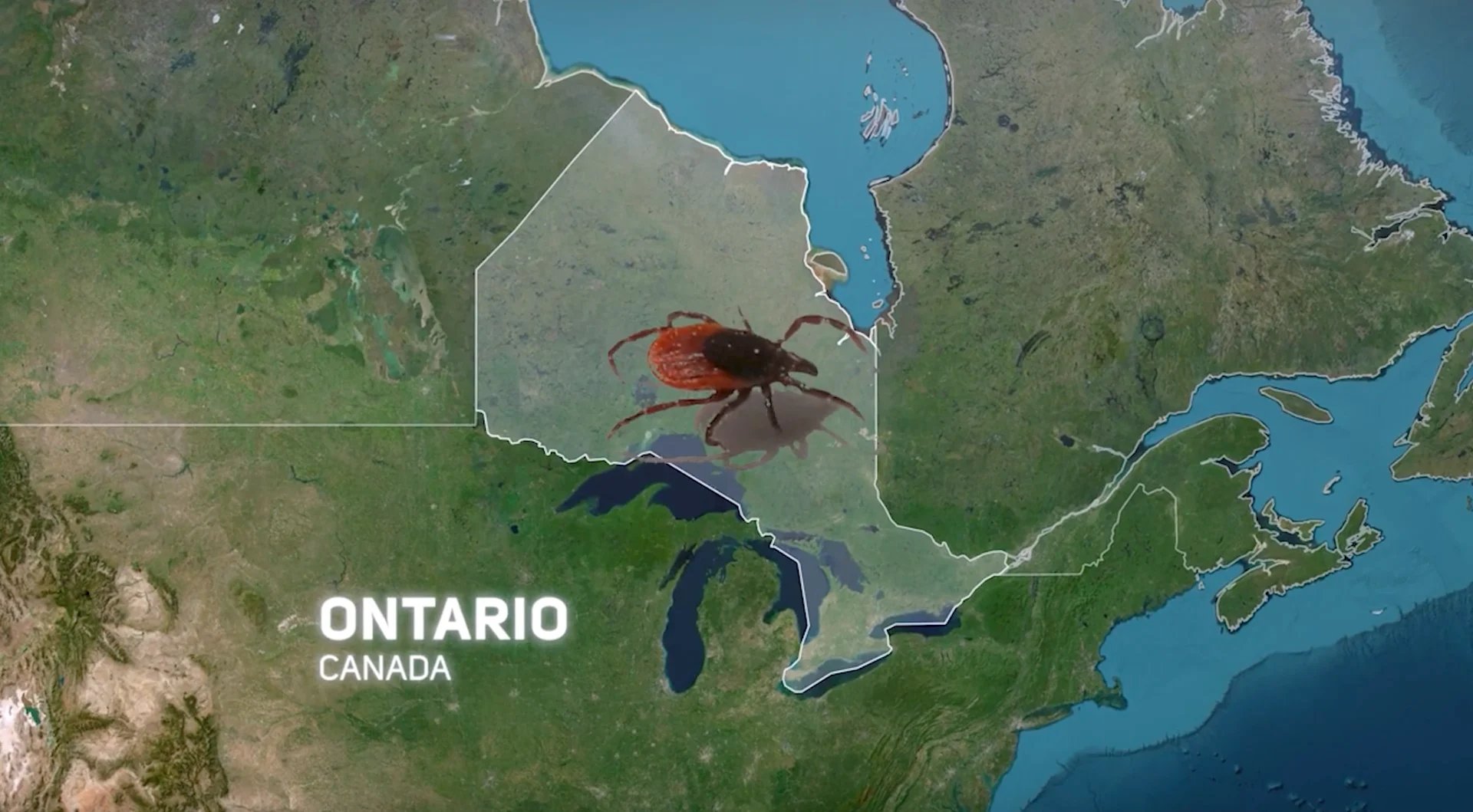
But our pets aren’t alone in enjoying the warmer weather—ticks are, too. And in Ontario, they’re becoming active again right now, even if it doesn’t feel particularly warm outside.
Common Myths About Ticks
One of the biggest misconceptions about ticks is that they only show up in the heat of summer. In reality, some species—including the blacklegged tick, which can carry the bacteria that cause Lyme disease—become active above 4 degrees celcius.
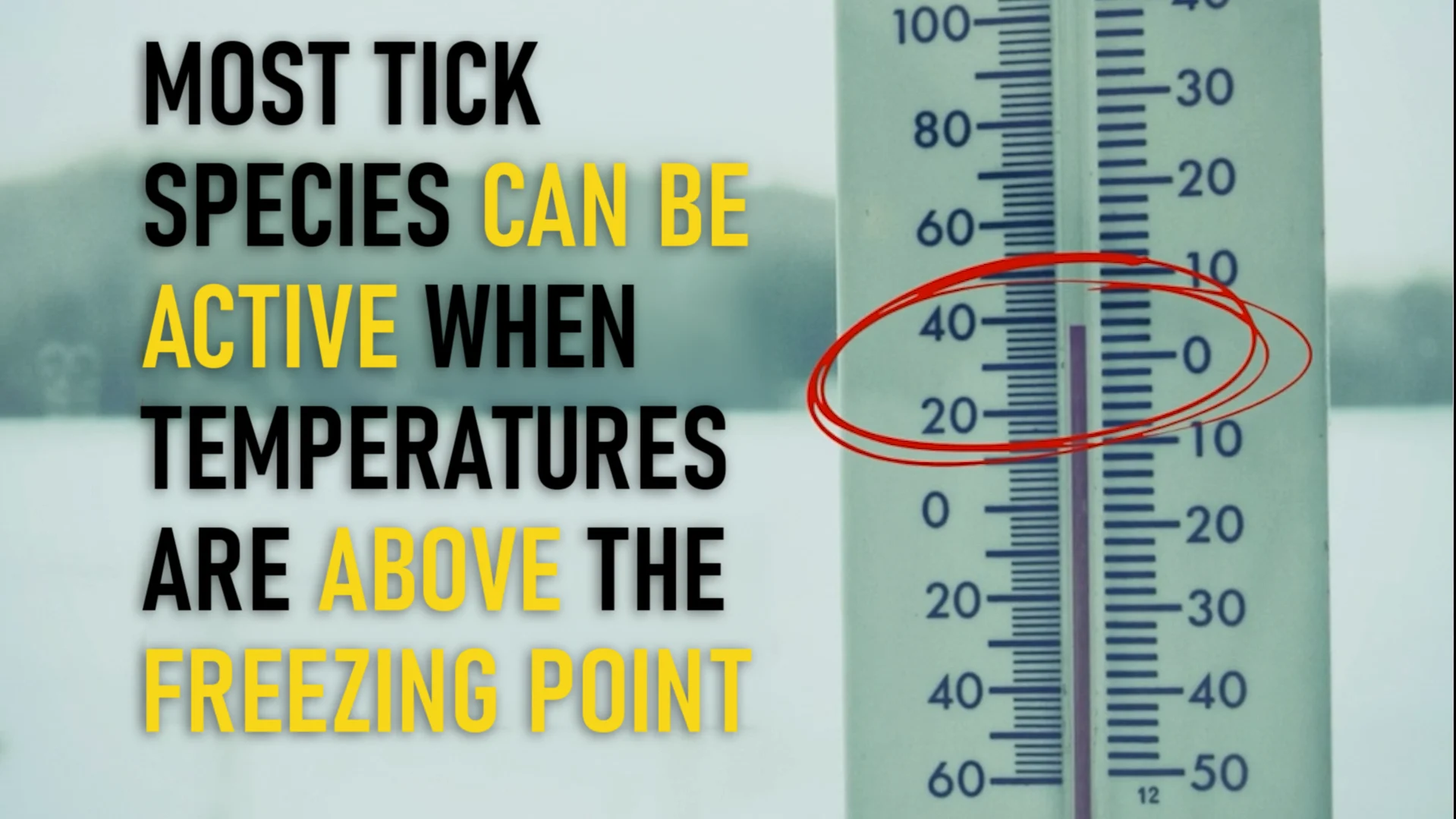
This means ticks can be out in early spring, late fall, and even during mild winter days. They don’t truly hibernate, either. Instead, they enter a dormant state known as “diapause,” surviving cold conditions by hiding under snow, leaf litter, and brush. They emerge as soon as the weather allows, regardless of what season it is.
That said, spring is when the risk of tick bites really starts to ramp up. As snow melts and temperatures fluctuate above freezing, ticks begin to “wake up” and search for hosts. Some research suggests that ticks carrying Lyme disease may be especially resilient—surviving winter more effectively and becoming active earlier in the season.
Ticks in the City
Another common myth: ticks are only found in forested areas. In reality, ticks are now found in a wide range of environments across Ontario, including city parks, suburban backyards, trails, and green spaces. They can even travel long distances by hitching rides on birds and deer.
As temperatures warm and climates shift, ticks are expanding their range across Canada, spreading into new regions at an estimated rate of about 46 kilometres per year.
Ticks don’t jump, fly, or fall from trees. Instead, they use a behavior called questing, waiting on the tips of grasses or shrubs with their front legs extended, ready to latch onto a passing host. If your dog brushes up against that spot, the tick can quickly climb aboard.
Ticks Are Sneaky
If you’re relying on your pet for news of a tick’s arrival, you might be waiting a while. Tick bites are painless, so your dog likely won’t react at all. And spotting them isn’t always easy—nymphs (baby ticks) can be as small as a poppy seed (about half a millimetre), while adult ticks are only about the size of a sesame seed (three millimetres) when fully grown. This means that in many cases, the only way to detect one is by touch.
After spending time outdoors—especially near grass, brush, or wooded areas—it's a good idea to do a quick tick check. Start at your dog’s head and run your fingers through their fur like a comb, feeling for any new bumps or irregularities.
Pay close attention to:
Around and inside the ears
Under the collar
Under the front legs
The groin area
Under the tail
Between the toes
If something feels unusual, take a closer look or contact your veterinarian.
Why Tick Prevention Matters
Ticks aren’t just unpleasant; they can carry diseases that affect both pets and humans.
Data from the Companion Animal Parasite Council (CAPC) shows that one in 20 dogs in Canada (about five per cent) now have antibodies to Lyme disease. Clinical Lyme disease can be serious if lef tuntreated in dogs. As tick populations grow and spread, awareness—and prevention—become increasingly important.
Experts recommend knowing the level of tick risk in your area, checking your pet regularly after time outdoors, and speaking with your veterinarian about prevention options like tick medication before peak season.
How to Track Tick Activity Near You
If you’re curious about tick activity in your area, there are a few tools available, including eTick.ca—a free, public platform for image-based monitoring of ticks in Canada. The service will also identify which type of tick you’re dealing with (if you upload a photo) within 48 hours.
Public Health Ontario similarly maintains a map of "Blacklegged Tick (BLT) Established Risk Areas" that shows where you’re more likely to find Blacklegged ticks based on reports of sightings.
With more mild days ahead, tick activity is only expected to increase across Ontario. And while warmer weather means more time outside with your dog, it also means being a bit more mindful of what might be waiting in the grass. A quick check at the end of a walk can go a long way.
To learn more about tick prevention, click here.