Study finds Hurricane Maria may have sped up aging in monkeys

The study suggests several factors may contribute to how an individual responds to a disaster.
In 2017, Hurricane Maria crashed into Puerto Rico as a category-4 storm with winds upwards of 281 kilometres per hour, killing more than 3,000 people and causing more than $100 billion in damages.
Authorities struggled to get supplies to victims amid washed-out roads. In some places, food and water ran perilously low, a situation exacerbated by power outages affecting most of the U.S. territory's 3.4 million inhabitants.
VIDEO: STUDY FINDS HURRICANES MAKE SPIDERS MORE AGGRESSIVE
LONG-TERM EFFECTS
Now, a new paper by researchers out of Arizona State University finds the stress of the storm wasn't carried by humans alone.
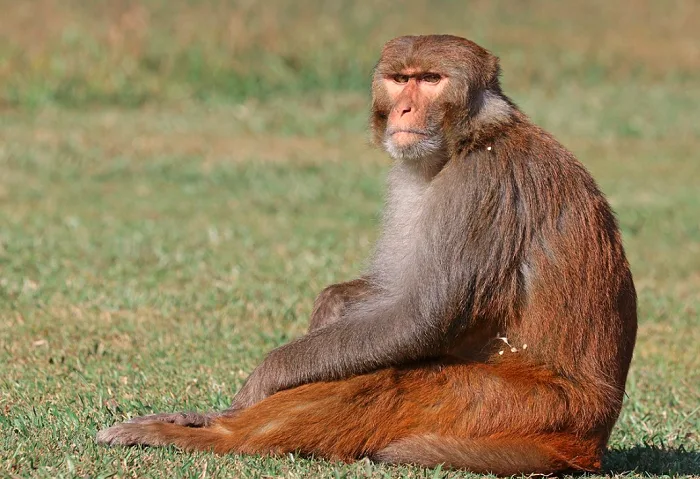
It appears as though Maria may have molecularly accelerated aging in the immune systems of the island's free-ranging rhesus macaque monkeys.
Only about 2.75 per cent of Puerto Rico's macaque population died during or immediately after Maria, and death rates remained average in the years that followed - but blood analysis revealed about 4 per cent of the genes expressed in the macaques' immune cells acted differently after the storm.
"On average, monkeys who lived through the Hurricane had immune gene expression profiles that had aged 2 extra years, or approximately 7-8 years of human lifespan," lead author Marina Watowich said in a statement.
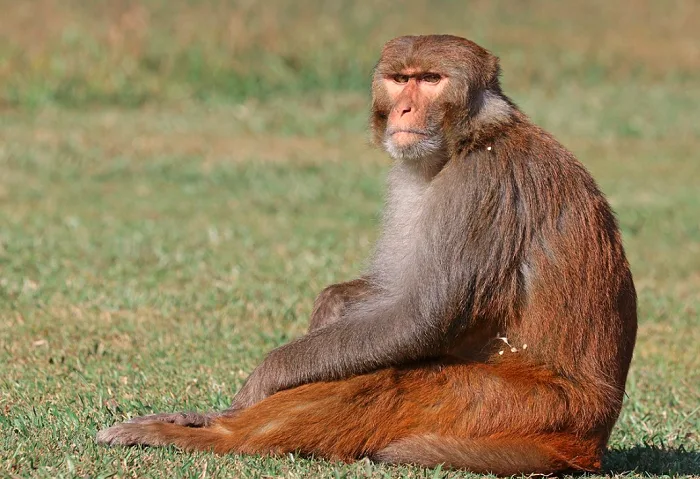
Macaques with more social support were found to fare better. (Charles J. Sharp/Wikipedia CC BY-SA 4.0)
The National Human Genome Research Institute defines gene expression, in its simplest terms, as "the process by which the information encoded in a gene is used to direct the assembly of a protein molecule." Gene expression changes as humans go through life and could give clues about an individual's age. Monkeys are believed to experience a similar process.
Markers in the monkeys' blood post-Maria suggest an increase in inflammation and more disruptions in the gene-folding process, changes that are associated with getting older, corresponding author Noah Snyder-Mackler told NewScientist. Snyder-Mackler hypothesized that the destruction of the macaque's habitat may have triggered acute stress and sped up aging.
RELATED: HERE'S HOW LIZARDS ARE ADAPTING TO WITHSTAND HURRICANES
SEE ALSO: Mammal 'selfies' show protected areas thriving with species diversity
SOCIAL SUPPORT
But not all of the monkeys involved in the study fared the same - with some individuals aging more than others, suggesting several environmental factors may determine disaster response.
Like people, monkeys are social animals. The authors theorize that macaques with more social support after the storm experienced better outcomes.
Researchers say the findings could provide insight into how exposure to stressful weather events can implicate health years down the road.
"While everyone ages, we don't all age at the same rate, and our lived experiences, both negative and positive, can alter this pace of aging. One negative life experience, surviving an extreme event, can lead to chronic inflammation and the early onset of some age-related diseases, like heart disease," Snyder-Mackler said in a statement.
"But we still don't know exactly how these events get embedded in our bodies leading to negative health effects that may not show up until decades after the event itself."
In future studies, the team hopes to conduct a broader analysis of individuals within a population to determine the impact of natural disasters and develop better strategies to mitigate any potential long-term effects.