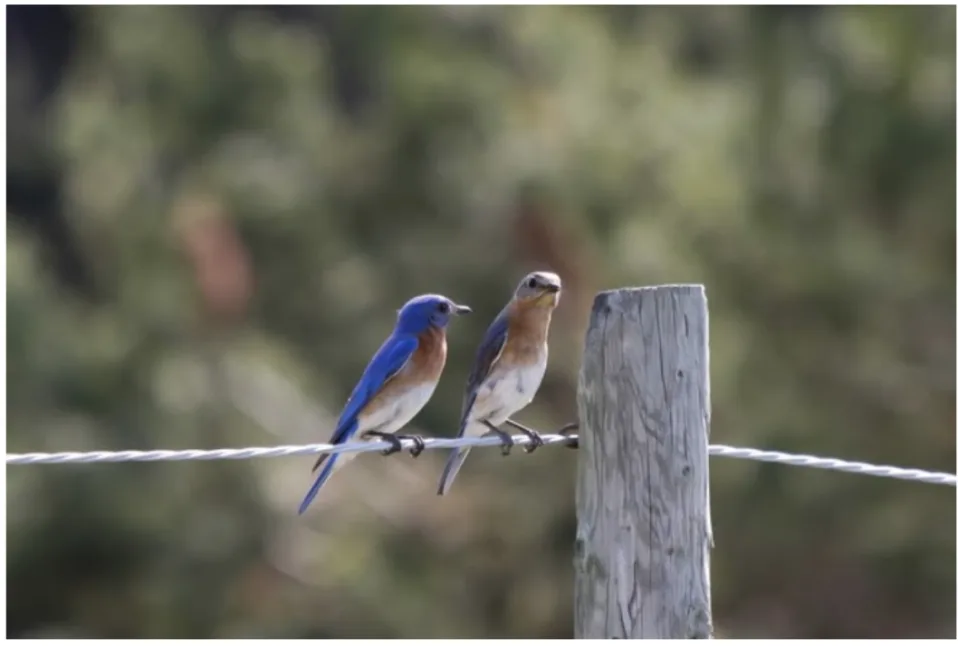
Calling all birders! Seven best birding views in Manitoba


Take out your camera and binoculars. We are diving into why Manitoba is awesome for birding!
It’s amazing to know that over 400,000 birds migrate through the skies of Manitoba each year. The province is rich in biodiversity with many provincial parks and conservation areas. The people of Manitoba take great pride in their efforts to keep their natural land and bird populations healthy.
Here are 7 top destinations to view Manitoba’s amazing bird populations!
CHURCHILL
With an abundance of birds in the area, Churchill is home to The Churchill Northern Studies Centre. Their research has determined that most birders could see over 100 species of birds on a 4-7 day trip in the area.
Some notable birds in Churchill include: Ross’s Gull, Spruce Grouse, Three-toed Woodpecker, Northern Hawk Owl, Yellow Rail, Harris’s Sparrow and Smith’s Longspur.
Researchers have noticed that the birds in Churchill are very accessible and approachable. This unfortunately makes them vulnerable to disturbance and harm. When birding in this area give them space.
HECLA/GRINDSTONE PROVINCIAL PARK
Hecla/Grindstone Provincial Park is located on an island in Lake Winnipeg. However, you don't need a boat to get to this birding paradise, as a convenient causeway will connect you.
White pelicans are a species that amuse birders every year! In the winter they flock to Mexico and California.

Blackwell Pelican south of Hecla/Grindstone Provincial Park. Photo Credit: HR/Submitted.
The interlake region is home to about 300 different types of birds. If you are looking for eagles you will be sure to see them here. You may also get lucky and spot a snowy owl and gyrfalcon.

Pelican south of Hecla/Grindstone Provincial Park. Photo Credit: Carol Vermeerl/Submitted.
The park is well-suited for birders and there are multiple lookout towers, wooden boardwalks, blinds, benches and viewing telescopes.
WHITEWATER LAKE WILDLIFE MANAGEMENT AREA
This wetland in southwesten Manitoba near Boissevain, is an amazing place to watch the migration of ducks and geese with about half a million passing through.
Not only is this place a treasure to Canada it is also recognized as an “important bird area of global significance”. 110 species of birds call this wildlife area home.
It’s a natural habitat and is protected from mining, logging and hydro-electric development.
In the fall this area has the highest population of tundra swans and usually sees about 10,000 white fronted geese.
Your photos will not disappoint as you explore the region around Whitewater Lake!
MANITOBA TALL GRASS PRAIRIE PRESERVE
Manitoba's provincial bird is the Great Gray Owl. You can find it flying about the Tall Grass Prairie Preserve in the RM of Stuartburn. But that’s not all: over 90 birds call this 2000-hectare preserve home.
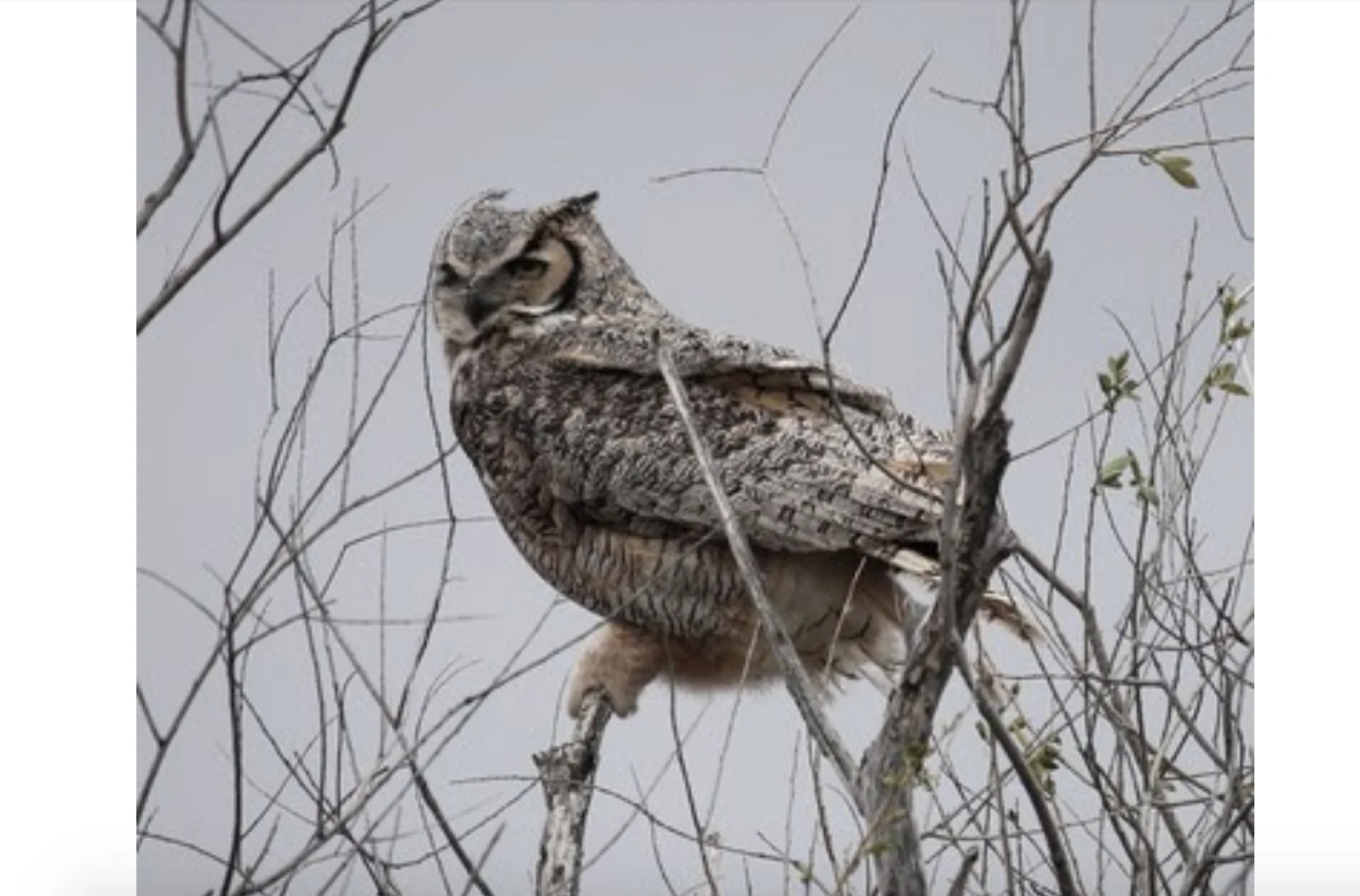
Photo Credit: Taken by The Weather Netework viewer, Mr.Ciezynski, at Great Horned Owl Oak Hammock Marsh
It’s a fun place to explore with its various terrains. It also features a 1.6 km interpretive hiking trail that can be enjoyed year round.
Environment Canada is among many groups who are working towards preserving this area and preventing further endangerment.
DELTA MARSH WILDLIFE MANAGEMENT AREA
This is a critical area for migration of neotropical species, meaning these birds breed in Canada then travel to tropical regions during our winter.
Outdoor Canada has also noted how important this area is to the migration of waterfowl, calling it a “bucket-list destination.”
Delta Marsh is on the southern shores of Lake Manitoba and is dedicated to protecting habitats. It also offers opportunities to enhance trapping and hunting.
You will find big populations of heron in the marsh interior. Some sightings have included: Great Egret, Great Blue Heron and Black-crowned Night heron.
FORTWHYTE ALIVE
Over 160 species of birds have been spotted at this nature preserve on the edge of Winnipeg. FortWhyte Alive interpretive staff have put together this incredible field guide to showcase some of their findings.
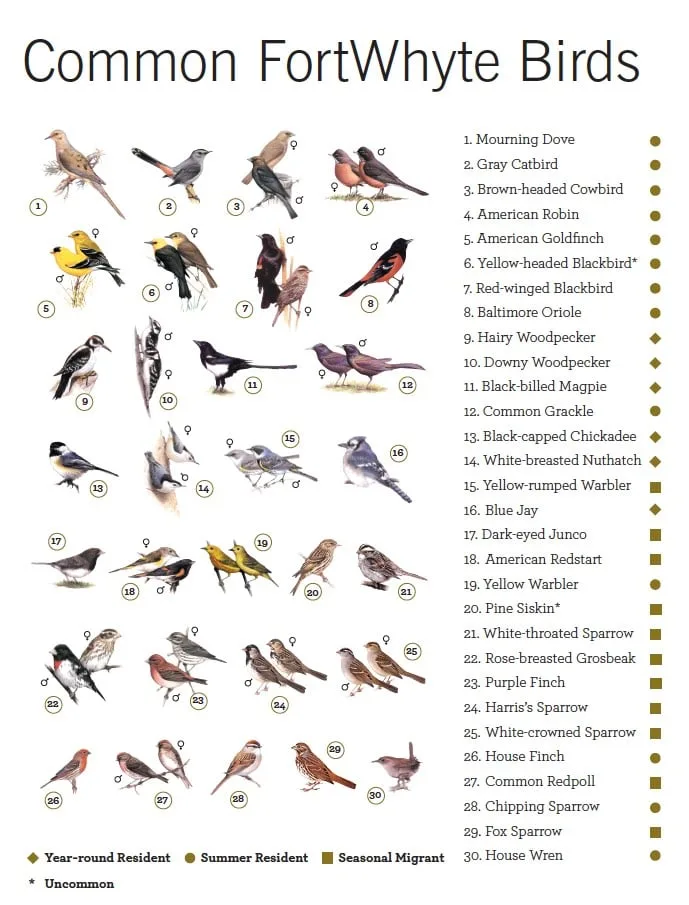
Courtesy: FortWhyte.org
You can view the birds as you hike seven kilometres of trails around lakes and through forests, or paddle the open water and enjoy the birds flying overhead.
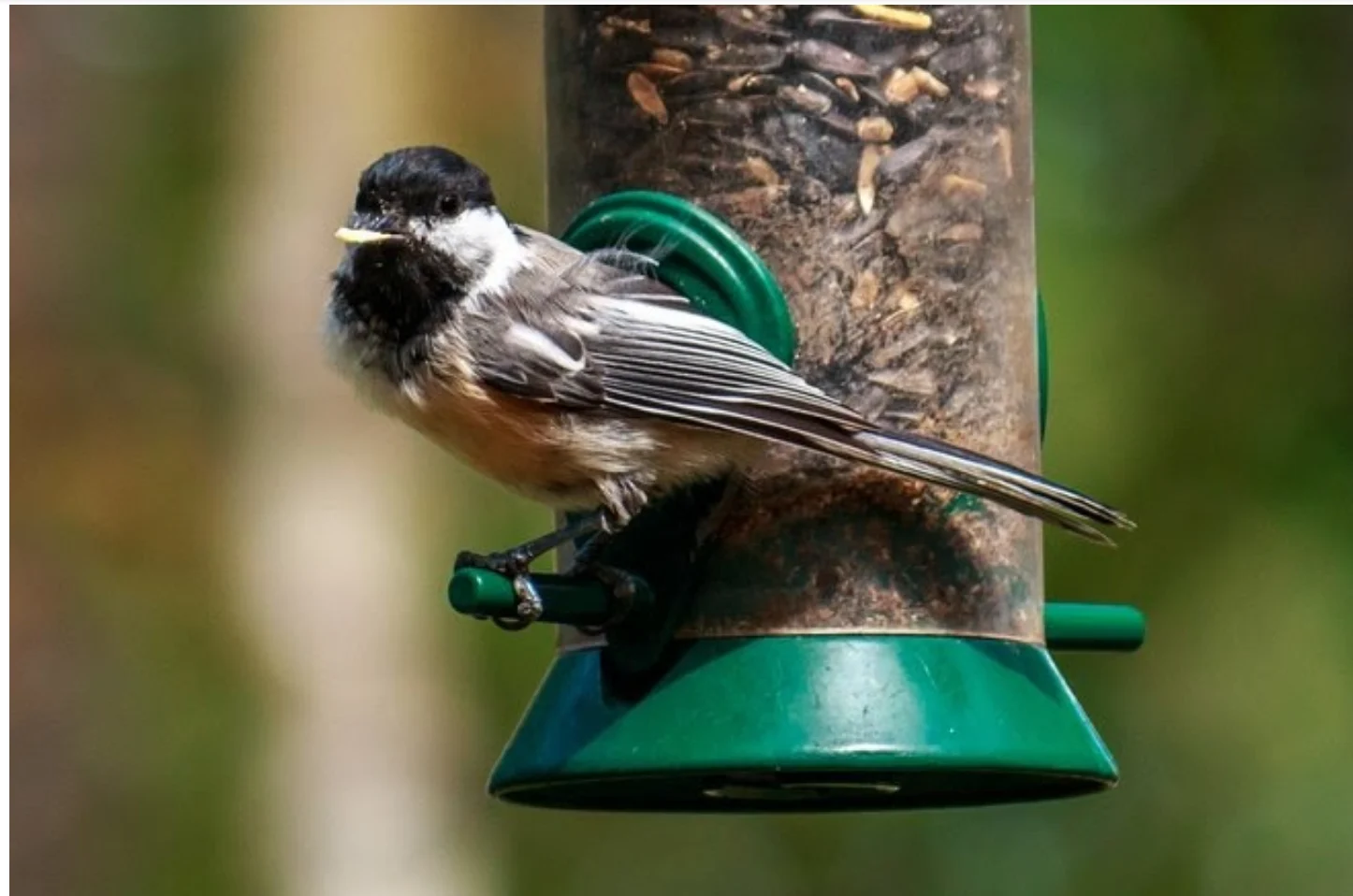
Black-Capped Chickadee at FortWhyte Alive. Photo Credit: Viewer Bruce Leppky/Submitted
OAK HAMMOCK MARSH
This top birding destination is located north of Winnipeg and features 36 square kilometers of nature.
Visitors can explore via guided birding tours or head out on their own via the network of boardwalk trails. This area features hundreds of species of waterfowl, songbirds and birds of prey.
Bird watchers can also paddle the waters. It’s extra special during the autumn at dusk as thousands of birds return to the wetlands.
Some rare birds that have been spotted in this area include: Caspian Tern, Sharp-shinned Hawk, Chestnut-collared Longspur, Buff-breasted Sandpiper, Hudsonian Godwit and White-breasted Nuthatch. The marsh has a checklist that any birder would be delighted to comb through!
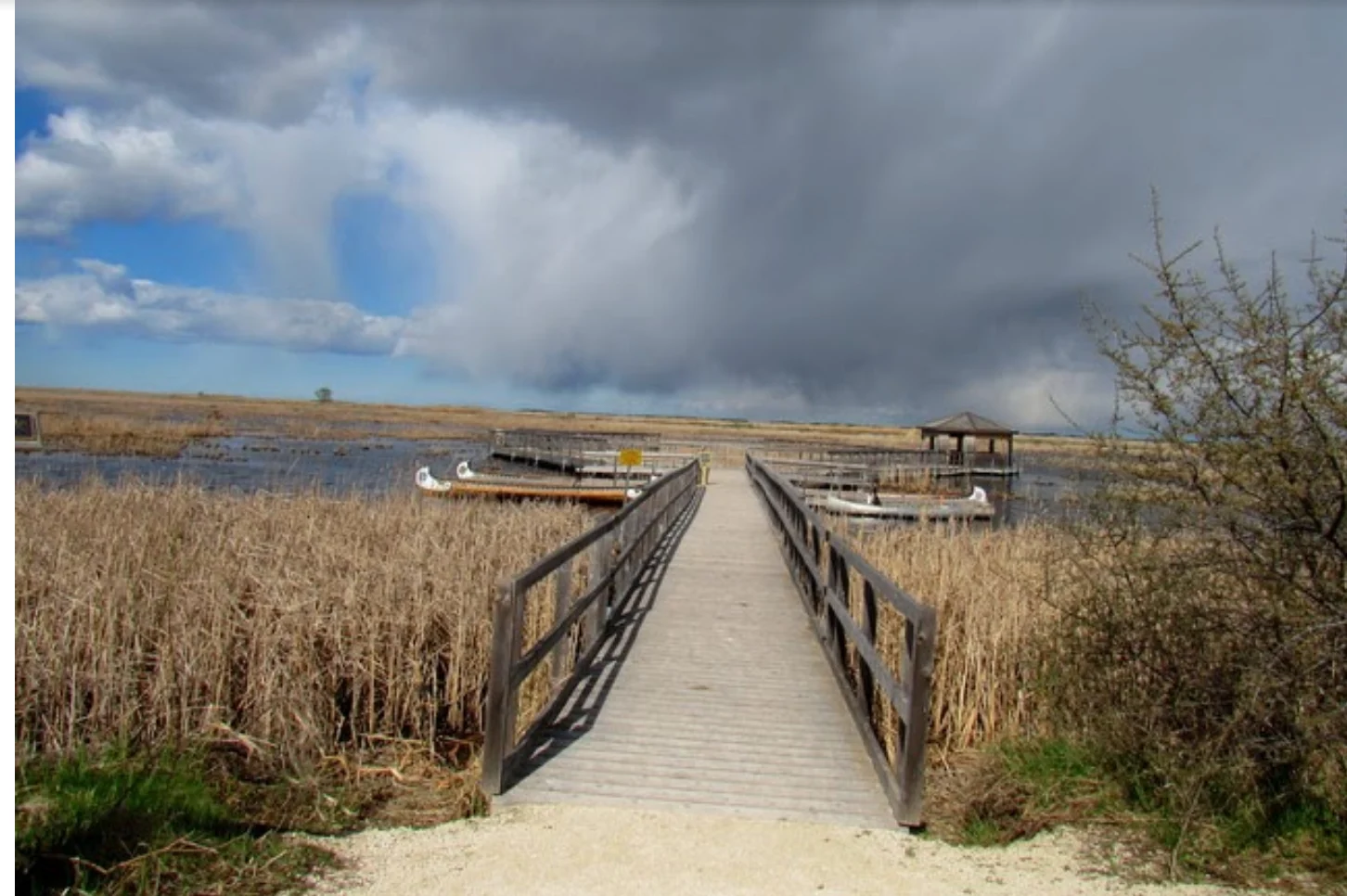
Oak Hammock Marsh. Photo Credit: Cieszynski/Submitted
Canada is home to some incredible birding locations. It’s no doubt Manitoba is a top destination for those eager to look into the skies, in trees or on the water to spot some rare displays of birds in the wild.
--
Thumbnail image courtesy: Crystal Desrochers/Submitted