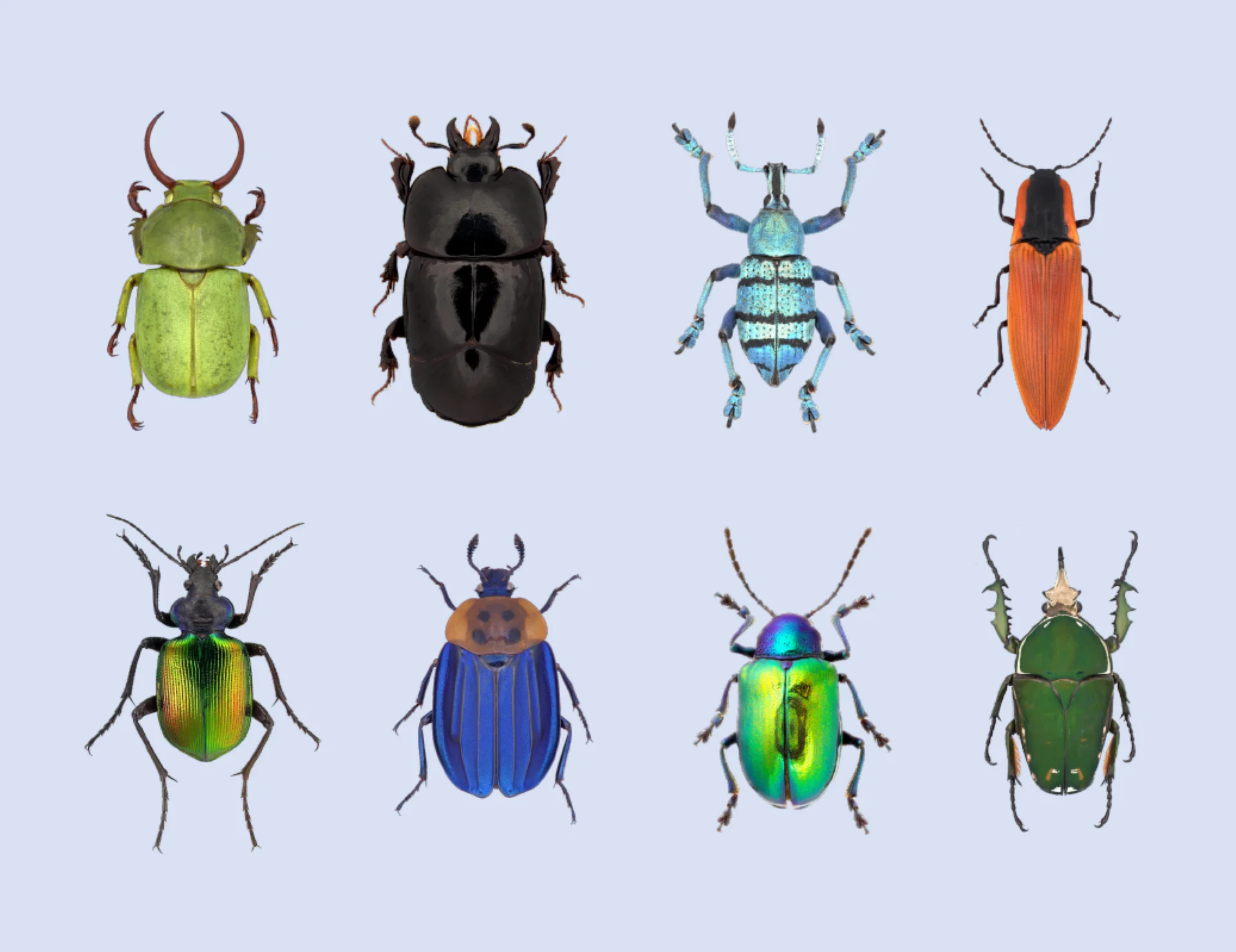
Scientists monitoring how beetles move in Canada following storms

There are about 8,000 species of beetles in Canada, but not all are created equal. As global temperatures rise, invasive beetles are on the move, threatening Canadian agriculture and native ecosystems.
There are about 8,000 species of beetles in Canada, and sometimes they get labelled as pests when it comes to agriculture because they feed on crops.
But there are good beetles, too.
“We can sometimes bring in beetles to feed on weeds that are a problem for agriculture," said Patrice Bouchard, research scientist at the Ottawa Research and Development Centre.
Beetles also use dung to develop their larvae.
But with climate change, invasive, alien species are moving into new areas of Canada where they don’t have their natural predators or parasites.
"If there are changes in temperature or climate over time, then they may be well-placed to outperform some of the native species and displace the native species. These alien species might do really well in the new environment, especially if the weather or climate is changing a lot," said Bouchard.
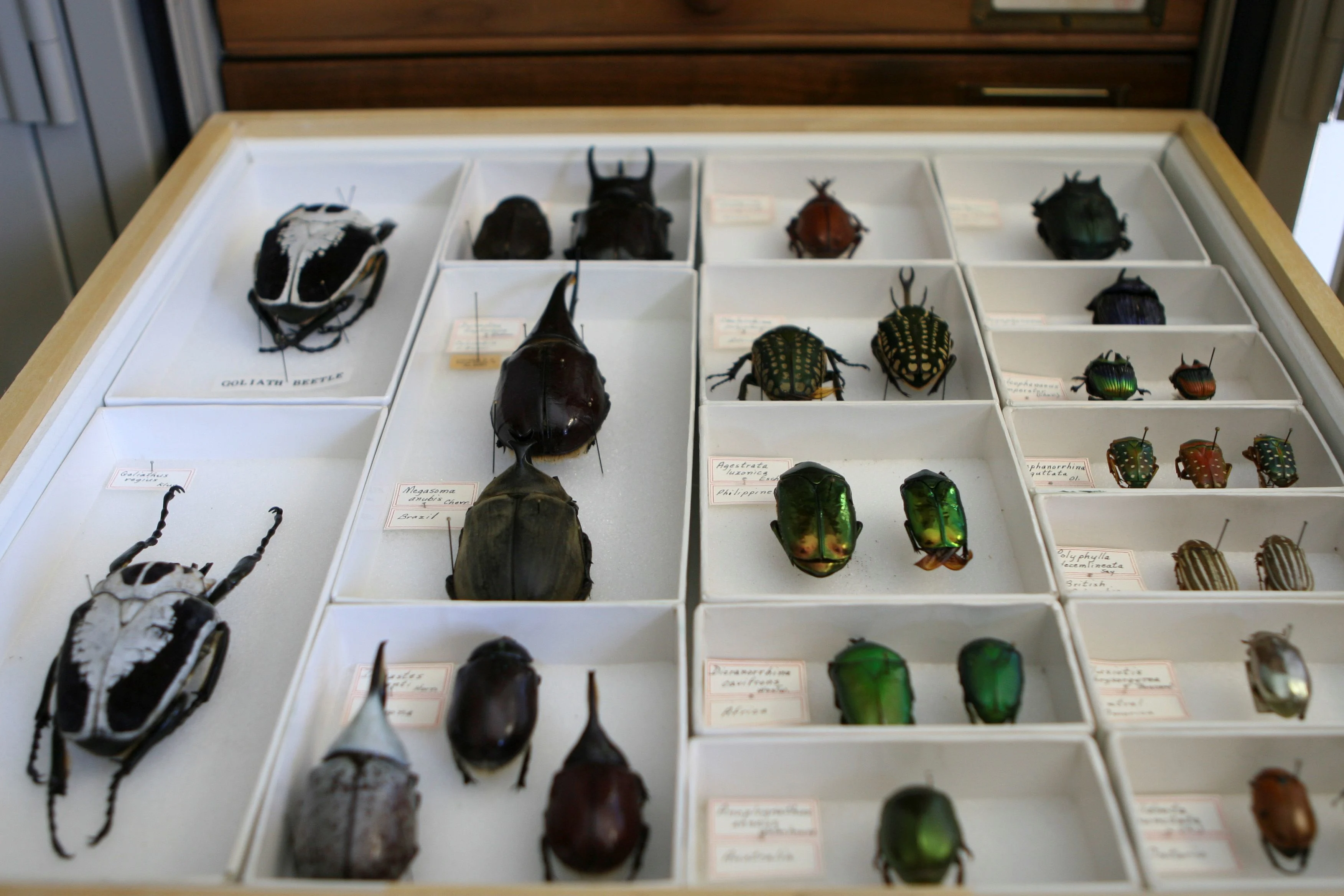
(Agriculture and Agri-Food Canada/Submitted to The Weather Network)
Bouchard studies parasites in the area of the origin of the invasive beetles. So, when alien species become problems for agriculture, they can put up a fight by bringing in their rivals.
“We can bring in their natural suite of predators or parasites from their area of origin after many studies showing these parasites are only going to attack the one species we want to control," said Bouchard.
He says extreme storms that whip up a lot of wind can disperse beetles to new, growing areas where they weren't present before.
“You also have flooding events, more flooding events, and these beetles, a lot of them can survive on little rafts of wood, for example. [They can] be transported great distances, and this may be a good opportunity for them to colonize a new area," said Bouchard.
Members of the public can even help through the iNaturalist app by uploading photos, which experts can examine. Sometimes, it leads to a team being sent out in an attempt to collect a specimen.
Thumbnail courtesy of Agriculture and Agri-Food Canada.