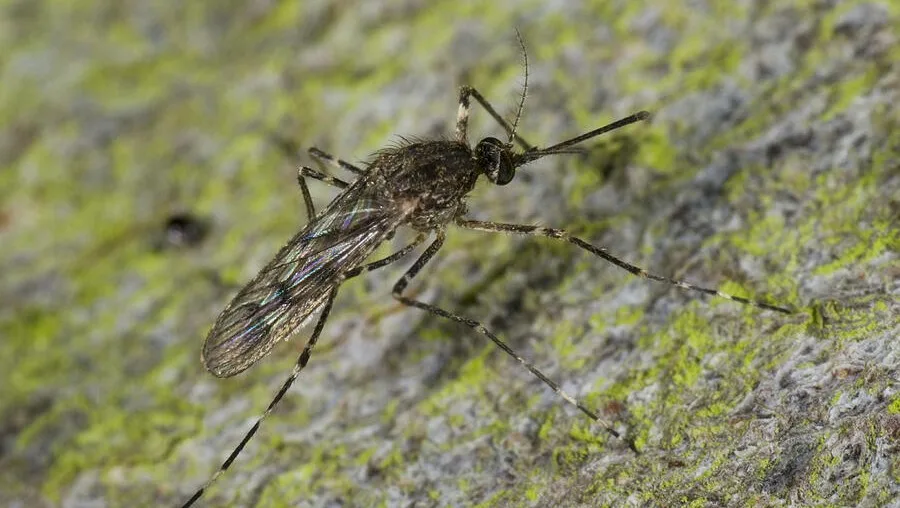
Researchers monitoring mosquito populations as the climate warms

More than just a nuisance, mosquitoes are adapting to a warmer world. The Weather Network discovers how new species are arriving, and why this poses a public health concern for the future.
There are more than 40 species of mosquitoes in the Maritimes, and research suggests climate change is mosquito-friendly as new species are expected to arrive with their ranges expanding.
“We’ve been really lucky to be fairly protected here from things like mosquito-borne diseases. We mainly know them as nuisance biters and things that just kind of annoy us, but, with our warming climate, we can see new species move in that might carry some new viruses, perhaps that we haven’t ever had here before," said Laura Ferguson, a researcher at Acadia University.
"The other portion of it is that some other kinds of mosquito-borne diseases may have been held back by temperature here, in that maybe our populations of mosquitoes were kept a little bit lower."
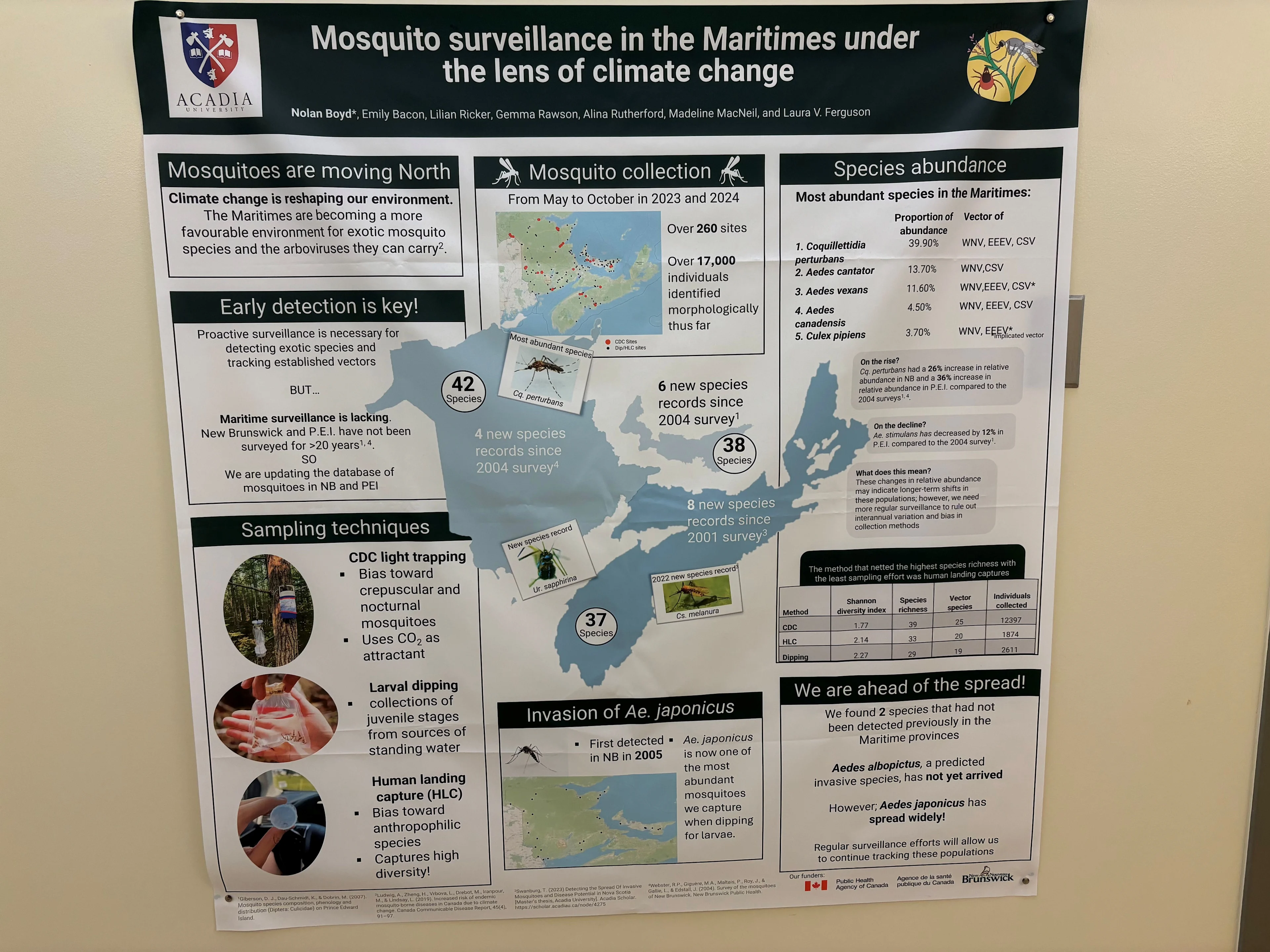
Mosquito research poster at Acadia University in Wolfville, N.S. (Nathan Coleman/The Weather Network)
As temperatures warm, Ferguson says mosquito-borne diseases are something that should be something closely monitored.
"West Nile virus, for instance, would be one that we’d want to keep our eye on that could accelerate a bit as it warms," said Ferguson.
There is one invasive species of mosquito that made it here from Japan, showing up in the Maritimes in the early- to mid-2000s. Since then, it’s become one of the most abundant species.
Thumbnail courtesy of Getty Images/Coopder1.