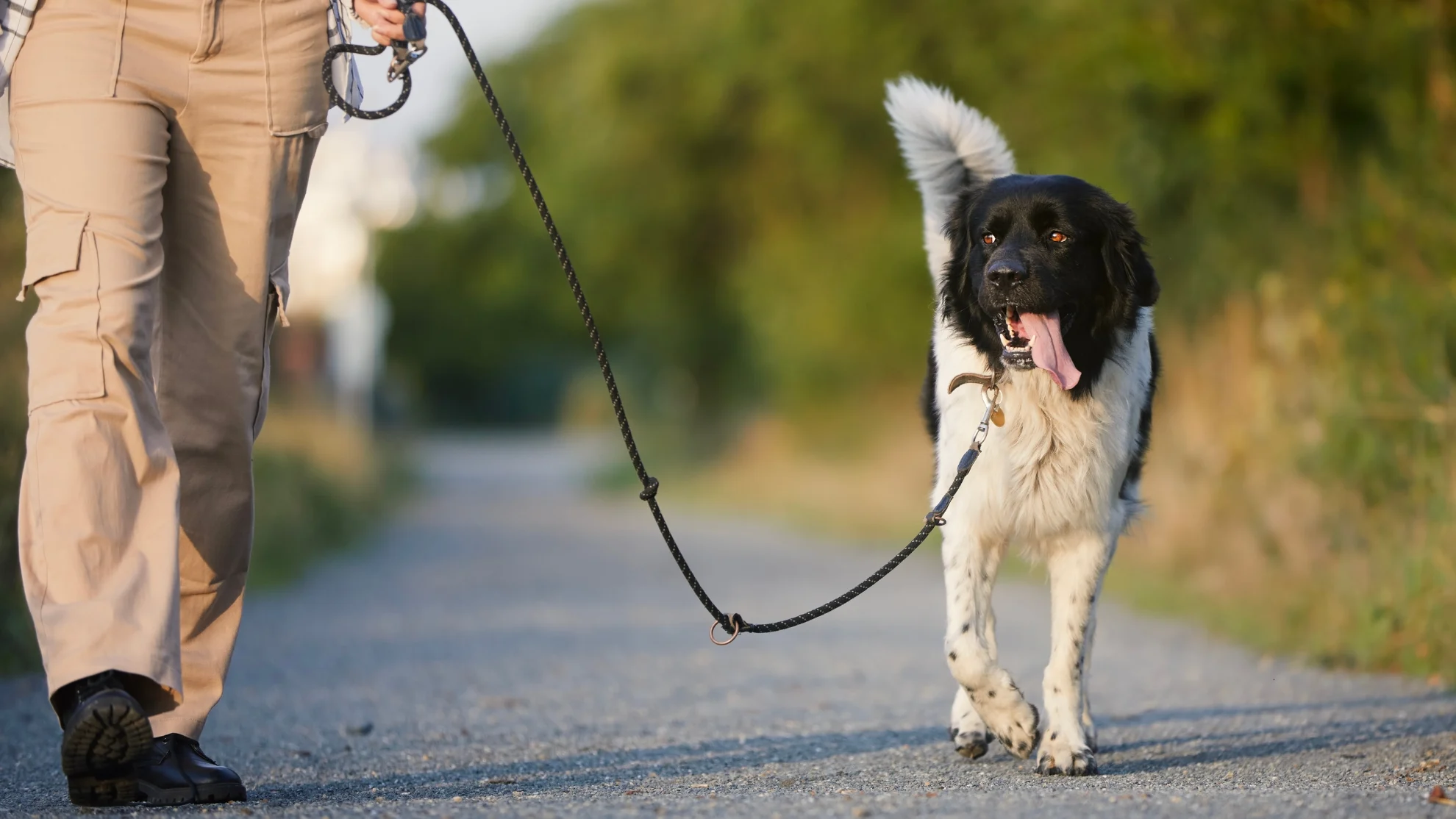
Poor air quality due to wildfire smoke can pose unique risks to your pet

Poor air quality can affect your pet's health.
Poor air quality has been dominating the headlines in southern Ontario this week after a combination of smoke from wildfires and intense heat created orange, hazy skies and resulted in some of the poorest air quality readings on the planet.
When air quality is poor, people are advised to limit time outdoors — and this advice holds true for pets as well.
“The risks of poor air quality to pets are similar to those of people, which mainly impact the heart and lungs,” reads a post on Cornell University’s College of Veterinary Medicine.
“While people can wear masks outdoors, which may minimize inhalation of small particulate matter, unfortunately, our pets cannot, which may put them at a greater risk.”
Short-muzzle dog breeds, like Bulldogs, Boston Terriers, and Pugs, along with geriatric or pediatric animals, and pets with pre-existing health conditions, are at the most risk of suffering from health complications associated with poor air quality.
Common symptoms include: Coughing, gagging, red eyes, a high respiratory rate even when at rest, and difficulty breathing. If you observe any of these symptoms in your pet, contact a veterinary professional.
You can keep your pet safe during a poor air quality event by:
Limiting time outdoors.
Keeping doors and windows closed.
Using an air purifier.
Avoid outdoor exercising or hiking with your pet until the air quality has improved.
What is air quality?
When air quality is good, conditions are typically clear. "Poor" air is laden with pollutants, chemicals, and, in the cases mentioned above, particles from wildfires.
The AQHI
In 2005, the Air Quality Health Index, or AQHI, was created, a collaborative effort that came about with the help of experts from ECCC, Health Canada, provincial government, and other experts. This reading informs Canadians about health risks in the air.
The Air Quality Index (AQI) is a tool used by many government agencies to communicate to the public how polluted the air is and how polluted it may become over 48 hours.
The newer AQHI takes into account the health effects and environmental concerns associated with varying concentrations of pollution, two factors the AQI does not. AQHI measures the impact of air quality on your health using a scale of 1-10, with 10 or more representing the highest risk.
To date, the highest AQHI rating in Canada was recorded on Historic AQHI reading in Canada in August 2017 when wildfires in Kamloops, B.C. pushed the AQHI rating to 49, with concentrations of fine particulate matter averaging around 684.5 micrograms per cubic metre at one point in the downtown area - more than double the daily average that's considered hazardous in China.
Understanding AQHI ratings
Low: 1 - 3
An AQHI rating between 1 and 3 represents ideal air quality for outdoor activities, according to the Government of Canada. For the general population, no precautions are required.
Moderate: 4 - 6
People with respiratory conditions or certain environmental allergies may need to reduce or reschedule strenuous outdoor activities when a moderate AQHI is in effect. For others, it is generally safe to assume outdoor activities unless symptoms like coughing or throat irritation appear.
High: 7 - 10 and very high: above 10
Children and the elderly are advised to limit time outdoors when a high or very high AQHI rating is in effect.
The Weather Network has AQHI ratings on its city pages, making it easy to check air quality in real-time.