Ontario is primed for a brutal mosquito season

A cool, wet spring has created ideal breeding grounds for mosquitoes. The Weather Network meteorologist Mark Robinson explains why you might need extra repellent this summer.
I don’t know about you, but mosquitoes drive me nuts and I’m not even one of those people that they love to bite. The whining buzz close to my ear makes me jump and smack my own head just to ensure that I don’t get bitten because of the itch. So much itch.
Combine that with my love of weather and that means that I always watch what the spring is going to bring us here in Ontario. Specifically, how much rain because, while I want the thunderstorms, the mosquitoes want the water.
The spring of 2026 in the eastern part of the country has been, so far, cool and wet and that has meant that a lot of stagnant water has remained. This is great news for mosquitoes, but not so much for us.
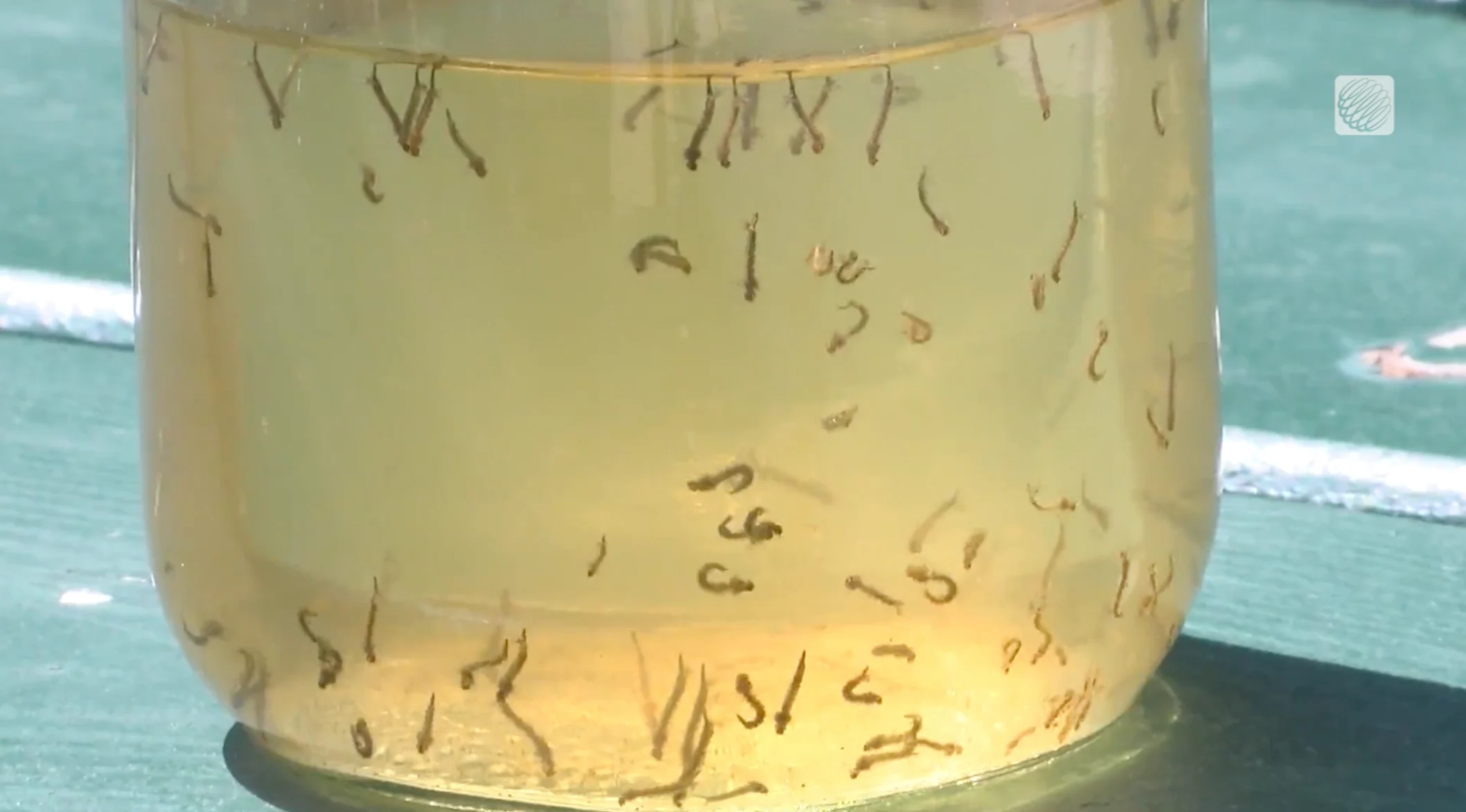
The mosquito lifecycle is dependent on still, stagnant water that remains for at least a week. Eggs are laid in the water, they hatch into larva, the larva develop over a week or so, and finally, fully formed adults emerge from the water ready to bite.
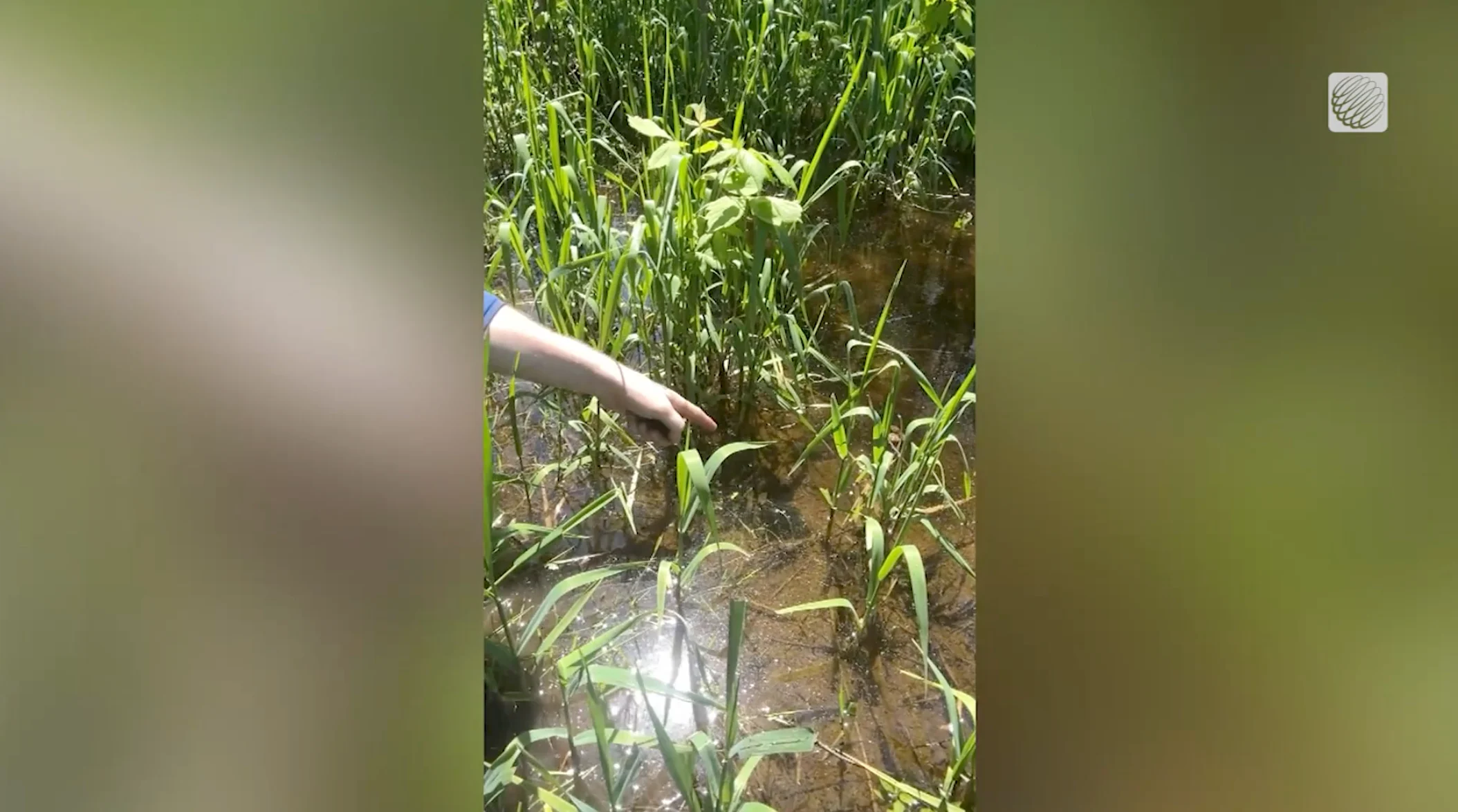
The mosquito lifecycle is dependent on still, stagnant water that remains for at least a week. (The Weather Network)
DON'T MISS: DIY repellent 'soup' could brew up a mosquito-free summer
To find out what the mosquito forecast is for the rest of the spring and summer, I got a hold of Richard Vadeboncoeur, VP of Business Development at GDG Environment, a mosquito control company out of Trois Riviere in Quebec.
I talked to Richard in late May and at that time, he explained that this spring might be particularly buggy.
Richard explains, “For the most part, this spring was cooler than normal and that meant that the mosquitoes were slow to develop. But, it also meant that the stagnant water that the mosquitoes need remained and there was no quick drying. If you have quick drying pools, well, there’s just no mosquitoes because the water is gone.”
Richard emphasizes the role of a wet spring in eastern Canada, “But, if you have just enough rain, and it doesn’t mean a lot of rain, it means that the frequency of the rain events is just right to keep the water on the ground, then the mosquitoes will have enough time to develop from larvae and emerge as adults. Which is what is happening right now in most parts of Quebec and Ontario.”

Richard Vadeboncoeur, VP of Business Development at GDG Environment, a mosquito control company out of Trois Riviere in Quebec. (The Weather Network)
DON'T MISS: Tired of black flies? Try a DIY vanilla perfume repellant
For the mosquitoes, water is all important as Richard explains.
“The biggest issue to determine how many mosquitoes there are is how much water is on the ground. So, if it's warmer, the development time of the larva is shortened, but that also means that the water will evaporate quicker. If we have a spring like we did, lots of people complaining about the cold and wet [weather], lots of larvae develop slowly because the pools don’t evaporate. Then, if we get warm and humid conditions, which we’re getting, the mosquitoes will emerge in large numbers.”
Which means that the DEET is definitely going to be needed for the rest of the spring at least if you’re living in the eastern half of the country. But, what I really wanted to know about was the summer.
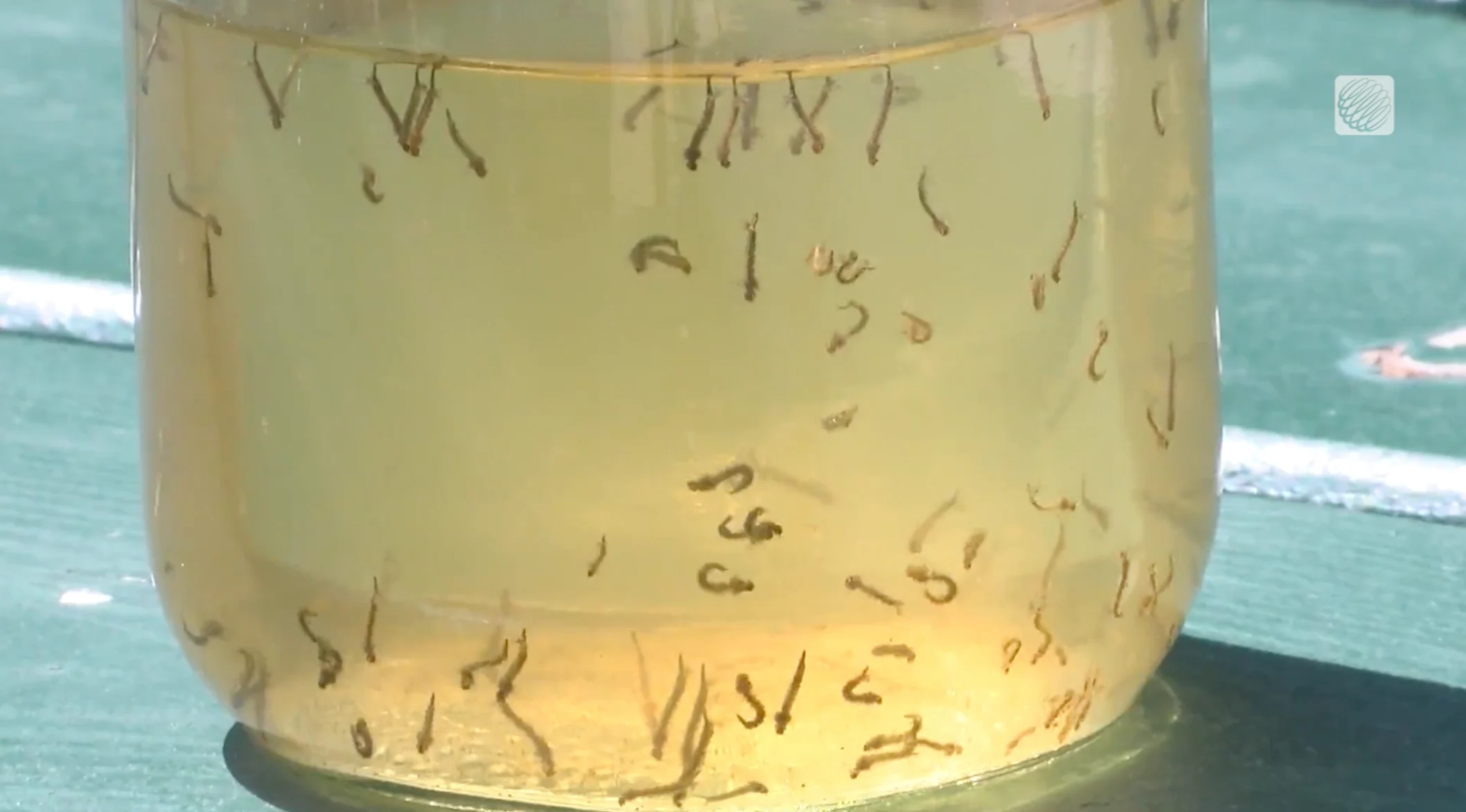
Mosquitoes larvae (File photo/The Weather Network)
Richard explained that it’s not something that’s easy to know at this point in the year.
“For our spring species, we kind of know what’s going on there, but for our summer species that have nothing to do with the weather at this time of the year,” he explained. “We have to see what happens in June and July to know what the mosquito numbers will be.”
“All we need for the summer species to start hatching is a small pool of water that’s warm enough and that’s already happening in southern Ontario. Of course, the numbers will be dependent on the amount of rain that we see in late May to early June. It’s also dependent on the frequency of the rain. If we have a heavy rain, but it dries up before the emergence can happen because of heat, then adults are not possible. But, if we have a bit of rain and then a bit of rain, even if it’s a very small pool of water, you’ll get mosquitoes. And, if it’s warm enough, you can get a full lifecycle, from egg to adult emergence in as little as seven days.”
“On the other hand, if we have dry and hot conditions in July and August that can affect the adult population because they’re sensitive to desiccation. If you have a lot of warm and dry weather, it will kill the adult and also prevent new emergence.”
What this all means is that there’s a balancing act going on here. Too warm and the water dries up, too cold and the mosquitoes don’t develop quickly. But, if you get more than average rain with below average temperatures, you might have the perfect balance to produce large numbers of the biting bugs.
SEE ALSO: Candles or DEET? What is the best way to prevent bug bites?
The bad news for those of us that don’t like mosquitoes is that our Weather Network seasonal forecast has eastern Canada in lower than average temperatures and above average rainfall; the best case for hordes of mosquitoes.
However, there’s a caveat that might mean that you won’t have to bathe in DEET. The rainfall may be forecasted to be above average, but the rain may hit in one off events rather than a constant flow of water that maintains the pools of water across the landscape.
At this point in the late spring, it’s a watch and wait game, but I think I’ll be getting out the DEET and the long pants for at least part of the early summer.