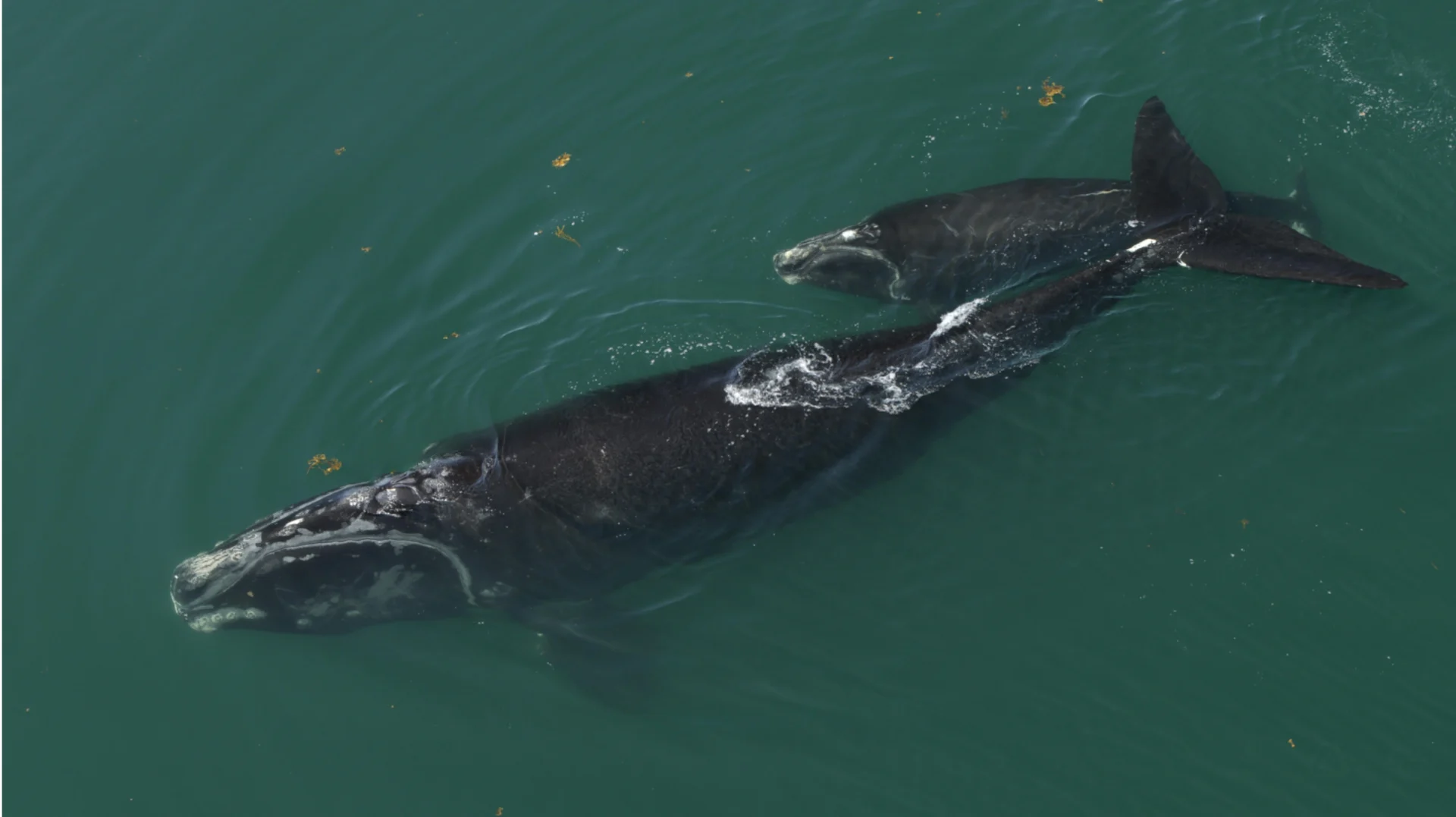
North Atlantic right whale baby boom sparks cautious hope for endangered species

Despite a recent 'baby boom,' these critically endangered species still face significant threats
North Atlantic right whales have returned to Canadian waters following a successful calving season, which welcomed 23 new calves.
Right whales mate and have their calves in warmer southern waters off the eastern United States around Georgia and Florida. In the summer, they return to Atlantic Canada to feed, spending most of their time in the Gulf of St. Lawrence.
Their return has prompted fishery closures in the Gulf of St. Lawrence, as these whales typically face two main threats: entanglement in fishing gear and collisions with vessels.
RELATED: Innovative ropeless fishing gear helps prevent whale entanglements
One example is Division, a right whale that died in January after becoming entangled in Canadian gear from the snow crab fishery. Hanna Vatcher, a campaigner at Oceana Canada, notes that the whale's death serves as a stark reminder of the risks faced by marine life—many of which could be prevented.
“A disentanglement team was able to take off some of the gear from Division, and the report did show that the gear came from a Canadian snow crab fishery,” she said. “It was ghost gear. So that means this gear was sitting inactive in the water, I think, since 2020."
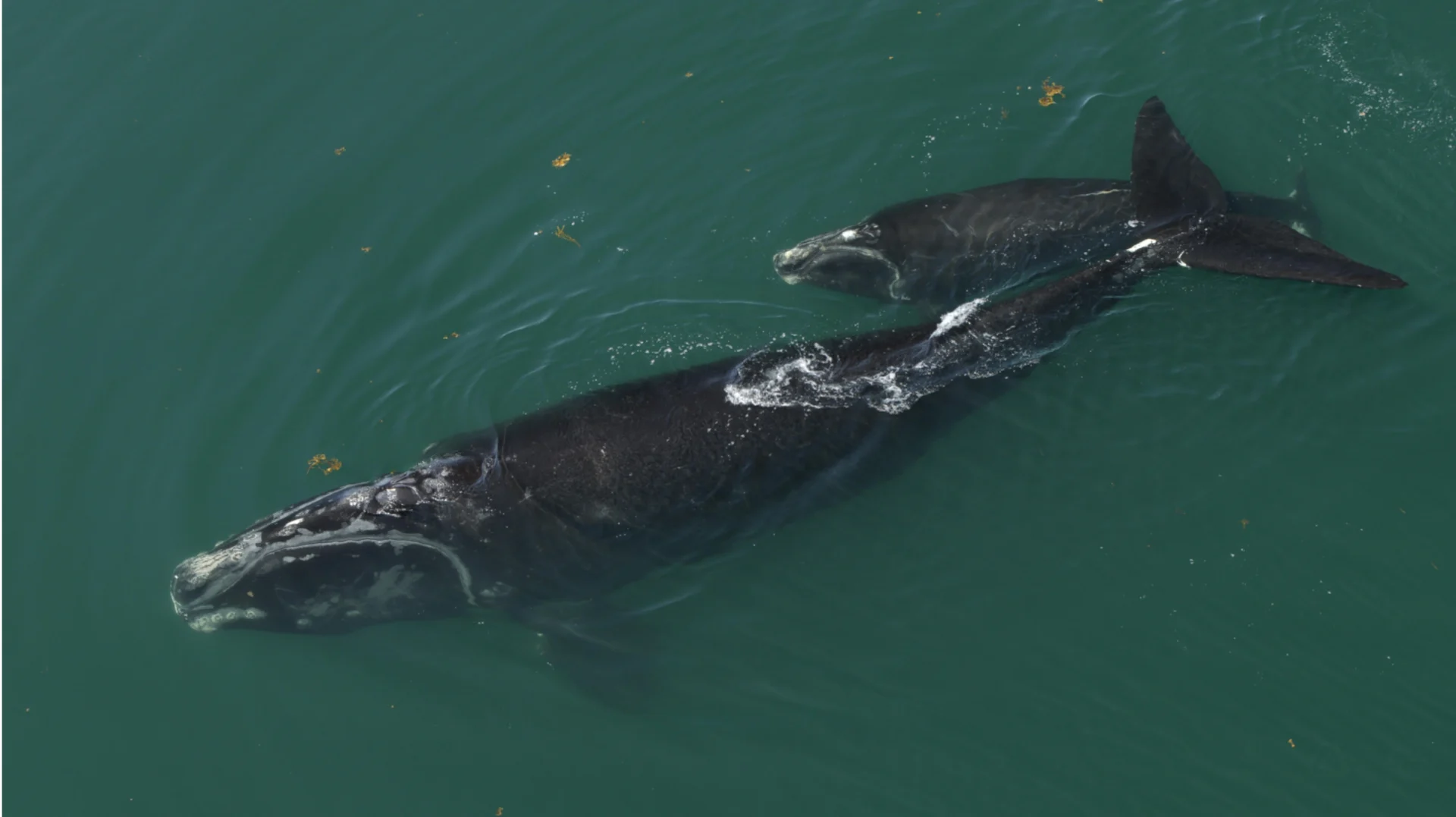
North Atlantic Right whale. (Image courtesy: Nick Hawkins/Oceana. Provided)
Since 2018, the Government of Canada has made significant investments to support recovery efforts and mitigate the impacts of key threats to whales. As part of the Spring Economic Update 2026: Canada Strong for All, the government proposed over $258 million over five years to renew and enhance funding for the protection of whales and their habitats.
Record number of right whales born
A sign that things are going in the right direction is the number of right whales being born is increasing.
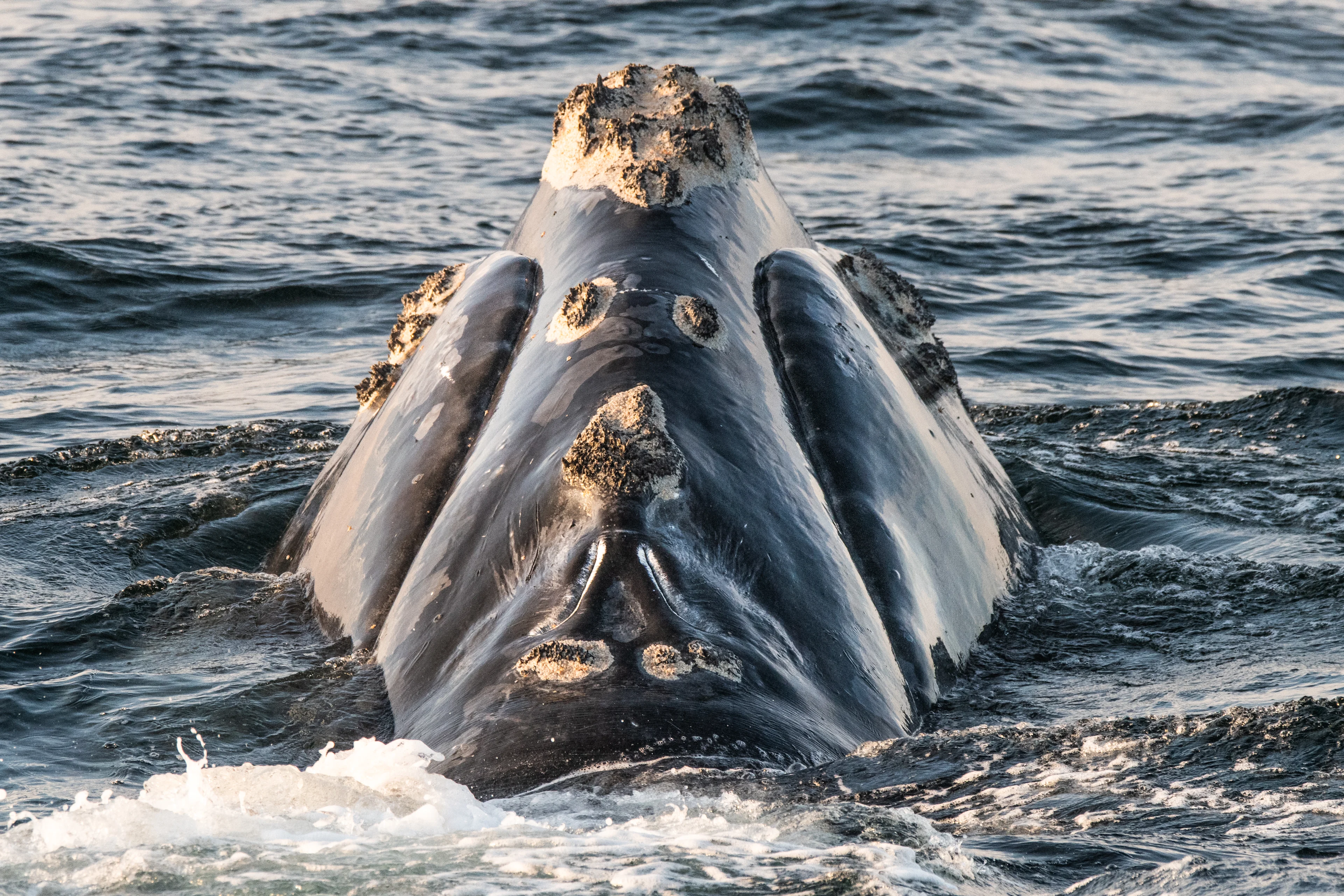
North Atlantic Right whale. (Image courtesy: Nick Hawkins/Oceana. Provided)
The last calving season welcomed 23 new right whales, which Vatcher confirms is the highest for one mating season since 2009.
“It's really hopeful news,” she said. “I think it really shows the resilience of this species, but I am cautiously optimistic because new research is actually showing that we need 50 calves a year over multiple years in order for the population to really recover.”
The species has been under an unusual mortality event since 2017, with 40 percent of the population either killed or seriously injured since then.
In total, there are currently only 384 right whales in existence, with only 70 reproductive females in the population.