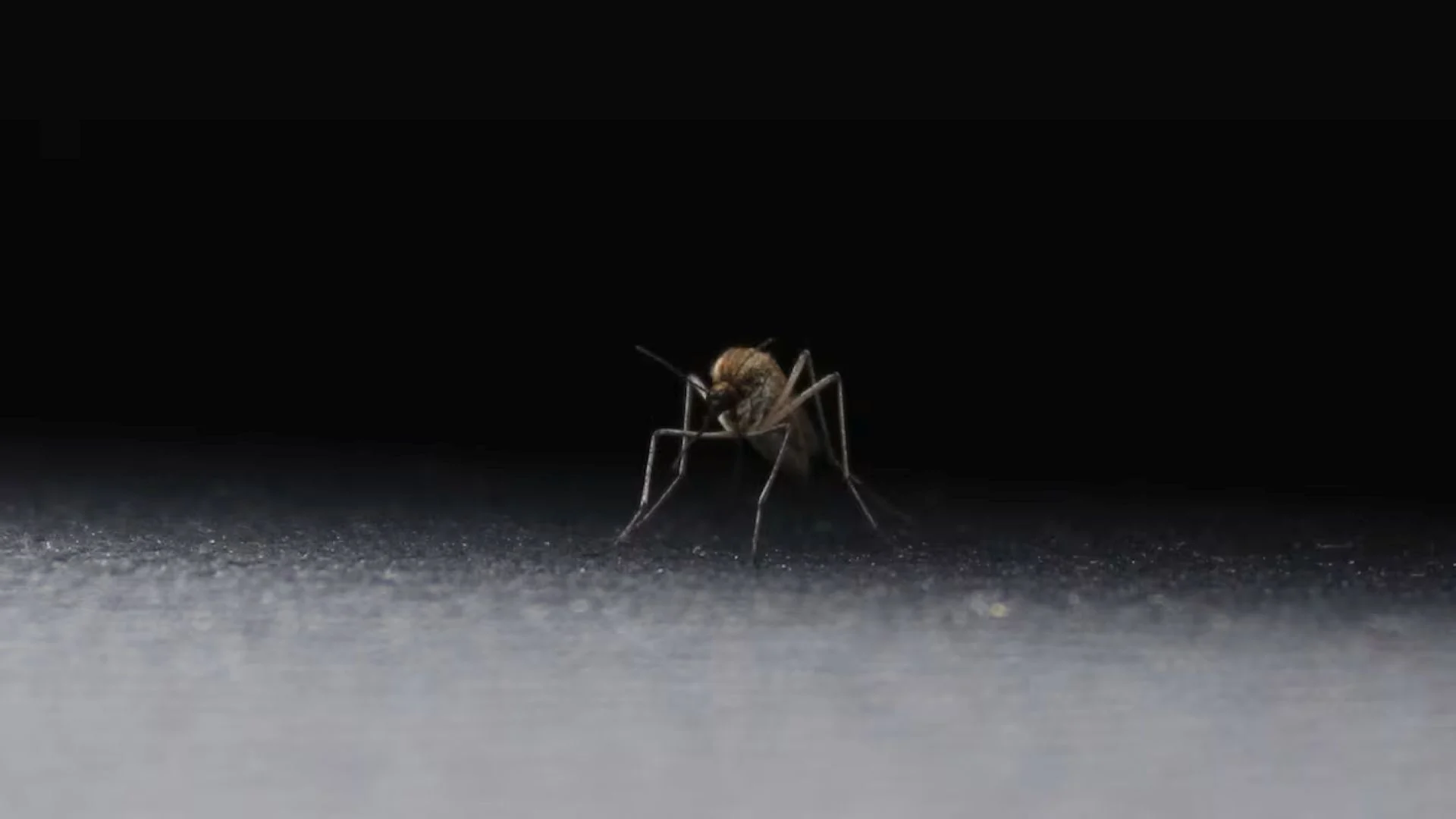
Mosquitoes still bugging Regina residents amid late-population boom

Regina residents are finding an unpleasant surprise now that summer is officially over — a late boom in mosquito populations.
The city generally tracks the populations until mid-September, when the insects usually begin dying off with the cooler weather. Gathering of data ended two weeks ago, along with the use of larvicide.
"Most people are now seeing another spike," said Ashley Thompson, the manager of Regina's parks and technical services.
"They're kind of bad everywhere. There's a lot of kids sports going on right now, so a lot of people are out. I mean, I was out watching my niece and nephew play football the other day, so I know that they can be quite bad in some spots."
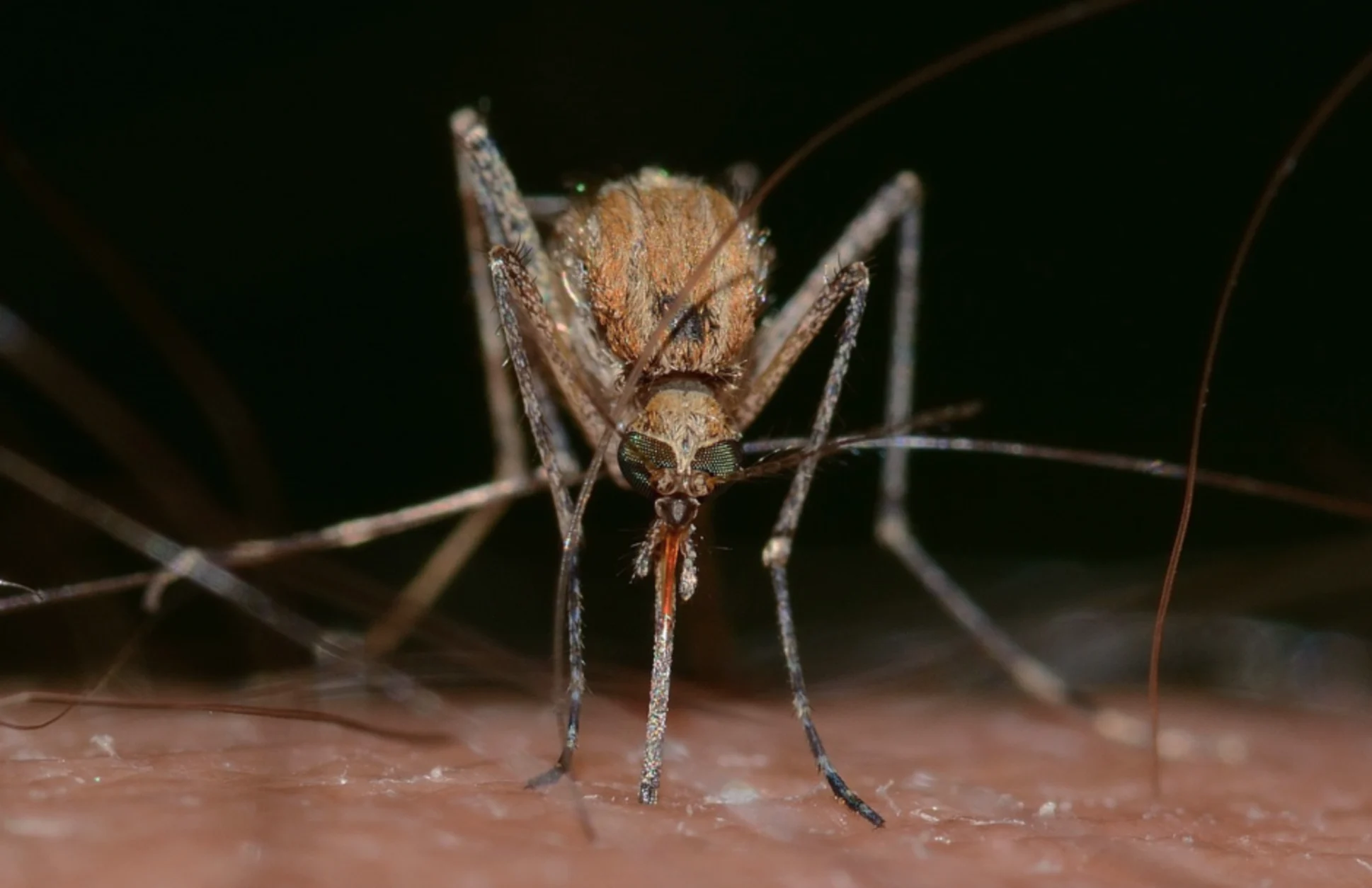
(francok35/Pixabay)
Moist conditions increased the populations to abnormal highs this summer. In two days in July, the city counted more than double the entire amount trapped over the 11 weeks before.
"We just don't have the resources to do anything, so we do not have a plan to do anything about it," Thompson said.
"Our summer students go back to school at the end of August, so we just don't have the staffing to do the mosquito control program…. They will die off soon. It's getting colder. The mornings are quite cold now, and the evening. They'll be gone sooner than we know."
Sean Prager is the primary entomologist for the University of Saskatchewan. He says this year's mosquito boom could roll over into 2027.

Sean Prager, right, is the University of Saskatchewan's primary entomologist. He says it's been an 'abnormal' year for mosquitoes. (Don Somers/CBC)
"It's been abnormal, is what I would say," he said. "It's a function of the weather. We've had warm weather and a lot of water, a lot of rain, which are two of the primary things that contribute to mosquito populations being large."
Prager says that with the El Niño climate pattern coming in, the beginning of spring could see high populations because of the late abundance of egg-laying insects.
"Mosquitoes die, so the eggs will overwinter in or near water in the soil. It depends on the species," he said.
"Warmer winter typically would mean fewer of them die during the winter, which theoretically means you could have larger numbers next year, at least initially. Then subsequent to that, would be a function of sort of what the weather is next year."
Some Regina residents are hoping the cold will come sooner just to get rid of the mosquitoes.
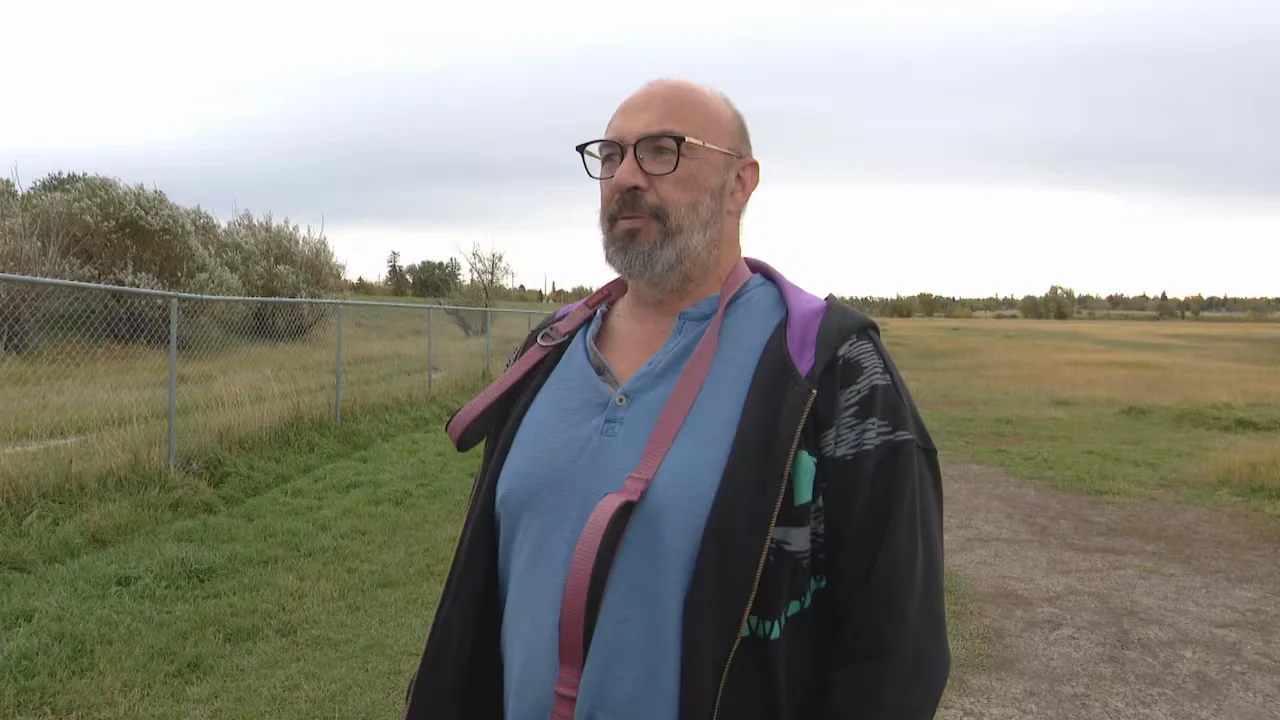
Robert Stephenson says he's never been bitten so much at the end of September. (Adam Bent/CBC)
"The last few days, I've had more mosquito bites than the entire summer," Robert Stephenson said while walking his dog. "I was doing work in my backyard. I've been out here and just get swarmed. The last couple days have been a boom of them, and it's been bad."
Other people are just happy the situation isn't as bad as decades earlier.
"You go back years ago, they didn't do a lot of spraying for mosquitoes around water, so we used to have way more mosquitoes than we do now," said Jim Johnston, who recalled not wanting to leave the house about 20 years ago.
"The city is doing a little better now. So, if there's big bodies of water sitting around, you're gonna have mosquitoes."
Thumbnail courtesy of Alex Kozroski/CBC.
The story was originally written by Alex Kozroski and published for CBC News.