Milestone ocean census uncovers more than 1,100 new marine species

From shark relatives to transparent worms, the Nippon Foundation-Nekton Ocean Census uncovered more than 1,100 new, previously hidden species in our seas in a single year. Why understanding and naming these species is vital for conservation efforts, especially with global goals like Canada's 30-by-30 target.
With much still to learn about the world's oceans, the announcement earlier in 2026 that more than 1,100 new marine species were discovered in a single year was seen as a landmark achievement towards finding all of the living, aquatic organisms that dwell within the deep waters.
That's according to the Nippon Foundation-Nekton Ocean Census, the organization in charge of the global initiative that found the new species. The effort included 13 expeditions and nine species discovery seminars with leading scientists across the world.
SEE ALSO: Climate change effects on Canadian wildlife show how vital winter is
As part of the census, scientists found 1,121 previously unknown species, expediting their discovery and marking a 54 per cent rise in the yearly identification.
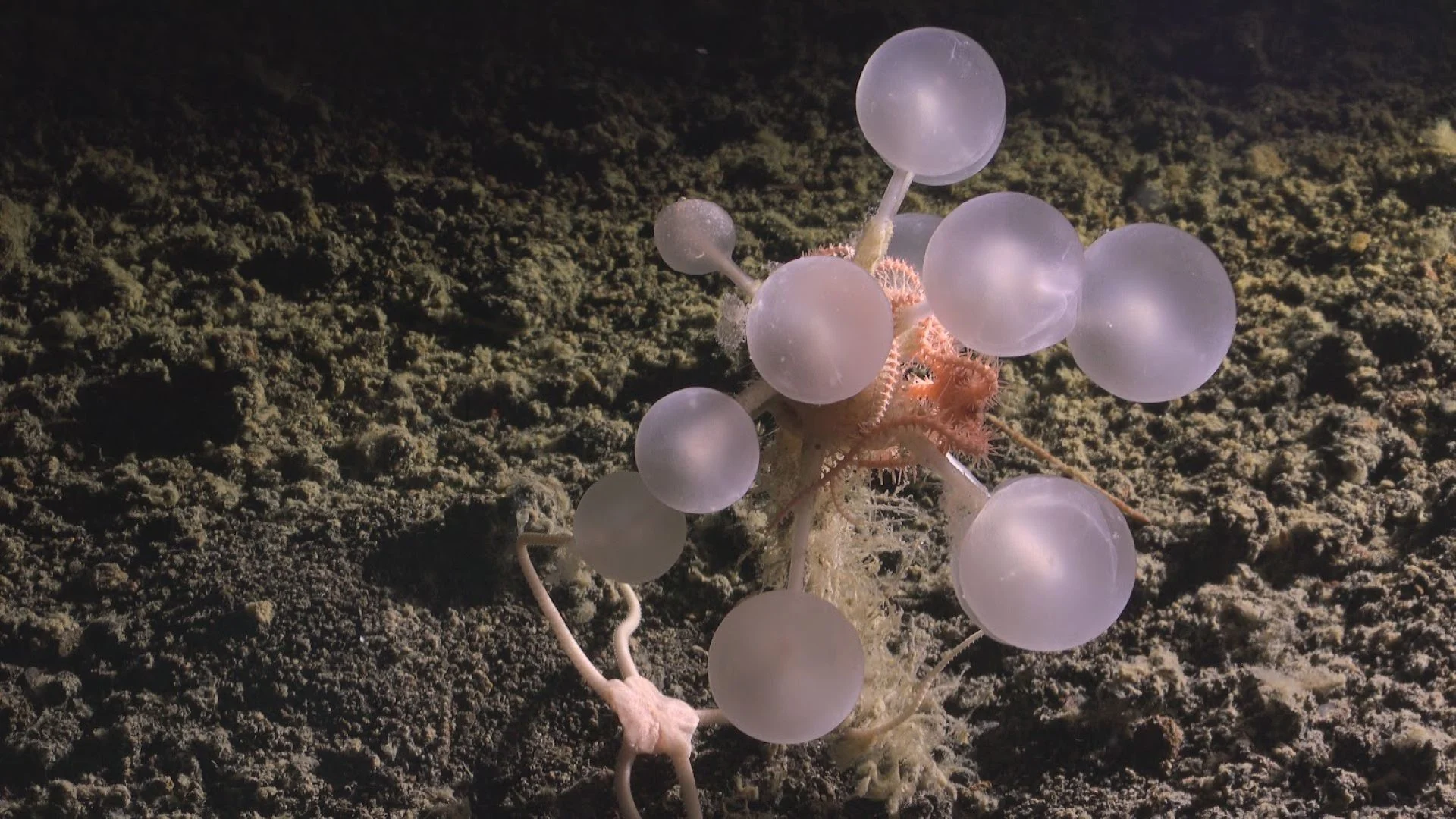
The 1,121 findings were uncovered in depths of up to 6,575 metres, and include a new species of deep-sea ghost shark, a symbiotic bristle worm living within "a glass castle," as well as corals, crabs, shrimps, sea urchins, and anemones, according to Nippon Foundation-Nekton Ocean Census.
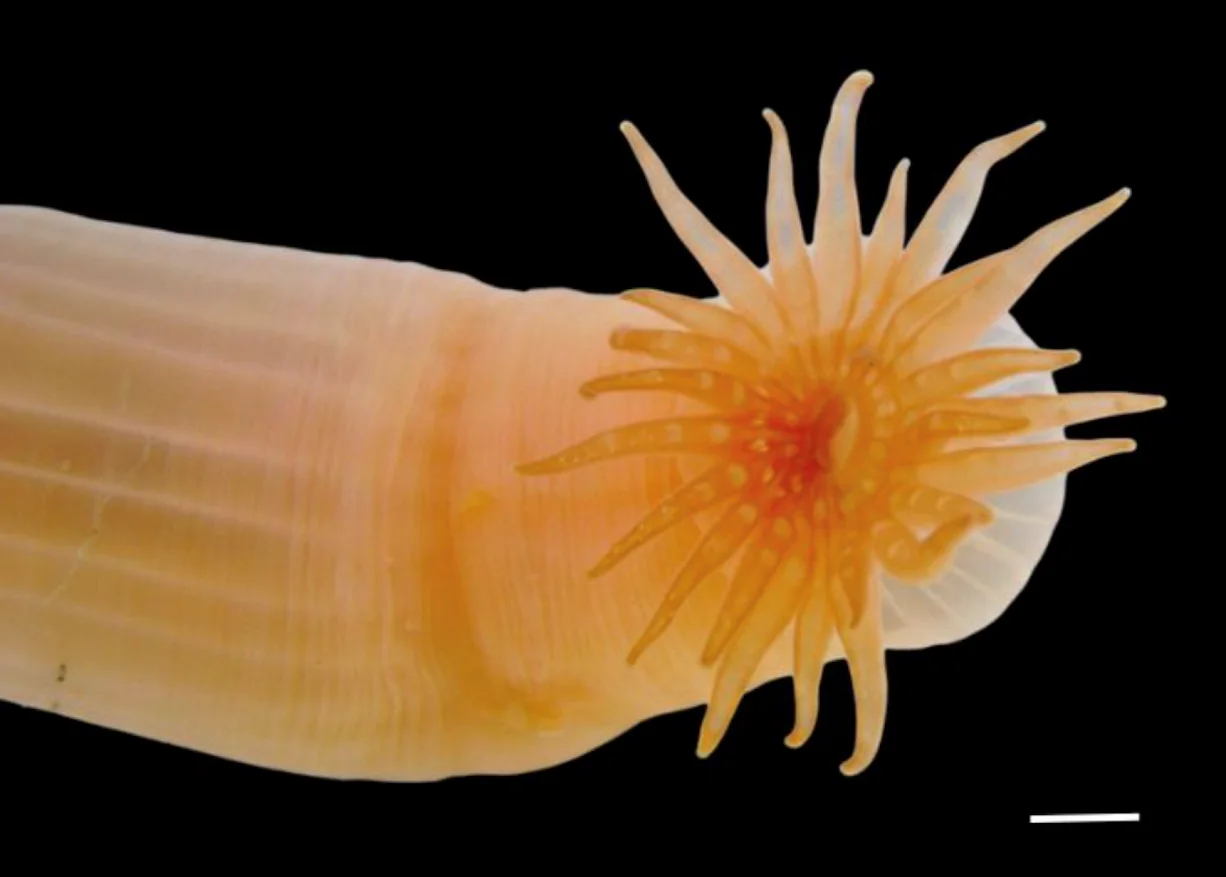
Burrowing sea anemone. (The Nippon Foundation-Nekton Ocean Census/Agustín Garese)
"With many species at risk of disappearing before they are even documented, we are in a race against time to understand and protect ocean life. For too long, thousands of species have remained in a scientific 'limbo' because the pace of discovery couldn't keep up. We are now breaking that bottleneck," said Michelle Taylor, head of science at Ocean Census, in a news release.
"By accelerating discovery and sharing data globally, we are not just finding new life, but generating the evidence needed to drive global science and policy at a critical moment."
Most of the ocean species remain undiscovered
Despite the significant findings, the Nippon Foundation-Nekton Ocean Census says up to 90 per cent of ocean species are still undiscovered.
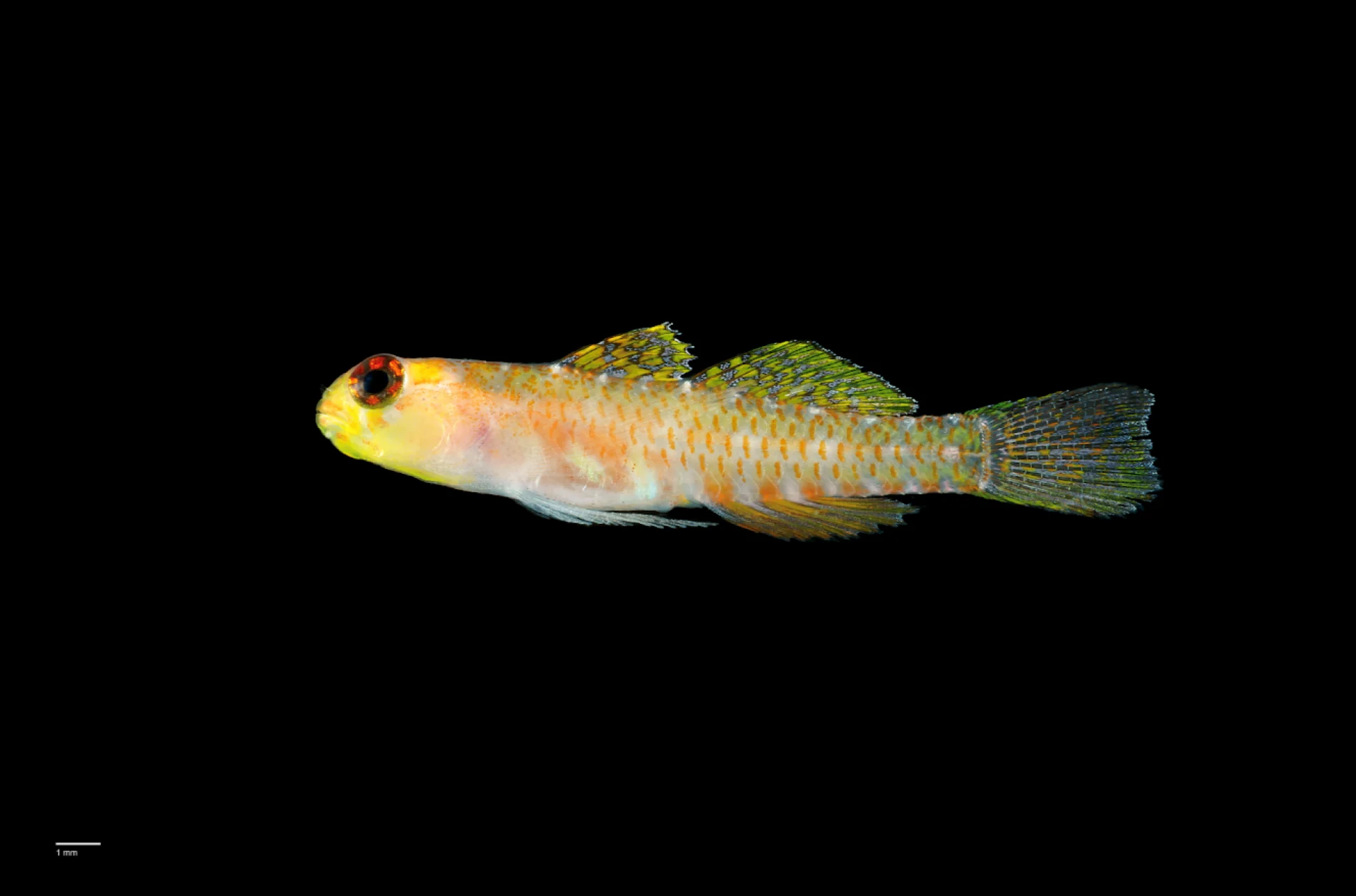
Dwarfgoby. (The Nippon Foundation-Nekton Ocean Census/Chris Goatley)
The result of the census shines a spotlight on the "sheer scale of life yet to be documented" and the vital need for building scientific data that policymakers and marine managers need to protect the ocean, the organization said.
"This year, Ocean Census has shown what is possible when scientific ambition is matched by global collaboration at scale. Through expeditions reaching polar depths to tropical seas, and the science to turn samples into discoveries, this team is revealing the extraordinary richness of ocean life," said Mitsuyuku Unno, executive director of The Nippon Foundation, in a news release.
According to the organization, the average time between a species' first discovery and publication of its formal description in scientific literature is 13.5 years, historically. Due to the length of time it takes to get officially documented, newfound species are at risk of extinction before they are even catalogued.
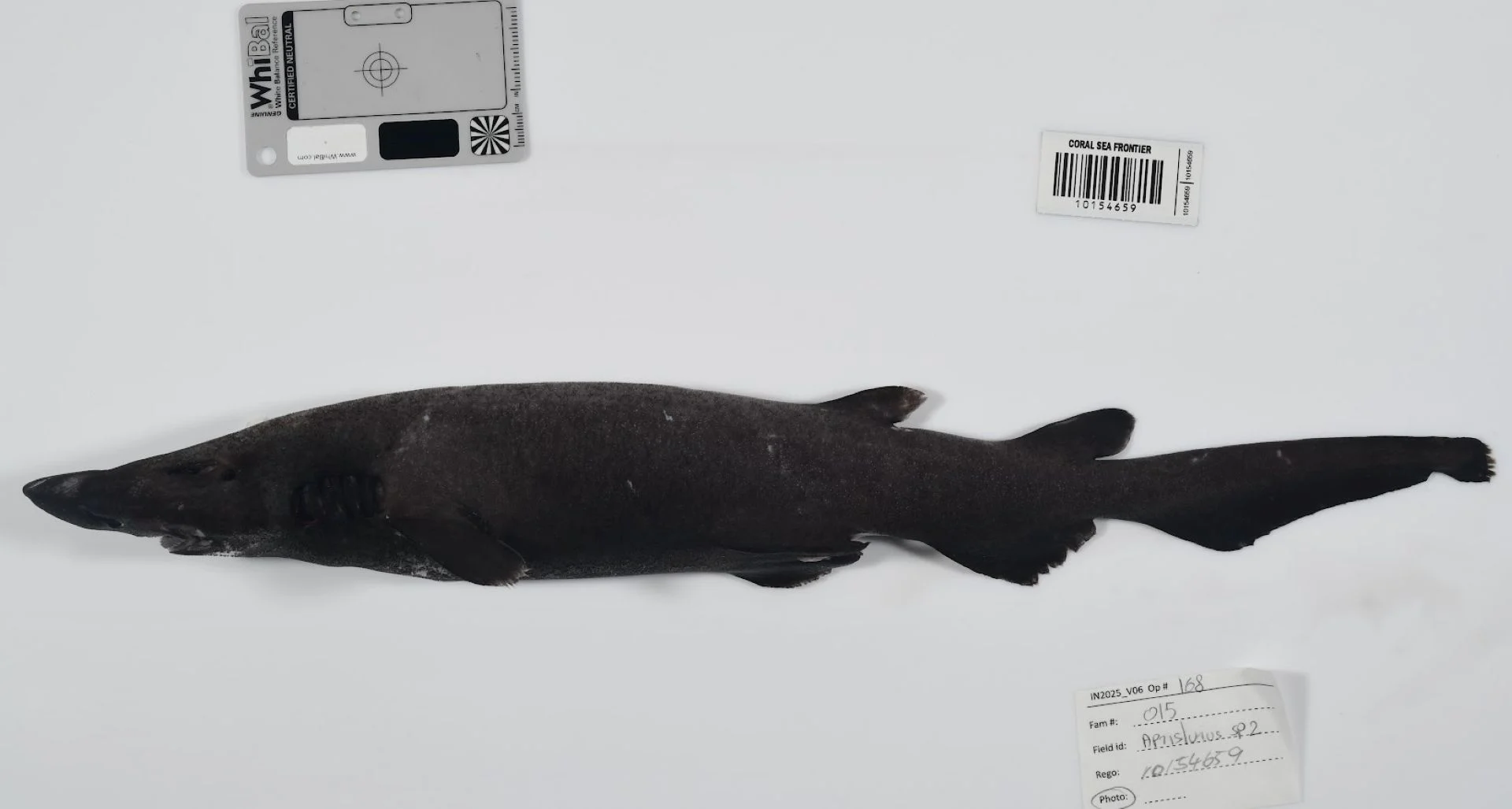
Catshark. (The Nippon Foundation-Nekton Ocean Census/CSIRO)
To fast-track their entries, Ocean Census and collaborators are recognizing "discovered" as a formal, scientific status that can be immediately recorded in NOVA, a new, digital platform for marine species data.
However, collected data from Ocean Census NOVA becomes accessible within days or weeks through a transparent, systematic and open-access approach, the organization noted.
A scientific network of more than 1,000 taxonomists and scientists from 660 institutions in 85 countries assist NOVA and Ocean Census in accumulating data.
Thumbnail courtesy of ROV SuBastian/Schmidt Ocean Institute.