Meet the tick that lives for 27 years and can survive 8 years without eating

They exhibit behaviour that's never been seen before in ticks, the paper says.
Julian Shepherd, associate professor of biological sciences at Binghampton University, received the ticks in 1976 as a gift and started observing them in his lab under controlled conditions.
"After 8 [years] of starvation and at least 4 [years] after the last male died, at least one female laid eggs," reads an excerpt from the paper.
"The progeny developed into considerable numbers of both males and females, some of which are still living after 26 years. The longevity of these ticks is apparently a record for any species of tick. The delay in reproduction likely represents long-term storage of viable sperm, also apparently a record for any species of tick."
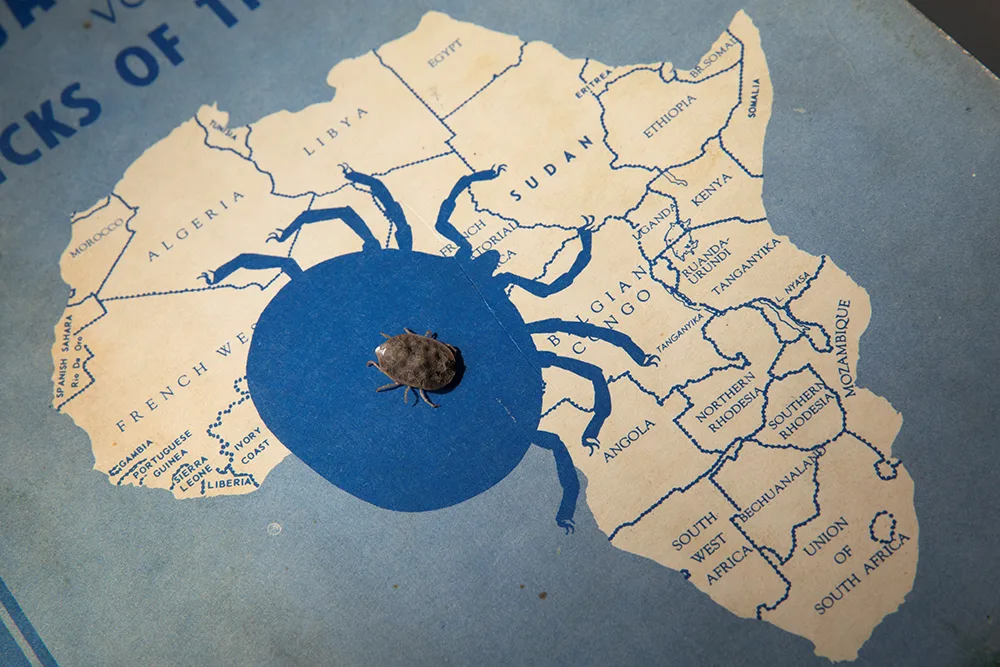
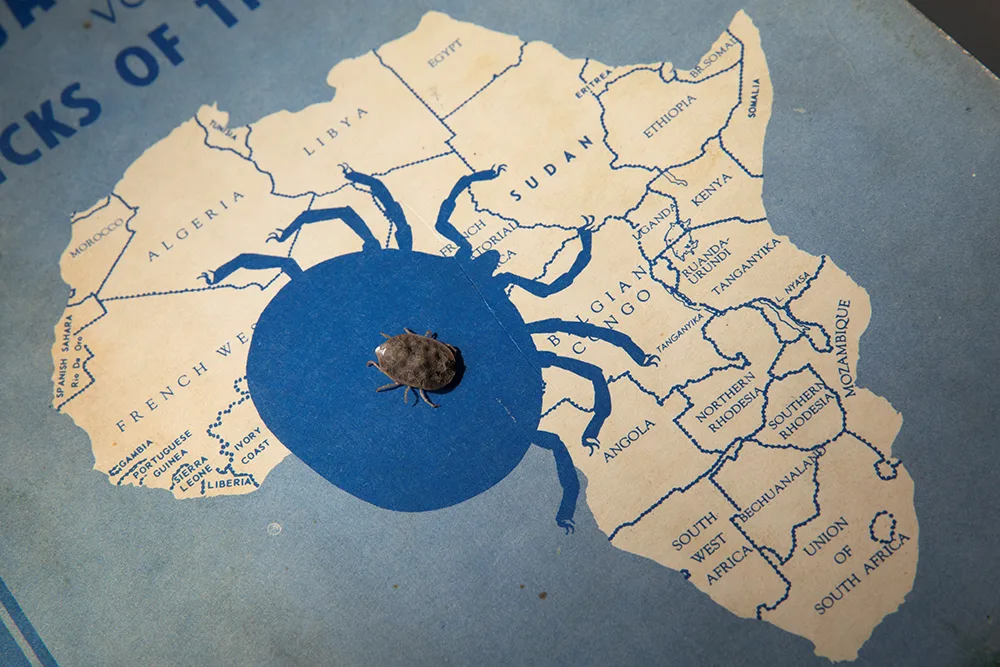
Photo of Agras brumpti (Jonathan Cohen/Binghamton University) Argas brumpti, a species of African tick, can live for around 27 years, successfully reproduce long after the last male in a community has died, and go without food for up to eight years, according to a recently-published study in the Journal of Medical Entomology.
Shepherd was given six adult females, four adult males, and three nymphs, which fed on rabbits, mice, and rats until Shepherd stopped using animals in his lab in 1984.
The last original males died in 1988, after four years without food. Females continued to live four years longer, prompting Shepard to reintroduce feeding -- and that's when one of the females laid eggs.
The batch of eggs contained male and female ticks that are still alive today.
Shepherd published his findings in December 2021, after observing the ticks for 45 years.
“I am always enthralled by the adaptations of organisms to their environment – in this case, a dry environment with virtually no access to water for long periods of time and a lifestyle that must wait for very long intervals of no food between encounters with host animals,” Shepherd said in a statement.
Unlike more common species of ticks, Argas brumpti have soft, leathery skin. They eat faster and more frequently than better-known species and don't bloat as much.
Shepherd is now sending the ticks to South Africa for further observation.
Future research could focus on how the ticks are able to conserve water and energy so efficiently.
“Research on how organisms master such challenges can inform understanding of how other organisms, including us, might manage similar challenges,” Shepherd said.