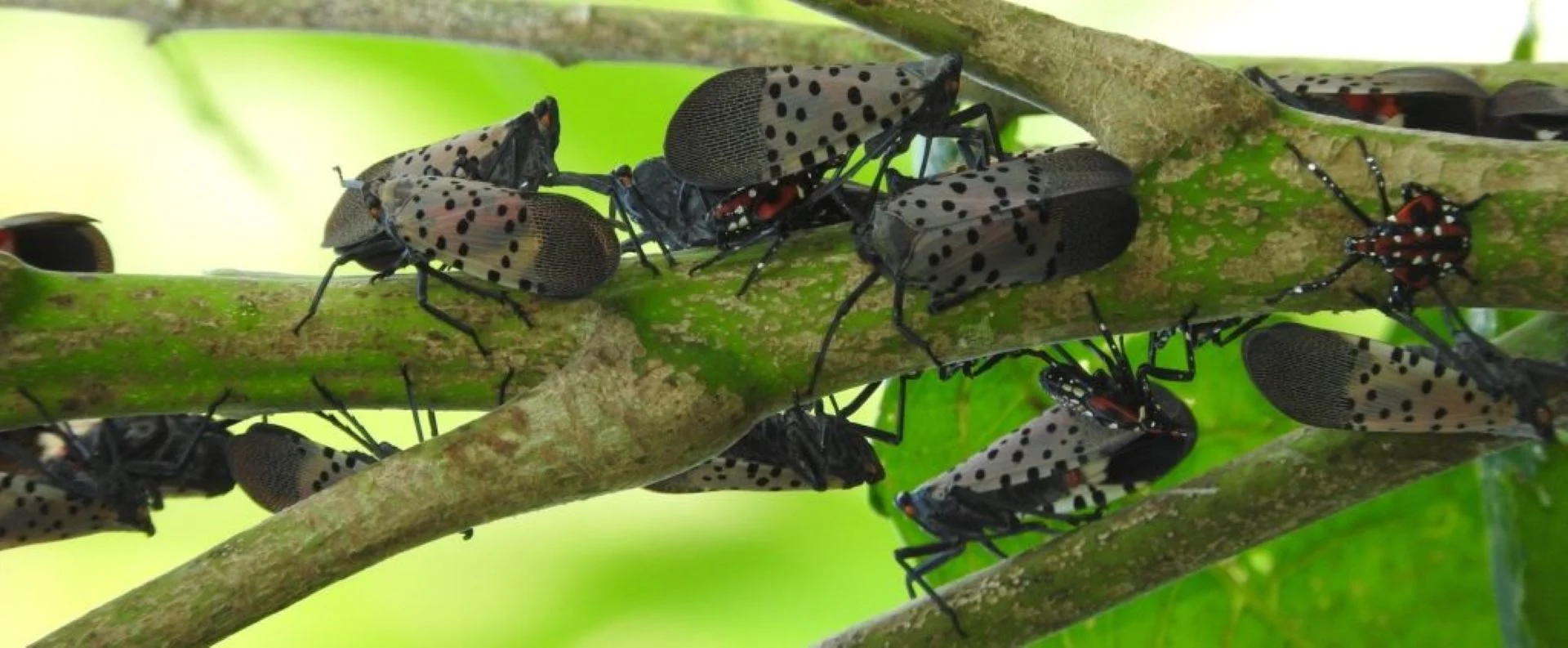
Invasive spotted lanternfly, 'patient zero,' has first live Canadian detection

The invasive spotted lanternfly was officially detected in Canada in Windsor, Ont. We learn about its life cycle, the threat it poses to local agriculture, such as vineyards and orchards, and what officials are asking the public to do to stop its spread.
The spotted lanternfly is an invasive insect from southeastern Asia. North America's first detection was in 2014 in Pennsylvania.
The Canadian Food Inspection Agency (CFIA) declared the insect a regulated pest in 2018, with interceptions occurring since 2022. The first live detection was recently recorded in the Windsor, Ont., area.
Fall marks egg-laying season for these insects, and egg masses can end up virtually anywhere, including on transport trucks.
“A species like this probably has some fairly wide, environmental tolerances in order to be as successful as it is. Certainly, Korea has very similar weather to parts of Canada, and parts of China and Japan do, as well,” said Rebecca Hallett, the interim associate vice-president research, agri-food partnership, at the University of Guelph.
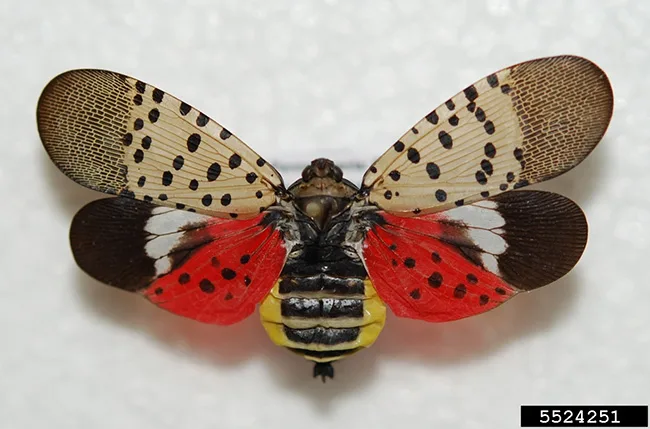
An adult spotted lanternfly is shown with wings spread. (Lawrence Barringer, Pennsylvania Department of Agriculture/Bugwood.org)
“In southern Ontario, it's expected that it will be able to overwinter.”
Come spring and early summer, young nymphs scatter from where they hatched to locate host plants.
By late July, adults then congregate at preferred feeding locations, especially grapevines and tree of heaven, extracting sap from tender stems and foliage. Since they feed collectively, it can lead to severe consequences.
Honeydew secretions promote sooty mould growth, smothering plants and creating hazardous weak trees.
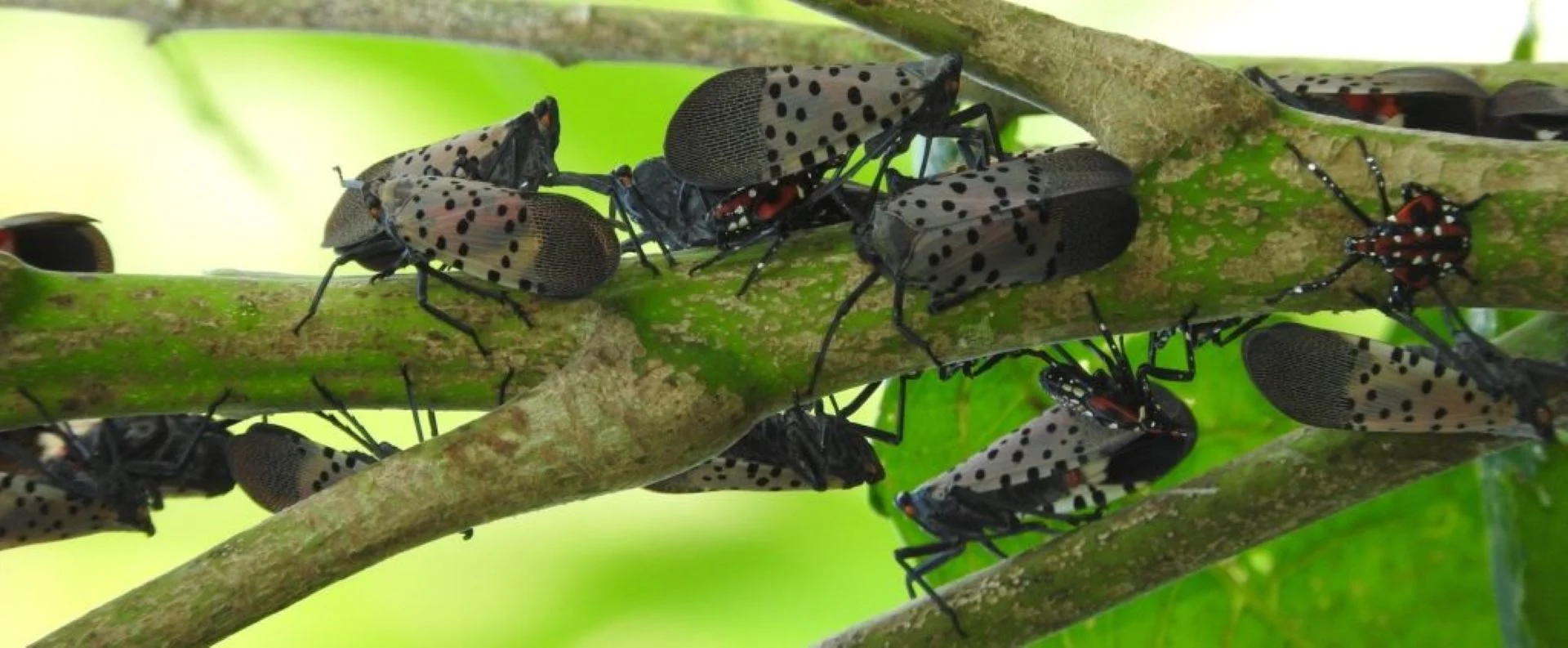
Nymphs and adult spotted lanternflies. (Richard Gardner/Bugwood.org)
According to Hallett, economic damage centres on grape production, wine industries, and nursery trade restrictions.
“Along with tree of heaven, the spotted lanternfly particularly likes grape vines, as well as various tree fruits. So, a lot of the stone fruits [such as] peaches, plums, nectarines, as well as apple trees," said Hallett.
“Economic damage has so far really only been found on grapes. They will feed on many things, but they don't cause enough damage to weaken the plant or cause yield losses, but on grapes they do.”
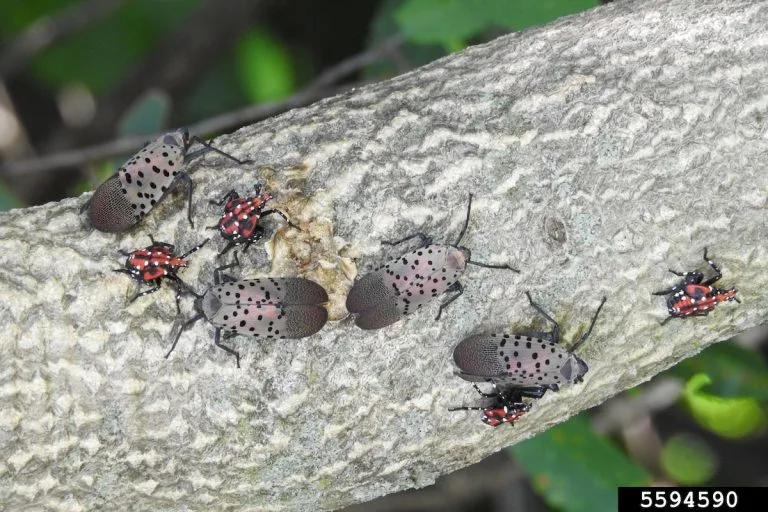
Spotted lanternfly. (Richard Gardner/Bugwood.org)
For now, the CFIA is asking people to be on the lookout for this insect: If you spot it, snap it, catch it and report it.
For more information on the spotted lantern fly and other invasive species, click here.
Thumbnail courtesy of Richard Gardner/Bugwood.org.