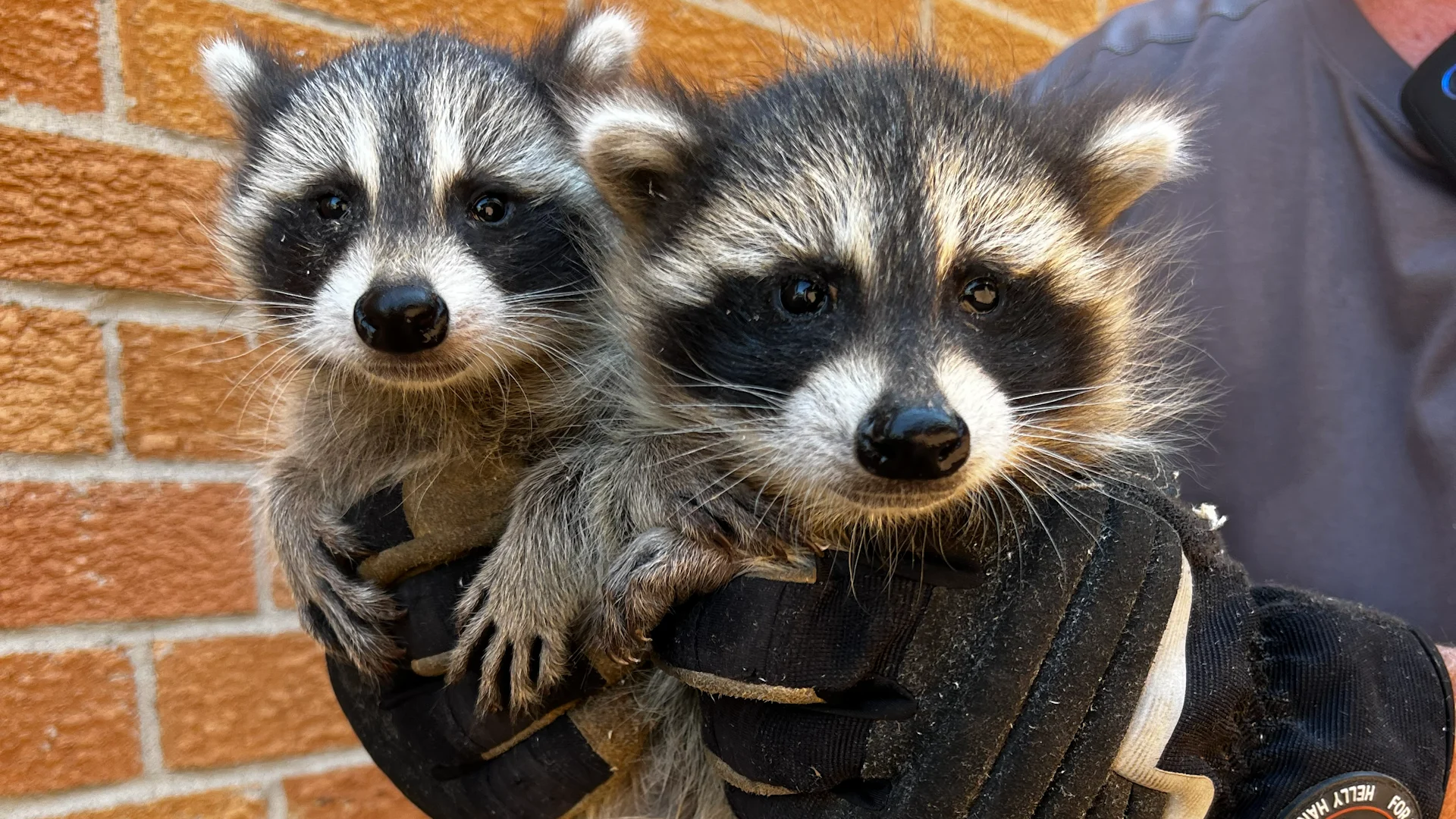
Inside southern Ontario’s most humane wildlife removal team

Meet the family behind the viral rescues changing how we see urban wildlife
You hear scratching in the attic, or tiny cries beneath the deck in spring.
And, like most homeowners, your mind immediately goes to the worst-case scenario: damaged insulation, chewed wires, expensive repairs, and unwelcome guests living inside your home.
But then a truck from Gates Wildlife Control pulls into the driveway, and suddenly the story becomes something entirely different.
DON’T MISS: How to keep raccoons from nesting around your house
A different kind of wildlife call
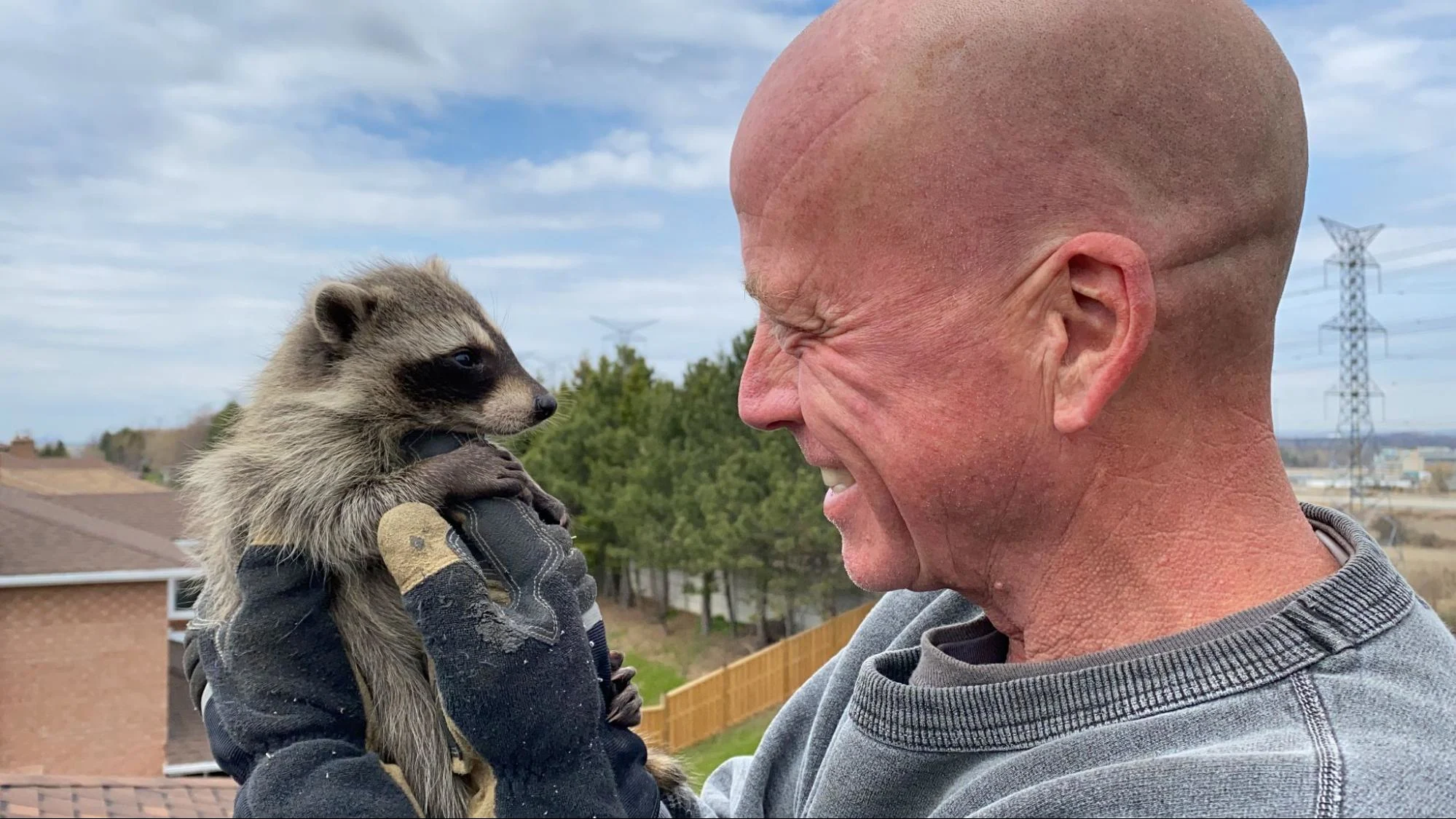
Brad Gates climbs into the attic with ladders, tools, and protective gear. But there’s something unexpected about the way he works.
He talks to the animals. “I do listen to what the animals are telling me and respond accordingly,” Gates said. “We talk to the animal as we approach them, try to give them a level of comfort.”
In a calm, gentle tone, he explains that it’s time to move out and that the homeowners need their space back.
This kind of work is second-nature to him. Long before viral videos and wildlife rescue calls across Southern Ontario, Brad Gates was simply a teenager fascinated by animals. He had the chance to temporarily care for a raccoon at 16 years old, something that was still legal in the 1980s.
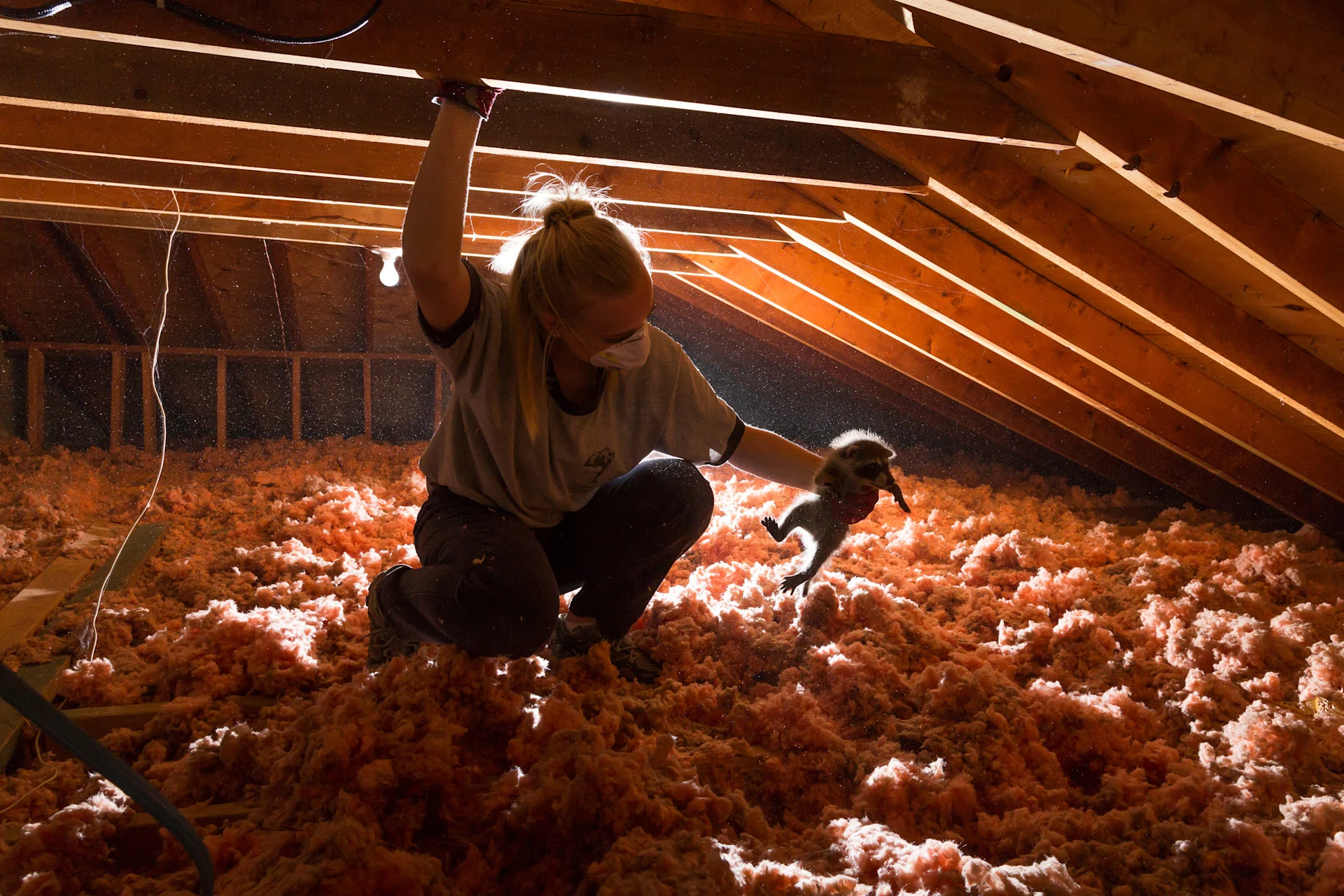
Nearby, his daughter Cassandra carefully cradles tiny baby raccoons before placing them into a heated reunion box designed to keep them safe and warm until their mother retrieves them and carries them to a secondary den site.
In fact, their whole family climbs into the attic to help. Brad’s son, Spencer, is also on the team, climbing onto roofs too. Other animal-minded crew members are spread across southern Ontario handling calls of their own.
For the Gates family, this isn’t simply pest control.
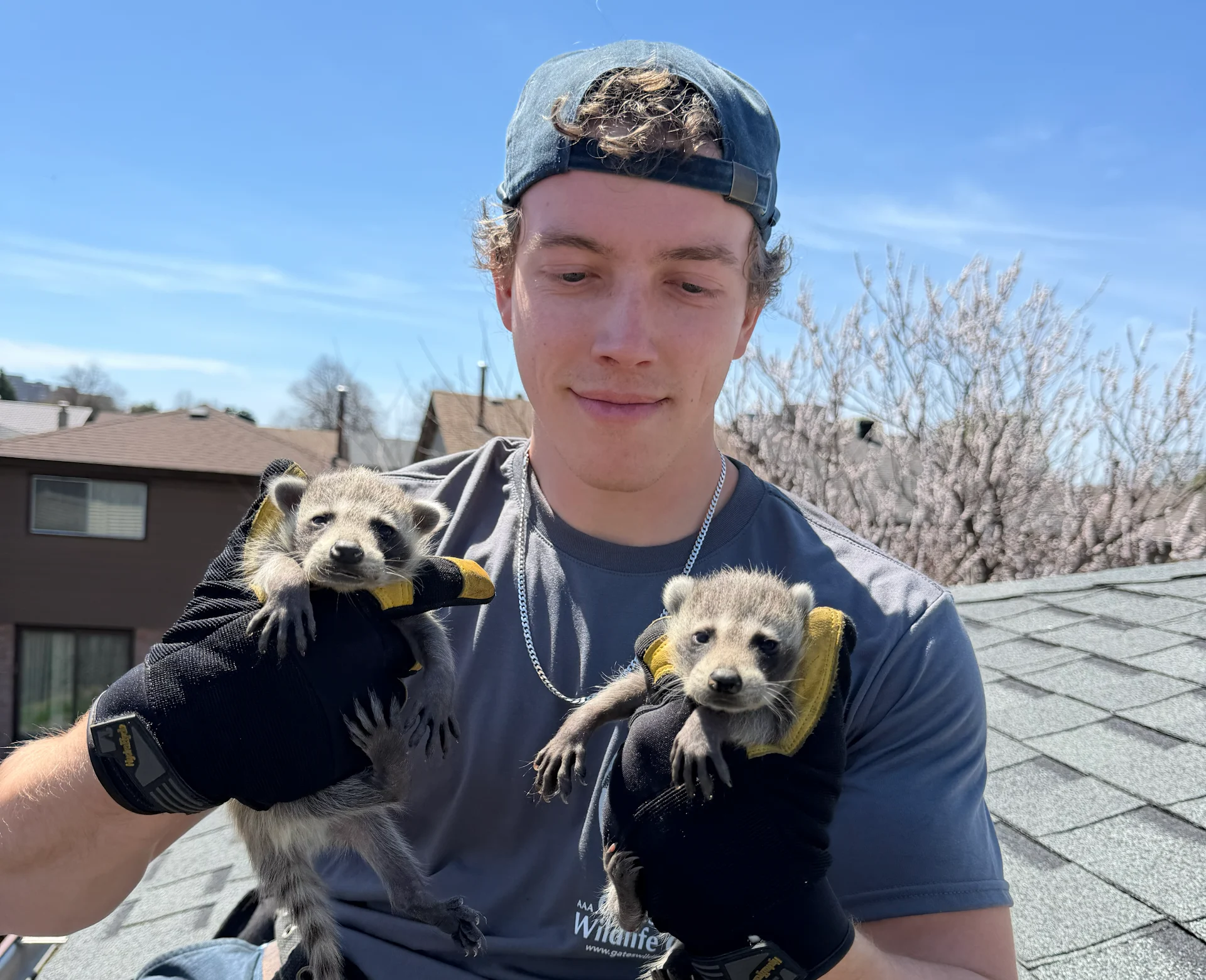
“We need to share our space with them and we need to learn to live side-by-side,” Gates said. “Our lives are very parallel to the lives of the wild animals we live amongst.”
They’ve seen many different species, including opossums, raccoons, squirrels, skunks, and even a Japanese snow monkey that escaped its zoo in St. Catharines.
Wildlife removal meets reality TV
The work itself feels almost cinematic. Helmet-mounted cameras, tripods, and even tiny reunion box cameras capture every tense moment, emotional reunion, and successful round of teamwork.
Every interaction is documented to educate viewers and show a humane side of wildlife removal many people have never seen before.
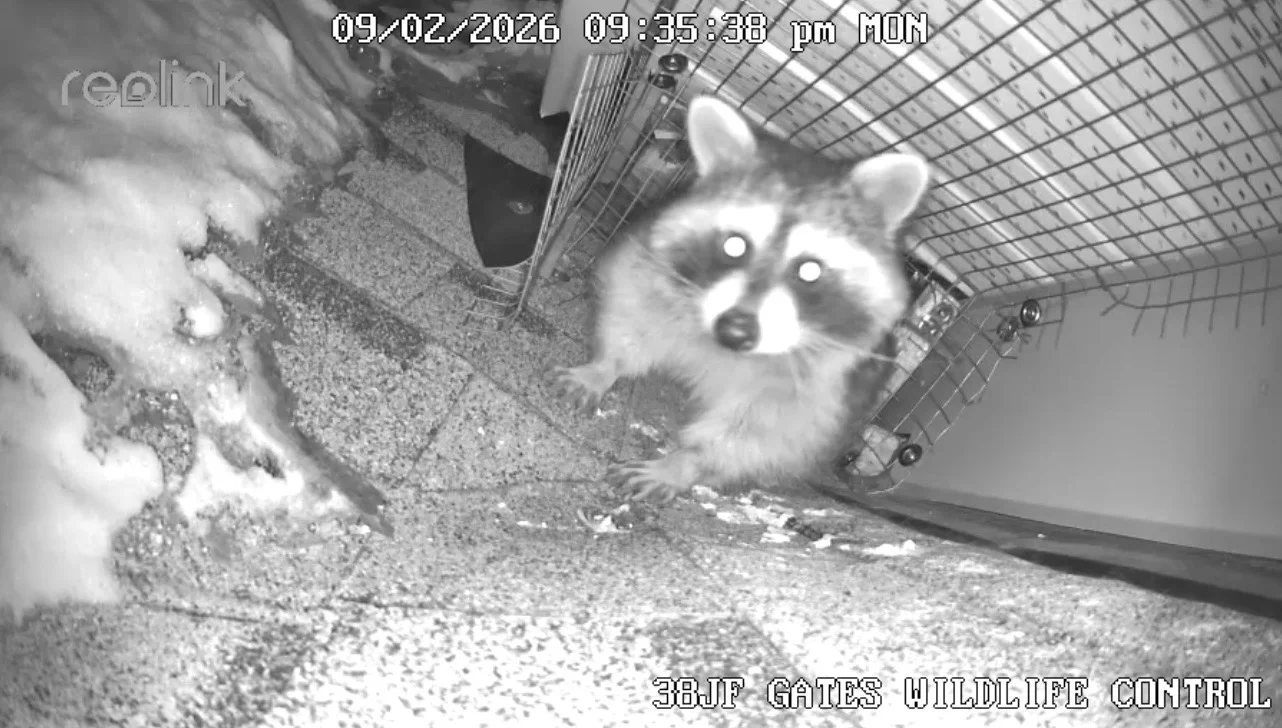
The result has struck a global chord. Gates Wildlife Control has garnered a massive online audience with more than 180,000 subscribers and videos that generate tens of millions of views.
Viewers may initially click for the adorable baby animals, dramatic rescues, or surprising attic encounters. But what keeps many watching is the unmistakable compassion behind the work and caring team comradery between Gates and his children.
“I guess I was very much surprised that there would be that much interest in what we do,” said Gates.
The family’s philosophy is simple: Humans have expanded into what was once wildlife habitat, so it’s natural that animals search for warm shelter, food, and safe places to raise their families. In many cases, our homes simply look like the perfect den.
A humane approach to wildlife removal
Caring deeply about animals has shaped every part of how the team operates. “We’re not just a trapping company,” Brad Gates said. They focus on reuniting families whenever possible, striving to avoid situations where young animals can wind up stranded away from their mothers.
RELATED: From foe to friend: How to change perceptions of 'nuisance' wildlife
He also wants people to understand that these animals aren’t invading out of malice. In many cases, shrinking green spaces and expanding urban development leave wildlife with fewer safe options.
Wildlife experts say that trying to remove animals yourself can be dangerous, both for homeowners and for the animals involved. Doing it yourself can risk accidents or injuries for everyone involved.
The Gates team says homeowners looking for wildlife help should ask questions about humane practices before hiring a company, including whether technicians check carefully for babies, reunite families, use heated reunion boxes when necessary, and avoid harmful trapping or relocation practices.
How to keep wildlife out of your home
Prevention starts outside. Gates says there are several ways homeowners can make properties less attractive to urban wildlife.
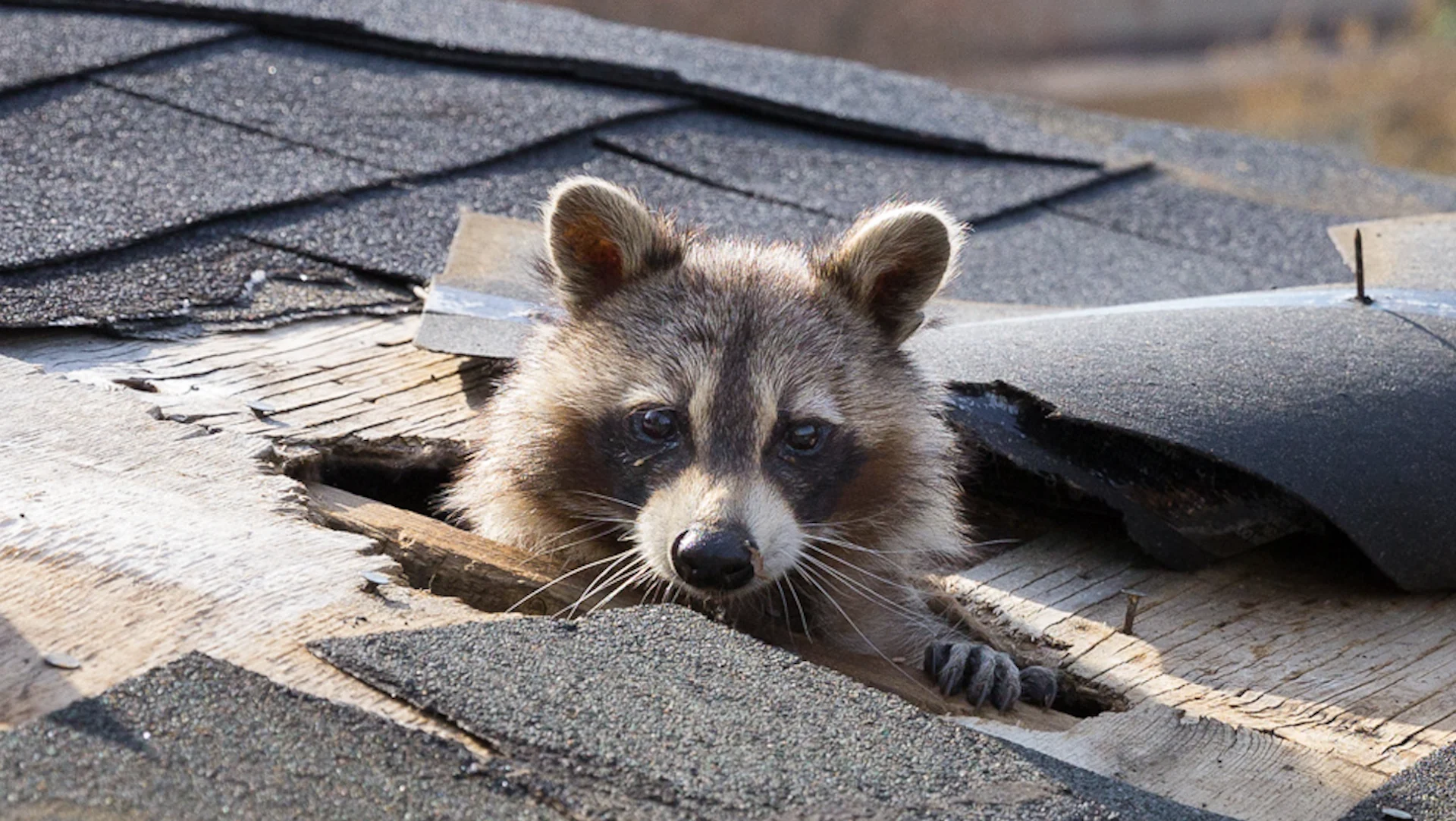
This includes securing garbage and compost bins, trimming vegetation, regularly inspecting roofs, replacing flimsy plastic roof vents, and avoiding the creation of dark, enclosed spaces where animals tend to seek shelter.
Spring is especially busy for wildlife calls as animals search for nesting and denning locations. And while those attic noises can feel alarming at first, the Gates family hopes more people will begin to see urban wildlife differently--not as villains, but as neighbours adapting alongside us.
“I love the opportunity to turn around somebody’s unfounded hate for these animals into something that is more of a respect and a love for them.”