Hundreds of new species found in underwater ‘hidden world’

During the 160 days at sea, 4,350 animals from 788 species that live in or on the sea floor were collected.
An international study aimed at measuring the impact of mining critical metals from the seabed has found 788 species, many of them previously unknown, living at a depth of 4,000 metres in what the authors call a ‘hidden world’ underneath the Pacific.
The major research project that led to the discovery was part of an attempt to map the floor of the Pacific Ocean.
“Critical metals are needed for our green transition, and they are in short supply,” marine biologist Thomas Dahlgren of the University of Gothenburg says in a statement.
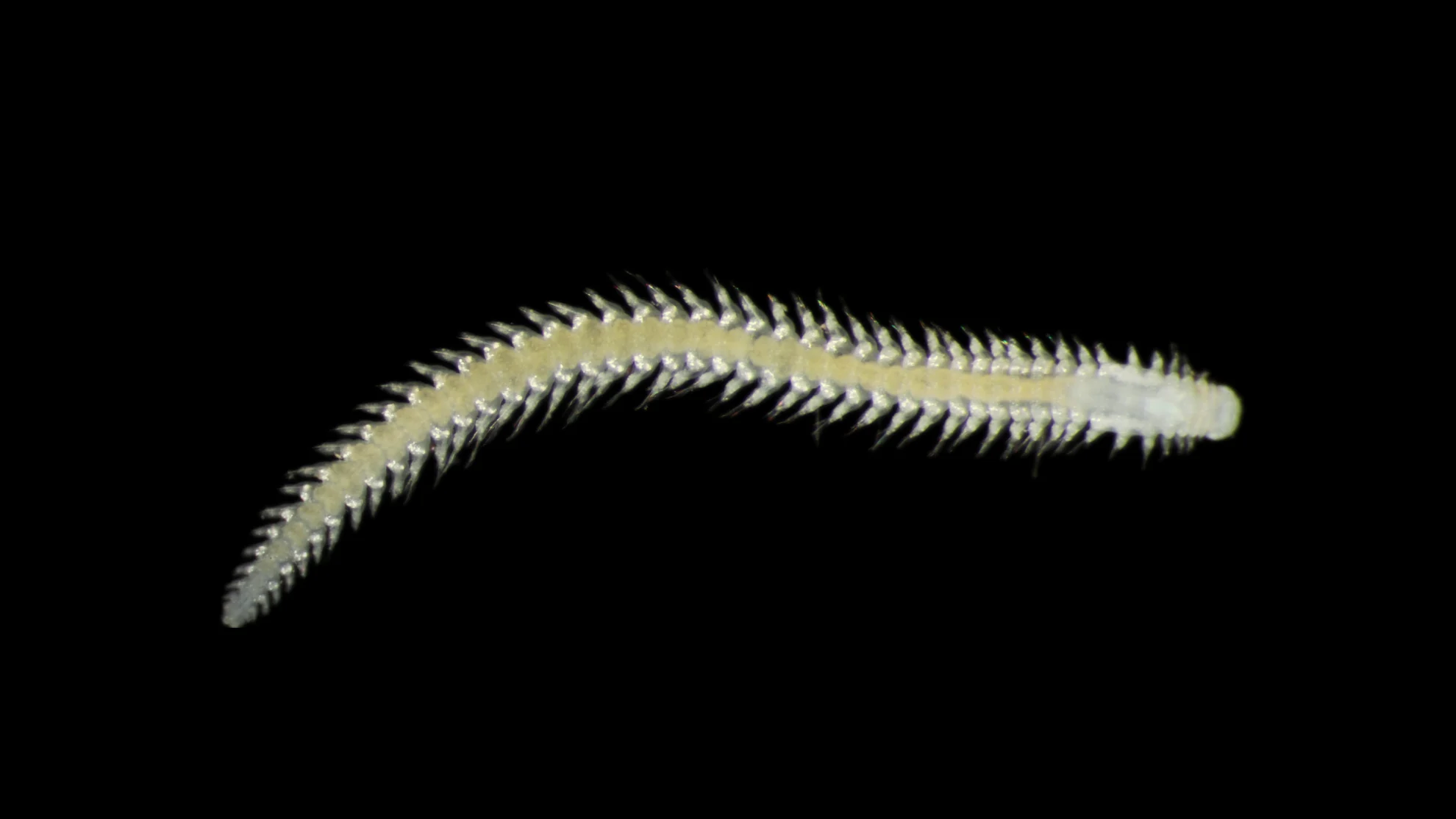
A small marine bristle worm, one of the few species that is slightly more common in the CCZ. It is approximately 1-2 mm long. (Photo and caption: Natural History Museum, London & Göteborgs Universities)
“Several of these metals are found in large quantities on the deep-sea floor, but until now, no one has shown how they can be extracted or what environmental impact this would have.”
Researchers have been logging marine life for five years in an area between Mexico and Hawaii that’s referred to as the Clarion-Clipperton Zone (CCZ). During that time, the number of animals in the area decreased by 37 per cent, and species diversity decreased by 32 per cent in places where a metal mining machine travelled.
“The research required 160 days at sea and five years of work. Our study will be important for the International Seabed Authority (ISA), which regulates mineral mining in international waters,” Dahlgren says.
A quiet place
The deep-sea animals were found 4,000 metres below the water surface, where no sunlight reaches. The lack of light contributes to a nutrient-poor habitat, which only sees a sediment growth of one thousandth of a millimetre per year.
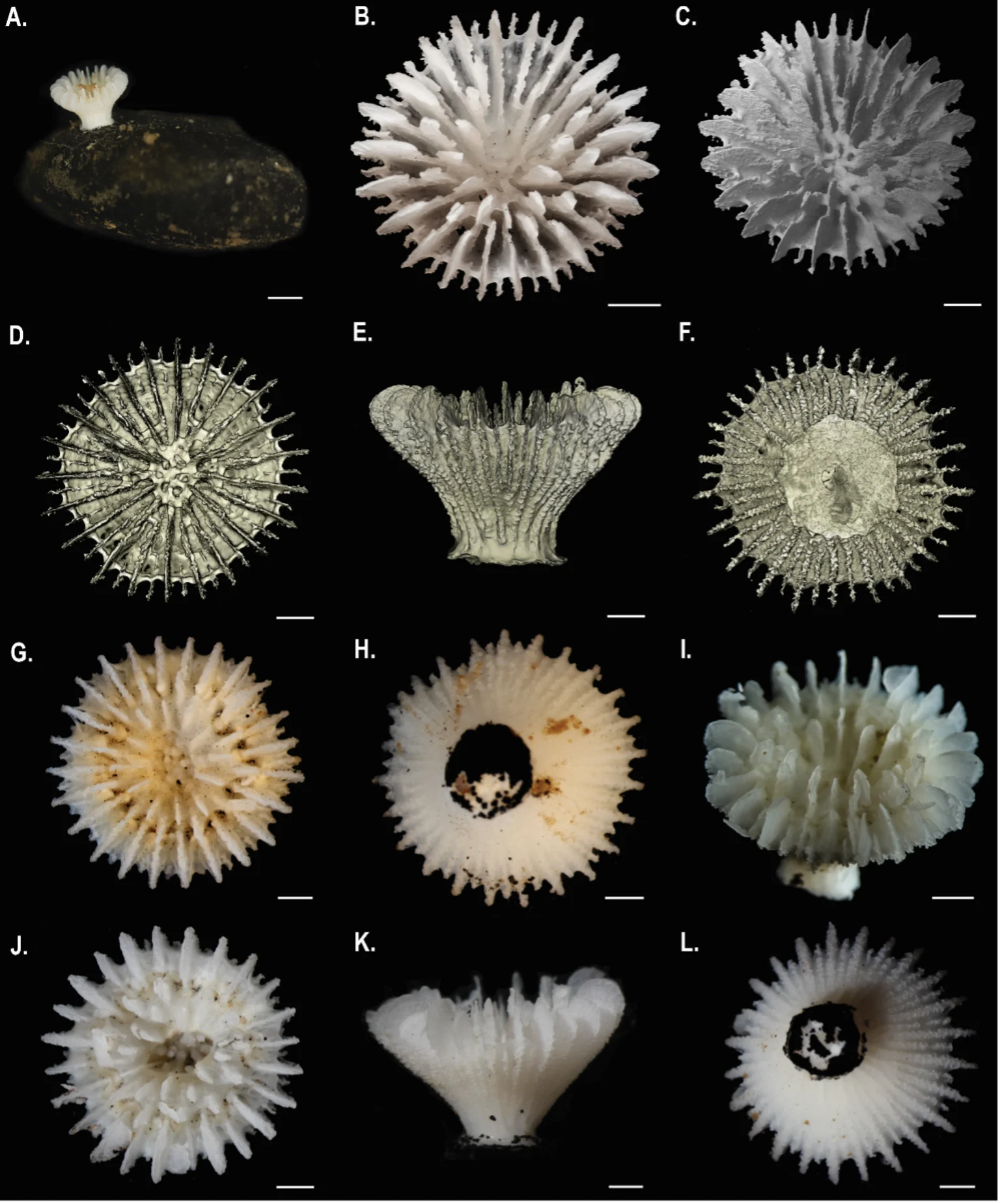
Researchers identified a new solitaire coral attached to polymetallic nodules. It was named Deltocyathus zoemetallicus. (Photo and caption: Natural History Museum, London & Göteborgs universities)
There isn’t a lot going on here, compared to other places. For example, a sample from the bottom of the North Sea can contain up to 20,000 animals, while a sample from the deep sea floor may only have about 200 animals, the authors say.
During the 160 days at sea, 4,350 animals from 788 species that live in or on the sea floor were collected.
“The animals found were mainly marine bristle worms, crustaceans, and mollusks such as snails and mussels,” the authors say, “but there is also a new solitaire coral that are described in another study.”
Researchers found seabed communities naturally changed over time, likely due to the amount of nutrients reaching the zone.
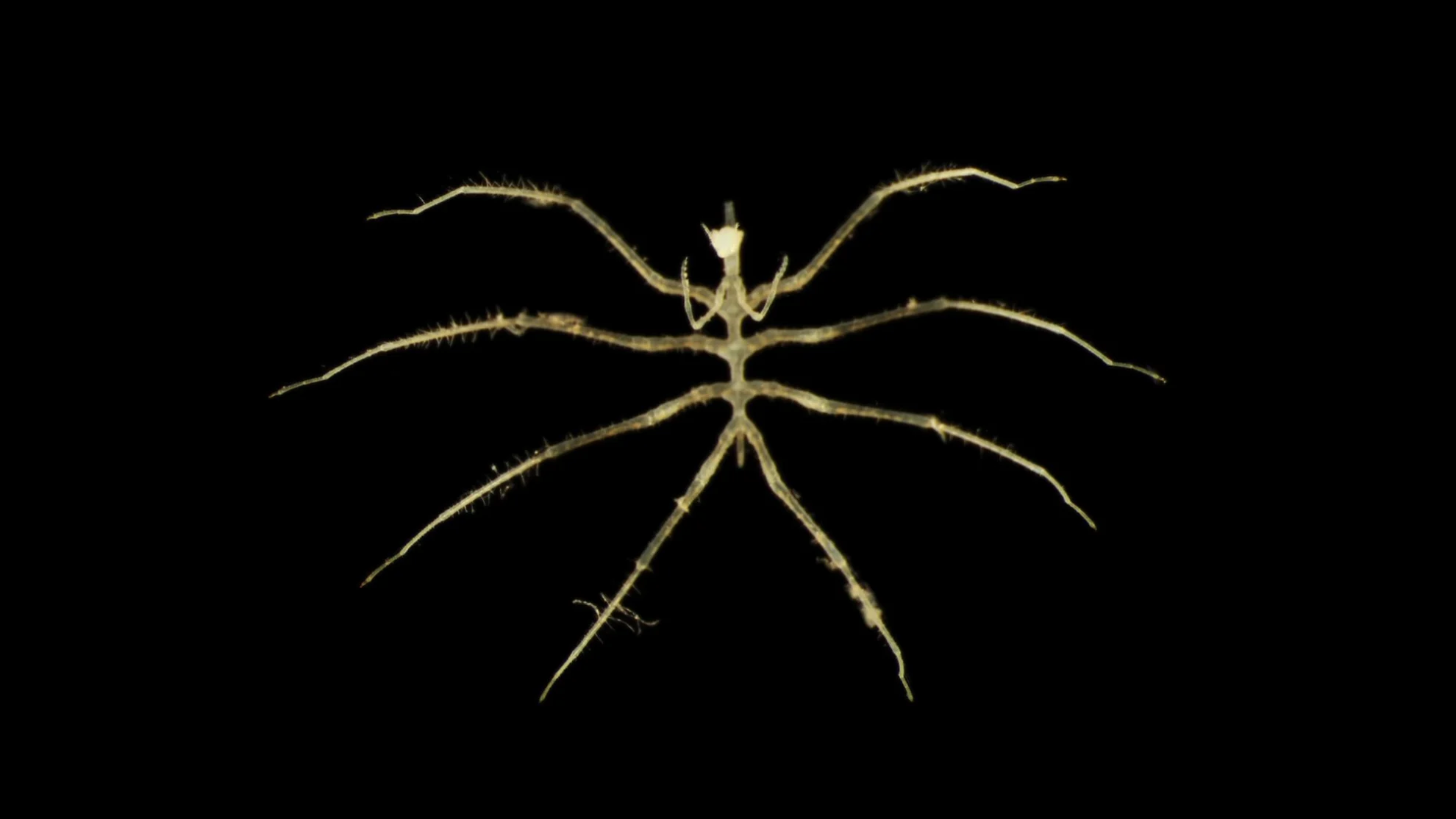
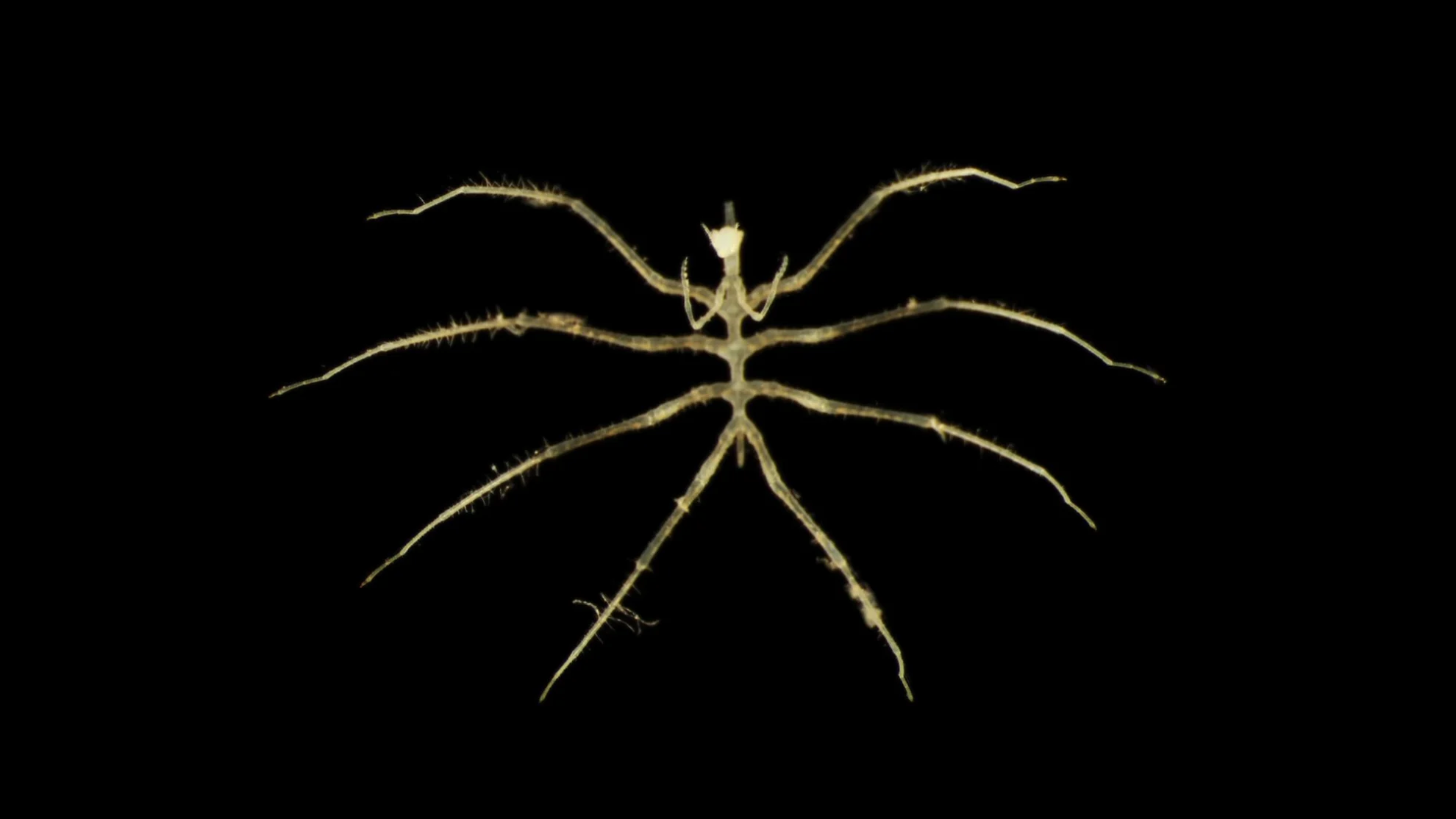
A sea spider. While related to land spiders, it does not belong to that group. They can grow to the size of a palm in the deep sea around Antarctica, but this particular species is only a few millimeters in size. (Photo and caption: Natural History Museum, London & Göteborgs universities)
It’s not clear what percentage of the 788 species collected were previously unknown — but collecting a substantial number of new animals in this area likely wouldn’t be a huge surprise: A separate 2023 study, for example, identified 5,142 unnamed species in the CCZ. Of that, up to 92 per cent were previously unknown to science.
The CCZ remains understudied due to its location. Comprised of roughly 6 million square kilometres and with an average depth of about 5,000 metres, it is considered one of the most remote and least understood environments on the planet.
“It is now important to try to predict the risk of biodiversity loss as a result of mining,” Adrian Glover, from the Natural History Museum of London, and an author involved in the new study, says in a statement.
"This requires us to investigate the biodiversity of the 30 per cent of the Clarion-Clipperton Zone that has been protected. At present, we have virtually no idea what lives there."