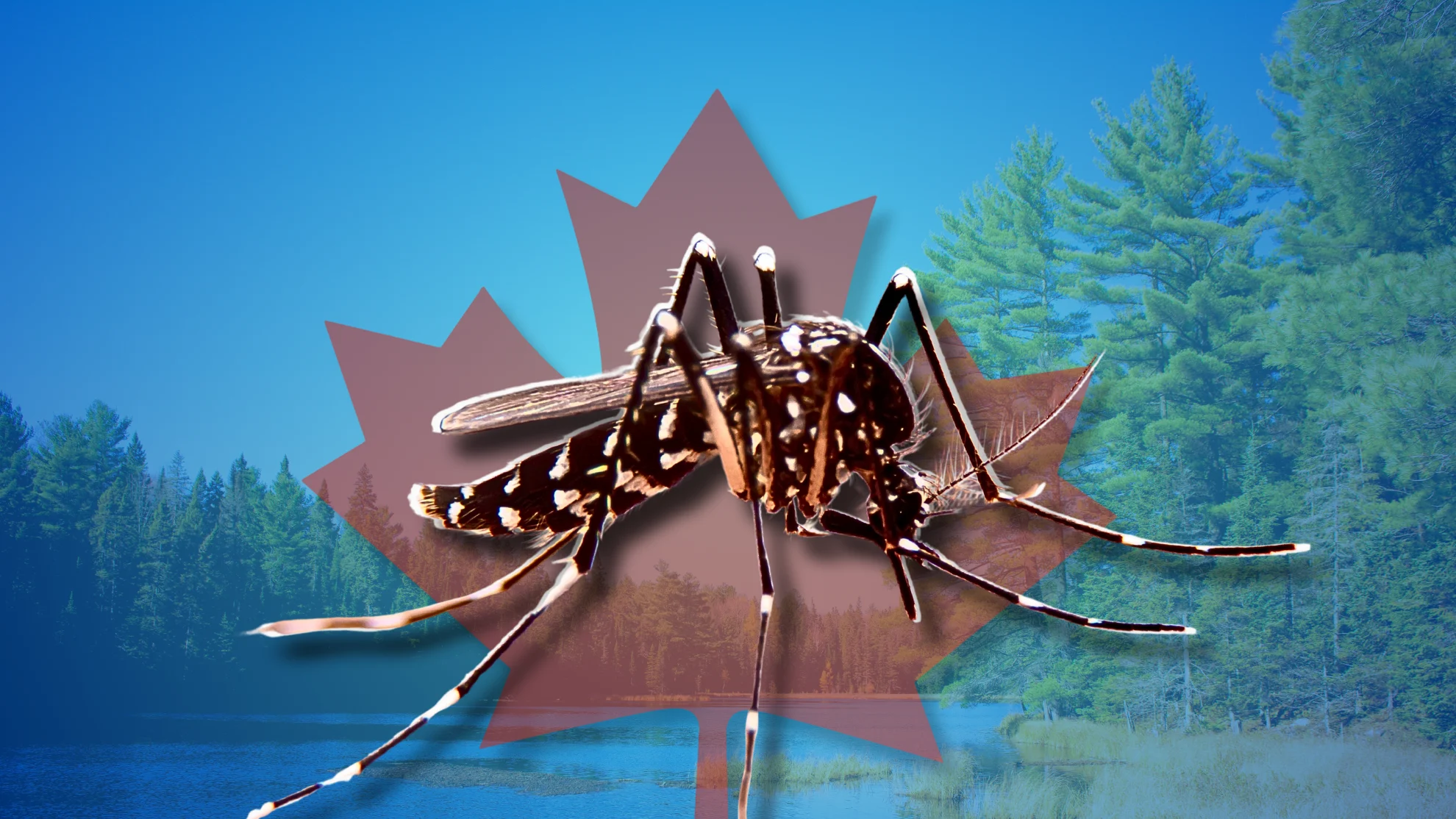
Get ready, Calgary: after the rain, come the mosquitoes

Until recently, the relatively dry spring has meant Calgarians may have been swatting away fewer mosquitoes than normal this time of year.
That’s likely to change after a downpour drenched the city for several days.
The City of Calgary traps mosquitoes to maintain population estimates. Alex Coker, integrated pest management technician with the city, says in the last week of May, the traps caught about seven mosquitos each.
RELATED: Mosquitoes may be learning to associate DEET with food
And with that rain comes lots of standing water, where mosquitoes breed and thrive.
“Once things start to warm up, the eggs in those sort of new water habitats will start to hatch, and then the larvae will kind of develop over time,” Coker said.
How quickly that happens will depend on how warm it gets, Coker said. The larvae will mature into adults within about seven to 10 days, with the population peaking a few weeks after the rainfall.
RELATED: Candles or DEET? What is the best way to prevent bug bites?
Entomologist John Swann says while to some it might feel like an explosion of mosquitoes, it's really that the population is being condensed into a shorter time period.
“Suddenly we're going to get all the spring mosquitoes … in maybe a span of a month as opposed to maybe two and a half months that we would normally have,” said Swann.
Swann said the mosquito population in the area has actually decreased in recent years, with a string of cold or dry springs killing off eggs.
WATCH: Is DEET safe? Expert talks honestly about the bug spray you have at home
Keeping mosquitoes away
There are some things people can do to ward off a mosquito invasion, Coker said: dump out or cover free-standing water in your yard, and keep your grass cut short to reduce the bugs' habitats.
“And then in terms of personal protection, things like wearing long sleeves or long pants, bug spray and, if possible, reducing your activity periods sort of away from those dusk and dawn times where we see the most mosquitoes,” she said.
Coker says the city will monitor which areas see the biggest spike in numbers, to determine where treatments will be used to control the population.
WATCH: Why mosquitoes LOVE you and the easy things you can do about it to make it STOP
This article, written by Jennifer Keiller, was originally published for CBC News. Contains files from Karina Zapata.