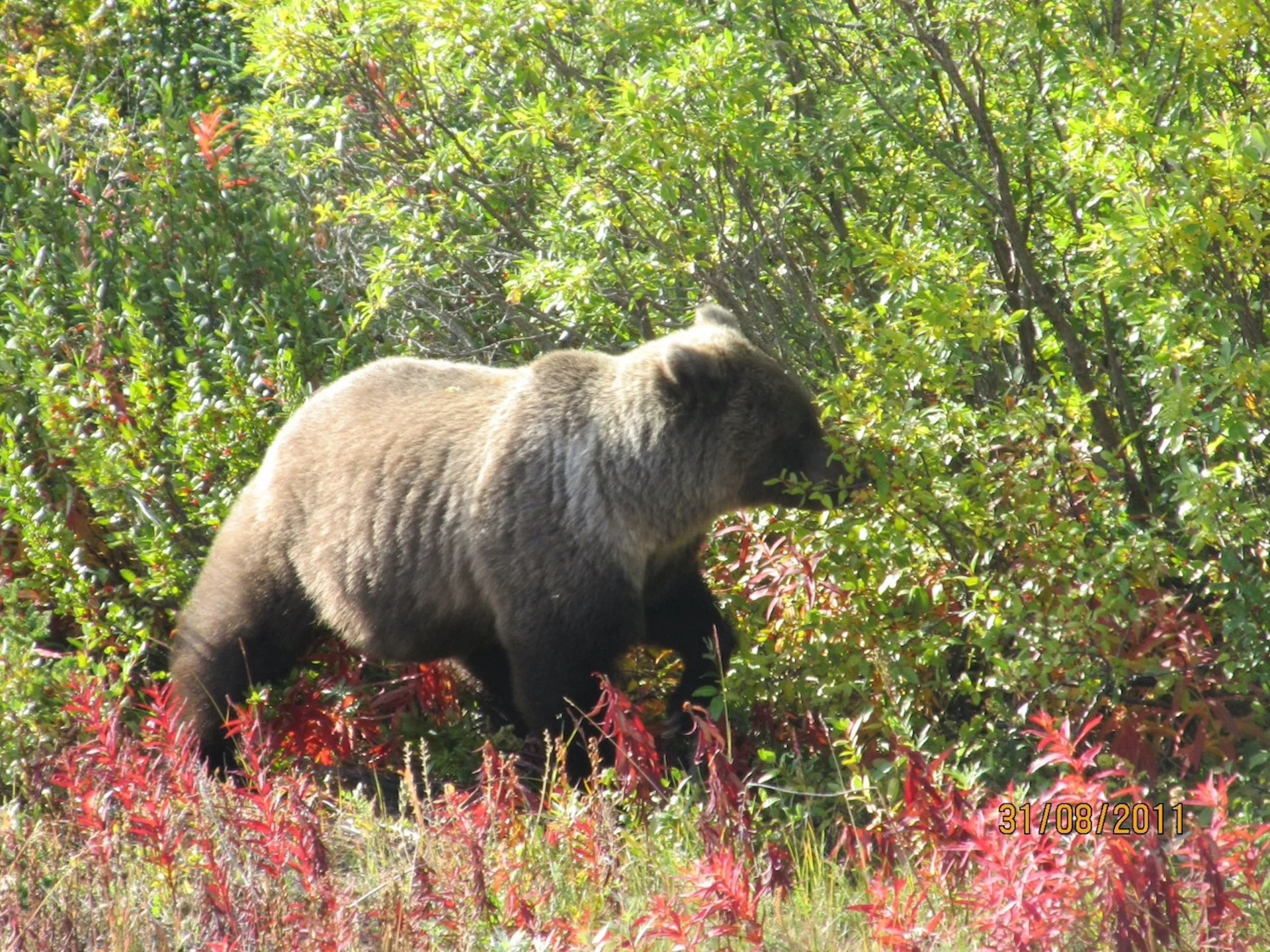
Drought conditions raise concerns for B.C.'s grizzly bears

B.C.'s long dry spell may be coming to an end with ample rain in the forecast, but there are concerns about how prolonged drought conditions are affecting wildlife in the region, including grizzly bears.
The province has issued a Level 5 drought warning in some areas — including the Sunshine Coast, Lower Mainland, Fort Nelson basin, Peace basin and the Kettle region.
SEE ALSO: How and where to go on a safe quest to see wildlife in Canada
Nicholas Scapilatti, director of Grizzly Bear Foundation, says the drought is cause for concern as bears are dependent on the return of salmon this time of year.
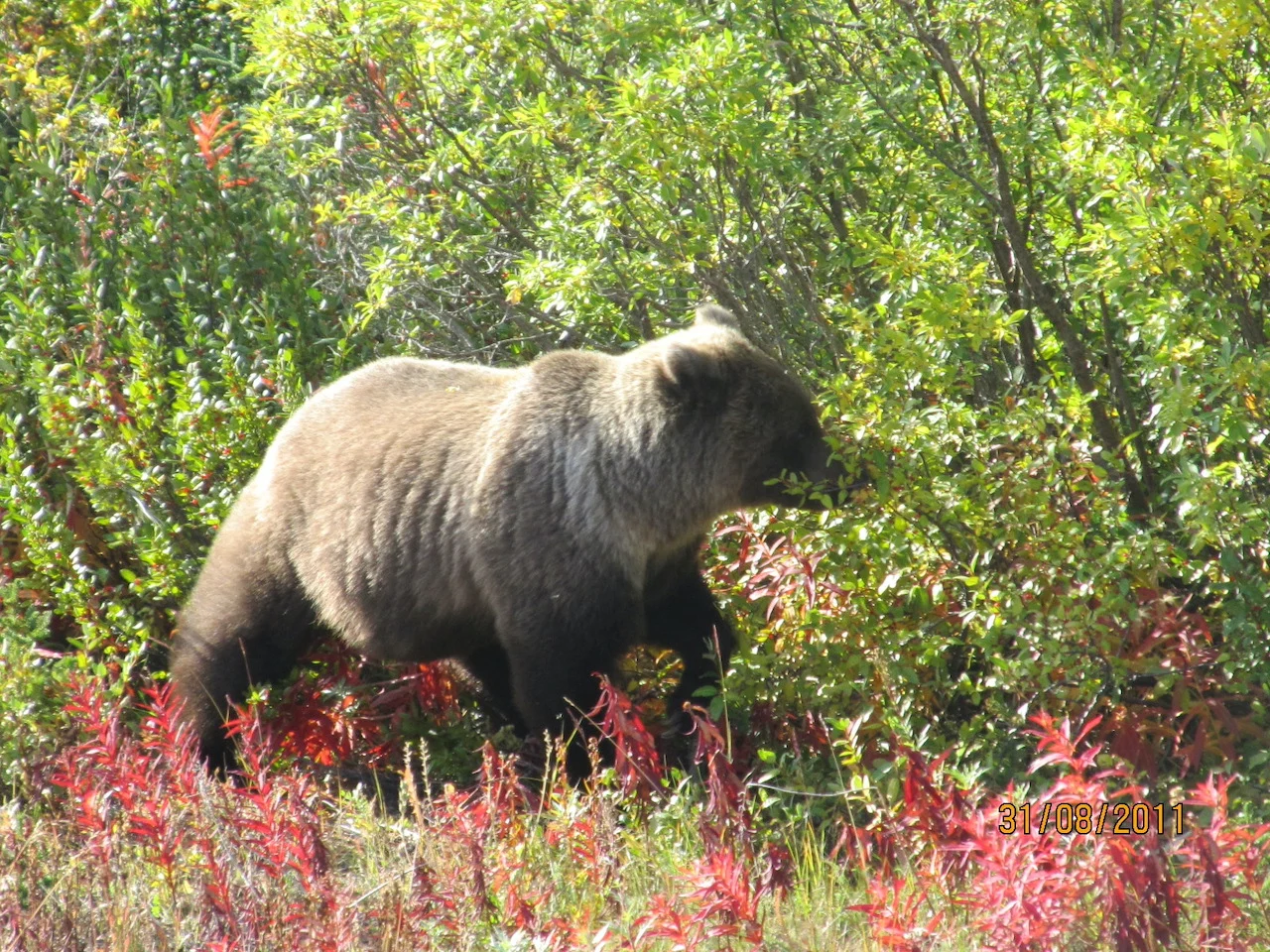
(Warren Howes/Submitted)
"This extreme weather that we're experiencing because of the climate crisis puts a lot of pressure on their food security," Scapilatti told Gloria Macarenko, the host of CBC's On The Coast.
Record-setting drought conditions have left many of the province's waterways low or dry, which has led to the deaths of thousands of salmon on the coast.
The number of salmon returning to the Neekas River, about 25 kilometres north of Bella Bella, has been declining for decades, from an average of 47,000 in the 1970s to just 750 in 2021, according to federal data from Fisheries and Oceans Canada.
The decline is raising concerns that B.C.'s grizzly population may be going hungry just as the bears need to put on weight for winter hibernation, Scapilatti said.
WATCH: How to react to a grizzly on the road
Female bears in B.C. mate from early June to mid-July. In a phenomenon called delayed implantation, they hold the fertilized egg in their bodies until the winter and give birth to cubs during hibernation in early January or February.
"If they don't get enough fat from salmon runs and good food... their bodies won't implant the fertilized egg," he said.
When salmon don't show up, pregnant females pay the price, unable to produce cubs the following spring, Scapilatti said. The lack of salmon also affects sub-adults, bears that are independent from their mother and may mate, but not yet sexually mature.
Scapilatti said more needs to be done to protect crucial habitats, wetlands and undeveloped parcels of land that sustain the grizzly population.
"We're not facing just the climate crisis, we're facing an ecological crisis at the same time," he said.
Thumbnail courtesy of Warren Howes.
The story, written by Priya Bhat, was originally published for CBC News. It contains files from Yvette Brend and On The Coast.