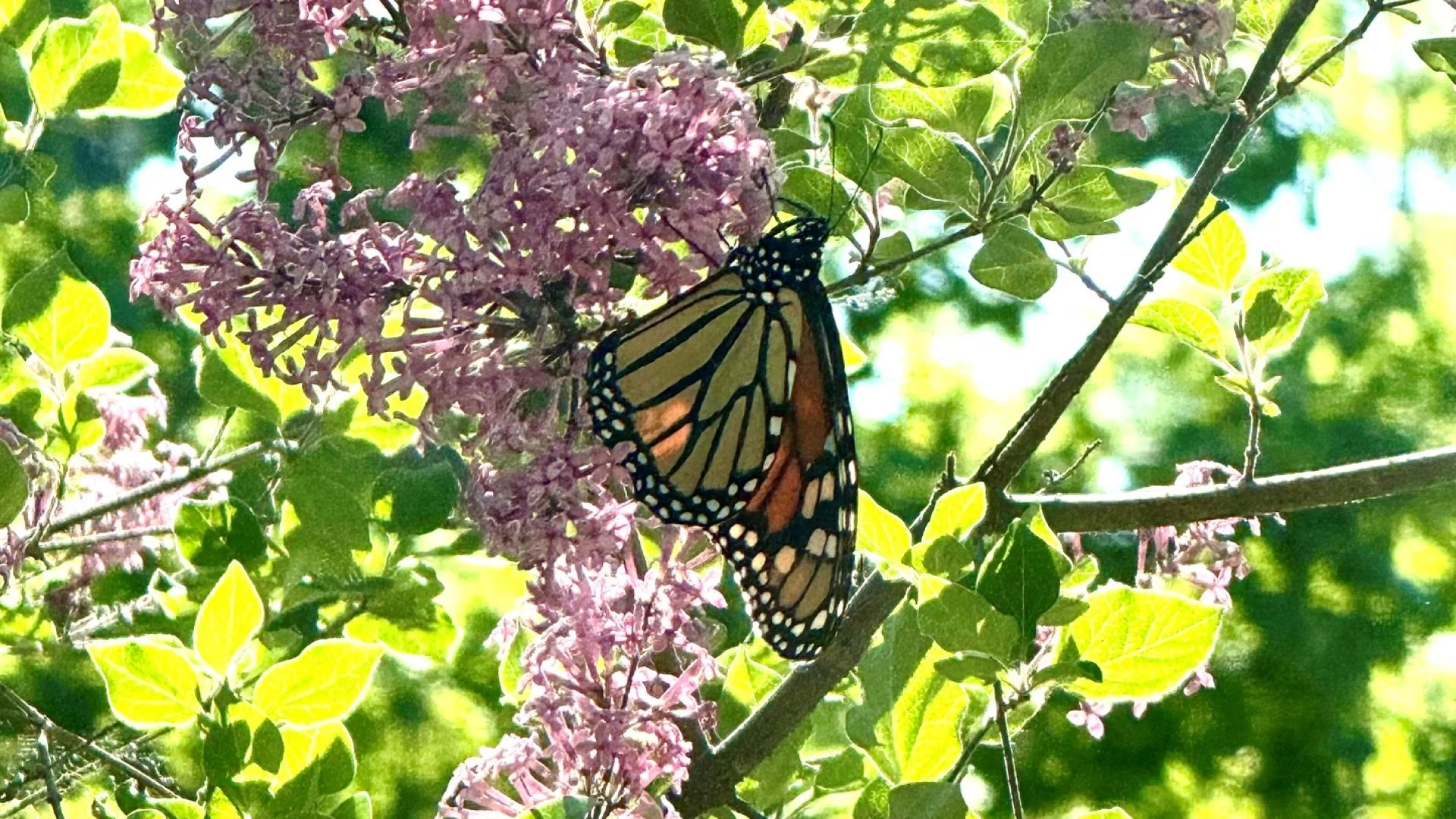
Avoid words such as crisis when discussing wildlife loss, study says

A new study examined effective, public messaging regarding the gravity of plant and animal species loss, finding that certain terms resonated more with people than others.
The words people use can have a tremendous impact on others, so when it comes to getting the attention of the public to shed light on our planet's wildlife, there are certain terms that should be avoided when describing the troubles, a new study says.
When people want to get their message across, they should avoid using crisis and loss as descriptors with certain words, including biodiversity, nature and extinction, according to the study published in npj Biodiversity, a Nature Portfolio journal.
SEE ALSO: Nature finds a way? Wild plant gets ‘evolutionary rescue’ from drought
The examination had a sample size of 7,338 U.S. adults, each randomly given one of six terms that are commonly utilized in public messaging about the decline of biodiversity.
The six terms were biodiversity loss, biodiversity crisis, nature loss, nature crisis, extinction of plants and animals, and extinction crisis. Each term was on its own or was accompanied by an explanation and photos of plants and animals, the examination said.

(Getty Images/1126023387-170667a)
“Almost everyone has heard of extinction and wants to support policies to save plants and animals. But if you use unfamiliar terms to describe it, then people are not as concerned or willing to act,” said Wändi Bruine de Bruin, the study’s lead author, in a University of Southern Californa (USC) Sol Price School of Public Policy news release.
“Environmental experts need to recognize that much of their terminology is jargon to average people.”
What terms are effective for public awareness?
The study looked at how to successfully communicate the gravity of the loss of plant and animal species, often termed in public messaging as biodiversity loss.
According to the researchers, biodiversity loss and biodiversity crisis were the least recognizable and concerning to the respondents, even when they were offered to them in an explanation, along with photos of plants and animals.
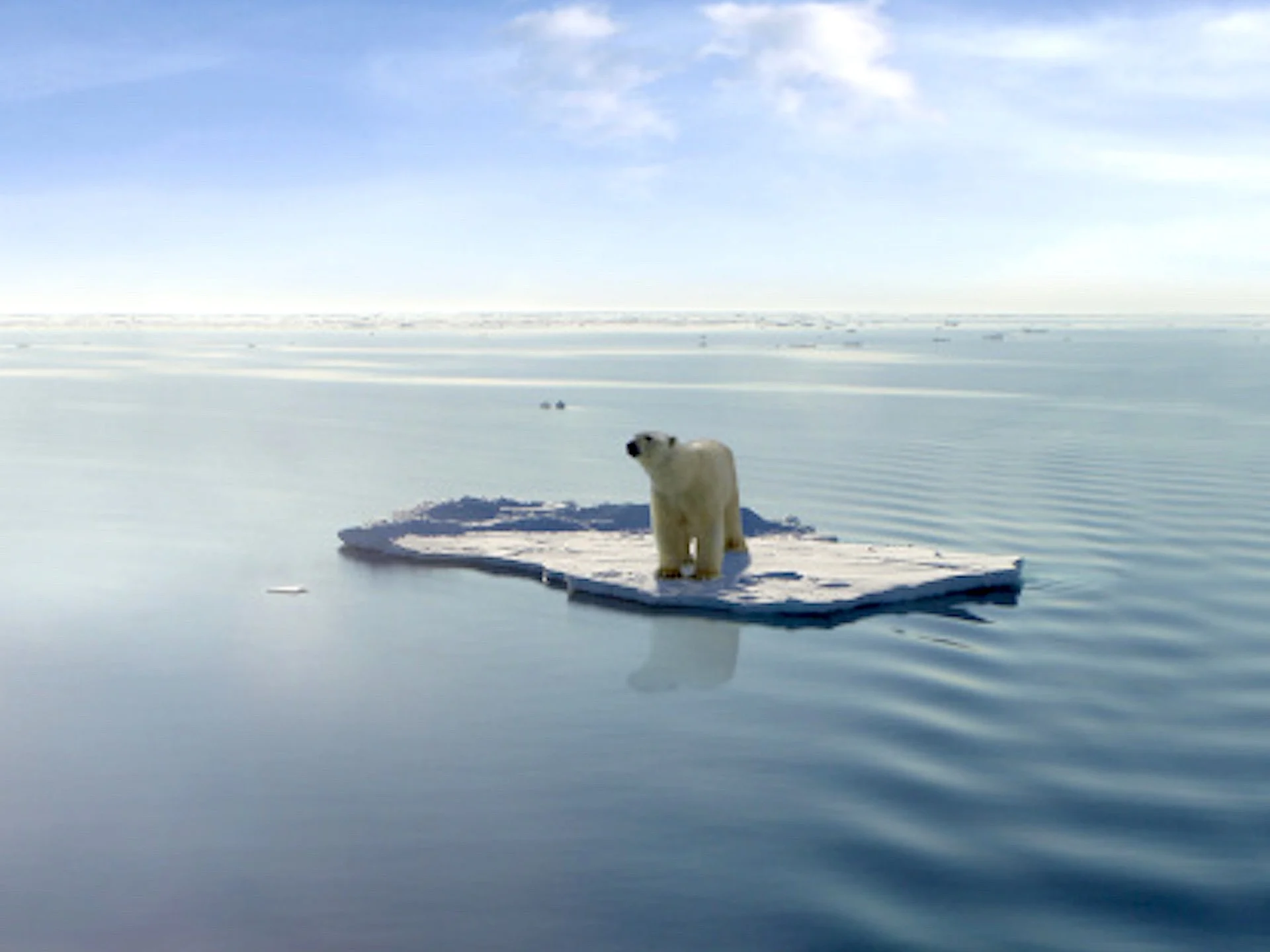
(Getty Images/Coldimages/135183496-170667a)
On the other hand, extinction of plants and animals was the most well-versed term that generated the most public concern, regardless of whether it was provided with an explanation. Nature loss was favoured just as well, but only when used in a proper context, the study noted.
The analysis found that when using terms such as biodiversity loss, biodiversity crisis or extinction crisis, the result is less public concern and less willingness to support policies that could tackle the environmental problem.
“We are hoping the conference delegates take heed of the study so that they convey their findings in clear, simple language that maximizes its impact, empowering children and communities to make informed decisions and take action,” said Moa Cortobius, study co-author, and climate resilience and anticipatory action adviser for Save the Children International, in the news release.