The world’s longest flight takes 18+ hours and flies 17,000 km

The flight from Singapore to New York travels more than 2,000 km out of its way to use the weather to its advantage
The world’s longest non-stop flight travels far out of its way to take advantage of the weather to save fuel on its record-breaking trip.
Singapore Airlines Flight 24 travels directly from Singapore’s Changi International Airport to New York City’s JFK Airport, a whirlwind intercontinental journey that takes longer than 18 hours and spans a distance covering more than 15,000 km.
But that’s on paper. Check out any flight tracker and you’ll find that the flight often forges a significantly longer path.
DON’T MISS: Jet stream pushes airliner’s 7,000+ km journey to the limits
Ultra-long-haul flights are common between major cities
The hub-and-spoke system makes travelling by air relatively easy and accessible. But plenty of frequent flyers are willing to spend a pretty penny to avoid switching planes at a connecting airport.
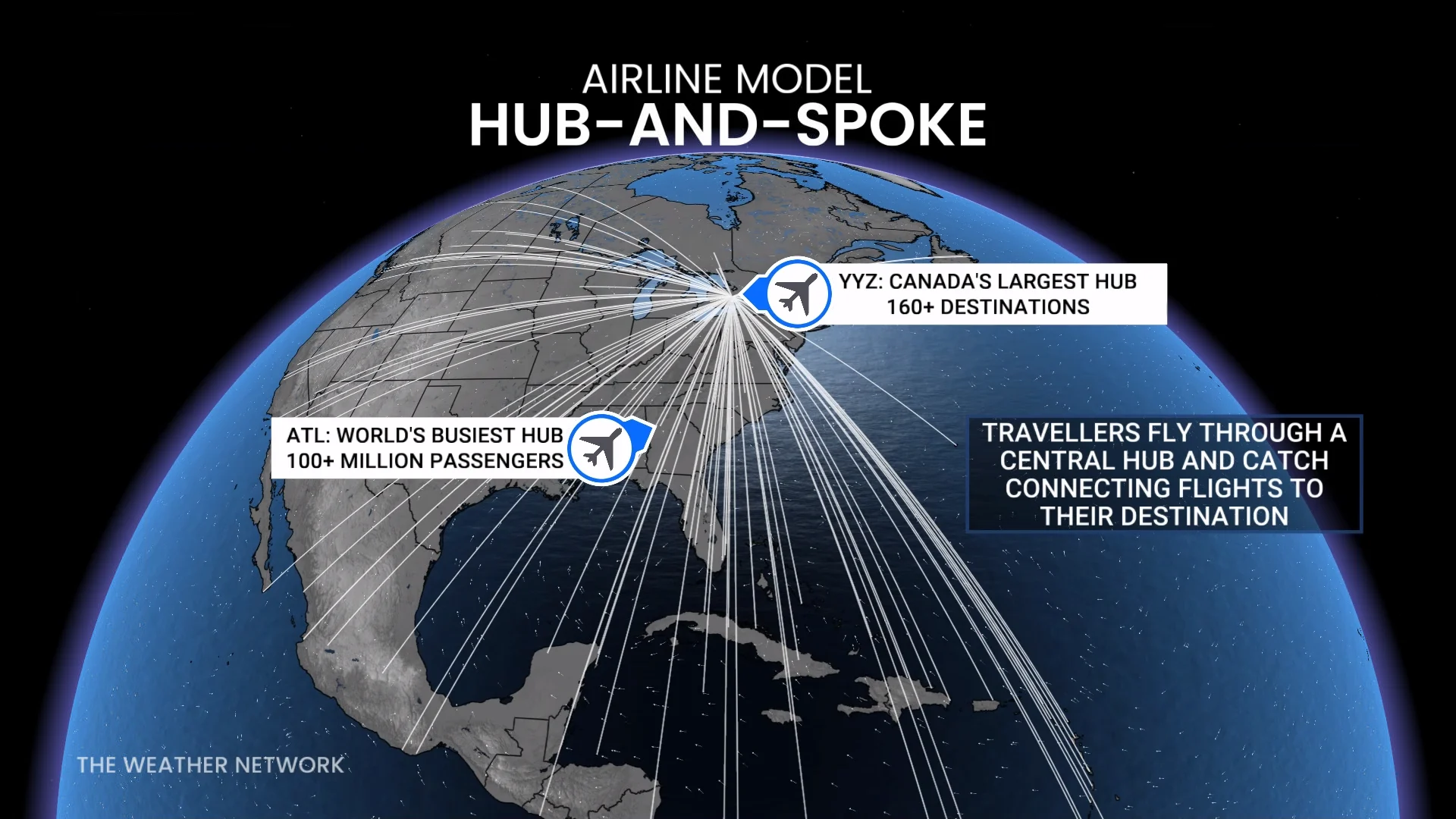
Airlines have invested billions of dollars in modern aircraft that are capable of connecting any two points on Earth without stopping to top up the tanks along the way.
Such a technological advance allows airlines to schedule a handful of super long-haul flights that can take anywhere between 12 and 18 hours to complete.
Great circle distance is (usually) the best way to go
The ten longest flights in the world all follow routes measuring more than 14,000 km in length.
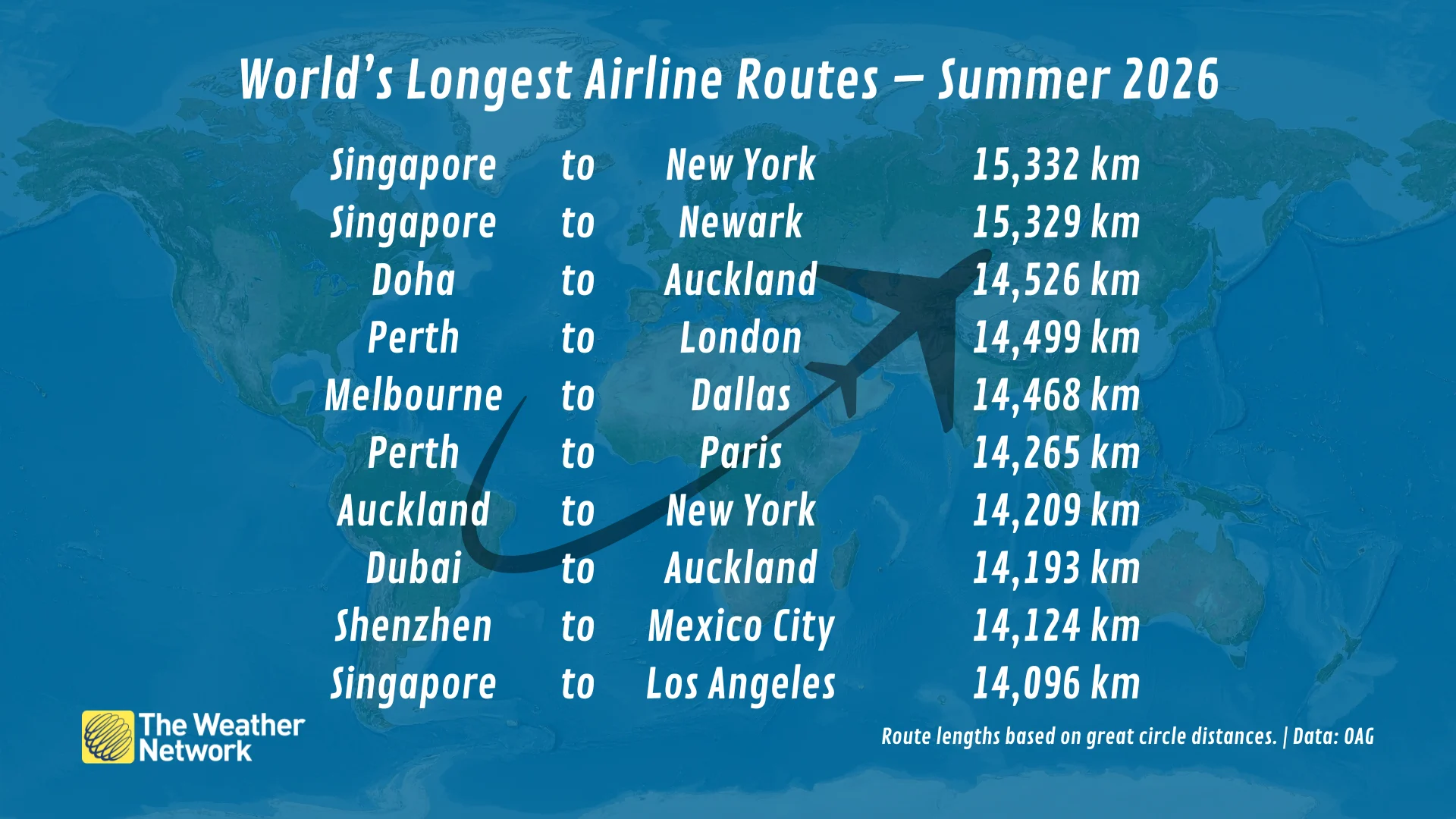
Chief among them is the 15,332 km journey between Singapore and New York. This distance is measured using the great circle, which follows the shortest line possible to connect two points on Earth’s surface.
Even though that’s the shortest distance, it’s not always the optimal route.
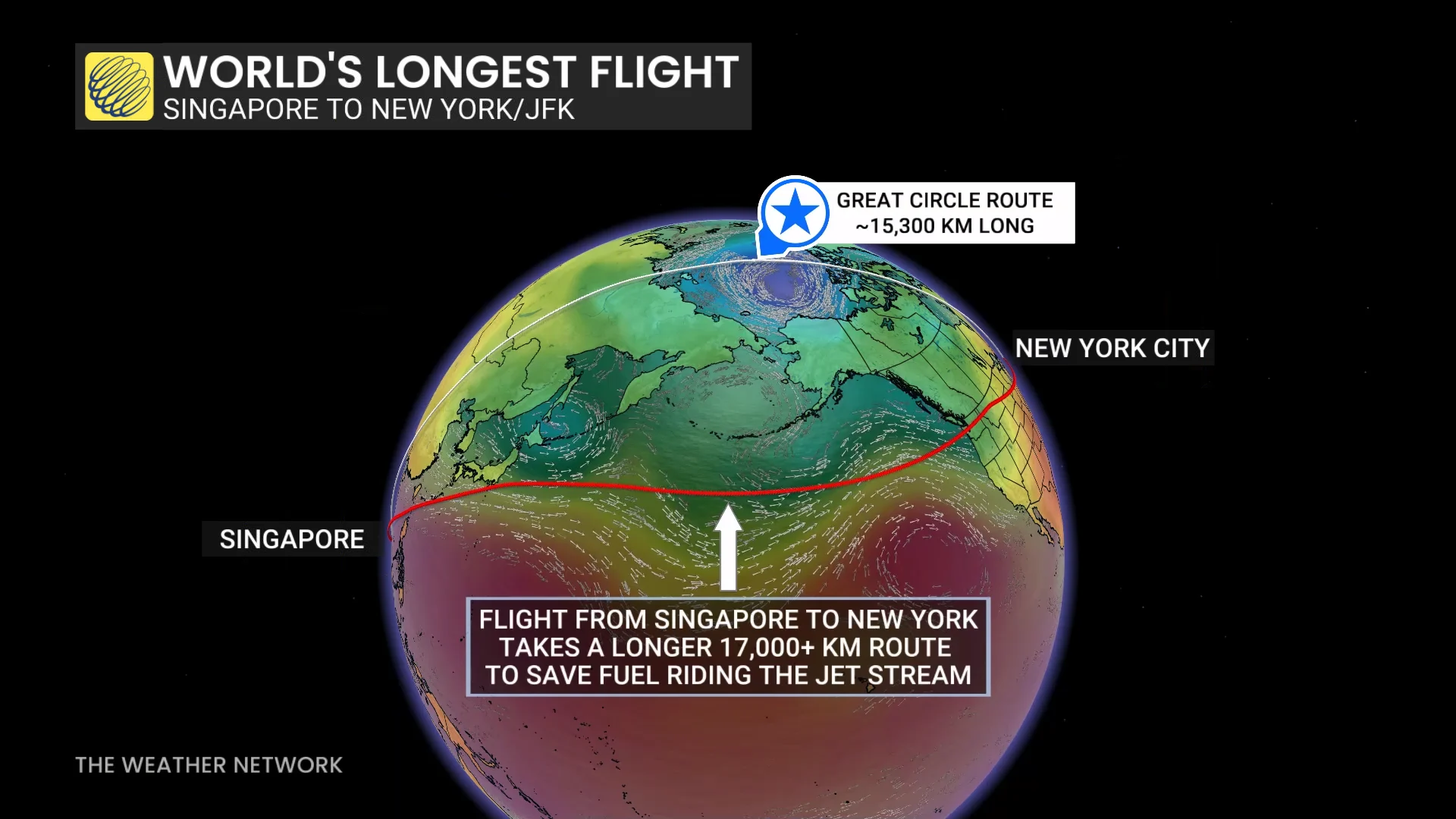
Pop open the flight tracker and you’ll find that the flight from Singapore to New York rarely ever comes close to the North Pole. Instead, pilots usually forge an alternate route measuring more than 17,000 km across the northern Pacific Ocean.
These eastbound flights are taking advantage of the jet stream to conserve fuel. The added push of a stiff tailwind more than cancels out the additional distance, helping the airline cut down on how much fuel it takes to travel clear around the world.
Singapore Airlines Flight 23, which travels back to Singapore from New York, also utilizes the jet stream on its exceptionally long trip back home. Instead of retracing its steps westbound, the flight usually heads east over the Atlantic before traversing much of Europe and Asia on a path that extends more than 16,000 km.
Header image created using graphics and imagery from Canva.