The Azores Unleashed: Discover Portugal’s island paradise

This is Europe’s Hawaii, and there is plenty to see!
Centuries of repeated volcanic eruptions created Portugal’s paradise – the Azores. The islands are located approximately 1.500 kilometres west of Portugal. Here, there is a range of activities, from hiking volcanic mountain peaks surrounded by untouched native plant species, soaking up the sun on pristine beaches, visiting wineries, hot springs, and pineapple and tea plantations, to wandering the historic cafes and shops that line the streets of Ponta Delgada. There is no shortage of adventure here, which is why you should also seek out a guided tour, with a company like Collette, that offers authentic Azores experiences and access to the local culture that only their in-destination experts can organize for you. This is Europe’s Hawaii, and there is plenty to see.
Ponta Delgada
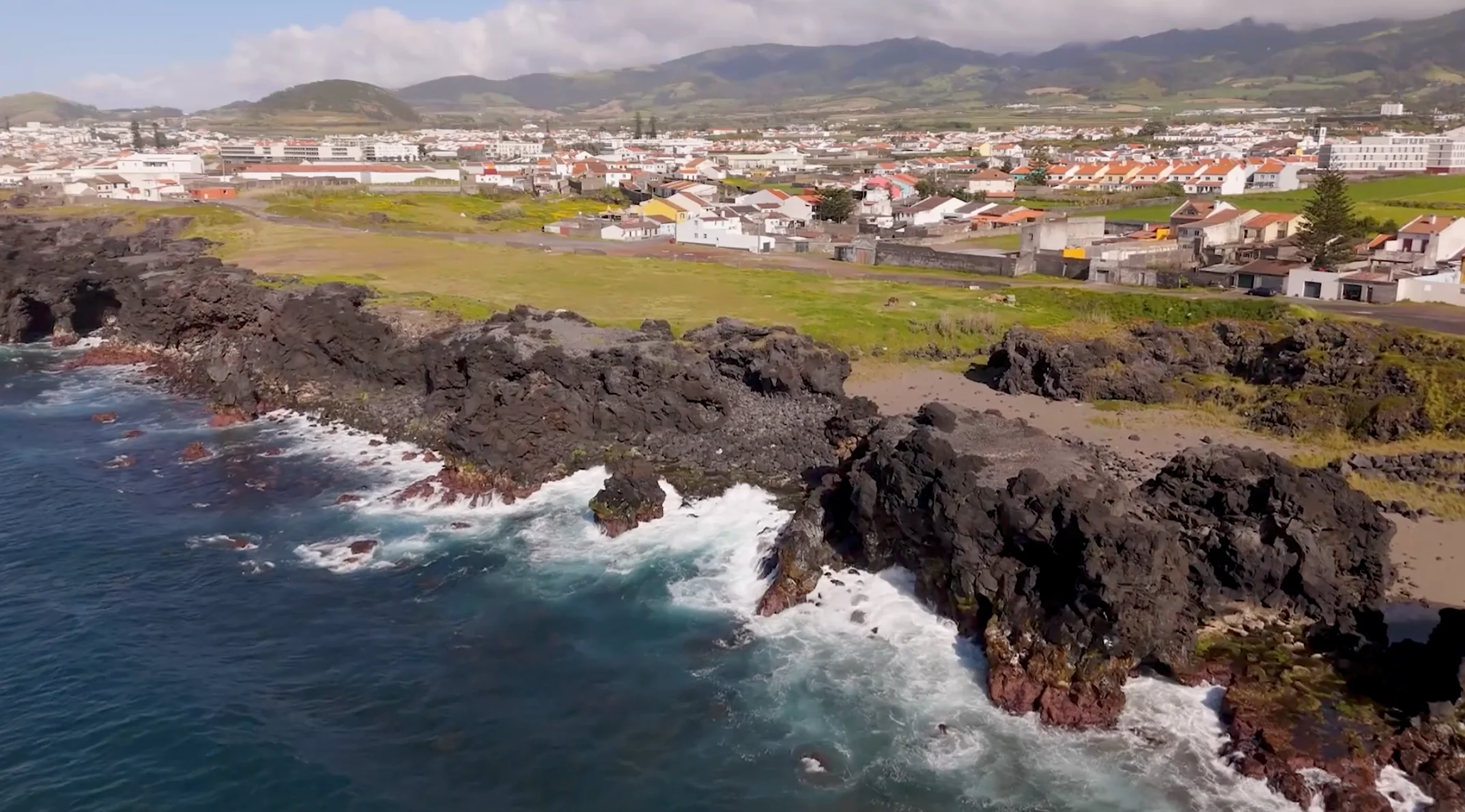
São Miguel Island is home to the vibrant capital of the Azores archipelago – Ponta Delgada. The 500-year-old coastal city is lined with black-and-white cobblestones, beautiful Gothic and Manueline architecture, cafes, and shops, and triple-arched city gates that serve as the gateway to the island’s volcanic wonders.
Explore Volcanic Peaks
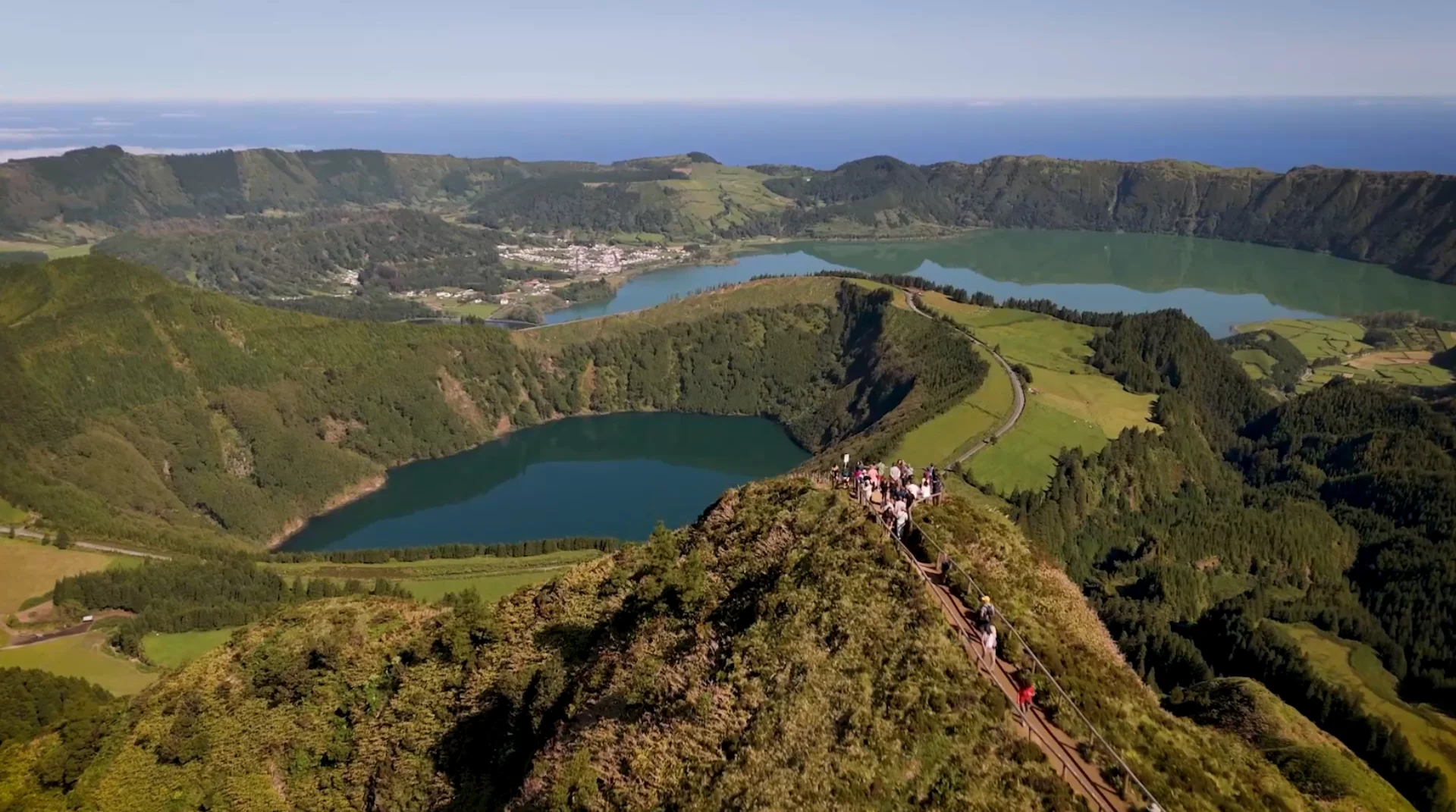
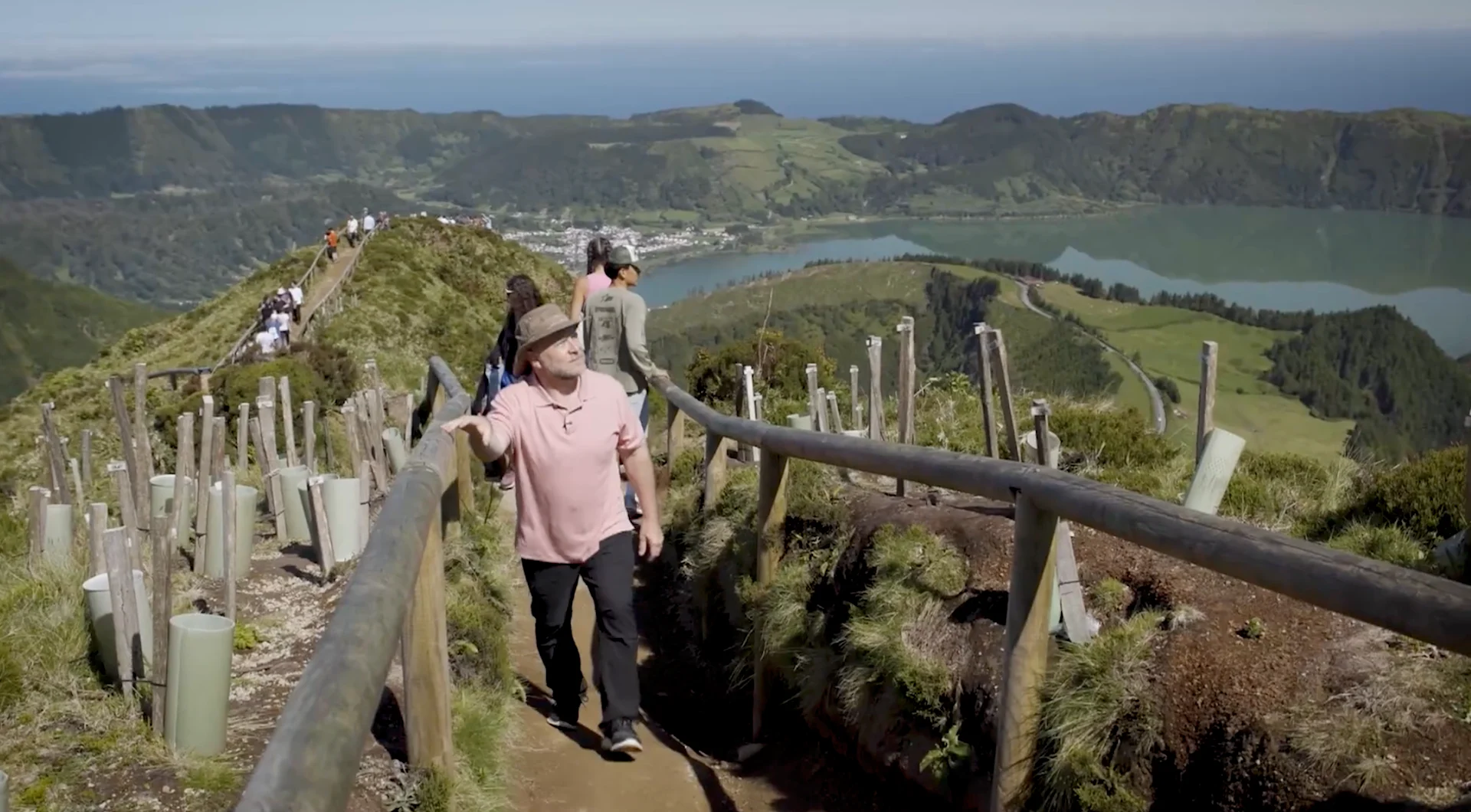
The Miradouro da Boca do Inferno translates to “The Viewpoint of Hell’s Mouth.” It’s the Azores’ famous 730-metre-high viewpoint, featuring a picture-perfect view of the island’s natural splendour. From here, you can see the island’s famous multicoloured volcanic crater lakes and abundant foliage. Admission and parking are free, and the view is accessible after a moderate hike that’s well worth the effort. Early morning and sunset excursions tend to be less crowded.
Immersive Nature Experiences with a Sweet Reward
In 2023, the Apiário Margaridas apiary opened its bee hives to an immersive nature experience. Bees are vital to the Azores' biodiversity. Through sustainable beekeeping, regional habitats are conserved, and the reward is sweet honey. The apiary is surrounded by native plants that produce rich nectar the bees love. The island produces a wide range of honeys, from multifloral varieties to pottosporum honey, an incense honey with a distinct orange-blossom-like nectar.
Furnas: The Volcanic Kitchen of the Azores
The Azorean village of Furnas sits within a volcanic crater on São Miguel Island. Geothermal activity has created a lush oasis dotted with thermal baths. Not to worry, the crater has been dormant since 1630, but the steaming holes it left behind gave rise to a regional and delicious delicacy called Cozido das Furnas. Dozens of restaurants serve the dish, and locals are passionate about which one serves the best.
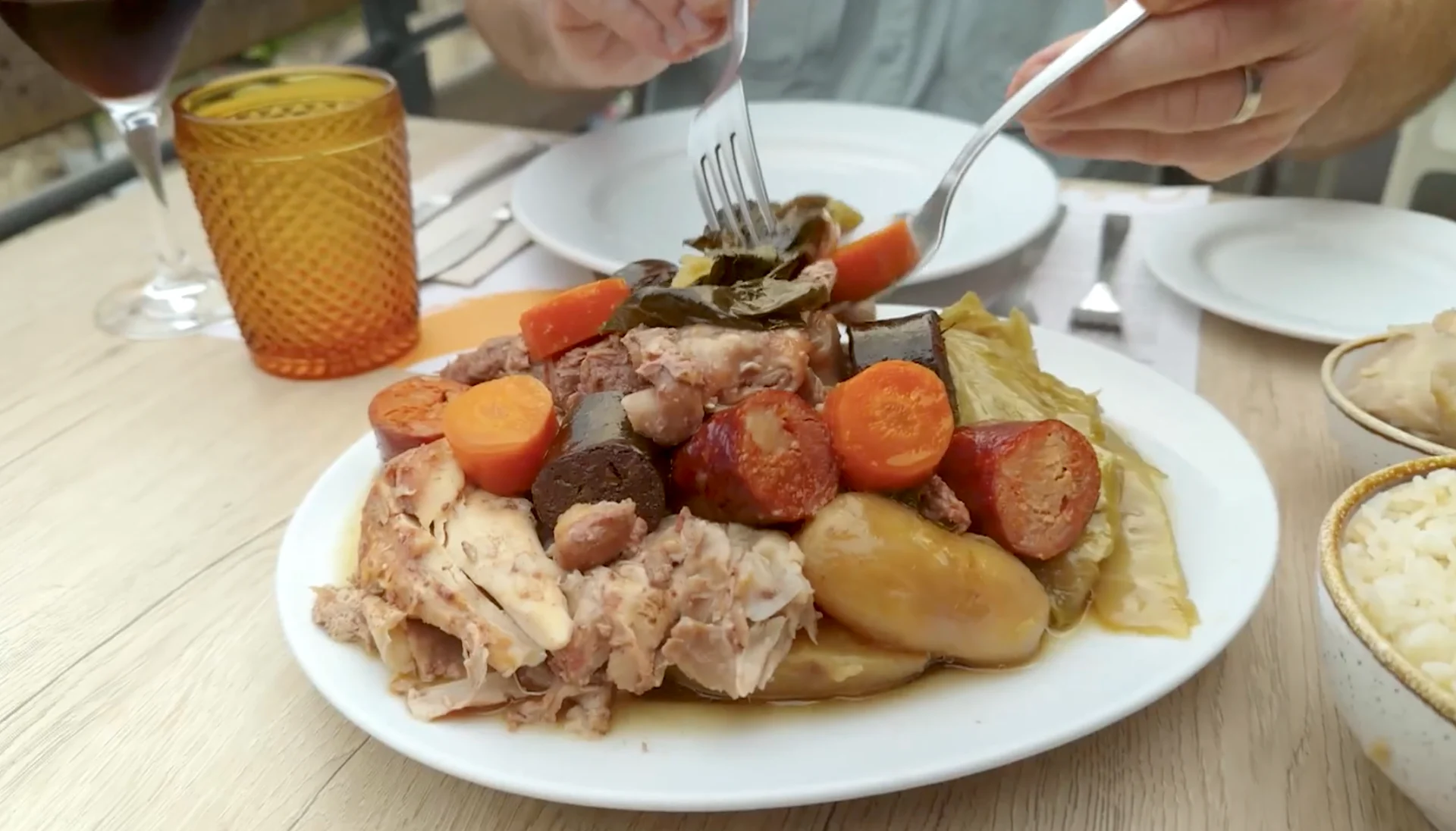
To make Cozido das Furnas, root vegetables are layered with chourico sausage, beef, pork belly, chicken, and mecela, a type of blood sausage. No wine or stock is needed. The metal cylinder-style pot is wrapped in cloth, then dropped into one of the volcanic holes, and the stew is allowed to steam for six hours, developing heavenly flavours. Cozido das Furnas made anywhere else in the world can’t compare to Mother Nature’s volcanic stove.
Nature’s Thermal Healing Oasis
Summer weather in the Azores is generally warm and sunny, but there can be days throughout the year when you can experience all four seasons in a single day. The thermal waters at Parque Terra Nostra offer a blissful escape no matter what The Weather Network’s app forecasts. The beautiful, oasis-like garden surrounds tranquil, iron-rich thermal waters heated by volcanic springs, keeping the water’s temperature between 36º and 42º Celsius.
This open-air pool also contains revitalizing essential minerals. For centuries, the thermal waters have been valued for their healing and relaxing properties, delivering relief from conditions such as arthritis, rheumatism, asthma, bronchitis, skin issues, and muscle pain. Their rich mineral content, antioxidants, temperature, and anti-inflammatory qualities have therapeutic and stress-relieving effects, letting you soak away more than just your worries.
Volcanic Vines and Wine
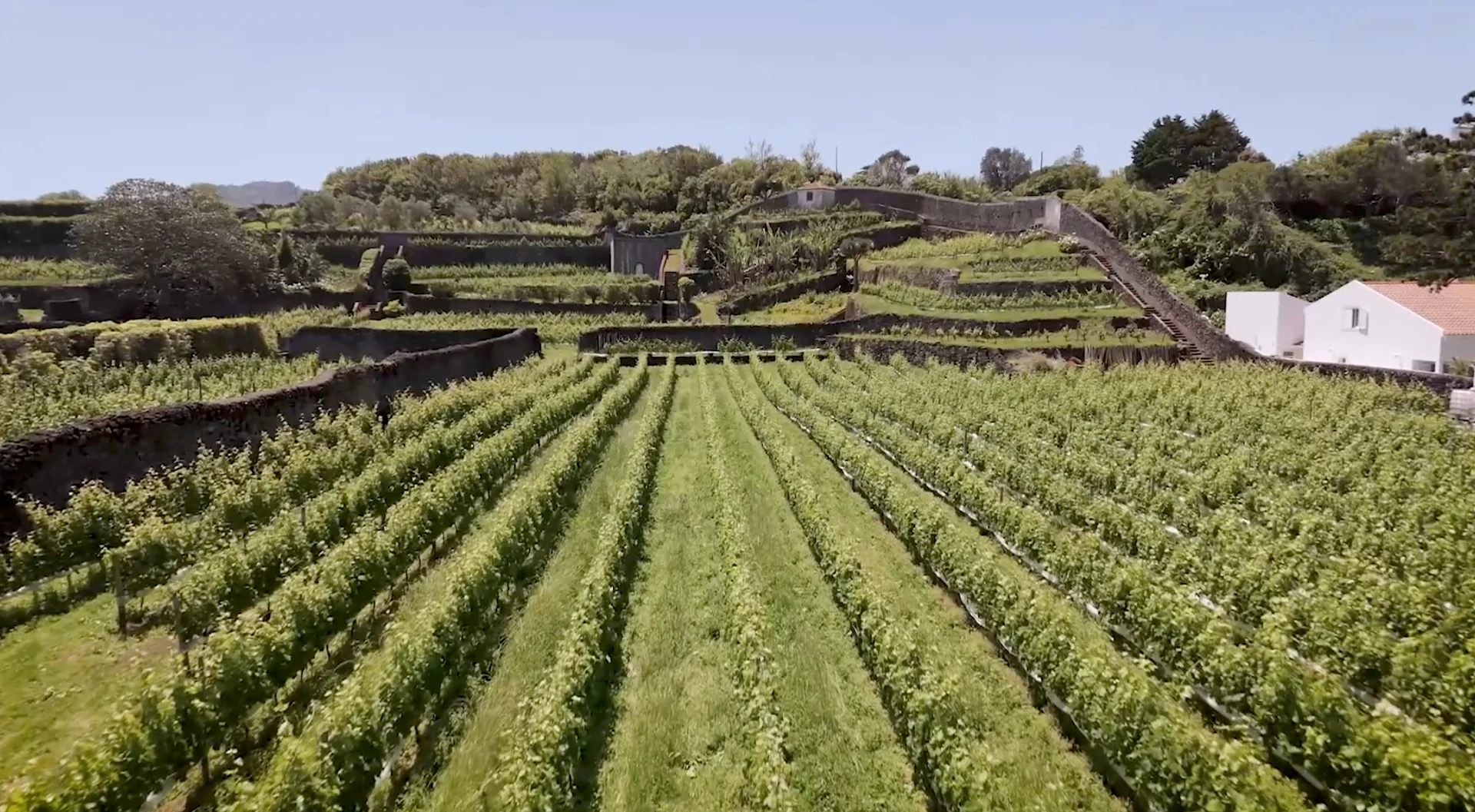
The volcanic ground that heats the springs also creates excellent conditions for growing grapes. Azores vines grow in dark volcanic rock by the sea, where rare native grapes such as Arinto dos Açores, Verdelho, and Terrantez do Pico produce internationally recognized white varietals. The conditions imbue the wines with fresh, acidic notes, accented by sharp citrus and a subtly saline finish, complemented by proximity to the sea.
Weaving History and Tradition
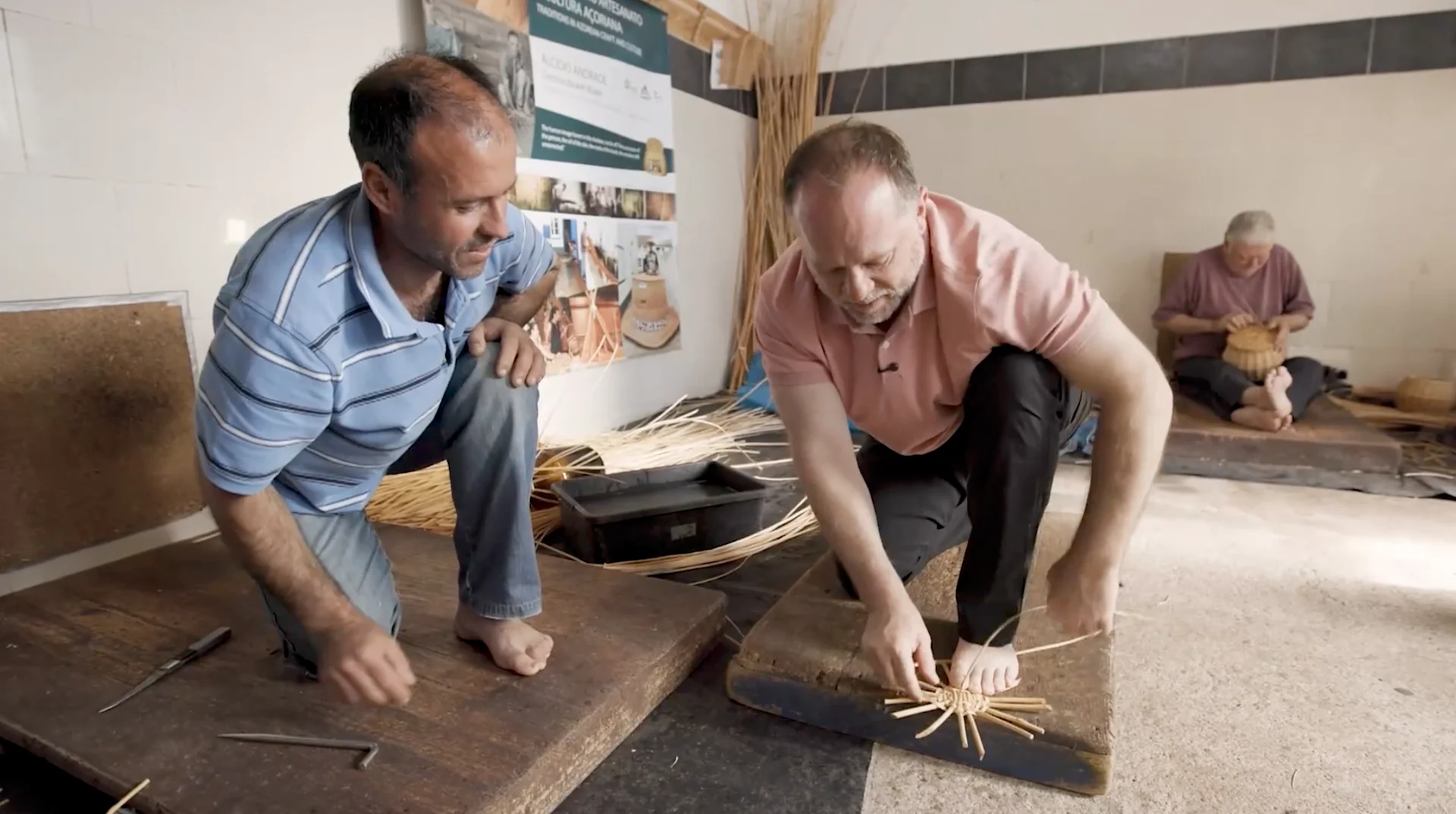
The Azores have a strong basket-weaving tradition that preserves the region’s history. Arts and crafts form an integral part of Azorean culture. Basket weavers, such as those in the town of Lagoa, use local willow, naturally softened in thermal waters, then strip the bark to weave flexible rods into beautiful wicker pieces that symbolically tell the history of the Azores.
Island Indulgence
You cannot leave the island until you’ve tasted their custard tarts. Most neighbourhood cafés and pastry shops across Ponta Delgada and other towns serve fresh, warm custard tarts daily. Pastel de Nata is the classic Portuguese egg custard tart, with a flaky pastry shell filled with a rich, creamy egg-yolk custard. The tarts are baked at extremely high heat, forming the iconic dark brown spots from caramelized sugar.
Queijadas are traditional small tarts from the Azores, and their style varies from region to region. Queijadas de Sintra have a thin, crunchy crust filled with a cheesecake-like filling. Queijadas de Leite are milk tarts that form their own crust as they bake. There are also flavoured variations made with lemon, orange, or coconut, so it’s worth popping into every local bakery to taste their specialty.