
Get your ride road trip ready this summer with 5 easy moves


Are you ready for the road ahead this summer? More importantly… is your car ready?
Nothing beats a summer road trip - it’s an adventure to embrace with your friends and family. Destination? To be discovered.
No matter the journey, it’s important to know that your vehicle is equipped to get you to your destination safely and without distractions.
Use our handy checklist before you embark on your next summer road trip and trade in unnecessary delays for soaking in the sunshine's rays.
Step one: Regular scheduled maintenance is crucial to avoid unexpected issues
First up on our checklist are two essential fluids that keep your vehicle running smoothly: Radiator Fluid and Brake Fluid.
On a hot summer's day, if we don’t drink enough fluid, we’ll overheat. Car engines are just like humans in that way. If there isn't enough radiator fluid to keep the engine cool, your car will overheat and cause problems.
Radiator fluid, which is also known as coolant or antifreeze, works to extract heat from the engine and dissipate it through the radiator.
Brake fluid is essential for, you guessed it, braking. When you push the brake pedal, fluid compresses inside the brake lines, forcing the brake pads to clamp on the rotors and slow down your car.
It’s important to replace the brake and radiator fluids as per your vehicle’s maintenance requirements, before you hit the road to ensure a safe and reliable trip.
Step two: Keep extra windshield washer fluid in your vehicle at all times
What’s a road trip without views?
If you don’t equip your vehicle with washer fluid, you run the risk of a dirty, smeared windshield, which can compromise your safety—not to mention the scenery.
It’s important to fill your vehicle with windshield washer fluid and to keep an extra jug of windshield washer fluid in your car as a backup.
With long drives along the highway or country roads, you’ll want to be able to cut through the grime anytime.
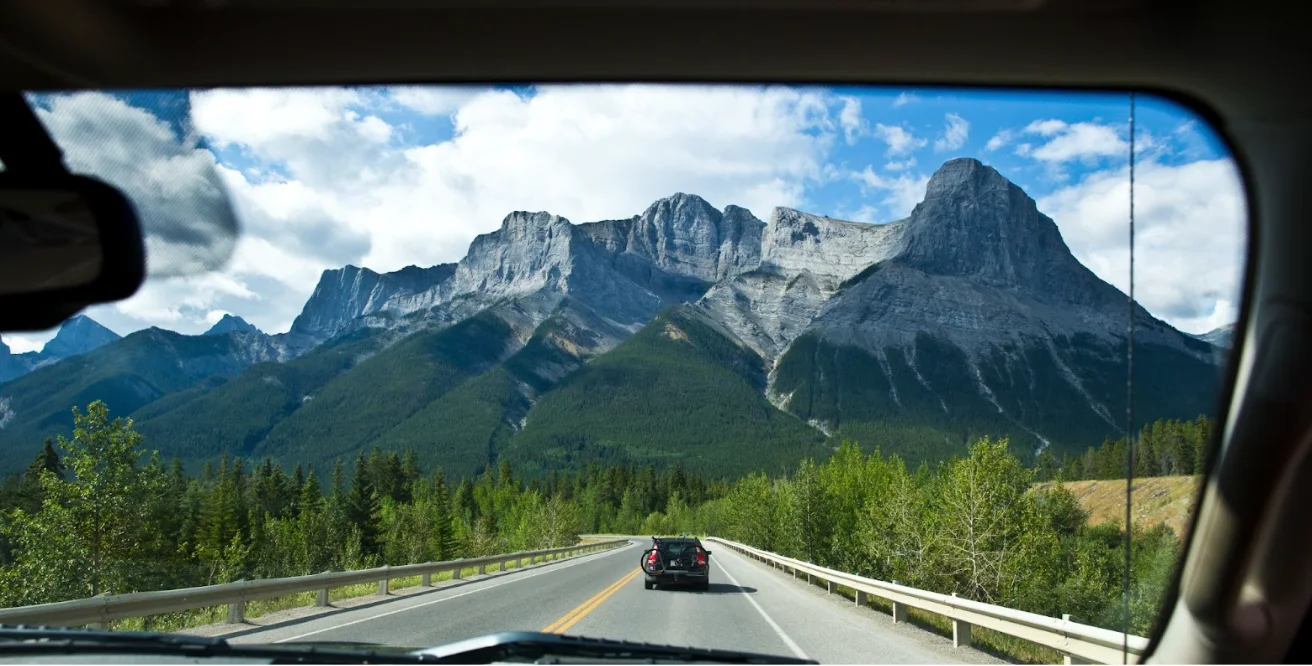
Don't let a dirty windshield compromise your safety or your view of the scenery. (Photo credit: Getty Images)
Step three: Now, let's talk about oil—the lifeblood of your engine
Oil deteriorates over time, especially with fluctuations in temperatures, ultimately lessening its ability to lubricate the engine and absorb heat.
Even if you're not driving very often, it's essential to have your oil changed every 8 to 16,000 km, depending on your vehicle's maintenance schedule.
If you’ve undergone an oil change within the recommended window, use the dipstick to check the oil condition and fill level. If it's black, gritty, or below the minimum fill line, get it checked out right away.
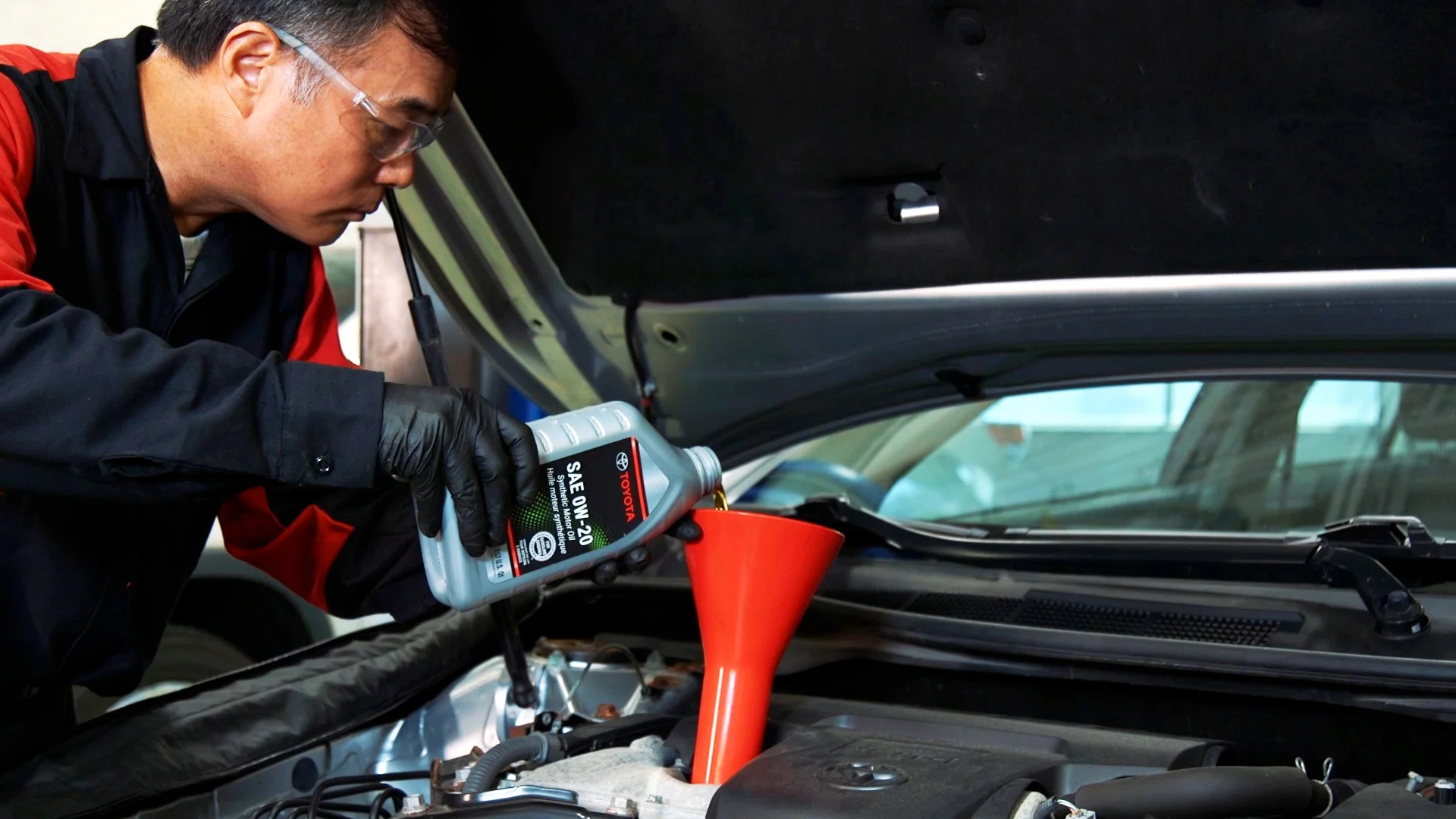
It's essential to have your oil changed every 8 to 16,000 km. (Photo credit: Toyota Parts & Service)
Step four: Check your tires—your vehicle's connection to the road
Get the best gas mileage out of your trip by checking your tire pressure before you hit the road. The wrong air pressure can cause tires to wear unevenly, which can shorten the tire’s lifespan as well as your trip.
Check the sticker inside the driver’s door or the owner’s manual to find out how much air you need in your tires.
Even if your tire pressure is correct, weight balance, suspension calibration, and driving habits make tires wear at different rates. The remedy is to have your technician periodically rotate your tires.
Each tire location wears down your tires in different spots. Simply swapping your tires from right to left, or front to rear, ultimately improves their overall lifespan. But if your tires start looking bald or damage occurs, they should be replaced immediately.
A simple way to check if it’s time to replace your tires, is to insert a quarter into one of the grooves. If you see the tip of the caribou’s nose, it’s time to contact a technician.
Step five: The road is a dirty place, but you don’t have to breathe it in
We’re finally ready to hit the road for some fresh air, but let's not forget about the air inside your vehicle.
Cars use engine and cabin filters to prevent dust, debris, and bugs from entering the engine and interior. Eventually, these air filters will reach their capability and can become clogged, impacting your engine’s performance, fuel economy, and interior air quality.
A typical engine air filter and cabin air filter should be checked every six months or 8,000 km.
Filters are easy and fairly inexpensive to change; your nose will thank you for the swap too.
Final step: Embark on your next adventure!
With these five expert tips, we hope you feel confident in your car’s performance before you even hit the road.
Remember to follow your vehicle's maintenance schedule to keep it running smoothly, and have a memorable summer journey!