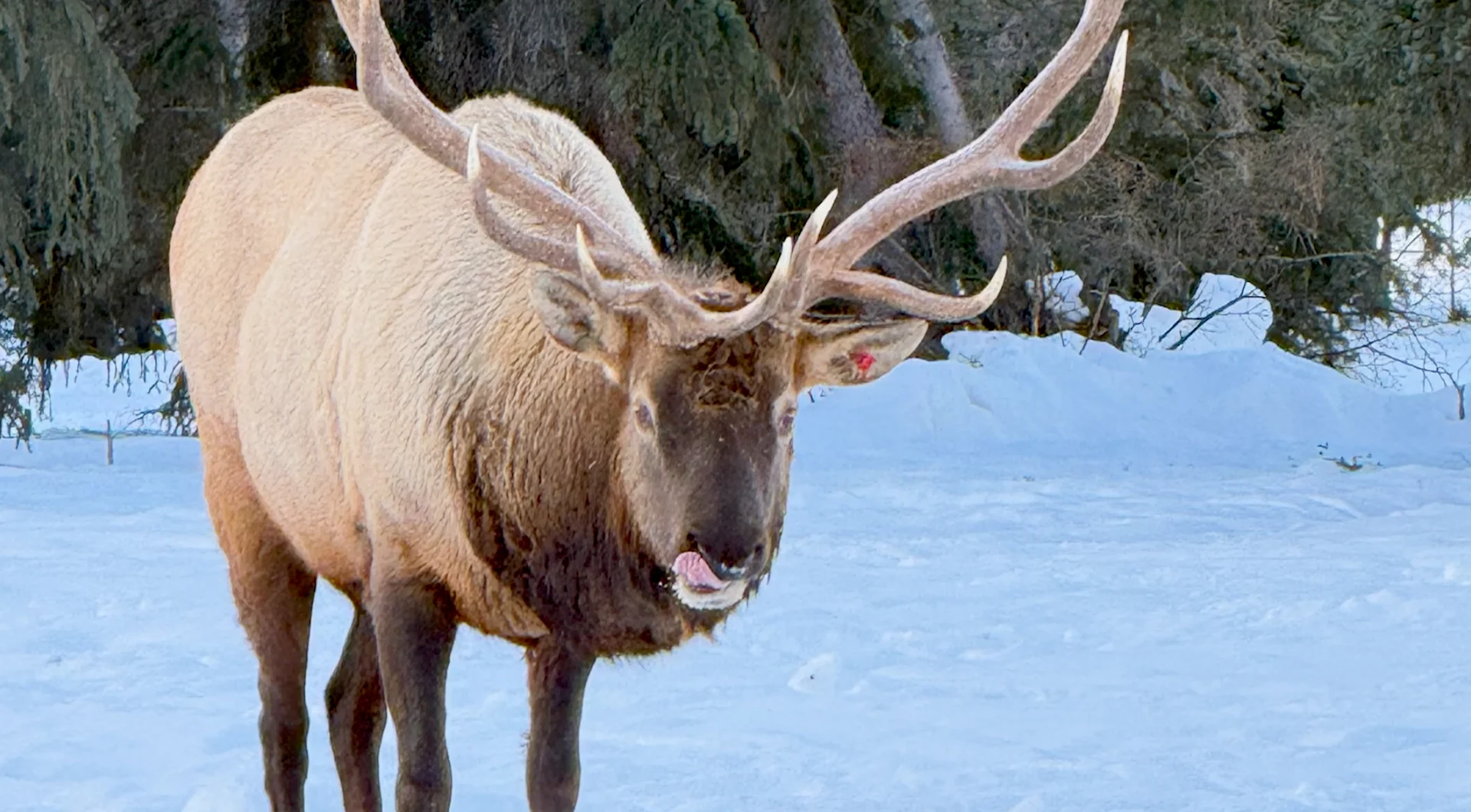
A natural haven for iconic Yukon species


Get up close and personal with Canadian wildlife
In 1967, Danny Nowlan founded what is now the Yukon Wildlife Preserve, located thirty minutes north of Whitehorse. With Uli Nowlan, they raised orphaned animals and bred northern herbivores and falcons. The preserve became an international hub for researchers, biologists, and photographers. Then, in 2004, the Yukon Government purchased the farm, opening its doors to all visitors to explore the sprawling 350-acre natural landscape, home to iconic Yukon native species.
The preserve features a 5 km loop that visitors may explore on foot or by guided bus tour, giving a chance to connect to the landscape and see Yukon wildlife in its natural habitat year-round. It’s the Yukon’s most comprehensive and engaging wildlife experience, and here are just a few of the animals you might see.
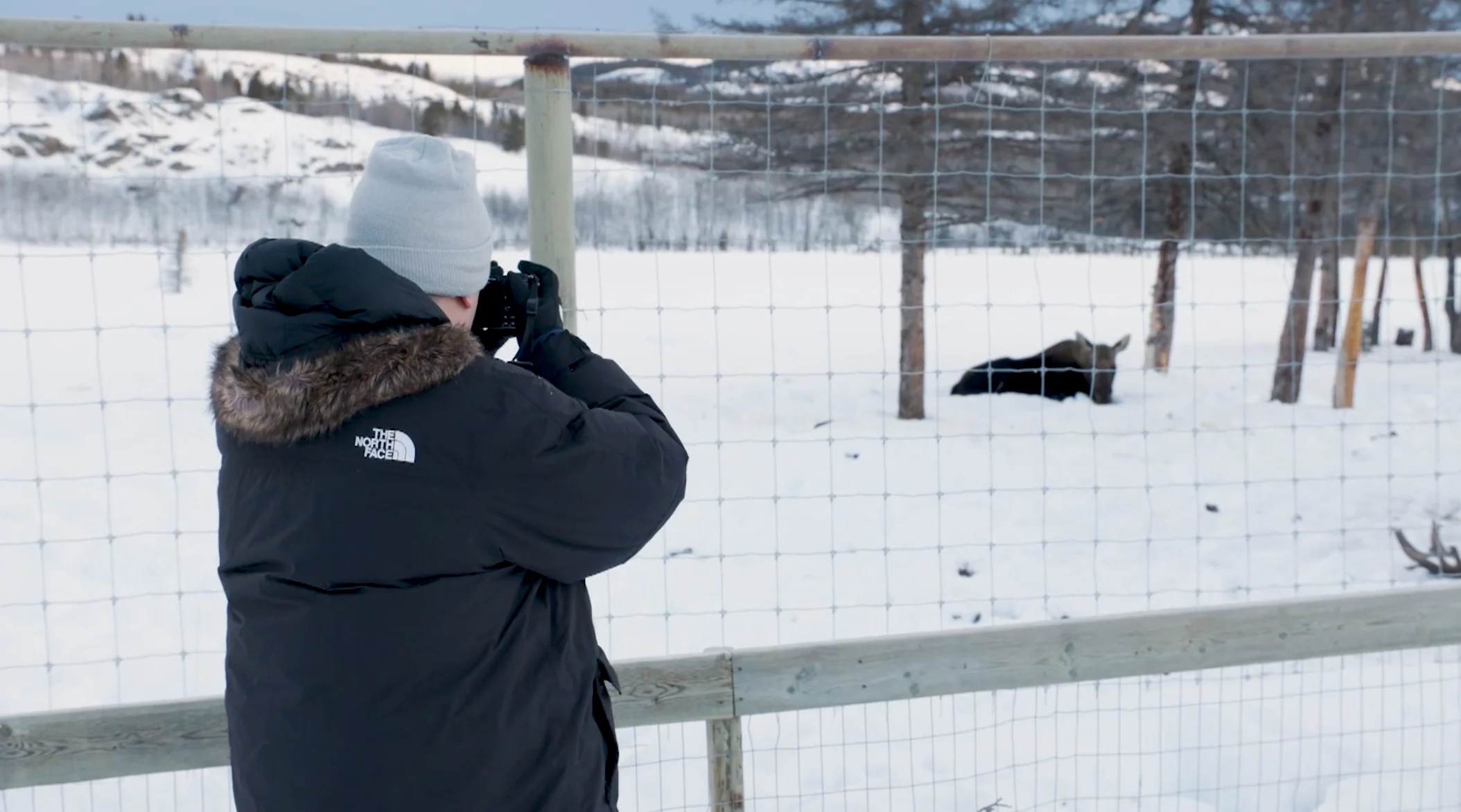
Experiencing Canada host, Nathan Coleman, saw some Canada's finest wildlife at the Yukon Wildlife Preserve. (The Weather Network)
Arctic Ground Squirrel
These chubby, short squirrels with tan fur, white-spotted backs, and a long, thin tail are so cute that you might be tempted to gobble them up. Unfortunately, the Yukon’s carnivores feel the same way. Fortunately, the Arctic Ground Squirrel population is thriving. They are most active on warm, sunny days, often hiding in their burrows when it rains or during hibernation from early October to mid-April. This social animal lives in colonies where it is both territorial and alert, working as a team to warn the colony if a predator is nearby.
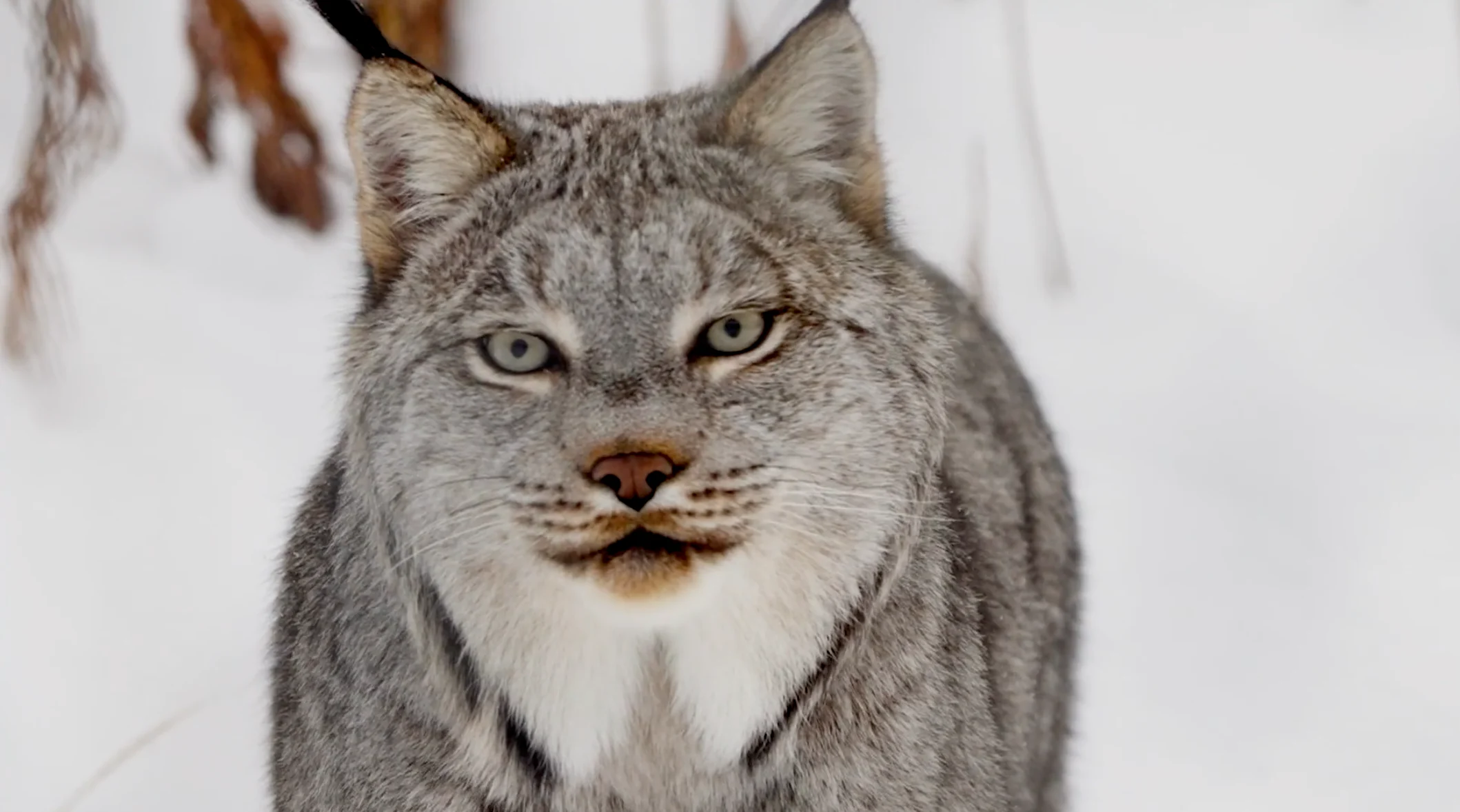
Canada Lynx
This furry feline carnivore with grey highlights has triangular ears with black tufts jutting out and snowshoe-like paws that leave large, round, single-file tracks in the snow. They are easiest to spot when the Snowshoe Hare population is high.
(The Weather Network)
Lynx live mostly solitary lives, growing up to 90 cm in length, but moms with kittens can be spotted from late summer into winter. These excellent ambush hunters are also talented at home projects, taking on DIY tasks without a contractor to remodel spaces into dens under ledges and in crevices.
Moose
All it takes is flipping a Canadian quarter and landing on tails to know what this largest member of the deer family looks like. With long legs, a hump between the shoulders, a beard, and a large nose, a male moose also has iconic shovel-shaped antlers that it sheds each year. Male moose attract a mate by rubbing their antlers on trees. On a dinner date, moose will order the Yukon special: woody shrubs with a side of leaves and aquatic plants.
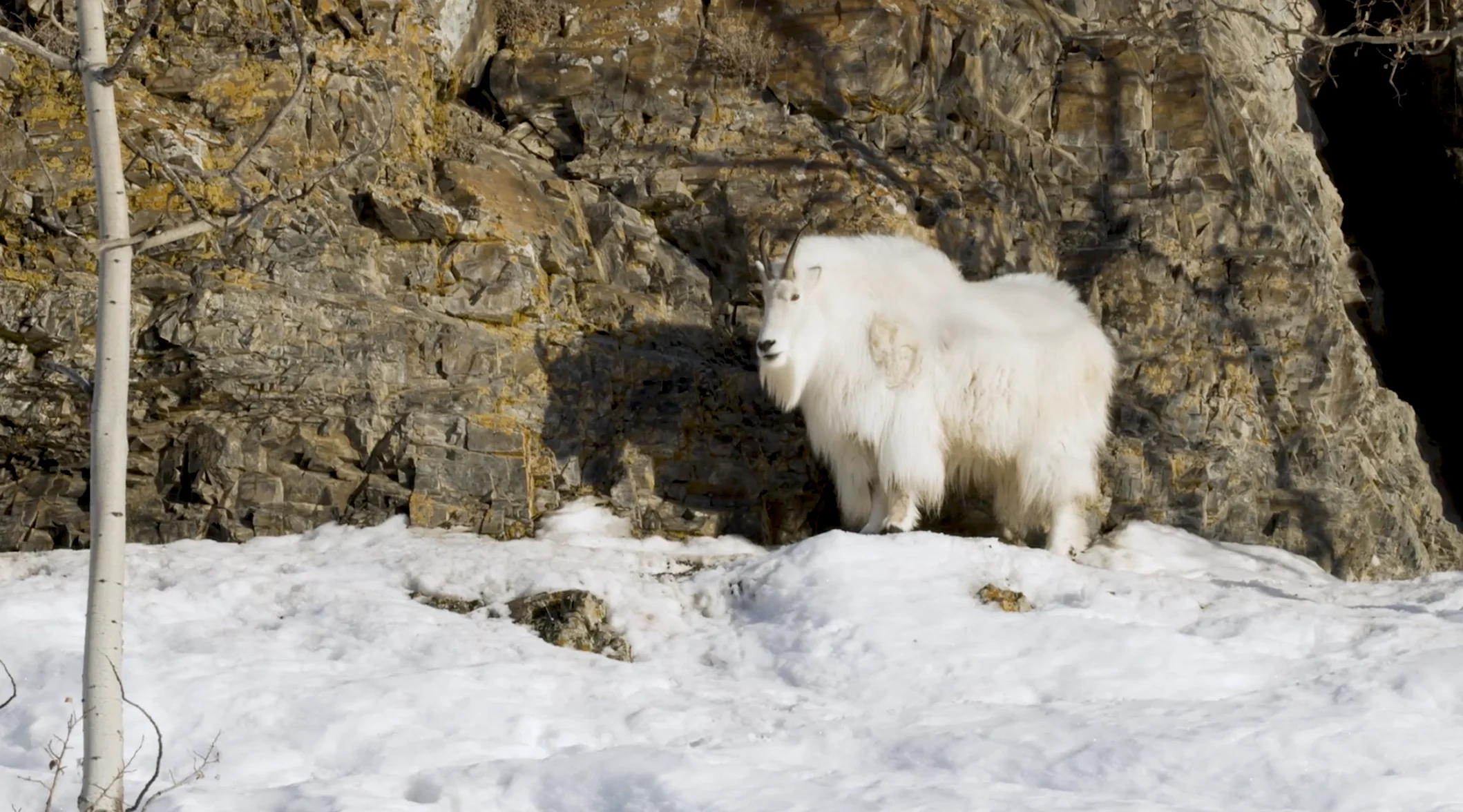
Mountain Goat
Mountain Goats have distinctive short legs that provide a low centre of gravity for exceptional balance on narrow, rocky cliffs. A pronounced hump acts like a muscular rocket booster, helping them ascend steep terrain, while their white fur serves as camouflage.
(The Weather Network)
The goat’s slender horns serve for protection and to establish social dominance. The reason they prefer hanging out on steep rocky cliffs is location, location, location. Predators find them difficult to reach, while the goats peacefully feed on grasses, conifers, and flowering plants.
Muskox
These short-legged, cow-like herbivores are entirely covered in long, shaggy brown hair, often with a white band framing a hump near their front shoulders. Both males and females have horns that grow down from the forehead, outlining their faces, and then curve outward. A single muskox weighs about 300 kilograms, and they live together in herds. When threatened, Muskoxen form a tight ring around their young, creating a living fortress that most predators won’t mess with.
(The Weather Network)
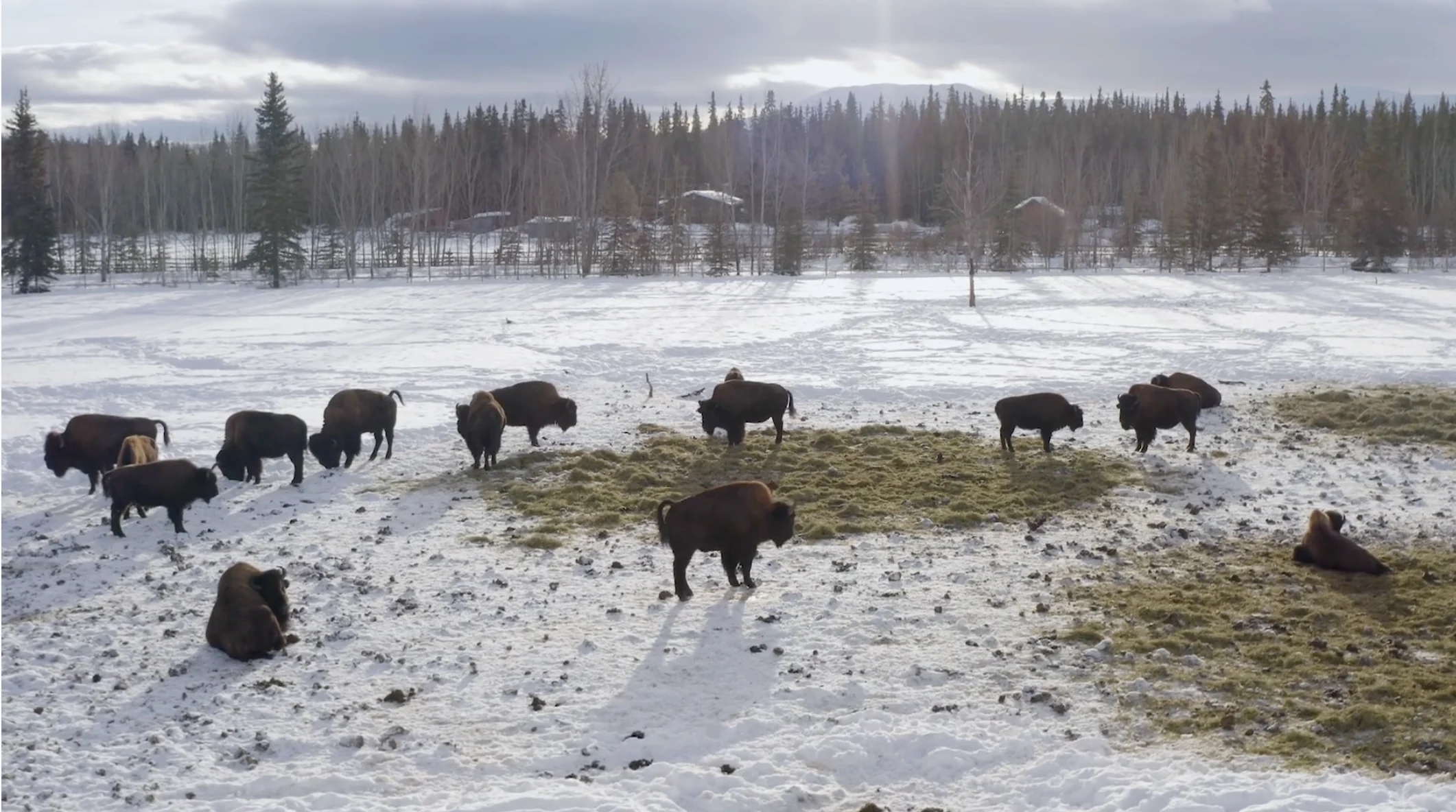
Plan your visit to the Yukon Wildlife Preserve to encounter up to 150 animals across 10 species, including Elk, Woodland Caribou, Mule Deer, Red Fox, Thinhorn Sheep, Wood Bison, and other free-roaming animals.
CLICK HERE to return to the Experiencing Canada main page for more videos and articles.