Niagara: Where daredevils plunged and power rose


Join Nathan Coleman as he explores Niagara’s true identity
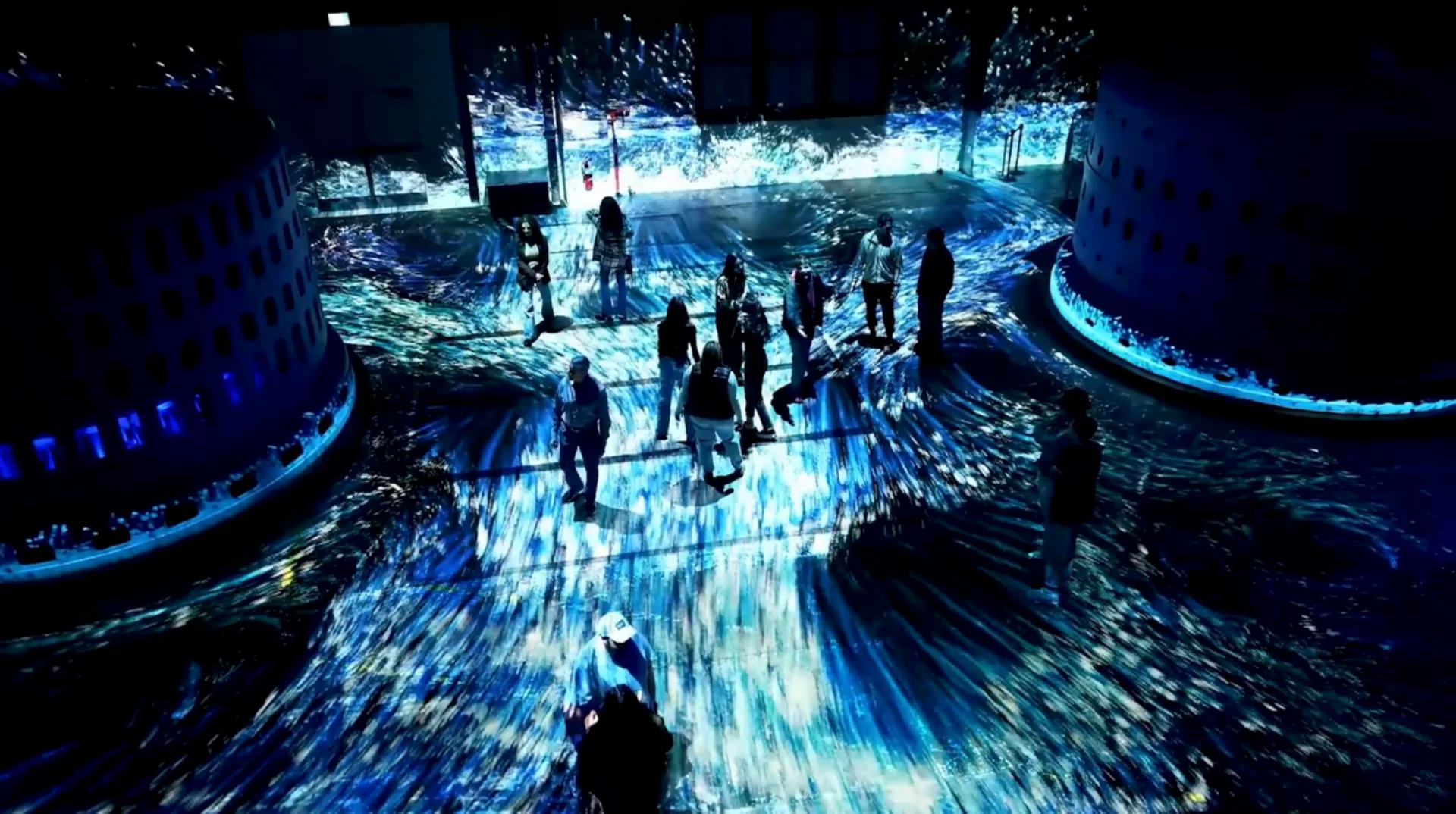
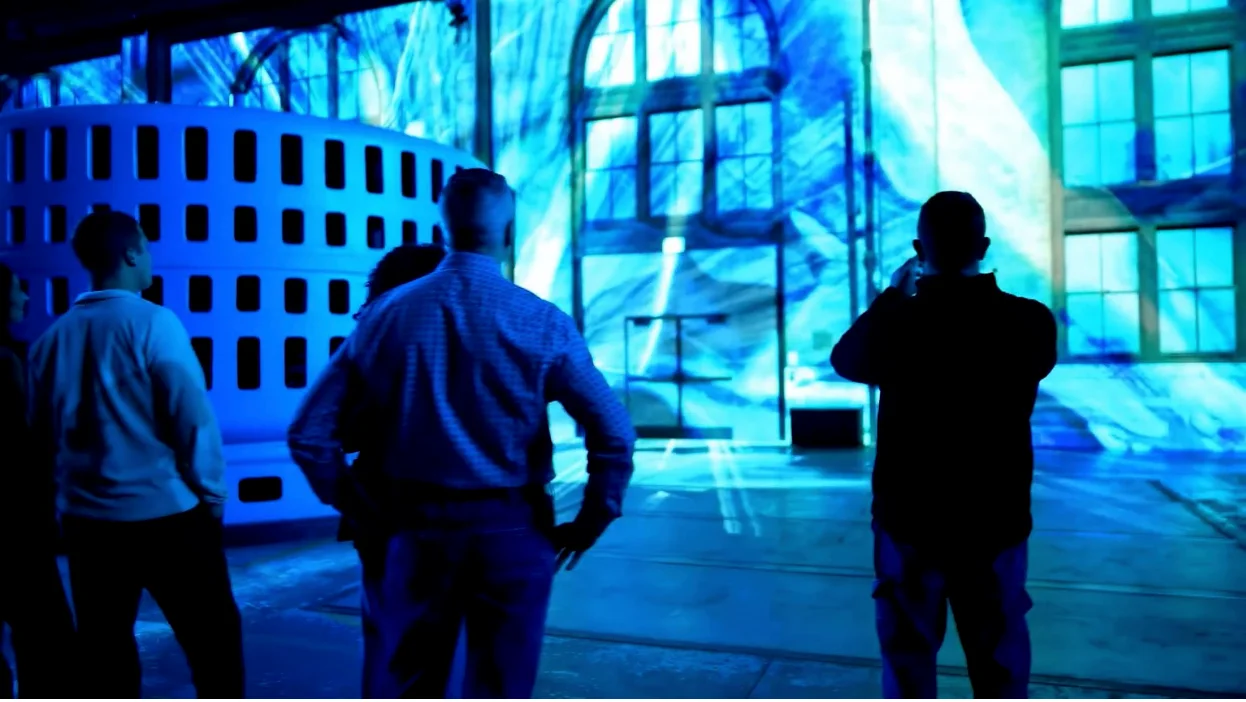
The Niagara Parks Power Station has surged with new life since its decommissioning in 2006. The oldest surviving Niagara Falls power plant is now a thrilling public attraction. Walk in to explore the immense generator floor, weaving among turbines, exhibits, restored artifacts, and hands-on demonstrations that spark curiosity. At night, excitement builds—a sound-and-light show animates Niagara’s saga. Interactive lights and projections respond to every move, plunging you into Niagara’s electrifying history, its mighty river, and the fearless visionaries who conquered the thunderous power of the Horseshoe Falls.
The plant’s story begins with the falls themselves. Niagara Falls represents nature’s tremendous force—both awe-inspiring and almost unfathomable. The immense volume of water surging over the brink every minute—enough to fill a million bathtubs—commands respect. This magnitude of power both defies mastery and inspires bold attempts to harness it.
Most daredevils who challenged the falls failed. In 1901, Annie Taylor survived a barrel plunge but died penniless. Bobby Leach endured the fall in a steel barrel in 1911, surviving broken bones, but died a year later after slipping on an orange peel. Charles G. Stephens vanished, except for one arm clinging to his barrel.
If the thought of going over the falls in a barrel is frightening, back in 1901, the idea of building a power station to harness the falls' energy scared locals even more. Electricity wasn’t taken for granted as it is today. Homes back then were lit by gas lamps and candles. That was when William Birch Rankine and his team began construction of the famous Niagara Power Company’s power station, located south of the falls. They wanted to take advantage of Nikola Tesla’s discovery of alternating current and employ the power of Niagara Falls. The Niagara Parks Power Station opened in 1905, and the falls were put to work generating immense amounts of electricity.
(The Weather Network)
From the beginning, the goal was to build a hydro generating station that didn’t look like one. The plant’s beautiful Romanesque architecture and arched windows didn’t try to compete with the falls. It had to maintain a level of scenic beauty comparable to the lush green space next to it. The dark green roof was designed to blend with the surrounding park’s aesthetic. Engineers ensured the plant maintained beauty within, where, at its peak, it could fit two Goodyear blimps end to end.
Shortly after opening, electricity extinguished the need for candlelit dinners. Electric lights took over. But electricity didn’t kill the romance; candles could now be saved for special occasions. With electricity in the air, Niagara Falls maintained its status as the honeymoon capital of the world.
(The Weather Network)
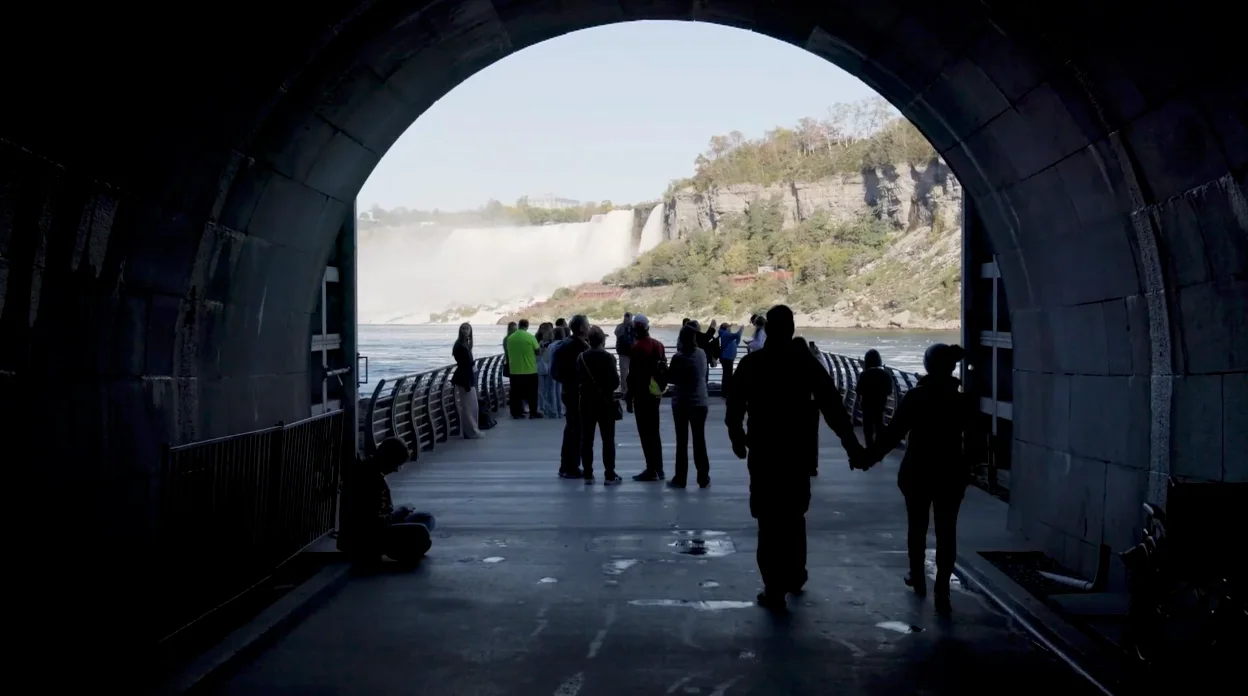
The plant's complete history lives on at this must-visit attraction, which features the ultimate Niagara grand finale, where visitors descend 180 feet in a glass-panelled elevator through the plant’s many layers. You then walk along a 600-metre tunnel carved through rock a century ago with dynamite, picks, and shovels, softly lit and leading to an observation deck at the river's edge. From here, you witness Niagara Falls from the perspective of fish, up close and personal. This is where daredevils tried, and William Birch Rankine succeeded with a tour de force of engineering.
CLICK HERE to return to the Experiencing Canada main page for more videos and articles.