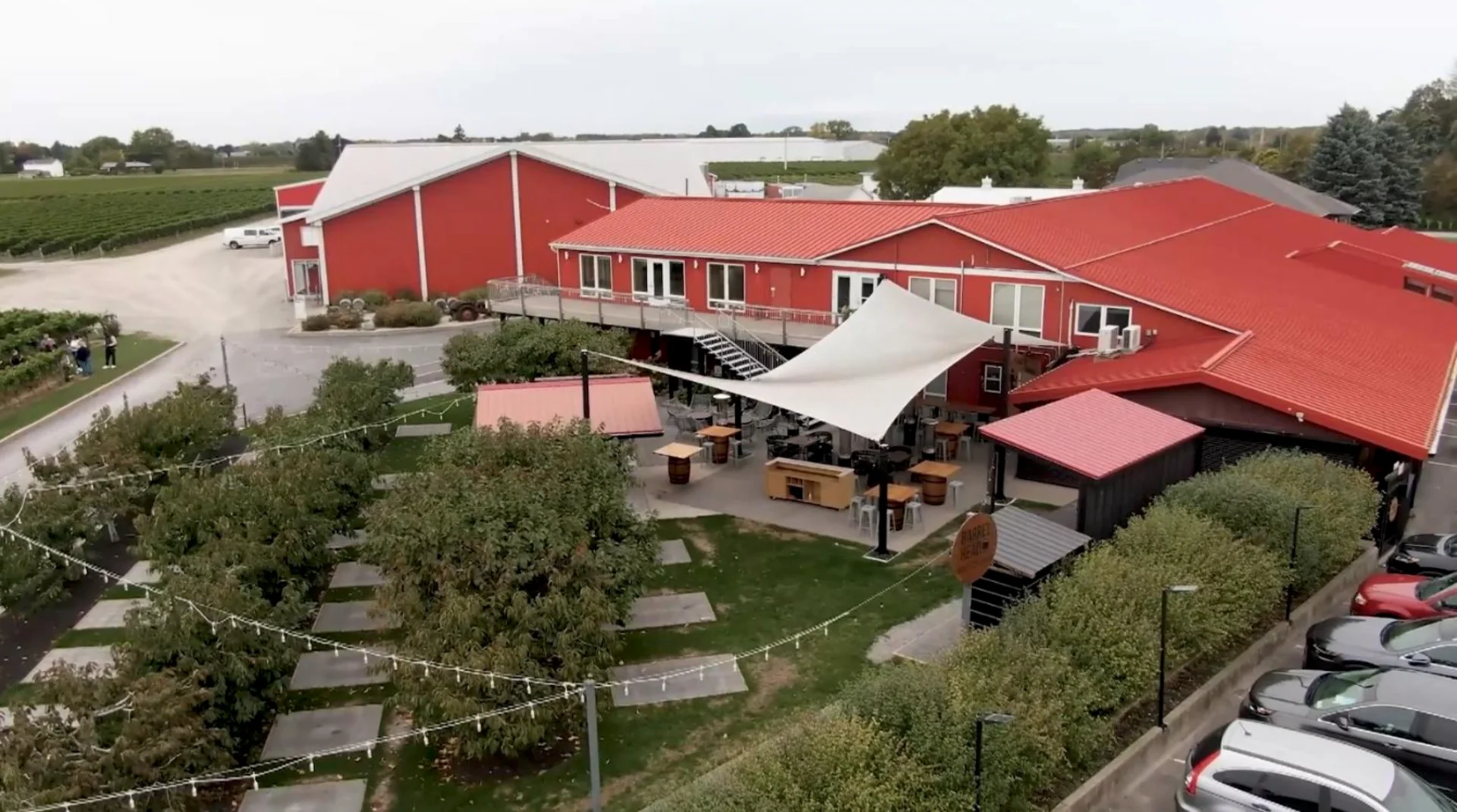
Niagara: From vines to vision


Pillitteri Estate Winery’s role in Niagara’s wine awakening
The 1980s were loud. From the music and movies to the politicians, it was a decade of being heard. In the Niagara, the wines of the 80s tasted like someone had bottled the attitude of acid-wash jeans, neon colours, and big hair. The wines were cheap, sweet blends made with Labrusca grapes like Concord. Refinement didn’t apply. But quietly, farmers began choosing classic vinifera grape varieties such as Chardonnay, Pinot Noir, and Cabernet Franc over Labrusca. Niagara’s climate, topography, and soil turned out to be ideal for these grapes.
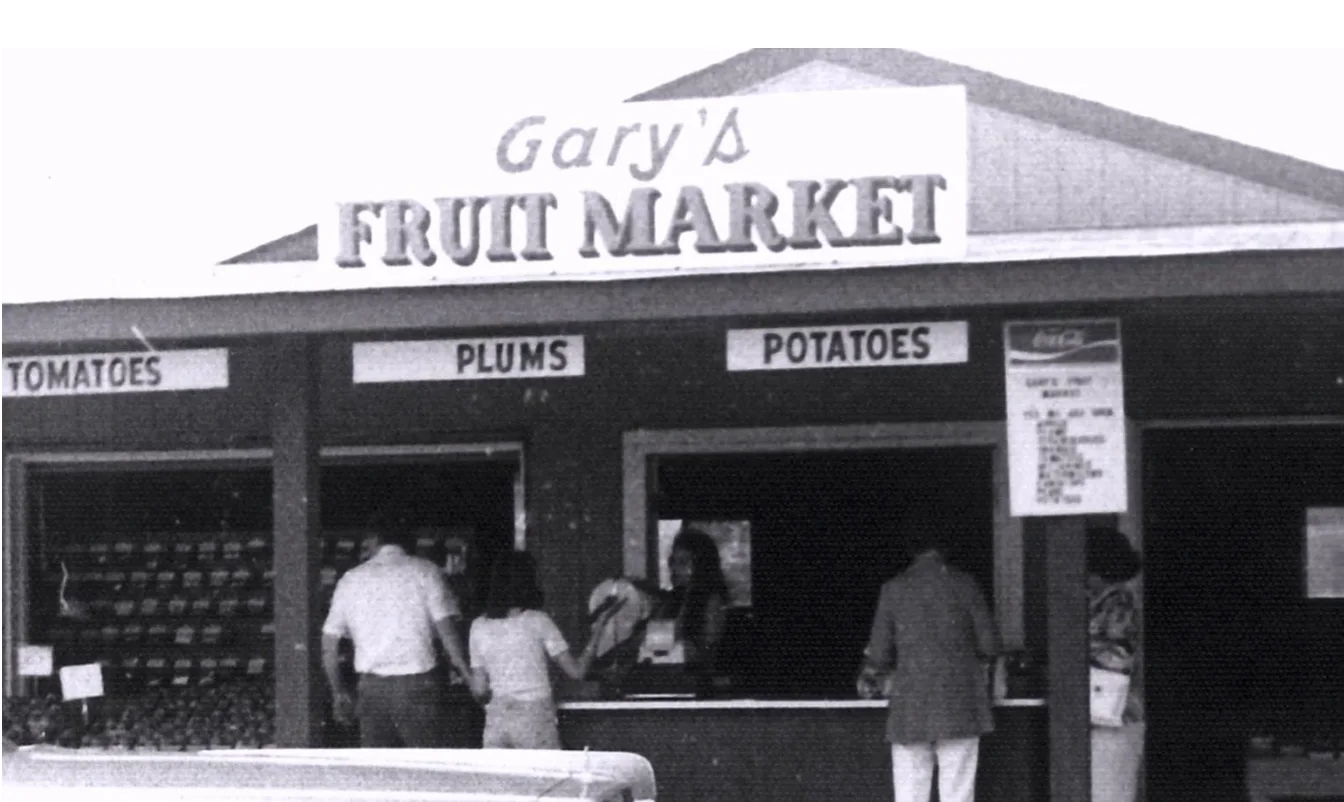
(Credit: Pillitteri Estates Winery)
In 1948, when a 12-year-old Gary Pilliterri immigrated to Canada with his father, they didn’t arrive from Italy on a Concord. Like many Italians, they were leaving a country left in shambles by World War 2. Canada offered hope. In 1965, Gary and his wife, Lena, settled in Niagara-on-the-Lake and purchased a small fruit farm where they grew peaches, pears, plums, cherries, and other regional fruits. The farm grew from a roadside stand to a fruit market. In the 1980s, before the Kevin Costner movie Field of Dreams made “If you build it, they will come,” a catchphrase, he began replacing the fruit trees with vinifera grapevines. As those vines matured and began producing fruit, he replaced more fruit trees with grapevines and began selling premium grapes, supplying them to an industry thirsty for change.
This evolution reached a turning point in 1989 when Garry Pillitteri made his first Vidal Icewine. His Icewine picked up a local award that planted the seed. Gary began transitioning the fruit facility into a winemaking facility, harvesting Pillitteri’s prestigious grapes to produce the first vintages. When he opened Pillitteri Estates Winery in 1993, he had wines from the winery's past two vintages ready for sale. They were aromatic, sophisticated, balanced, and instrumental in ushering in a new era. And people flocked to the region to try them.
With this switch to premium grapes and winemaking, attention turned to the source: the vineyard itself. Exceptional grapes produce exceptional wine. Growing grapes is the stage in the winemaking process that is closely tied to the weather. The climate in the Niagara region is relatively moderate compared to the rest of Canada, classified as continental-maritime. This moderation is influenced by Lake Ontario, which remains unfrozen during winter. The lake's effect warms the surrounding area, increasing winter temperatures and prolonging the growing season. However, these conditions vary from year to year, resulting in grapes that differ accordingly.
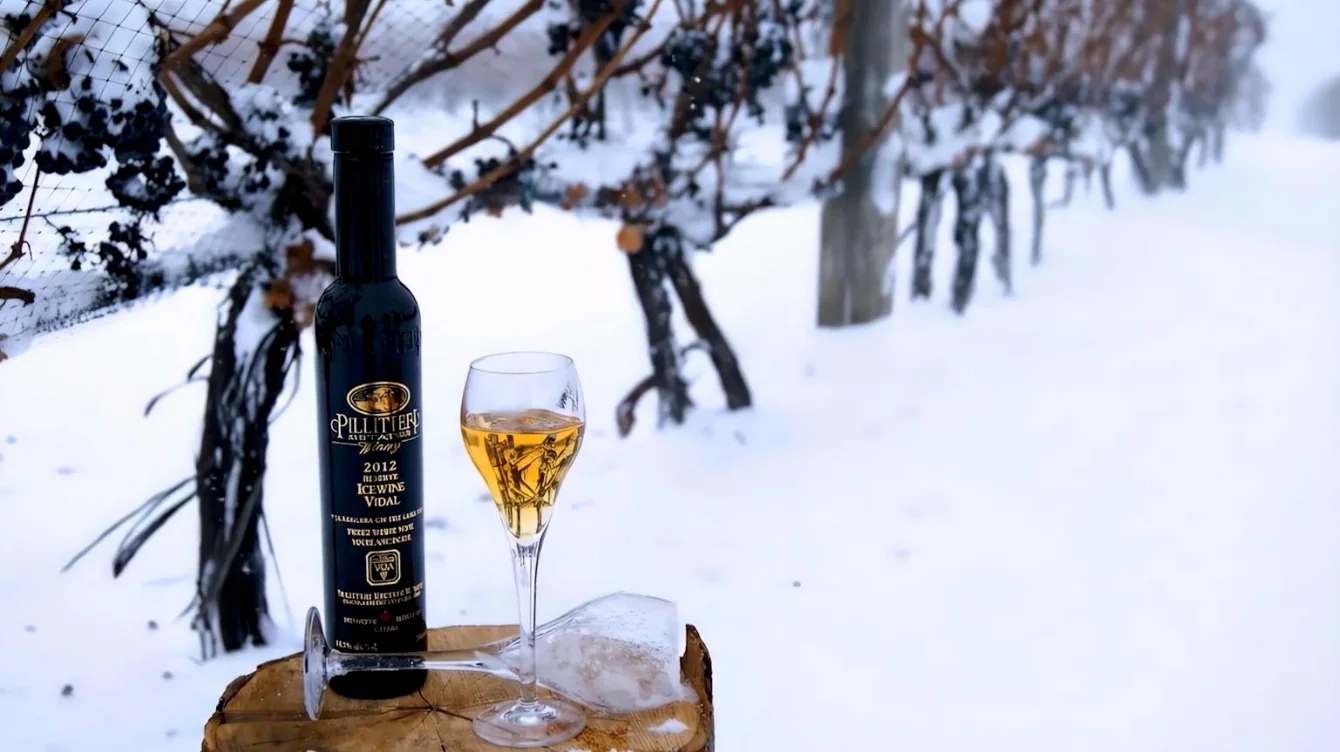
(Credit: Pillitteri Estates Winery)
The significance of grape quality becomes especially clear when considering Pillitteri’s Icewines. Vidal is the premier grape for making Canadian Icewine. This is well known in the industry. It was the core grape in the early development of Icewine, when a small group of wineries found their own path.
Building on this, Gary Pillitteri envisioned his Icewine as bold. Today, the Pillitteri Estates Winery is the world's largest estate producer of Icewine, meaning it’s made exclusively from grapes grown on its estate. The winery skillfully controls its Icewine production from grape to bottle.
Producing Icewine requires very specific conditions, linking the work done in the vineyard to the rhythms of the Canadian seasons. Icewine is uniquely Canadian, dependent on Canadian winters. Summer must be hot and sunny to ripen the grapes; fall must cool the air. By mid-December, temperatures drop below zero and climb above it, converting sugars into Icewine’s deep, sweet, candied flavours. When temperatures fall below minus eight degrees, the grapes freeze and can be harvested.
As harvesting time approaches, this delicate process becomes a true race against time—and nature. The entire industry is on alert, eyes glued to the Weather Network, ready to go at a moment's notice. It's go time across the industry, with a limited window of opportunity. It’s not only a race against the weather; it’s a race against the birds. Birds will feed on these grapes at a rate of about 1% per day. The later you go without reaching that cold temperature, or without harvesting, the more the birds take. And once you get snow cover and no other food is available, the birds are relentless.
Pillitteri’s wine tells a story of innovation and place. From humble beginnings to global acclaim, it proves that great wine comes not only from land and climate, but from the vision and drive of its makers. Pillitteri vintages offer a range of wines, each narrating a story and preserving a moment in time. Just don’t let the birds know how delicious they all are.
CLICK HERE to return to the Experiencing Canada main page for more videos and articles.