What is swimmer's itch, and how to avoid it this summer

Planning a trip to the lake? Be aware of swimmer's itch, an itchy rash caused by a microscopic parasite.
Swimmer’s itch is as unpleasant as it sounds—and it’s something anyone can experience after diving into a lake.
“[Swimmer’s itch] is a rash that is caused by a microscopic parasite that is burrowing into your skin,” says Patrick Hanington, a professor of public health with the University of Alberta.
Hanington has studied environmental diseases for more than 15 years across North America and tells The Weather Network that “any lake that we have ever looked at has the pieces that could lead to having swimmer's itch.”
To encounter this parasite, an infected bird must pass eggs in its waste. Those eggs hatch in the water and infect snails, which then release the parasite back into the water.
The parasite is now looking to infect another bird but accidentally finds you as you enjoy one of Canada's lakes this summer.
“If you are exposed to a parasite, it could only be 1-2 minutes before you start having the process occur,” adds Hanington.
And that process is your skin's immune response to the parasite.
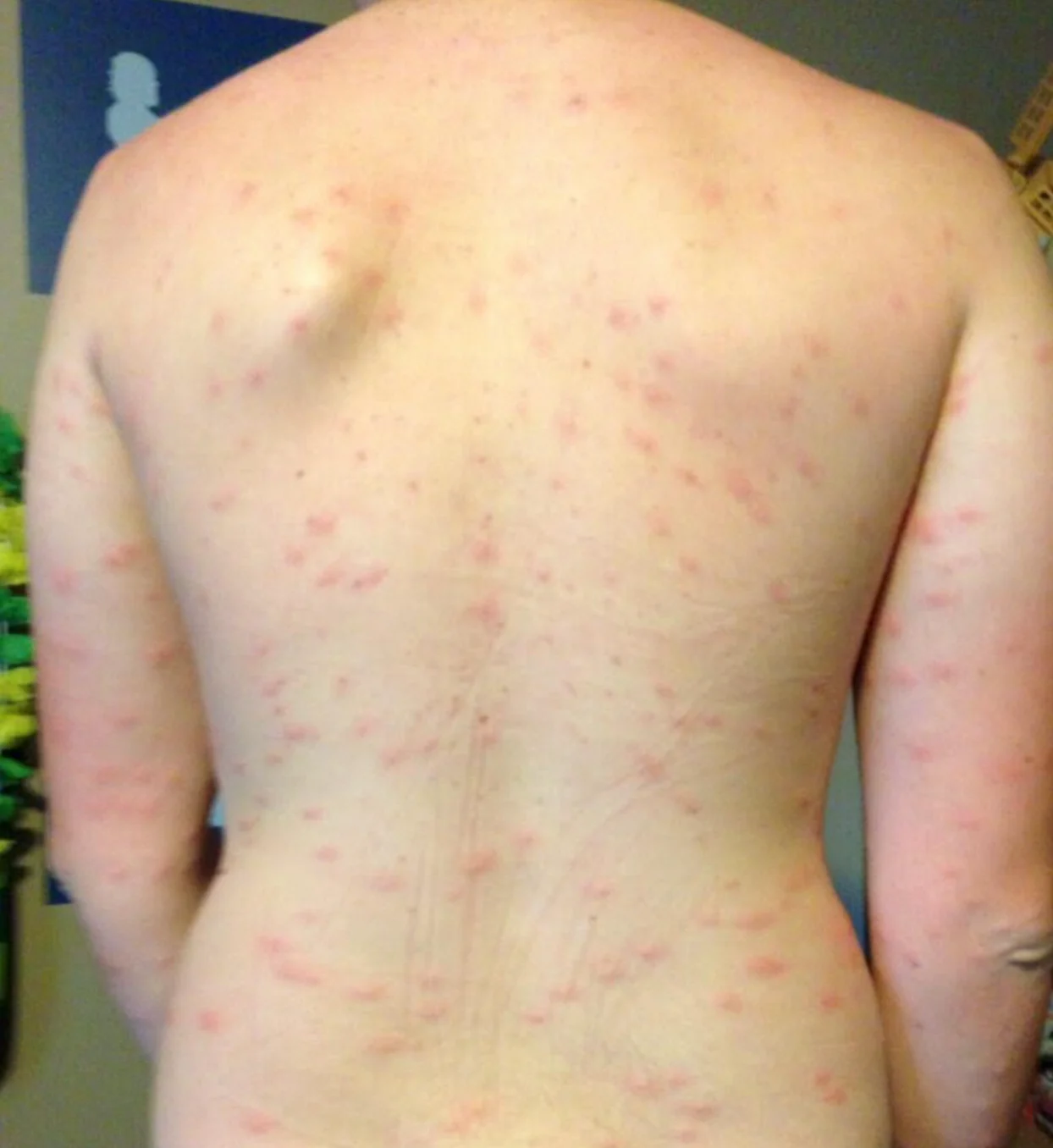
“Each spot on your body is where a parasite has entered your skin,” says Hanington. “The immune response in your skin kills the parasite and prevents it from entering your blood, which is where it would go if it were in a migratory bird.”
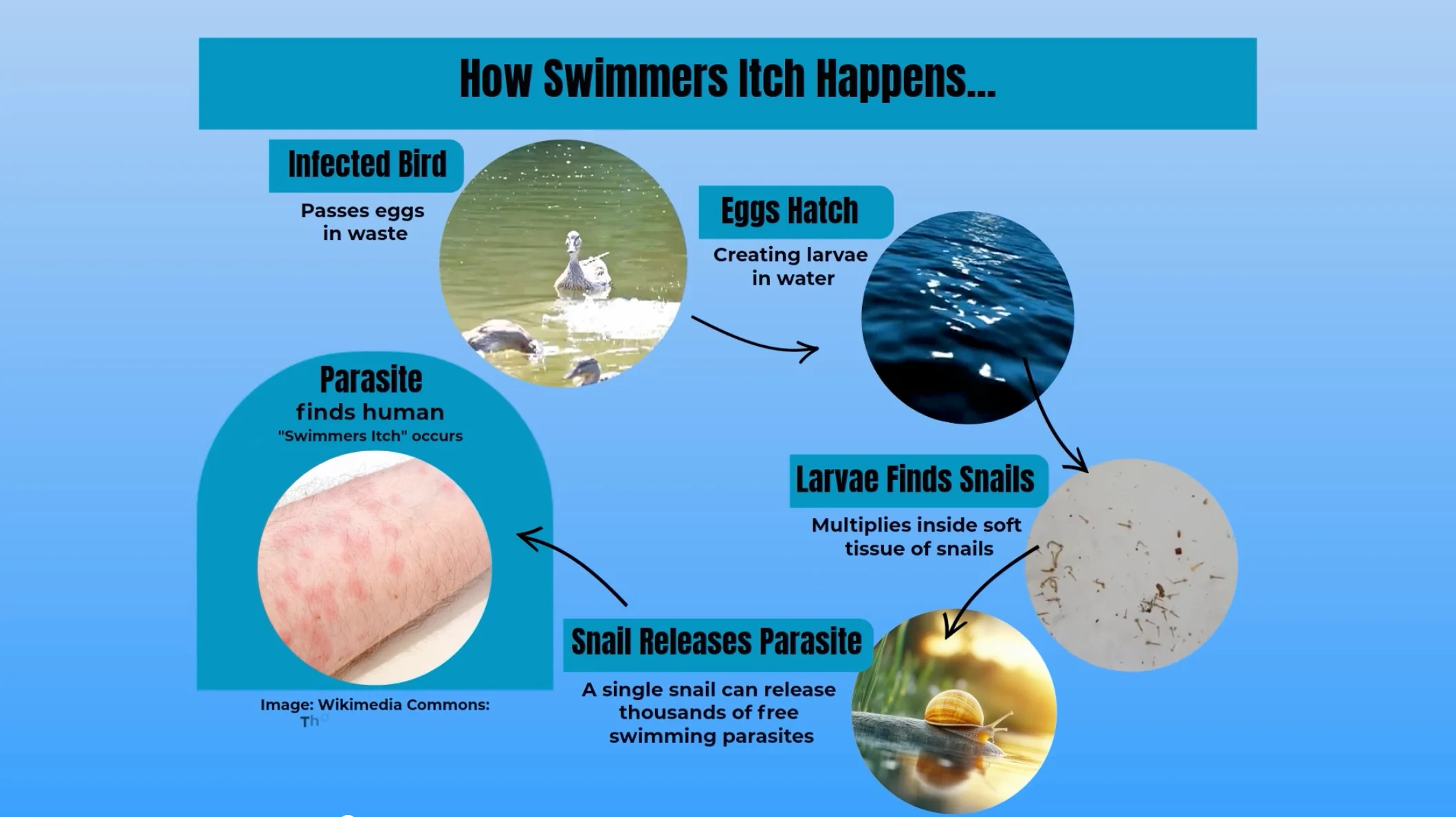
(Graphic: The Weather Network)
SEE ALSO: Why E. coli can close a beach, even when the water looks clean
For some people, swimmer's itch can last for 1 to 2 weeks, as the human body needs time to eliminate the physical parasite embedded in the skin.
“Once you get swimmer's itch, there are not a lot of options other than to use over-the-counter anti-itch creams to just try and alleviate the symptoms.“
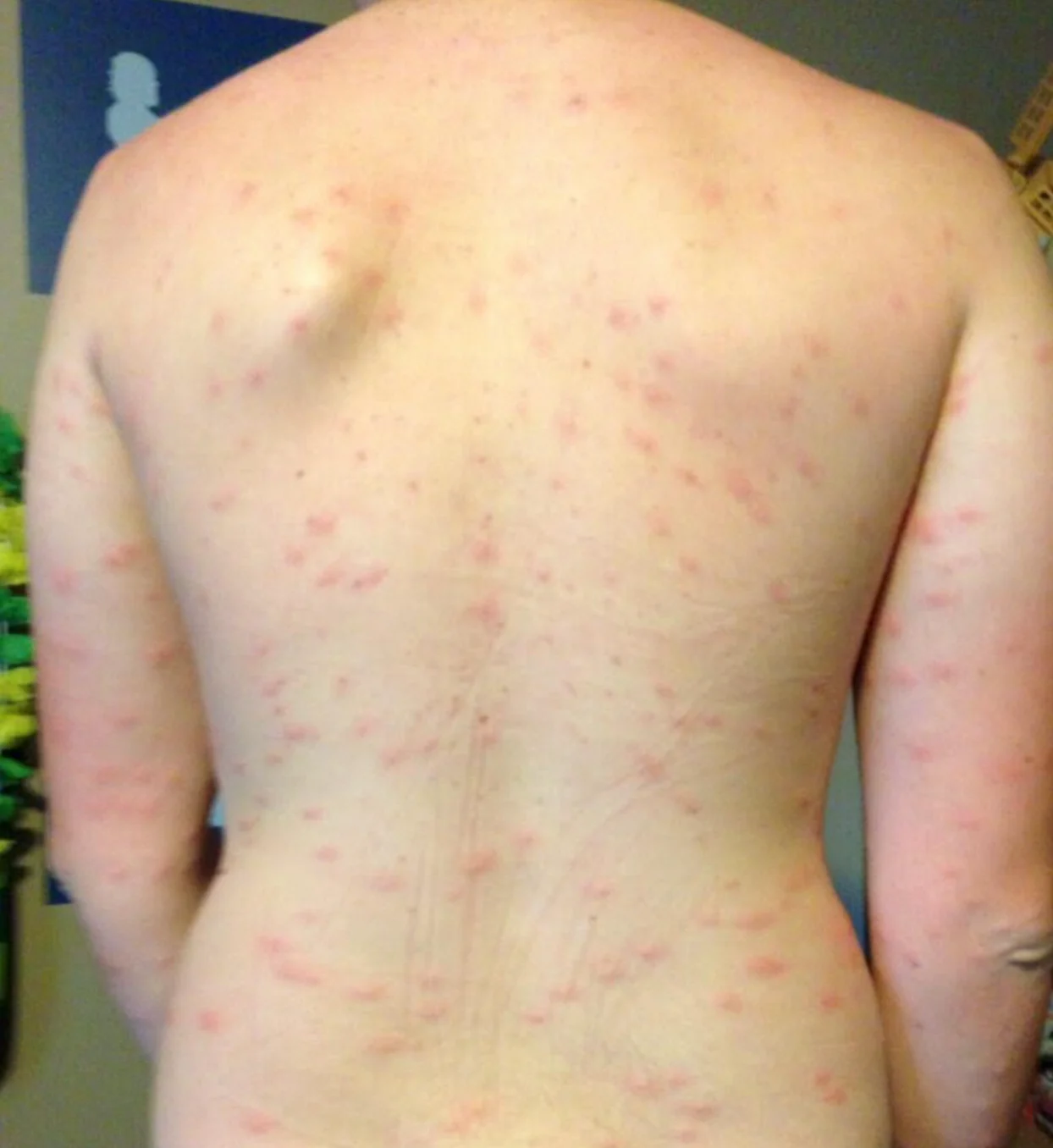
Case of swimmer's itch. (Patrick Hanington/provided)
Scratching can lead to bigger issues, like a bacterial infection. While swimmer's itch is not considered a health risk, it can ruin your swimming plans, so prevention is key.
"A lot of the times when we see swimmers' itch cases in people, it's often in young kids. They are particularly susceptible since they tend to play in the shallow waters where the parasites are typically being moved to—typically towards one shore,“ Hanington says.
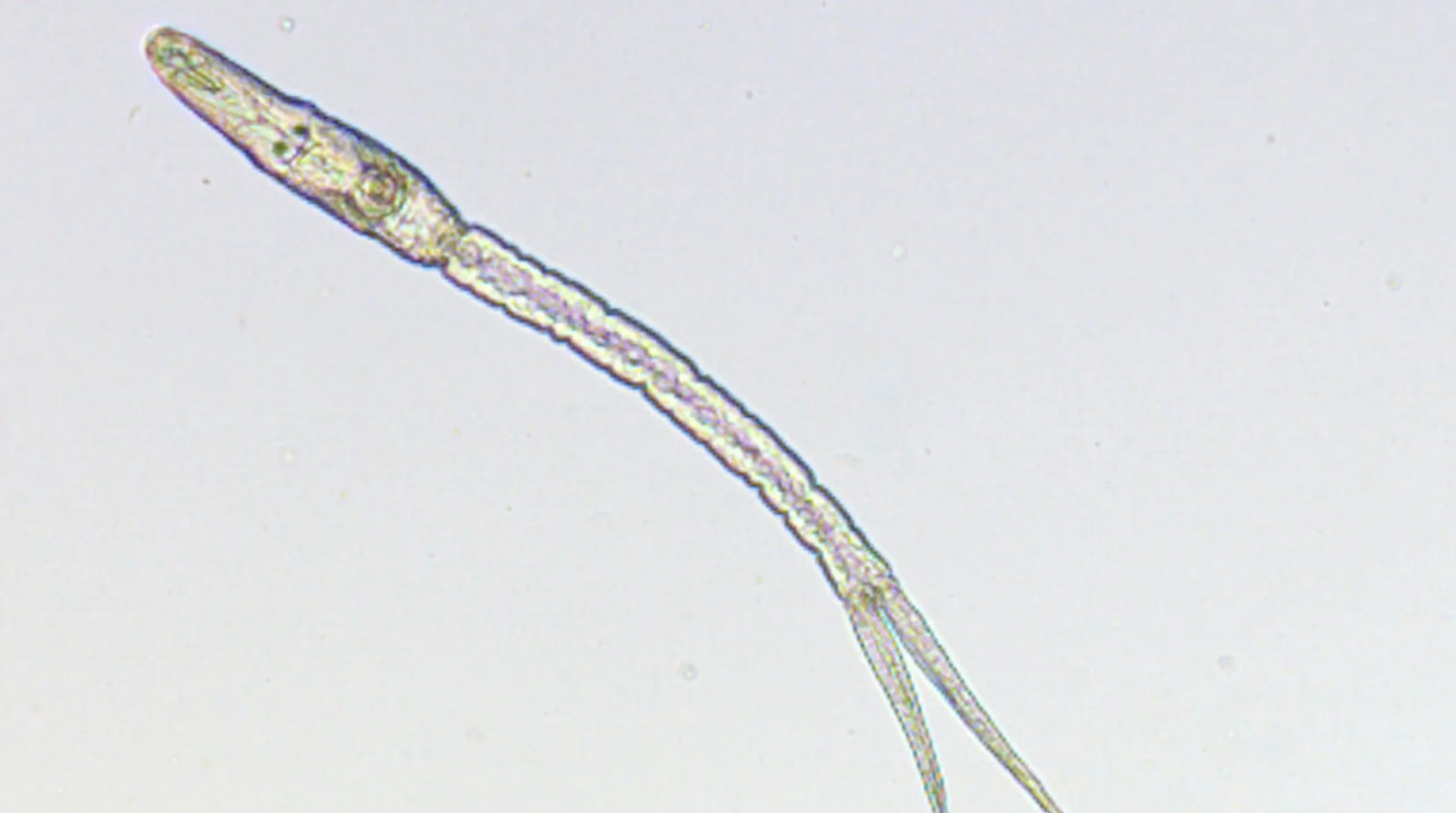
Microscopic view of the parasite that leads to swimmer's itch. (Provided/Patrick Hanington)
How to avoid swimmer’s itch
You can reduce your risk of swimmer’s itch by swimming in deeper water and avoiding swimming in the morning after snails release their parasites. Additionally, keep away from beaches where the wind is blowing on shore, protect your skin with rash guards, and avoid swimming where vegetation is growing.
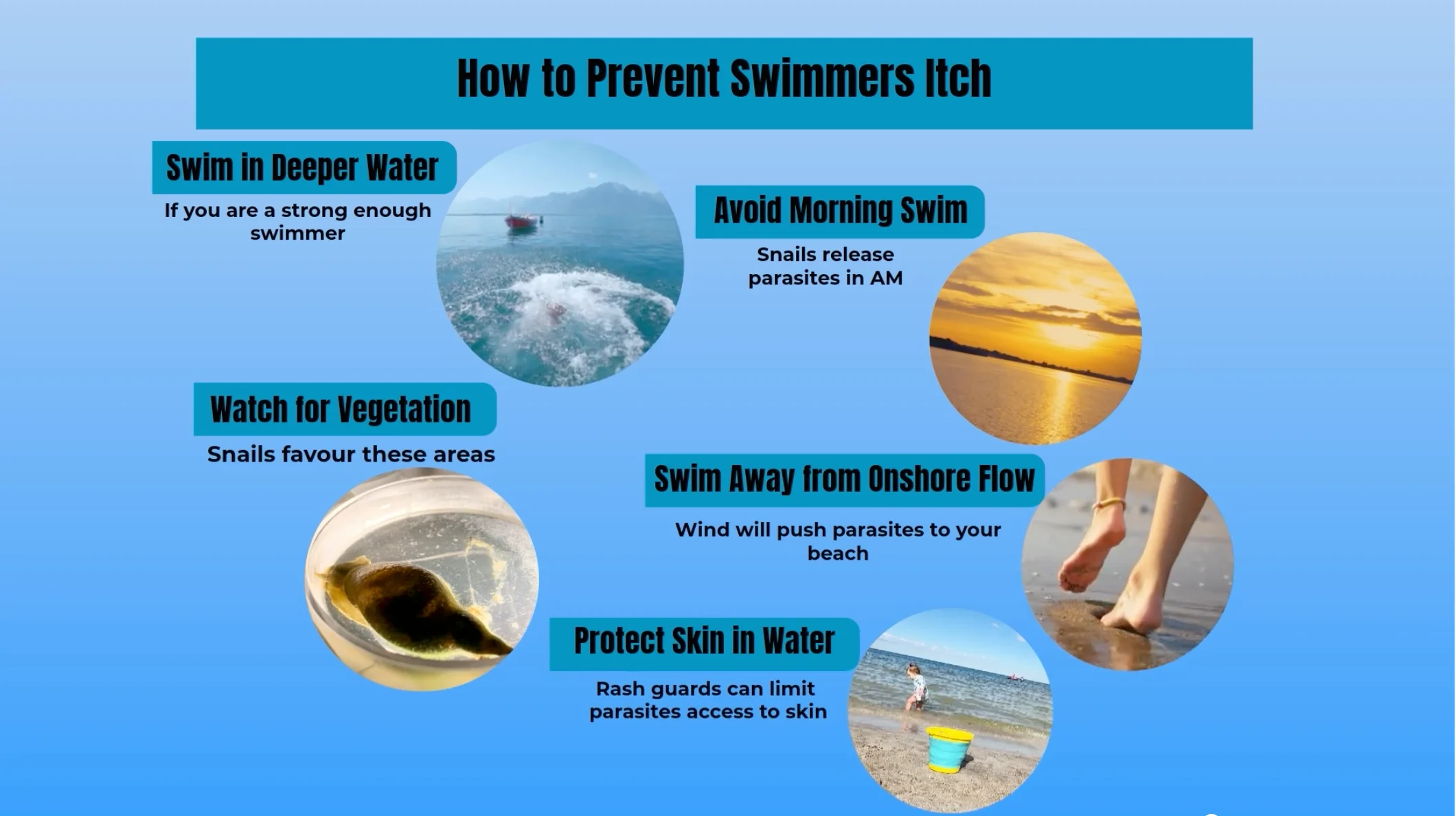
(Graphic: The Weather Network)
“This time of the year, mid July to mid August, is when we tend to see the most parasite abundance in the water,” explains Hanington. “And that is due to the fact that the new generation of snails that hatched this year, their infection is now getting to the point where they are releasing the parasite, so there are a lot of younger snails that are now releasing the parasite that causes swimmer's itch.”
Swimmer’s itch tends to be the most common within Ontario, Quebec, BC, and Alberta. Head to swimmersitch.info for more information.