VIRAL WEATHER: How to protect the vulnerable from COVID-19

From our Viral Weather special program: The Weather Network's Chris St. Clair speaks with a panel of experts on how to manage the effects of the pandemic on the more vulnerable people in society.
As people continue to practice social distancing measures and work from home, governments have stepped up with income supports as well as public health measures. But how have the more vulnerable sections of society, like homeless people, and people suffering from addictions, been faring?
In the latest edition of Viral Weather, our own Chris St. Clair sat down with Steve Lurie, director of the Canadian Mental Health Association (CAMH) in Toronto and Martin Ricketts Jr., a retired clinical social worker in New York who has worked for the New York City Department of Health, to talk about preserving mental health during the COVID-19 crisis.
COVID-19 TAKES ITS TOLL ON VULNERABLE GROUPS
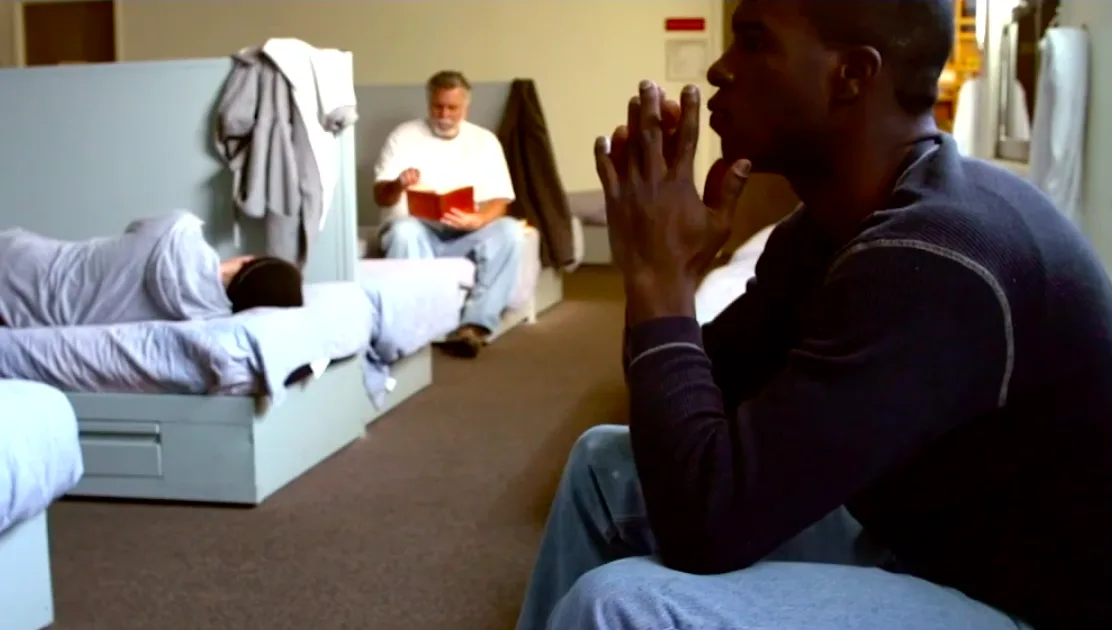
The pandemic has been particularly hard on some groups like homeless people living in shelters, who have very little chance to socially distance themselves from their shelter mates. Ricketts says that problem is also acute among prison inmates.
"You don't know what people have, you have to screen them ... for medical and mental health and substance abuse issues as well," Ricketts says.
The concern over how the coronavirus can spread among the densely packed prison population is such that there have been calls to release vulnerable inmates to avoid infection, but Ricketts says that can pose new risks.
"On the one hand, the thought is, well, this is going to save lives," he says. "On the other hand, releasing people back in their communities who may or may not practice social distancing because they were incarcerated for not adhering to the norms of society anyway, what is that going to mean for the general population at large?"
Another group to think about: People who are in recovery for substance abuse, a process which relies on face-to-face fellowship and support groups.
"They're testing out some scenarios online, and while it could be helpful, it's not quite the same as having face-to-face [contact] in a group format," he says, adding there's a heightened concern for relapses.
SOCIAL SERVICES TRY TO ADAPT
Though the pandemic has put a strain on vulnerable people and the people who care for them, many groups have adapted to the challenge.
Steve Lurie, the director of the Canadian Mental Health Association, says he's seen some innovative responses from caregivers, such as over-the-phone peer counselling and other virtual interactions.
In Canada, Lurie cites one program that has been particularly successful, where Telus has teamed up with Toronto Police Services to provide cell phones and data plans to vulnerable clients.
The City of Toronto, Lurie says, has also tried to adapt its homeless housing measures as well, leasing hotel rooms and other options to spread out the population to make social distancing more likely. Groups that serve vulnerable or live-at-home seniors such as Meals on Wheels and other home support groups are also still operating, which Lurie says is crucial.
"Especially for the seniors, we know that having social connections is important, so if you have a senior who is home-bound, you should reach out to them," he says.
"People are trying to do the best they can under the circumstances, and a real shout-out to community health workers who, in addition to hospital and ambulance staff, are doing an amazing job in hopefully flattening he curve, and keeping people healthy."