Severe dust pollution blowing into Alberta community downwind of the oilsands

When Jean L’Hommecourt looks out over her home in Fort McKay towards the banks of the Athabasca River, thick dust often clouds the horizon.
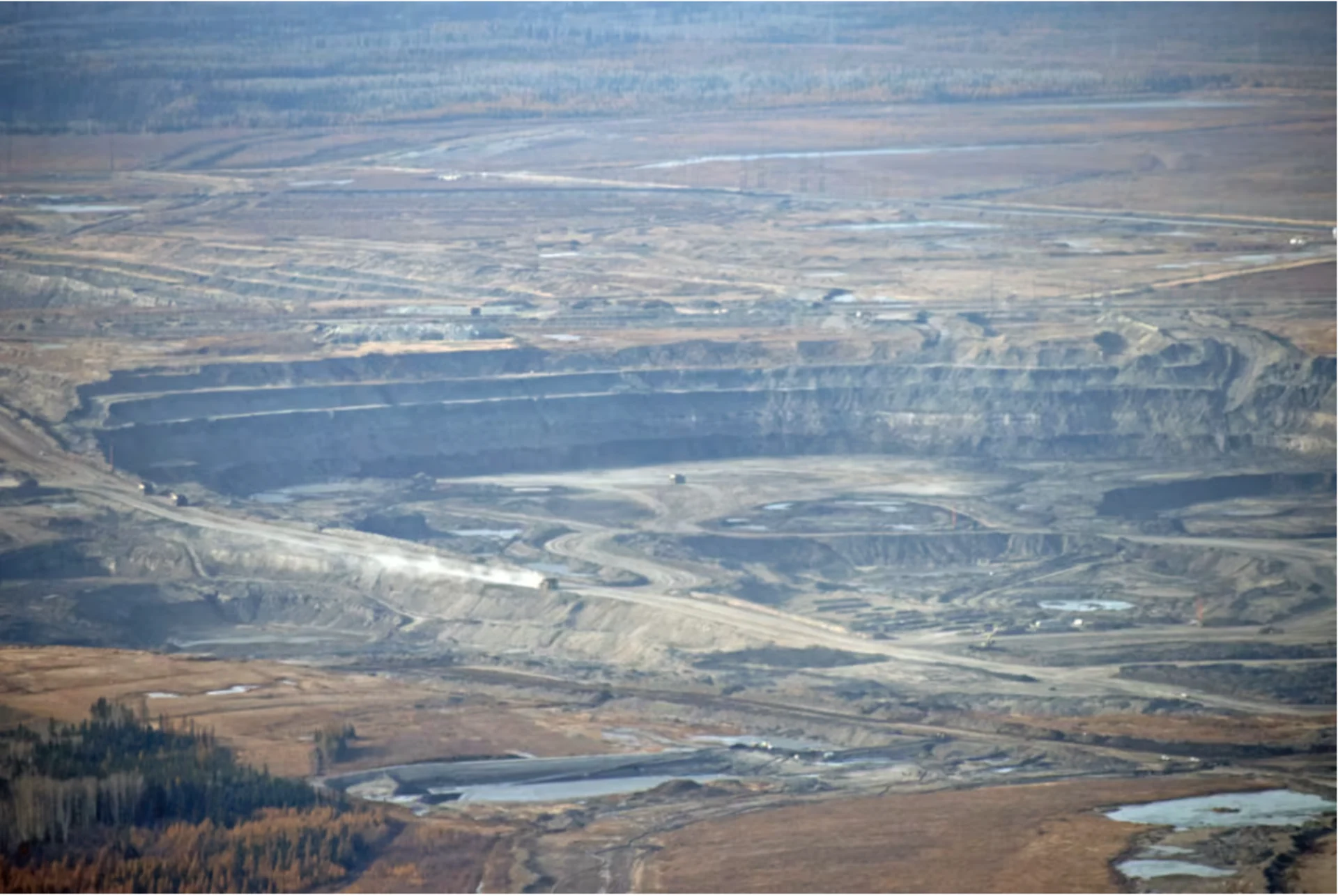
Sheets of blowing grit tint the sky a dull brown. The community, located in the heart of the oilsands, roughly 55 kilometres north of Fort McMurray, Alta., is surrounded by surface mines and industrial development.
"Looking north, the sky is discoloured,” said L’Hommecourt, a former environmental manager for the Fort McKay First Nation and a long-time traditional land use researcher.
“You can see it drifting up from the mines,” she said. “The wind, you can’t escape it.”
New peer-reviewed research published in Atmospheric Pollution Research shows that Fort Mckay faces disproportionately high levels of dust pollution, with levels frequently exceeding regulatory guidelines for air quality.
RELATED: AQI, AQHI, and your health: Air quality ratings explained
Researchers found that the Indigenous community is plagued by severe dustfall events driven by large particles of dust— thick, coarse grit that settles over the community in short-lived but intense peaks that are missed by conventional monitoring.
Led by University of Toronto PhD candidate Kristin Iorio, alongside independent researchers in Alberta, the study warns that continuing to rely on standard air monitoring measures will leave the true impact of dustfall pollution on Fort McKay — and other communities downwind of intensive resource development — uncertain.
Iorio said most of the grit that blows into the northeastern Alberta community comes from large particles of dust that are overlooked by Alberta’s ambient air quality guidelines.
“We don’t know and that is a very dangerous place to be,” she said. "And what we don't know can very well hurt us.”
The study found monthly dustfall volumes were higher compared to other communities across the Wood Buffalo region.
During 24 months of sampling, Fort McKay’s monthly dustfall exceeded Alberta Ambient Air Quality Guidelines 17 times, and more than doubled the acceptable threshold nearly 20 percent of the time.
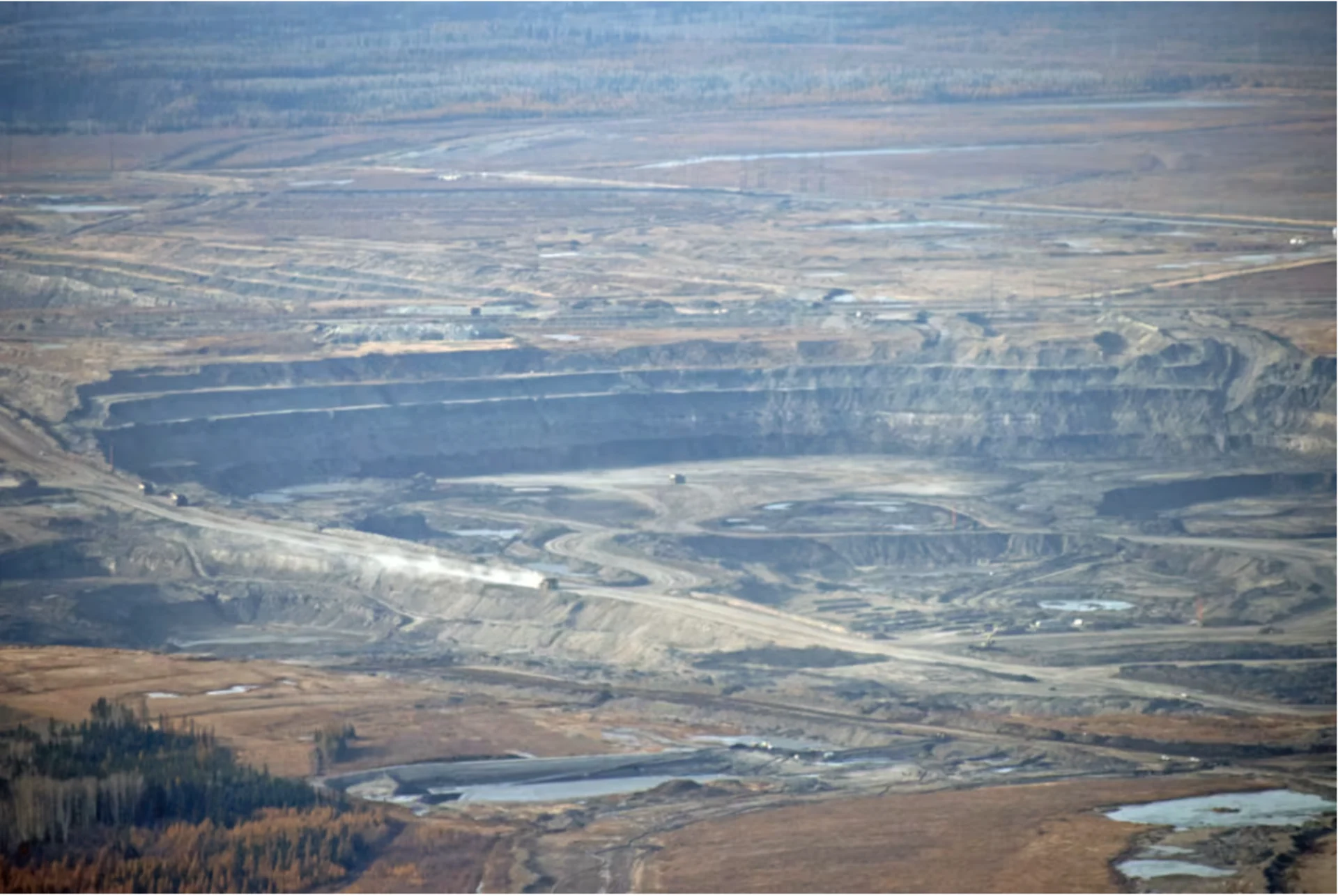
Fort McKay is surrounded by surface mines and industrial development, like this oilsands mine in the Regional Municipality of Wood Buffalo. (Geneviève Normand/CBC Radio-Canada)
Dustfall buckets and ambient sampling
To evaluate the extent of dust exposure, researchers analyzed data collected between late 2022 and mid-2025 by the Wood Buffalo Environmental Association and the Fort McKay Sustainability Department.
Much of the data was gathered using open plastic buckets that captured dust as it fell to the earth. Samples were also collected using ambient air quality tools — optical air monitors and 24-hour Teflon filter samplers — to measure particulate matter pollution drifting across the region.
Researchers conducted sampling in six communities: Fort McKay, Fort McMurray, Anzac, Janvier, and Conklin. The dustfall buckets were also placed at additional sites throughout Fort McKay, including backyard fences and the local industrial park.
Fort McKay received the highest amount of dustfall among all studied locations — about double the next-highest site in Conklin, which is more than 150 kilometres south of Fort McMurray.
“Communities that are more impacted by larger particles are falling through the cracks because there is no monitoring of these larger particles,” Iorio said.
WATCH: Turn your home into a clean air refuge with these simple tips
The regulatory gap
When it comes to particulate matter pollution in Alberta, the province regulates and monitors PM2.5 levels — tiny dust particles that are 2.5 micrometres or smaller. This fine particulate matter, which includes pollution from smoke and exhaust fumes, is small enough to penetrate deep into a person's lungs and enter their bloodstream.
However, the province doesn’t have specific rules for particles larger than 10 micrometres (PM10), coarse particulate matter that can get trapped in the nose or throat.
This coarser dust pollution often comes from industrial sites, construction work and mining operations, Iorio said. Other local sources in the oilsands include land clearing, haul road traffic, limestone quarrying and tailings ponds — a problem expected to grow more severe, as mines continue to expand their footprint and climate change dries the local landscape, she said.
"Without regulation of these larger particles, it creates a situation where there's no real oversight," Iorio said.
“Even those large particles can have a health impact, because you don't know what's in those particles.”
To address these regulatory gaps, the study's authors recommend major changes in the way Alberta manages and monitors industrial dust.
Iorio said the province needs to establish a formal hourly Alberta Ambient Air Quality Objective for PM10 contamination to capture short-lived, high-intensity dust events that currently go untracked. She noted that Alberta’s existing air quality thresholds for dustfall and airborne particles have not been updated since 1975.
In Fort McKay, she said additional monitoring is needed, including ongoing dustfall collection paired with real-time tracking to determine where exactly the dust is coming from and warn residents when the situation becomes severe.
'A mismatch'
Ke Du is a professor in the Department of Mechanical and Manufacturing Engineering at the Schulich School of Engineering, University of Calgary. He specializes in air quality, atmospheric emissions, and particulate matter research.
He said his research echoes the study authors' calls for expanded continuous monitoring and new ambient air guidelines.
He said industrial pollution, including dust and greenhouse gas emissions, can be highly episodic — events that Alberta’s ambient monitoring guidelines do not capture.
“There is a mismatch between the dust pollution and conventional monitoring practices,” he said.
“Beyond dust, other pollutants can have these same issues. So if we want to design a monitoring program, continuous monitoring is the key.”
He said the level of contamination measured in Fort McKay is concerning. Further research in the region is needed to investigate the community’s dust problem and the potential implications on local health.
The Alberta Energy Regulator and the Fort McKay First Nation declined to comment on the paper.
Alberta Environment officials say the findings will be considered alongside the “broader body of scientific evidence as Alberta evaluates whether changes to monitoring approaches, ambient air quality objectives or guidelines may be warranted.”
Ministry officials said Alberta relies on multiple indicators and programs to assess dust-related conditions and air quality in the region, and is also supporting Fort McKay’s community-led dust-monitoring program.
For longtime residents like L’Hommecourt, the research confirms what Fort McKay residents have reported for decades.
Community leaders and researchers have long questioned whether current systems to track air quality in Fort McKay are adequate and previous studies have raised the alarm over air quality.
“I am very worried for the health of my community,” L'Hommecourt said.
WATCH: Signs wildfire smoke exposure is making you sick
This article, written by Wallis Snowdon, was originally published for CBC News.