Scientists detect “brain-eating amoeba” in 3 iconic parks

While infections are rare, N. fowleri has a death rate of around 98 per cent
Recent research from the US Geological Survey (USGS) and Montana State University has identified Naegleria fowleri, also referred to as a “brain-eating amoeba”, in three U.S. National Parks: Lake Mead National Recreation Area, Grand Teton National Park, and Yellowstone National Parks.
For their paper, the team collected 185 samples from 40 sites in five U.S. parks between 2016 and 2024.
They found that the amoeba present in 34 per cent of the samples.
Two locations — Olympic National Park and Newberry National Volcanic Monument — did not turn up evidence of N. fowleri.
Researchers say some of the areas were not previously known to house the amoeba.
“These findings indicate that N. fowleri is present in thermally impacted areas across the western United States and underscore the use of enhanced monitoring, public awareness, and risk management strategies in thermally influenced recreational waters,” the researchers write, adding that the study demonstrates it can be successfully monitored over large areas for multiple years.
“Building on this, long-term monitoring could support the development of statistical models to better predict the occurrence and distribution of N. fowleri across diverse environmental and geographic conditions,” the study says.
What is Naegleria fowleri?
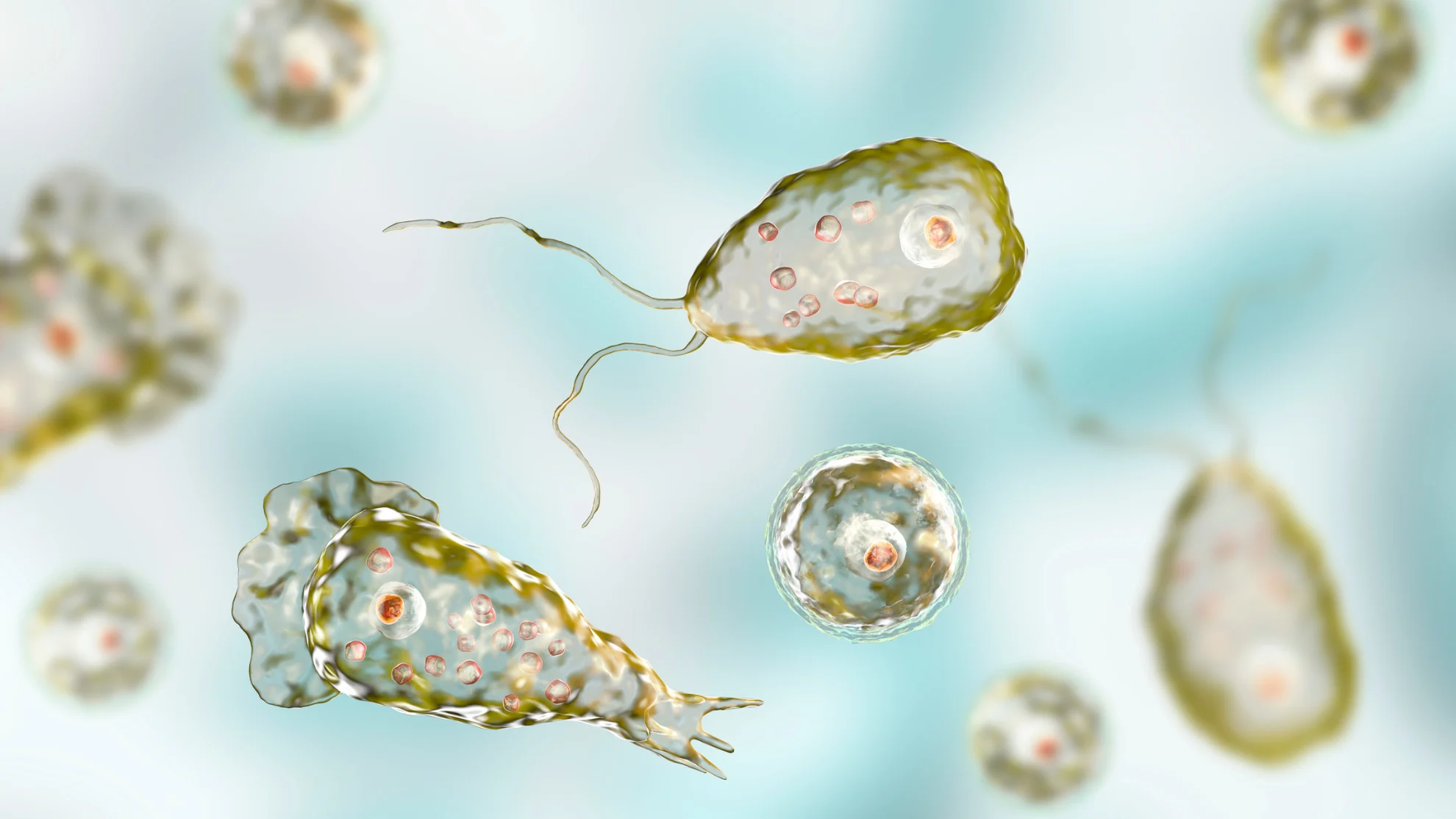
N. fowleri is a single-celled amoeba found in warm freshwater.
It infects swimmers through the nose and targets the brain, causing primary amebic meningoencephalitis (PAM), am infection with a fatality rate of about 98 per cent.
N. fowleri infections are rare: According to the U.S. Centers for Disease Control (CDC), there are roughly only about 10 infections a year in the United States.
Infections are not normally curable, but researchers are working on more reliable treatments.
The amoeba is present worldwide, typically found in warm lakes, rivers, and hot springs. Nasal-irrigation pots used for flushing cavities is also an identified source.
N. fowleri may also be present in inadequately-maintained swimming pools. It cannot survive in saltwater.
Historically, it is more common in warmer, southern regions, but warming temperatures have helped it spread northward.
“Climate change is probably making the threat from free-living amoebas worse by creating more favourable conditions for their growth,” writes Manal Mohammed, a senior lecturer of medical microbiology at the University of Westminster.
“Naegleria fowleri thrives in warm freshwater. As global temperatures rise, the habitable zone for these heat-loving amoebas has expanded into regions that were previously too cool. This potentially exposes more people to them through recreational water use.”
How to reduce the risk of infection
According to the CDC, you can reduce the risk of an infection by:
Refraining from jumping or diving into warm freshwater — particularly when water levels are low or when the temperature is hot.
Trying to prevent water from going up your nose when swimming.
Using nose clips or holding your nose shut when jumping into freshwater.
Exercising caution in hot springs.
Infections occur when the amoeba enters the body through the nose. It does not occur from drinking water, and infections do not spread from person to person.
“Contact lens users should follow strict hygiene and never rinse lenses with tap water. For nasal rinsing, only use sterile, distilled, or previously boiled water,” Mohammed writes.
“Awareness is key. If you develop a severe headache, fever, nausea, or stiff neck after freshwater exposure, seek medical attention immediately – early treatment is critical.”
Header image: File photo via Canva Pro.