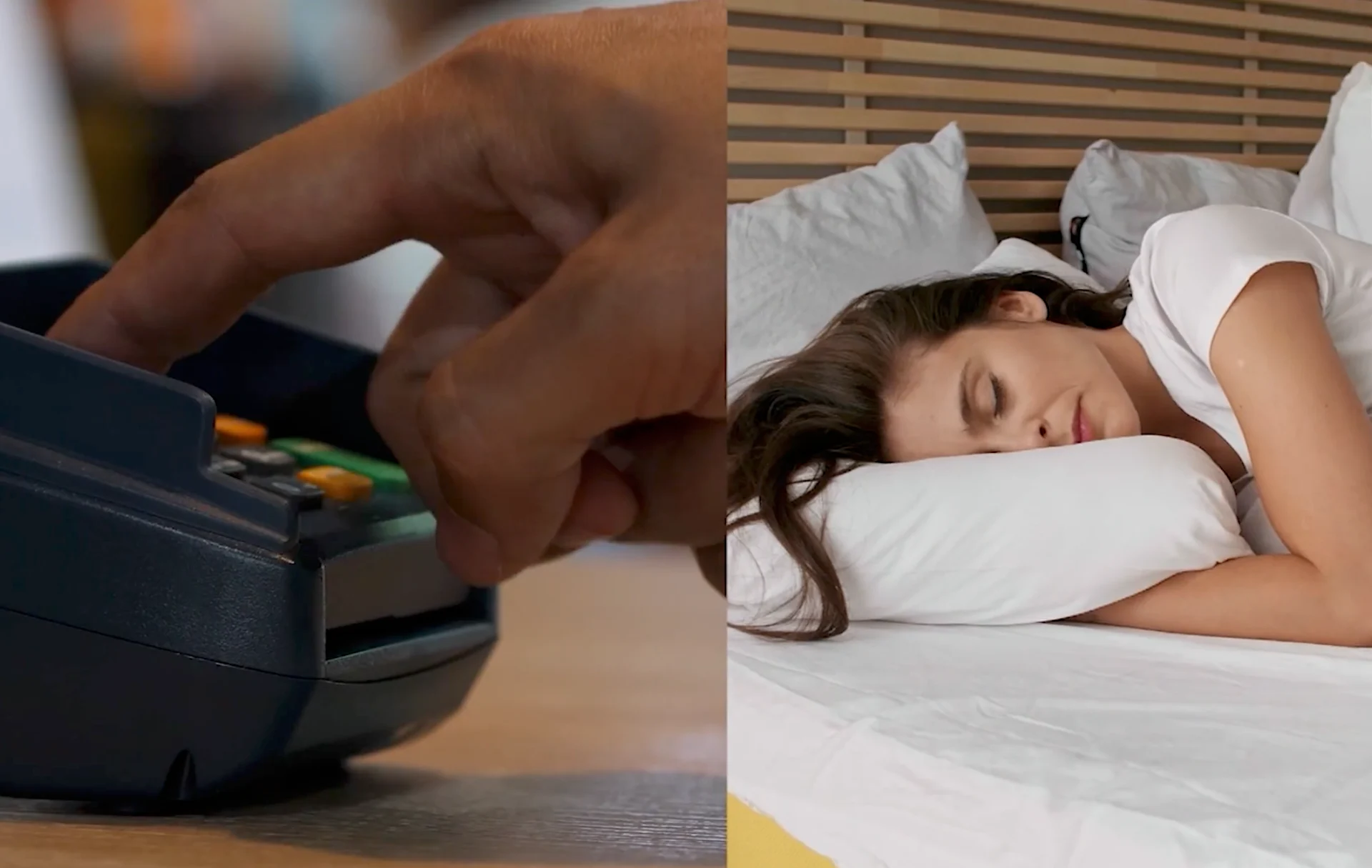
It's not just your sleep; the time change could also impact your wallet

Discover the surprising link between daylight saving time, sleep deprivation, and increased spending
On November 1, 2026, millions of Canadians east of Mantioba will 'fall back' into standard time.
As we all sort out our social jet lags, did you know you may be inclined to spend more money?
"We have a lot less sunlight exposure," says registered social worker and sleep expert Amanda Jewson. "With the lack of sunlight exposure, our brain receives different messages about what to do."
RELATED: Your guide to better sleep this fall
And that is where some studies have suggested the "treat yourself” mentality kicks in. According to research commissioned by Sleep Country, 60 per cent of Canadians say they are more likely to order takeout when they have not had enough sleep, while 37 per cent say they buy a treat to simply keep going. And coffee? Additionally, some studies have shown when sleep is limited, two-thirds of people are more inclined to purchase an additional coffee or caffeine source.
"We tend to pay more money out of convenience," adds Jewson.
SEE ALSO: Simple diet swaps to support your immune system this fall
Jewson says Gen Z and younger Millennials are willing to tap their phone and order the most frequently.
"Folks who are under 35 tend to be the most impacted by the lack of sleep," she says. "So 63 per cent of under-35 participants were more likely to make impulse purchases when they were tired. Thirty per cent of those folks were more likely to make a purchase that they later regretted."
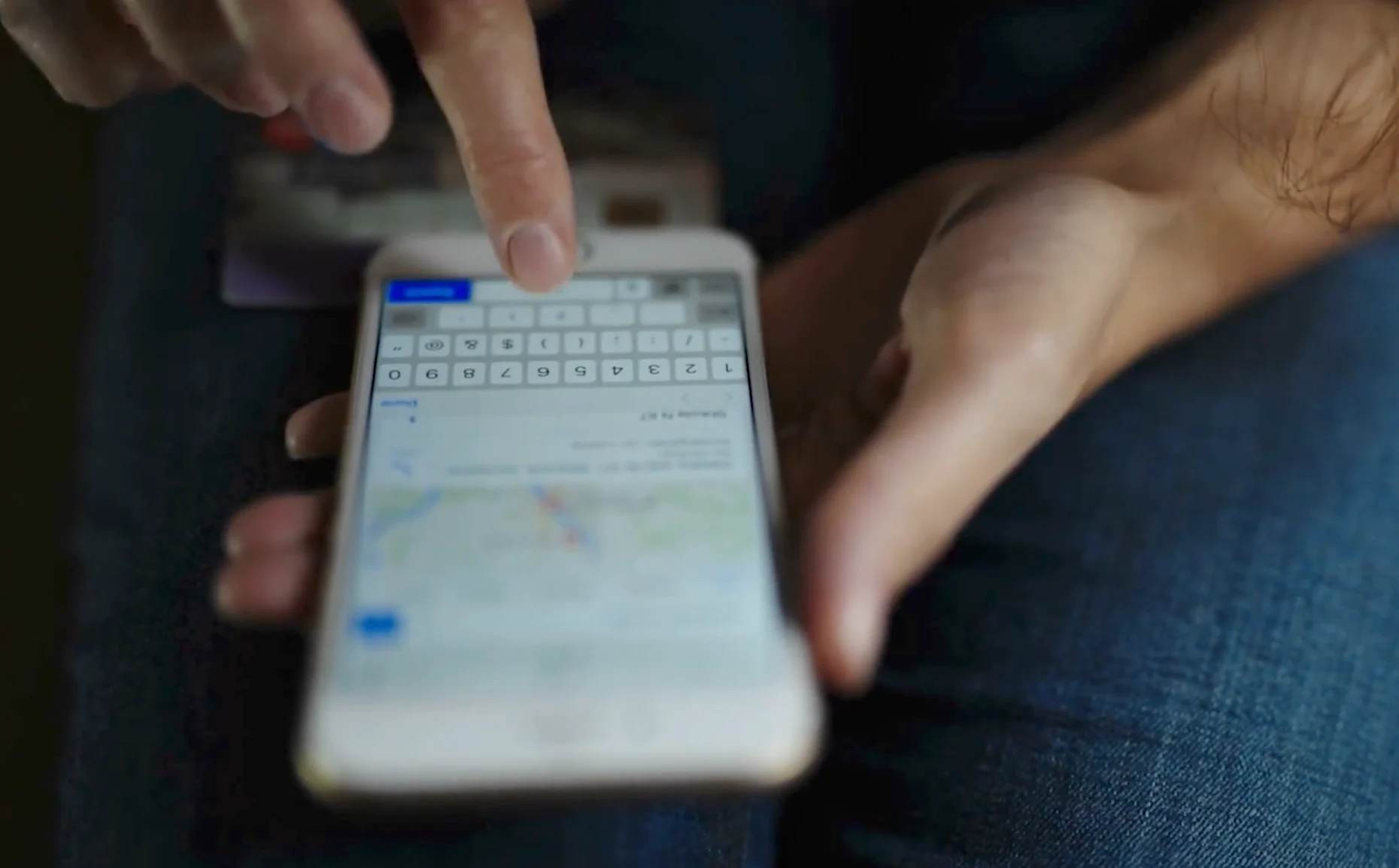
Gen Z and younger Millenials are most inclined to make purchases via phone apps, research suggests. (File image)
If your goal is to spend less and sleep more, Jewson recommends a few practical steps:
Keep a consistent wake time: Aim to wake up at the same time every day, including
weekends.
Make time for morning light: Get outside within an hour of waking, even on overcast
days. Light signals to your body that it is daytime and helps reset your internal clock.
Make room for an earlier bedtime: As the days shorten, give yourself permission to
shift bedtime earlier rather than later in those earlier days of seasonal change. The extra
sleep may help you adjust better.
Sleep on purchases: If you’re shopping late at night and feeling tired, leave the items in
your cart and revisit them the next day.
"It is darker in these months, so make sure you are going outside and getting sun on your face every day," Jewson adds. "That is going to signal to your body when you should be awake and when you should be asleep. That can do a lot of the heavy lifting of feeling more alive and energetic during these darker months."