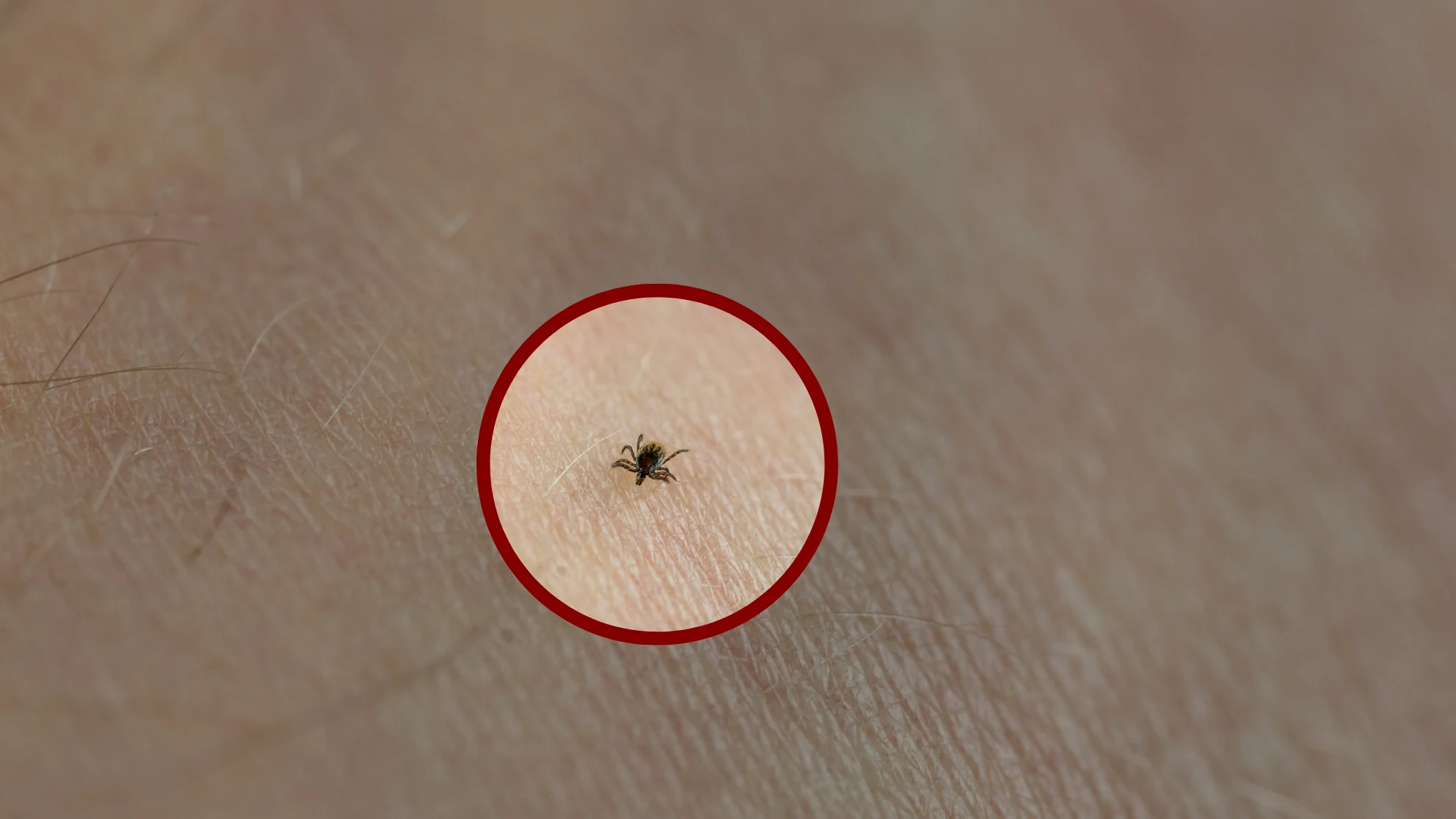
“Beware”: Heavy tick presence reported in Ontario provincial parks

Experts are suggesting the public plan ahead when it comes to ticks this summer.
Earlier this month, experts said Canadians should brace for a wave of ticks heading into Canada from the U.S.
Pathogen-carrying tick species are moving north into Canada at a rate of about 50 kilometres per year, they say.
Tick presence in Ontario parks
A recent Facebook post The Ontario Provincial Parks group has reported an unusually high number of ticks at Long Point Provincial Park this year.
“We just returned from our first trip to Long Point. and it did not disappoint!” reads the post by Ashton Tillaart Duvall.
Tillaart Duvall adds that despite being an avid camper and having experienced ticks in the past, this year’s tick presence appeared to be “on another level.”
Another post dated May 18 says that while a recent camping trip to Pinery Provincial Park with her newly-adopted dog Frank was a success, visitors should be wary of ticks.
“We had to pull eight of them off Frank,” user Jennifer Green writes.
Current Lyme disease risk in Ontario
While both posts are anecdotal, the province is warning the public to take a proactive approach to ticks this summer, and the reports align with the warnings experts have been issuing since early spring.
“As areas where ticks can be found continue to grow, so to do the risks of tick bites and tick-borne diseases,” Dr. Kieran Moore, Chief Medical Officer of Health, says in a press release.
“By being vigilant, wearing appropriate clothing and doing routine tick checks, we can avoid tick bites and ensure our trips outside are safe and healthy in the months ahead.”
A blog post on the Ontario Parks website dated May 16, 2026, highlights areas where there is an increased risk of Lyme disease so far this year:
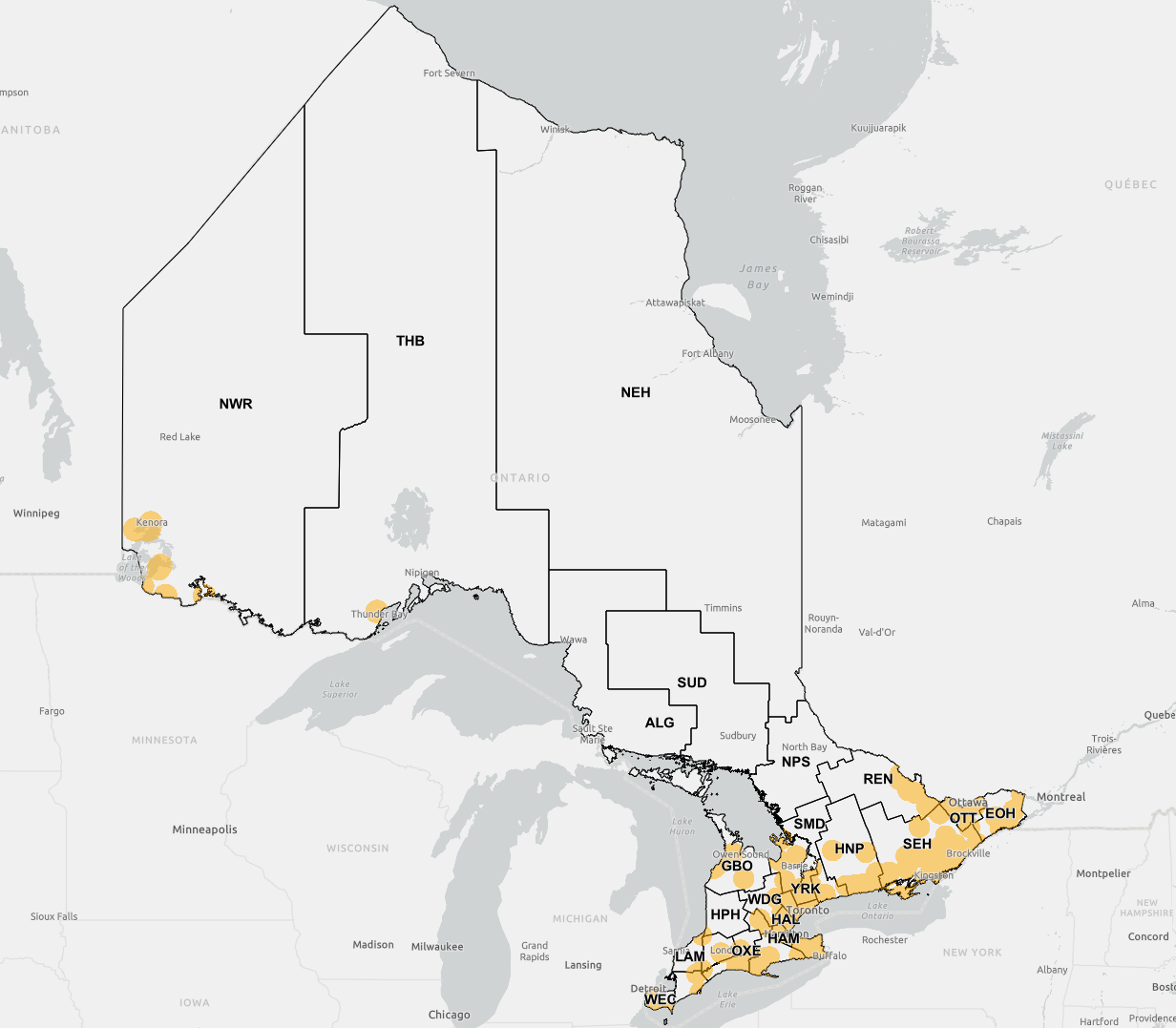
“While the probability is low, it is possible to encounter an infected tick almost anywhere in the province,” the blog post says.
While it is important to remain vigilant, it is also important to highlight the low probability factor of encountering an infected tick: Last year, for example, Hamilton health officials collected hundreds of samples during tick-dragging surveillance around the city, CHCH reports.
Among those samples, 10 black-legged ticks were found, and two of them tested positive for the bacteria that can transmit Lyme disease.
People can report tick sightings or get a better idea of tick activity in a certain area by visiting eTick, an image-based tick identification platform funded by the Public Health Agency of Canada and Bishop's University.
Ticks in Canada
At present, there are several types of ticks found in Canada. Only black-legged ticks can transmit the bacteria Borrelia burgdorferi, which is responsible for Lyme disease, and that's only if the tick is infected with the bacteria.
Lab studies show that black-legged ticks are active anytime the temperature is above four degrees Celsius, Katie Clow, an assistant professor at Ontario Veterinary College, told The Weather Network in 2021.
Black-legged ticks prefer wooded and brushy areas and places where humidity is higher. They're most active in humid conditions when temperatures are lower.
Ticks can spread other diseases, too
Lyme disease isn't the only concern. Worldwide, there are about 899 species of ticks, which can carry several diseases with symptoms ranging from headaches to rashes.
Infected Lone Star ticks can carry a pathogen that can develop into alpha-gal syndrome, which triggers the immune system to react and produce allergic reactions to red meat.
There's no treatment for the allergy other than avoiding red meat.
While not established, the Lone Star tick has been spotted in Ontario and Manitoba.
Ticks and Lyme disease
Not all ticks cause Lyme disease.
There are several types of ticks found in Canada. Only black-legged ticks can transmit the bacteria Borrelia burgdorferi that causes the condition, and that's only if the tick is infected with the bacteria.
Black-legged ticks prefer wooded and brushy areas and places where humidity is higher. They're most active in humid conditions when temperatures are lower.
Early detection is one of the best ways to treat Lyme disease. Experts say the condition is rising in Canada and the U.S. due to ticks expanding northward and warmer weather, which helps the arachnids survive in previously too-cold climates.
Lyme disease symptoms can take three days to one month to occur. The condition is treatable with antibiotics.

Spot a tick? Here's what you do
Remove the tick immediately using fine-tipped tweezers. If you find a tick on your pet, contact your vet.
Do not squeeze the body during the removal process, as this can accidentally let Lyme disease bacteria into the body.
Do not put anything on the tick or try to burn it, as this may prompt the tick to release bacteria into the bite area.
Clean the bite area with soap and water.
Seek medical attention immediately. If possible, bring the tick with you.
And remember...
While ticks can be scary, using a DEET repellent, showering immediately after returning home, and wearing long pants and sleeves outside make a difference.
That's backed by science.
One other thing to consider: There are about 40 tick species in Canada, and they're all relatively small, measuring between 3 and 5 mm.
"A tropical tick once landed on me in the rainforest," Weather Network storm chaser and meteorologist Mark Robinson recalls.
"It was the size of a quarter."
No thank you.
WATCH BELOW: 5 unforgiving facts about ticks
Header image: File photo via Canva Pro.