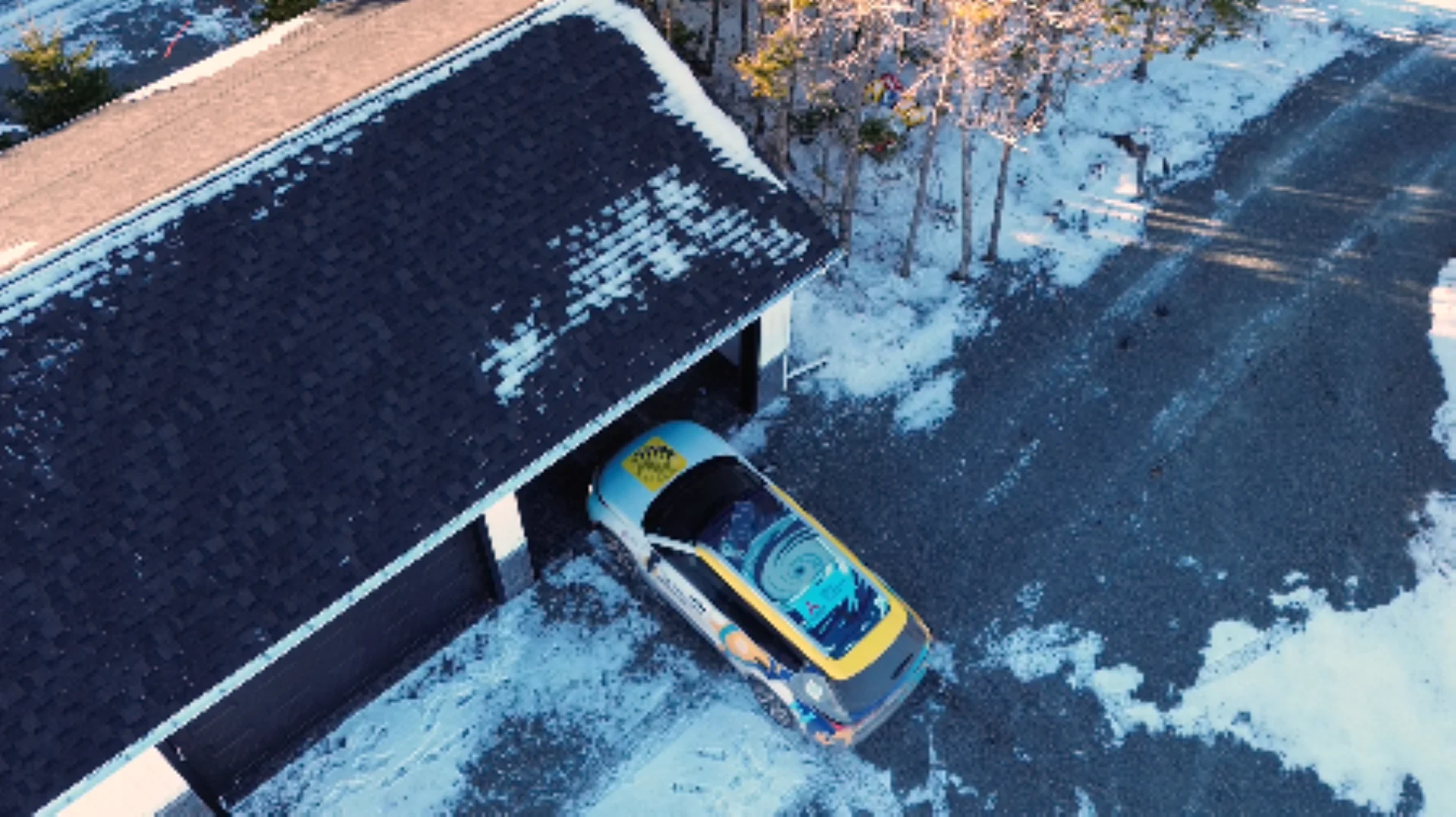
Why you shouldn’t park in a heated garage this winter

While parking in a heated garage seems like a great way to avoid scraping ice off your car, it could be causing significant damage. We find out why
Summer may feel like the most ideal time to wash your vehicle, but in reality, with the salt buildup during the winter, this season is the most important time to keep things clean.
And that’s especially important if you’re planning to go from frigid temperatures outdoors to a heated garage.
“When you take your car in from a -10- or -20-degree weather [and] put it in your heated garage, it sweats, condensates, and that actually creates the whole rusting process," said Pierre Legere, a rust expert.
While heated garages will save you from early-morning windshield scrapes, the trade-off is they will put you at a higher risk of developing rust when your vehicle is dirty.
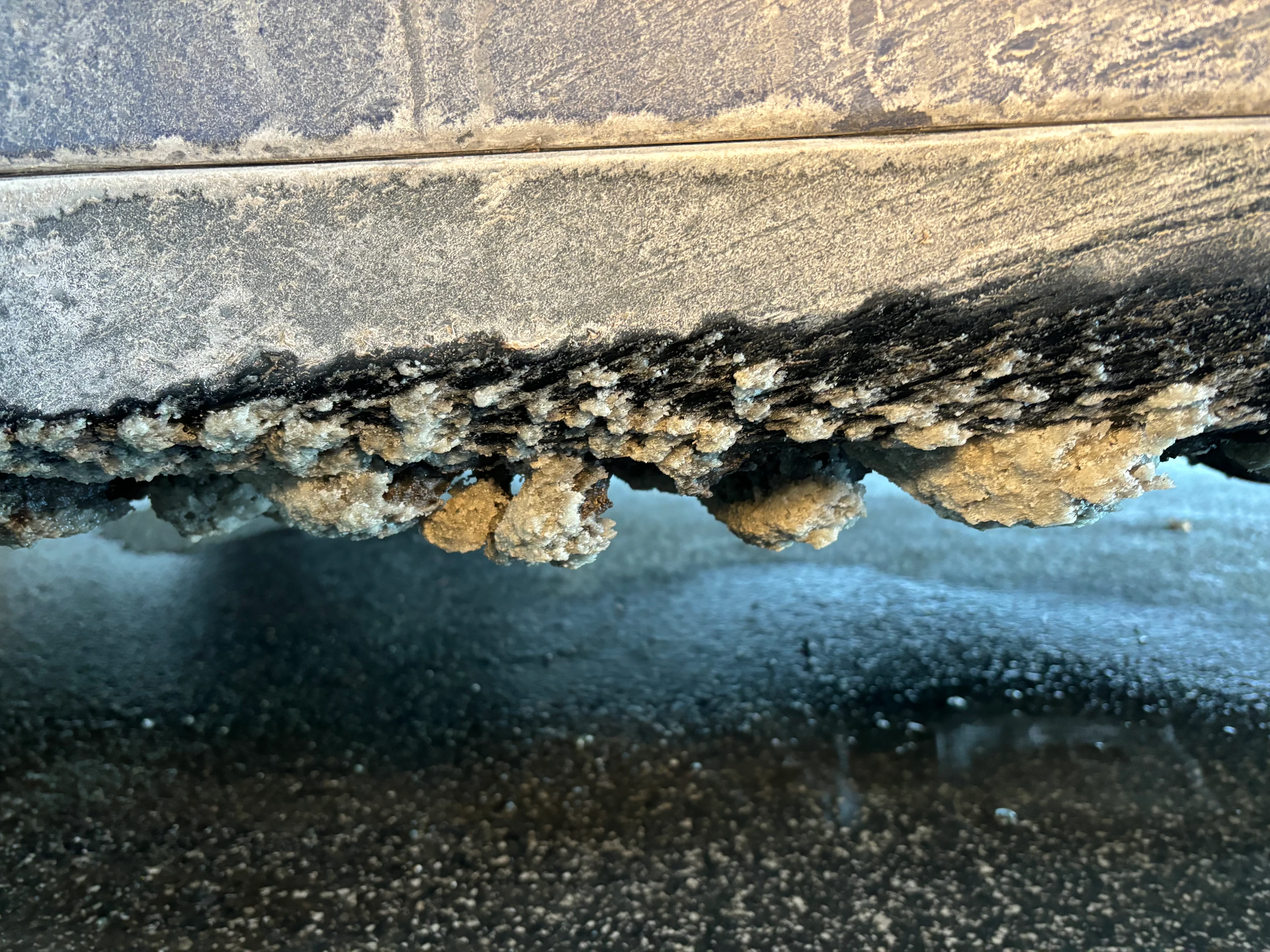
Vehicle rust. (Nate Coleman/The Weather Network)
“If you left your car out all winter at -20 C and it wasn’t wet, it would not rust," said Legere.
He says when it comes to electrolysis, or rusting or corrosion as it’s commonly called, you need four components for it to occur.
“You need the metal, which is basically the panel of your car or any metal component.”
Secondly, within that metal structure, you have positive and negative ions.
“The third part of electrolysis is a path. So, the metal surface creates the path for the ions to flow. The most important, the fourth component, is moisture. [It is] often referred to as electrolyte condensation," said Legere.
“If you don’t have time to wash it, and it’s freezing cold outside, you may just want to leave it out there.”