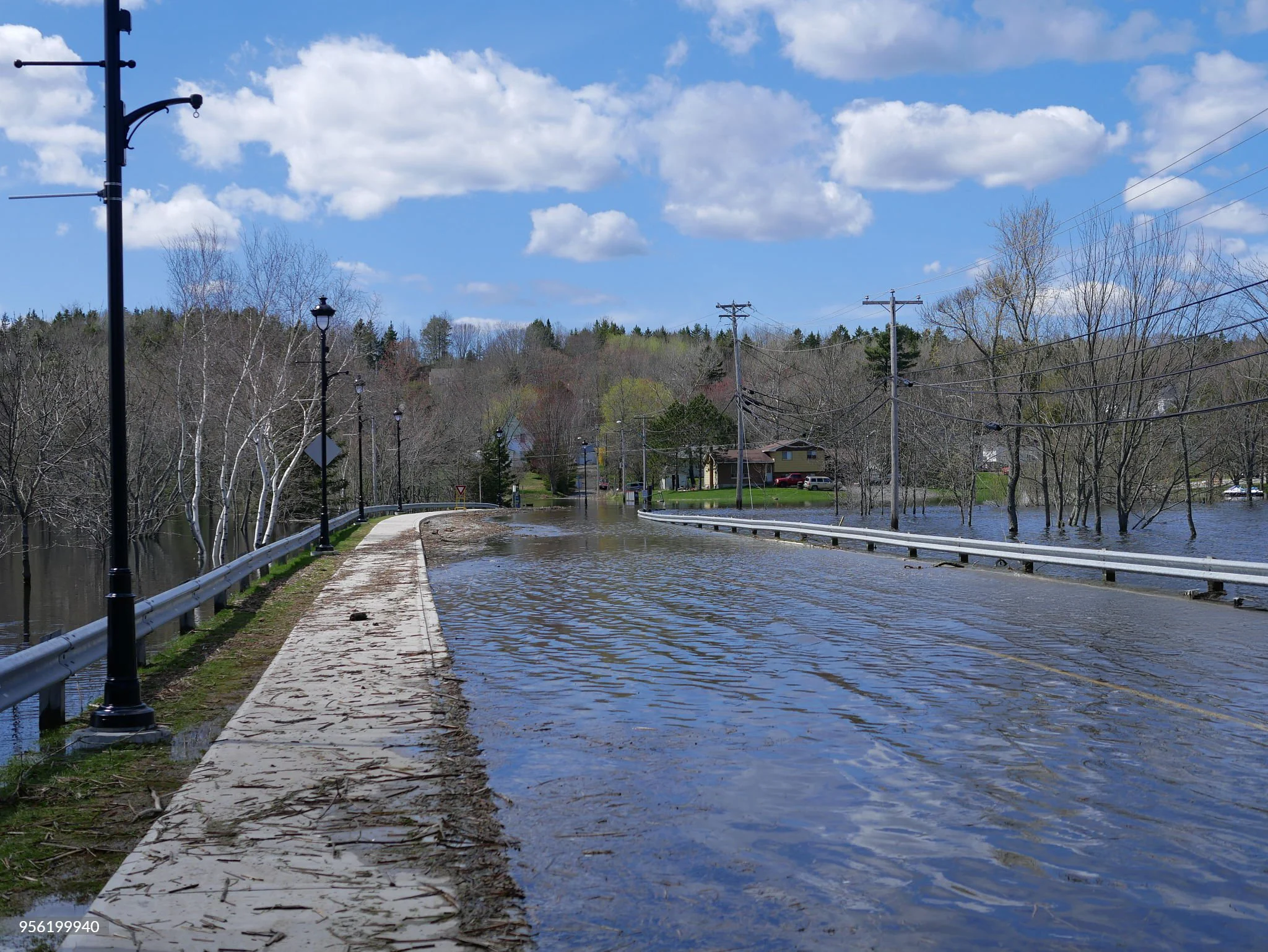
Understanding floods: Preventative measures to minimize your risk

Flooding is the most common weather hazard in Canada, and understanding where the water comes from is key to taking preventative measures.
Extreme weather events are becoming more common in Canada, and according to the Institute for Catastrophic Loss Reduction, flooding is the most common weather hazard people will face.
There are many types of floods, and before you can take any preventative measures to minimize your risk, you’ll need to understand where the water is coming from, and how it can get into your home.
Types of floods
Fluvial: When a river, creek, or stream overflows.
Pluvial: When a heavy rainfall causes a flood.
Groundwater: When the natural underground drainage system cannot move rainfall away as quickly as needed.
Coastal: When water from the ocean or inland lakes overflows onto land.
Often, floods are a result of several events happening at the same time such as:
1. Snowmelt runoff:
The great Canadian winter can produce a lot of snow and ice. While conditions are fun for winter activities, rivers can overflow when all that snow and ice melts as temperatures warm. If the ground is still frozen, water cannot filter through the surface, and flooding happens.
2. Storm/rainfall:
When heavy rains fall in a very short period, water can overwhelm both natural and constructed drainage systems, like they did in Toronto and Montreal in 2024. This often results in flash floods, which occur within six hours after a heavy rainfall. Storm-related floods can cause—or worsen—other types of floods caused by snowmelt, ice jamming, structural failure, and groundwater.
3. Ice jams:
Ice jam floods are caused by the build-up of floating ice in spots where rivers narrow, have sharp bends, or there are structures such as bridges, causeways or railroad embankments. These can occur in spring when the ice suddenly melts and floods, or in winter when the ice dams up to the point that the river overflows. Fort McMurray experienced this type of flood in 2020.
4. Natural dams:
Flooding can occur when things like landslides, moraines, and glaciers create natural dams and block natural water flows.
5. Structure failure:
These types of floods occur when a structure like a dam, levee or dike fails due to being overwhelmed by excessive water flow, poor design or construction, operation errors, lack of maintenance, or a natural event that impacts it—such as an earthquake or landslide. Though these types of floods tend to be rare, they can be severe due to the high velocity of floodwaters being suddenly released from the reservoir.
6. Coastal flooding:
Coastal flooding Coastal floods occur due to high wind, which causes huge waves, storm surges, a combination of water flow and tides, or a tsunami caused by seismic activity or an undersea landslide. In many cases, several factors can combine to cause the flooding. This type of flooding can happen along ocean coasts and lake shorelines like the Great Lakes. According to Canada’s Changing Climate report, coastal flooding is predicted to increase in the future due to the rise of the sea level along the Atlantic, Pacific, and Beaufort coasts.
7. Urban flooding:
This type of flood is caused when there’s an overland flow of stormwater or a river overflows into a developed area. Since urban areas tend to have a lot of concrete, asphalt, and large roof surfaces, water has nowhere to go, so it can overwhelm both constructed and natural drainage systems. Flooding of this kind is quite common and has affected many Canadian cities. Sydney, NS (2016), Windsor, ON (2017), and Chestermere, AB (2015) are just three of many.
8. Groundwater:
Groundwater flooding is most often associated with basement flooding. It happens when groundwater—water beneath the surface of the earth—rises to the point that it’s higher than the lowest level of a building. Having nowhere else to go, water enters through cracks in the foundation, walls, and doors. This usually occurs in the spring when snow and ice melt and increase groundwater levels. Groundwater may also be an issue if a structure was built on or near natural wetlands.
9. Infrastructure:
Like other types of flooding, this flood can result from a combination of other events: a river can overflow due to heavy rainfall and overload a community’s sewer system, causing a sewer back up into homes.
Flooding events can make it challenging to know what proactive measures to take to minimize your flood risk.
That said, it’s always wise to inspect your home’s foundation for cracks, check the grading around your home, and make sure the sewer grates on your street are clear of debris.
For specific proactive measures to take, read Protecting your home against flooding: Preventative maintenance.
This advice is intended to provide general information only and is not intended to provide legal or professional advice, or to be relied on in any dispute, claim, action, demand or proceeding. CAA Insurance Company and ICLR do not accept liability for any damage or injury resulting from reliance on this information.
(Header image of Flooding in New Brunswick courtesy of James Bostwick. May 2018.)