Experts warn that new measures required to prevent flooding in N.S.

As repairs to Cape Breton roads and properties continue following a destructive Labour Day weekend rainstorm, engineering and climate adaptation experts warn that larger structural changes are urgently needed to prevent future disasters.
They say the extreme rainfall, which saw parts of the island inundated by more than 200 millimetres of rain, exposed critical vulnerabilities in municipal infrastructure and private properties, highlighting the need for both governments and homeowners to rethink flood mitigation strategies.
Amar Sabih, a researcher in McGill University's mechanical engineering department, said the storm's intensity overwhelmed existing drainage systems, a scenario that could become increasingly common without significant investments in flood prevention.
SEE ALSO: 3 things you'll want to know with fall arriving this week
“If we don't take these serious measures, then I'm sorry to say we'll get lots of people suffering from this,” Sabih said. “We need real action.”
He suggests municipalities map out areas prone to water accumulation and install dedicated piping systems to divert run-off to uninhabited areas. Similar measures in other jurisdictions have helped prevent road washouts and enabled faster emergency response times.
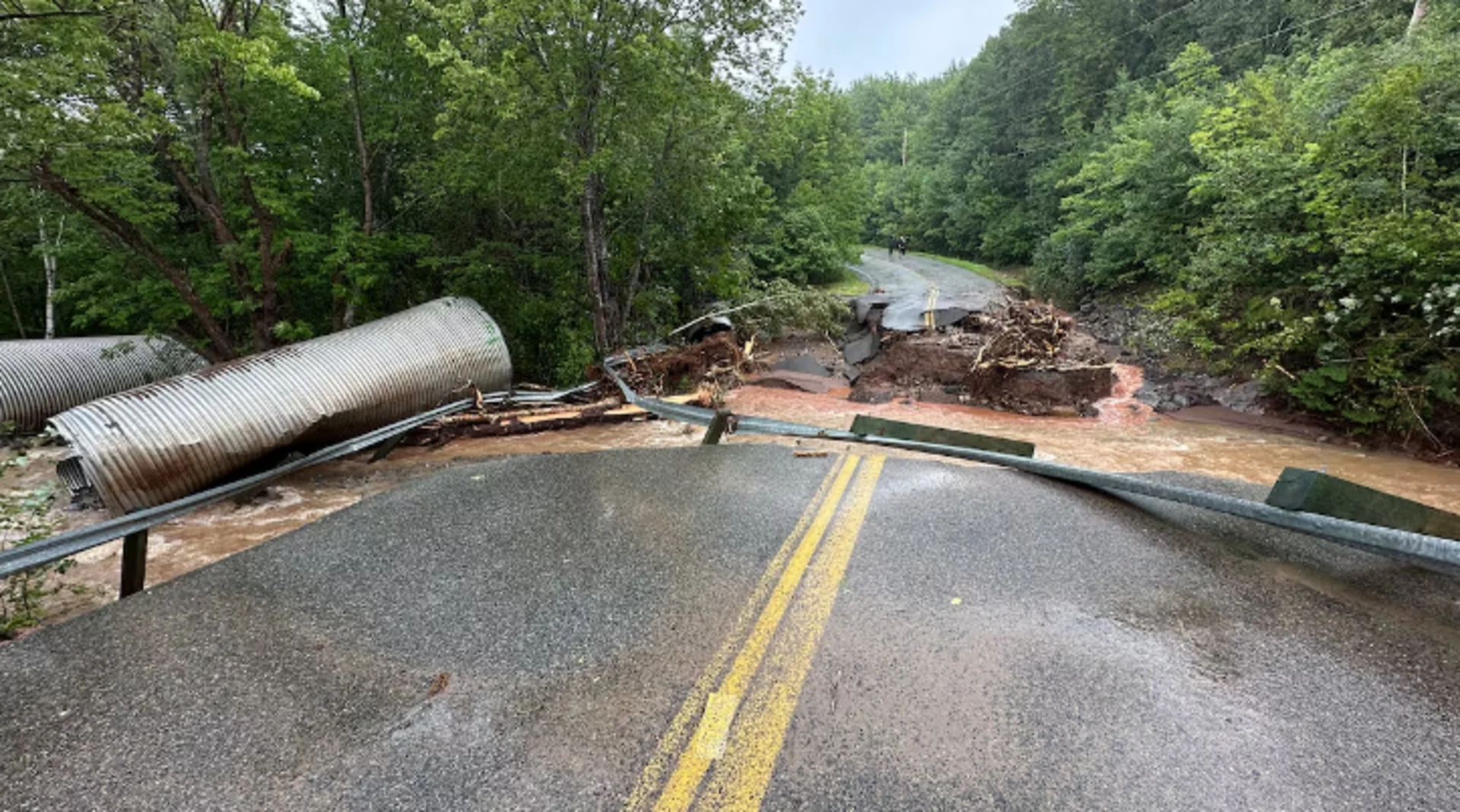
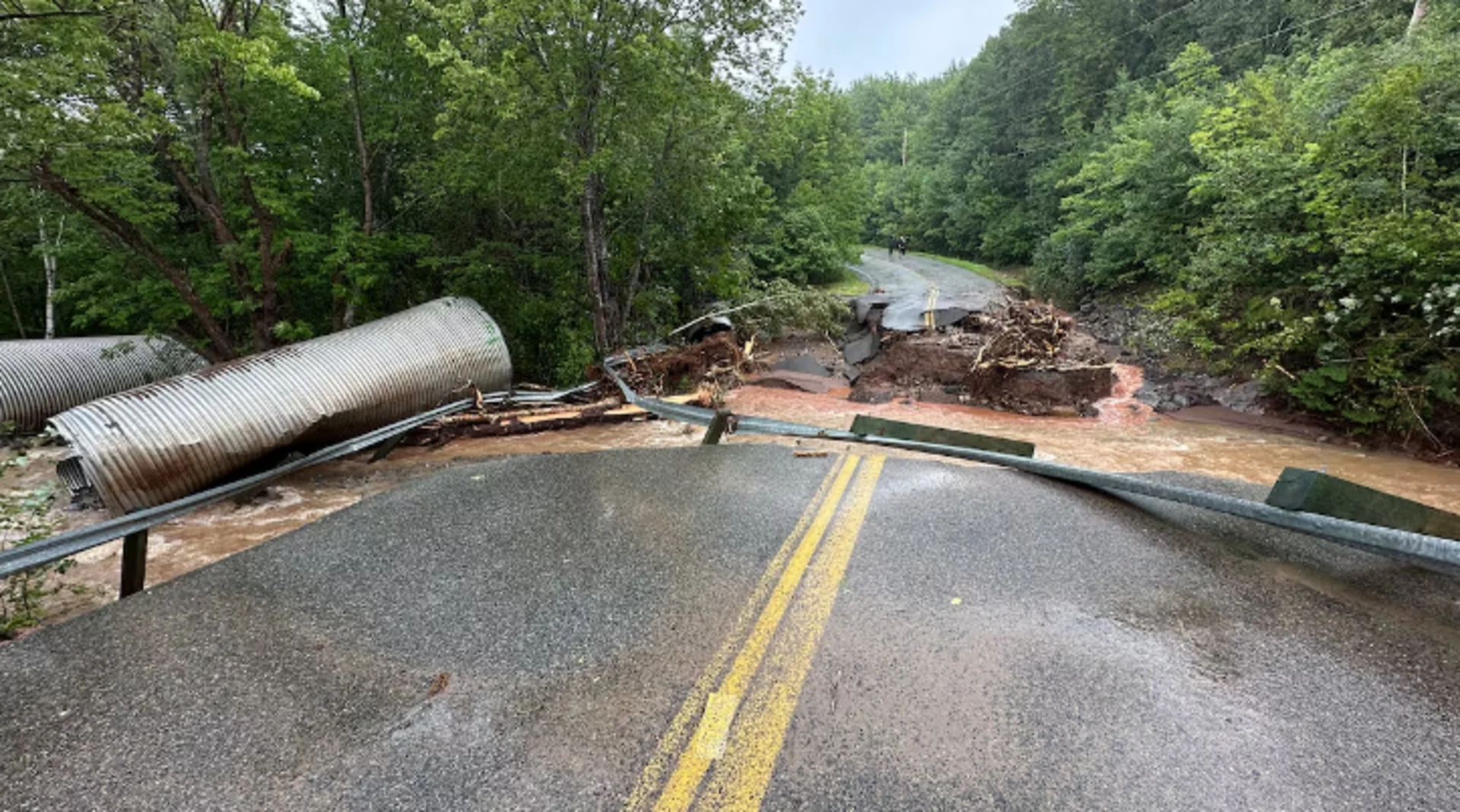
Part of the West Bay Road washed out at St. Georges Channel, about 25 kilometres west of St. Peters, N.S. Two large culverts washed downstream after heavy rains in the area on Sept. 4 and Sept. 5, 2026. (Tom Ayers/CBC)
Sabih added that governments should update building codes to mandate backflow valves in homes, which prevent sewage systems from backing up during heavy rain.
Corrine Cash, an associate professor of planning and climate adaptation at Mount Allison University, told CBC Radio's Information Morning Cape Breton that the frequency and severity of these types of storms have been increasing for years, but investment in flood-proofing has lagged.
"We need to replace infrastructure that couldn't withstand that kind of a storm," Cash said.
DON'T MISS: Rare, high-elevation tornado hits Utah mountainside at nearly 2,300 metres
She said improvements will take time, but they must happen to ensure public safety.
Sabih advises that homeowners shouldn't finish or renovate basements unless comprehensive waterproofing is in place. Key measures include installing specialized flood-sealing doors and windows, window-well drains and backflow valves.
Both experts emphasize education and proactive planning. Sabih urged property owners to consult engineering specialists and called on governments to provide home-protection checklists for property owners in flood-prone areas.
“By spreading their awareness among people, I do believe they will be ready. Tell them if you have a flood in your area multiple times and in the basement, you do 1-2-3-4.”
This article, written by Ethan Hunt, was originally published for CBC News.