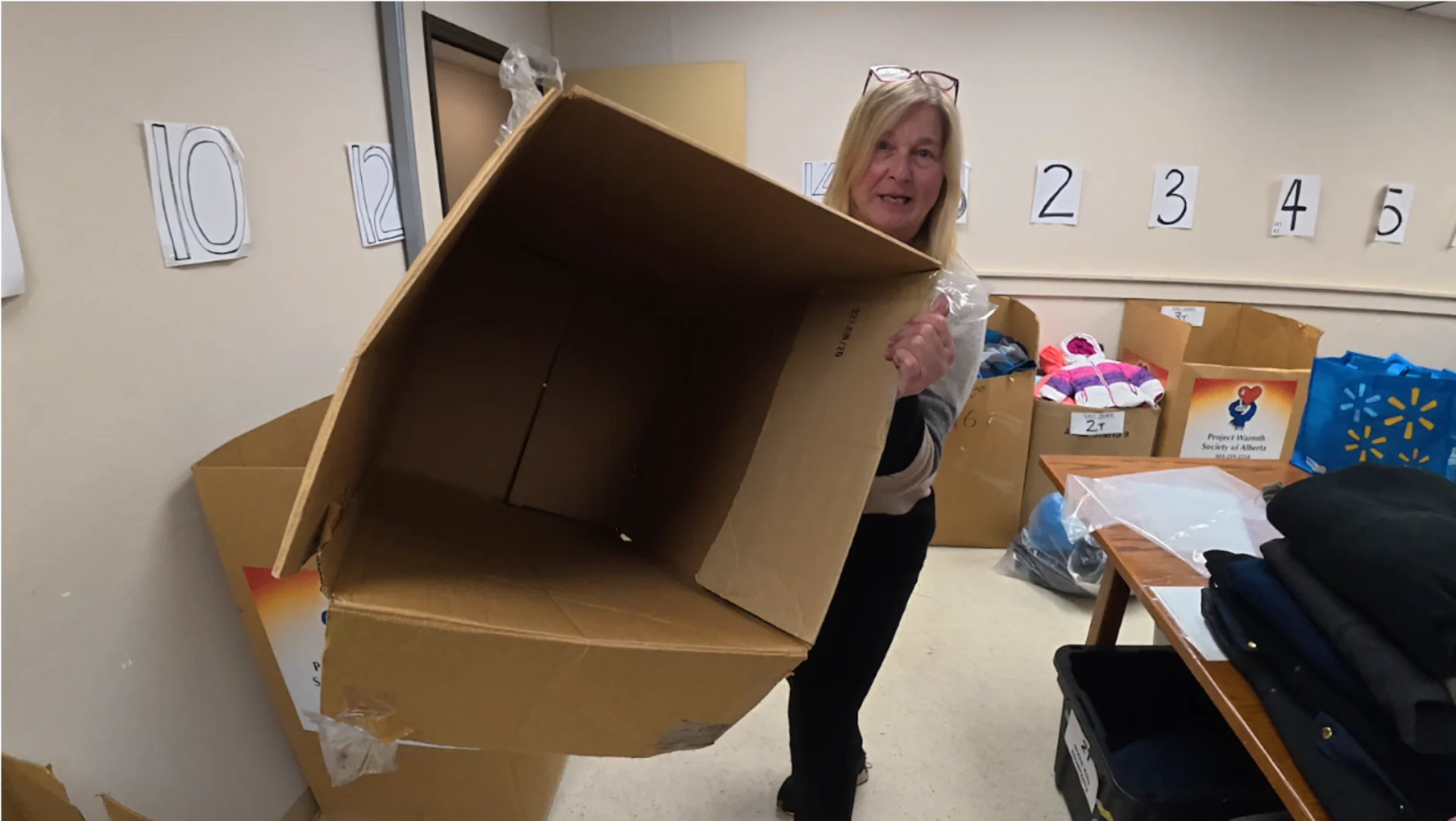
Boots, jackets top donation wish lists as extreme cold hits the Prairies

As cold weather grips parts of the Prairies, charities like Project Warmth and The Mustard Seed are facing an unprecedented challenge. With donations down and demand soaring, they are struggling to provide essential winter clothing to the city's most vulnerable. The Weather Network's Connor O'Donovan reports.
It’s common advice with cold in the forecast - bundle up!
And, with extreme cold conditions in the forecast for the Prairies this week, that’s sure to be advice well taken for many.
RELATED: Safeguard your pipes from freezing and bursting this winter
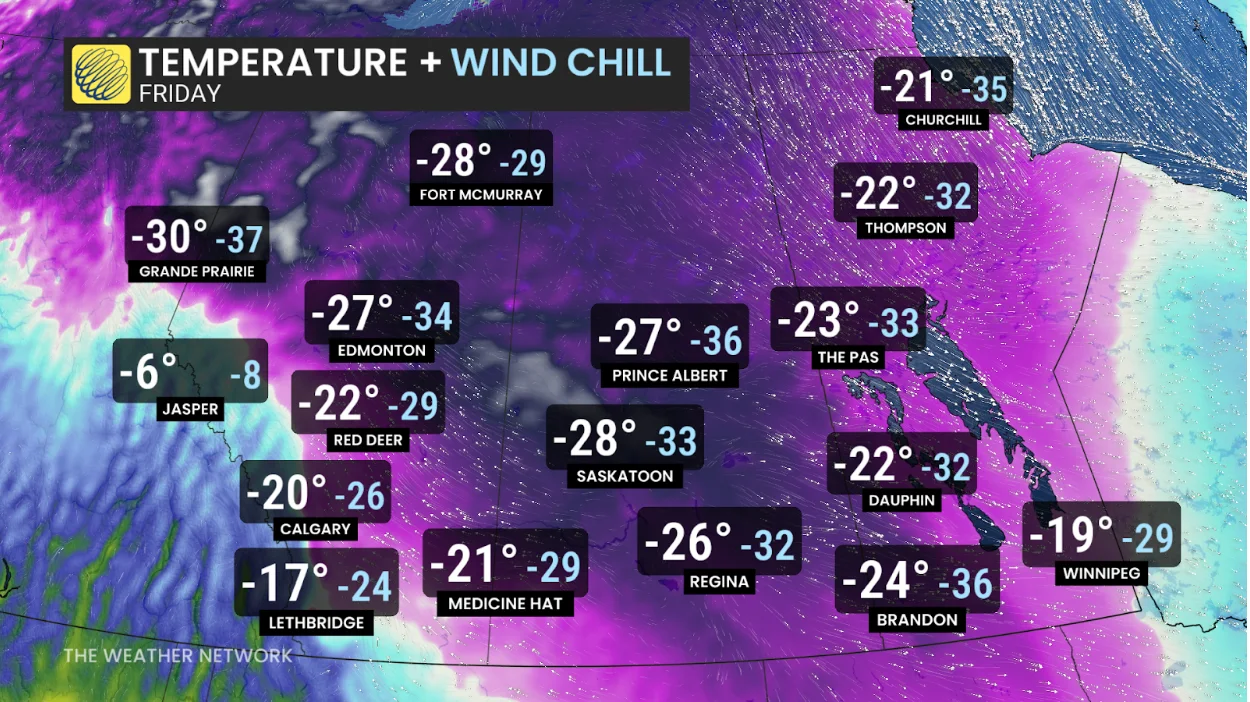
Daytime highs for cities including Calgary, Edmonton, Regina, and Saskatoon could struggle to pass -20 this week. Snow is in the forecast for these communities as well.
But for some, bundling up is more difficult than for others. And if ongoing trends at some Alberta non-profits are an indicator, it may be harder than ever this year.
“I really feel this year is the worst year on the record for Project Warmth. Donations are going down, demand is going up,” says Project Warmth Society of Alberta Administrative Coordinator Lydia Bentley.
“Calgarians are keeping things for longer. That’s understood. You might wear that same pair of boots for two or three years now and not donate them.”
The Calgary-based nonprofit has been operating in the city since 1996. It works on a referral basis with more than 50 social service organizations in the Calgary area to supply winter outerwear, including boots, jackets, gloves, socks, sweaters, and blankets.
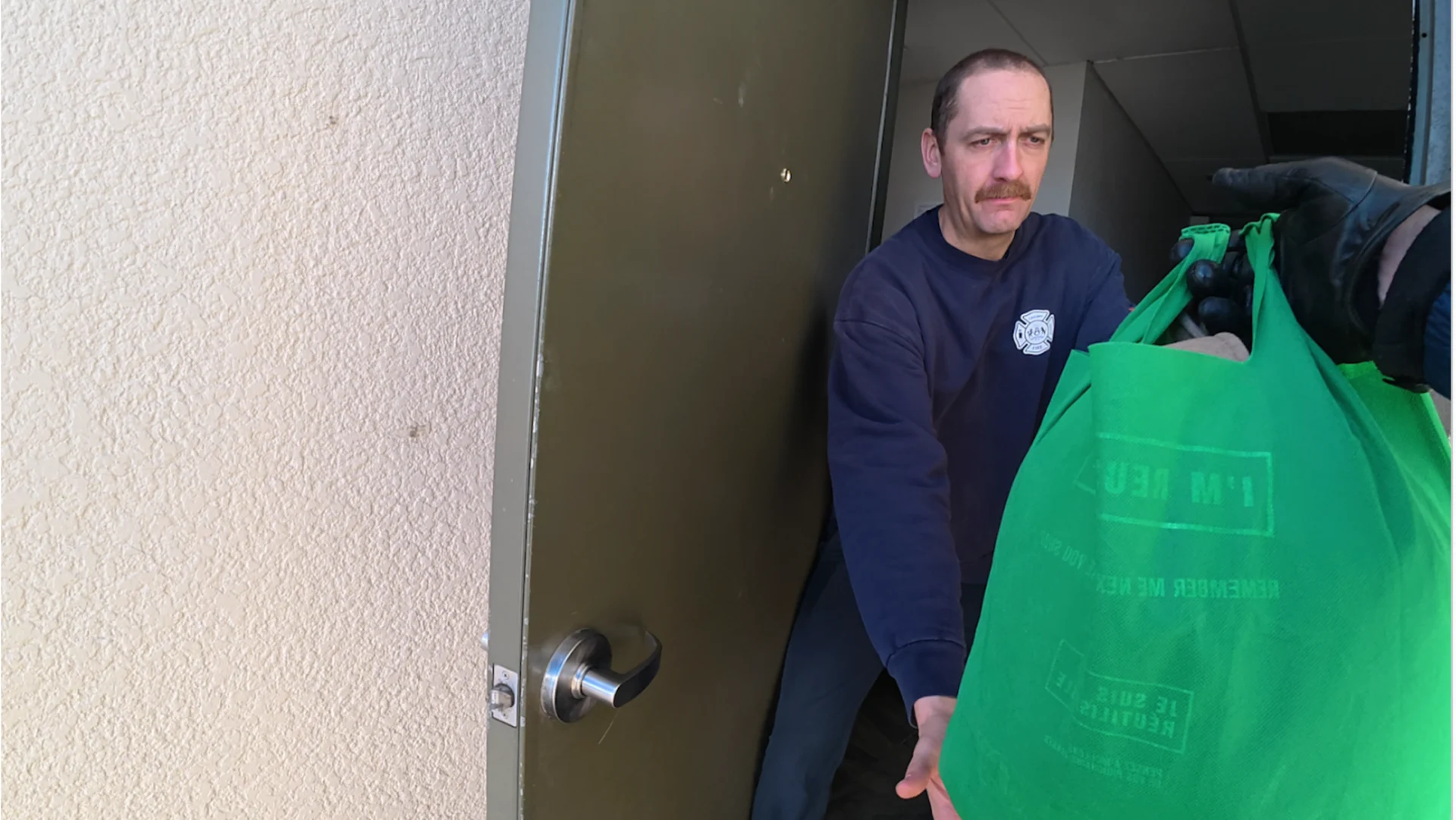
Donations for the Project Warmth Society of Alberta can be made at any Calgary fire station. (Courtesy: Connor O’Donovan/The Weather Network)
Clients include those experiencing homelessness, new Canadians, those struggling with substance use issues, and lower-income families as well.
Bentley says she’s only seen an increase in demand over her four years with the organization. And, with cost-of-living challenges still omnipresent, she expects challenges to continue with both supply and demand.
The Project Warmth society helped more than 580 individuals this past October, a figure that will “exponentially increase” as the coldest months arrive. In December 2024, the charity helped more than 1000 people in Calgary. Bentley expects to serve ever more people this December.
She says especially in-demand items include women’s XL jackets and youth outerwear.
If you’d like to donate, you can bring bagged or boxed clothing to any Calgary Fire Department station. More information can be found online.
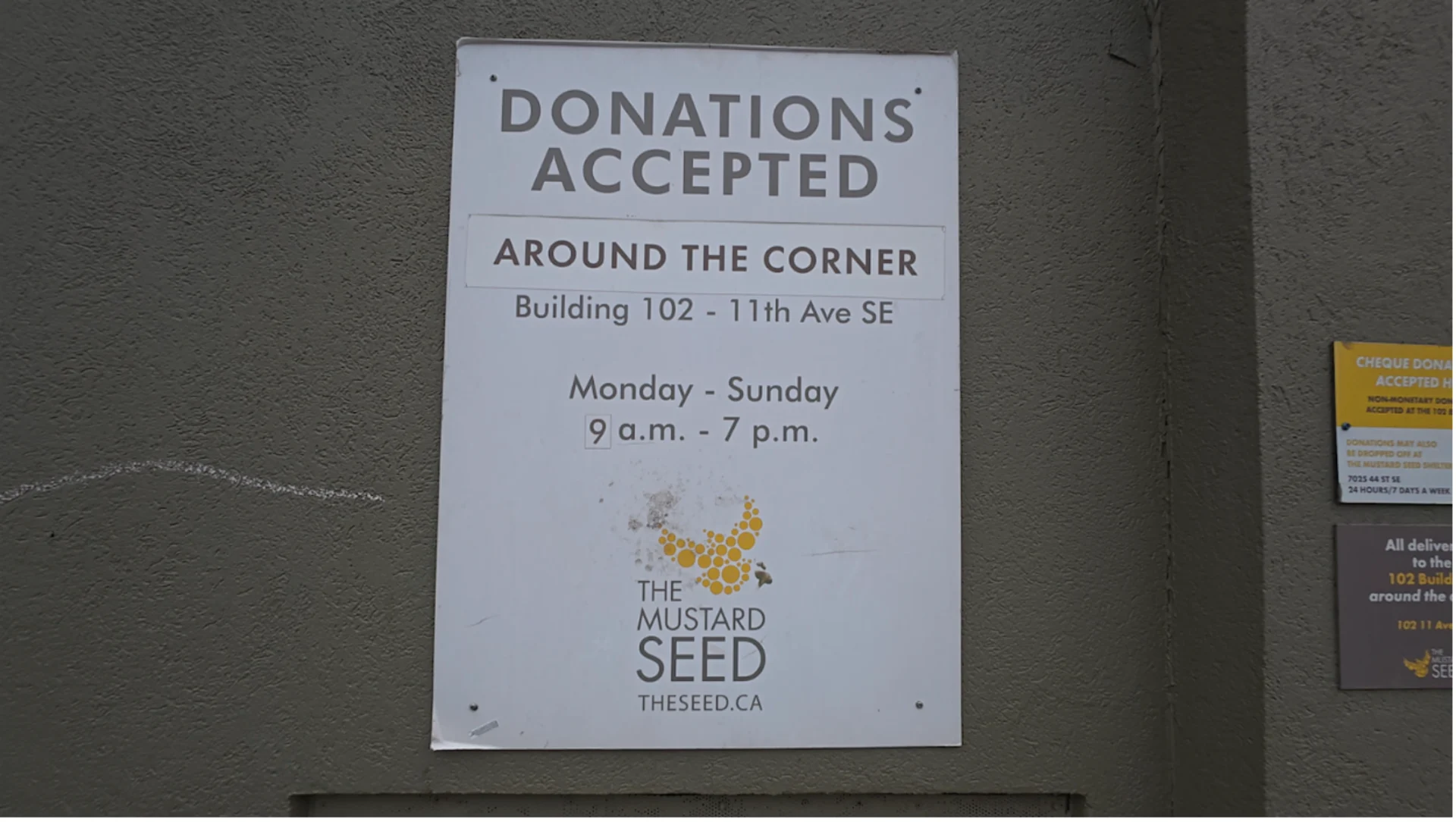
Donation information for the Calgary branch of the Mustard Seed is seen here. (Courtesy: Connor O’Donovan/The Weather Network)
SEE ALSO: Canada's 2026 Winter Forecast
It’s a challenge being felt in other prairie communities too.
The Mustard Seed has locations in seven communities across Western Canada.
Community & Volunteer Engagement Sr. Director Dave Conrad says they’re struggling to keep up with demand everywhere.
“The need is increasing more and more. People are needing support, for food security, shelter, and housing,” he says.
“And the warm clothes, the toques, mitts, the gloves and hand warmers - those are out the door as soon as we get them, basically, so we’re always looking for more of those donations.”
SEE ALSO: How hand warmers work: It's all science
Cash donations are ideal at the Mustard Seed and can be made online.
“You can get frostbite at zero degrees, so we want to help keep people as safe as we can. And, for those not sleeping in a safe and warm place, those chronic illnesses can really stick with you when you can’t escape the cold.”
Meanwhile, data from the Public Health Agency of Canada (PHAC) paints a frightening picture of the dangers of exposure to cold.
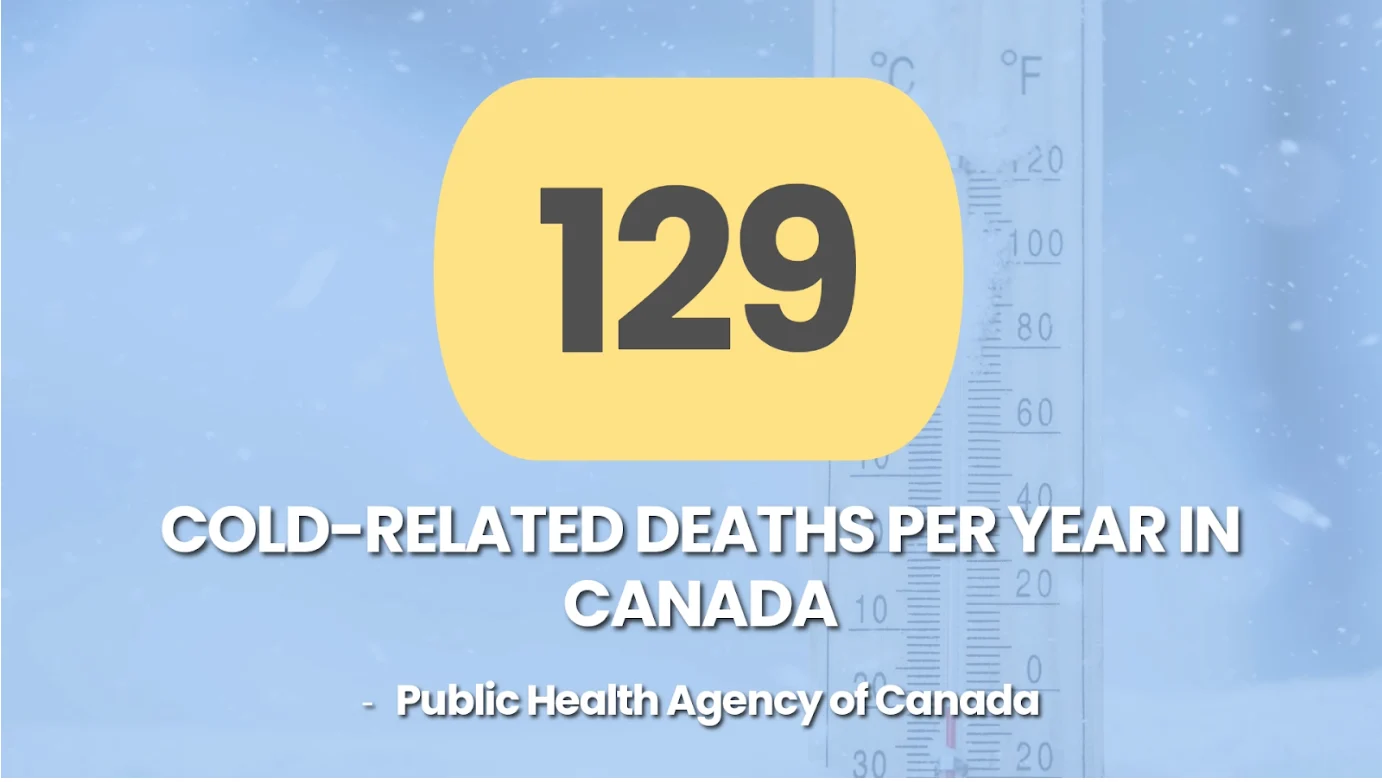
There are more than 125 cold-related deaths in Canada every year, according to PHAC.
Between 2011 and 2023, Canada (excluding Quebec) saw 9,425 cold-related hospitalizations and 38,592 emergency department (ED) visits in Alberta, Ontario, and Yukon alone.
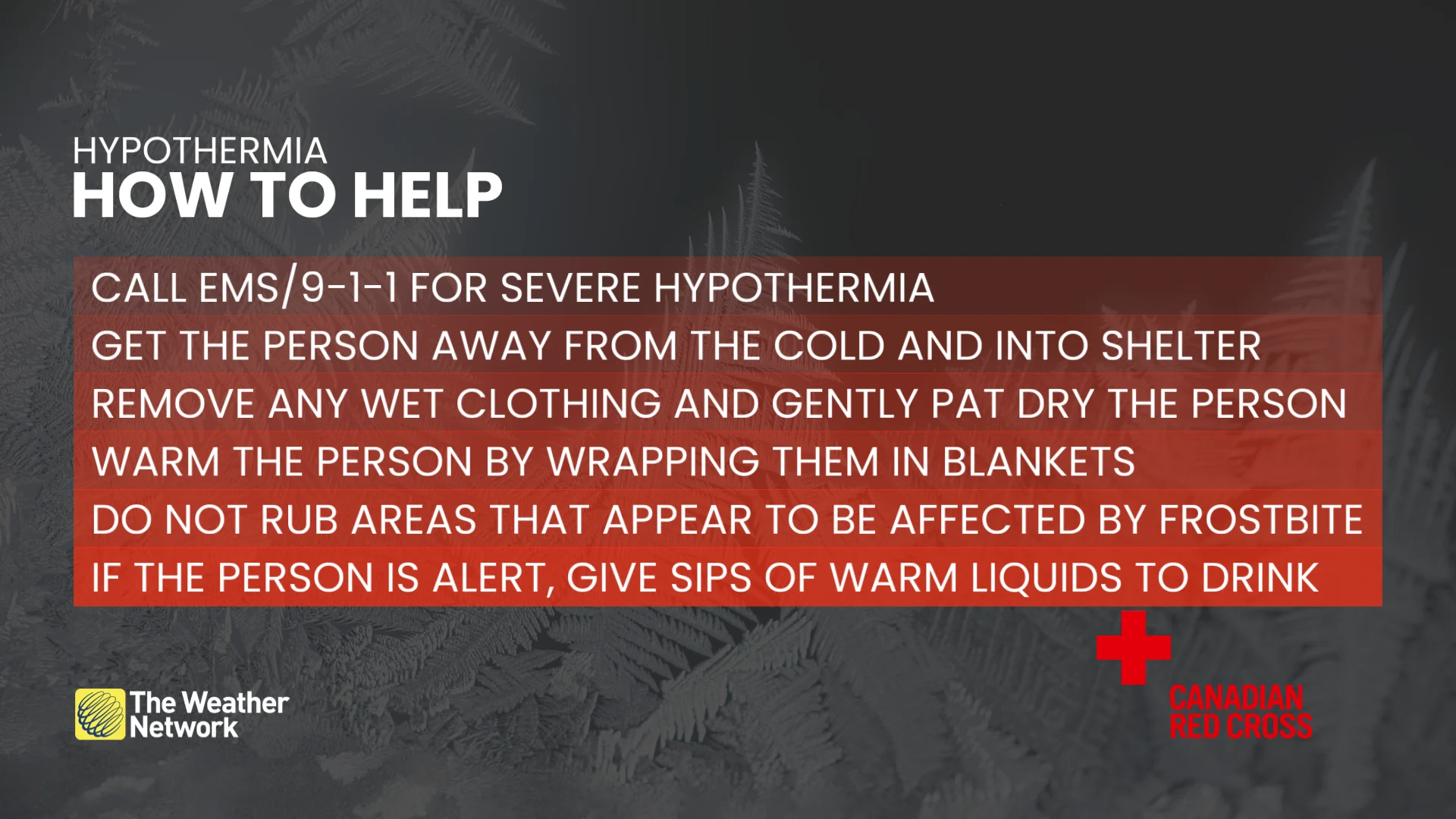
Frostbite represented more than 60 per cent of hospitalizations. Hypothermia represented about 35 per cent.
Further insights can be drawn from PHAC’s Canadian Hospitals Injury Reporting and Prevention Program (CHIRPP), which collects narrative information from select EDs.
Ninety per cent of cold-related cases at CHIRPP hospitals occurred between November and March, with frostbite being the most commonly reported injury.
CHIRPP data shows public roads and transit stations (34.4%), residential settings (25.9%), and public parks (13.5%) as the locations where most cold-related injuries occur, with walking (21.8%), sports and recreational activities (21.1%), and “being found outside/unresponsive in the snow or street” (14.9%) as the most commonly reported injury circumstances.
WATCH: Flu vaccine a mismatch for dominant strain in Canada this season
(Header image displays Lydia Bentley of the Project Warmth Society of Alberta showing an empty donation box on November 3, 2025.)